DNA Test

Best Cat DNA Tests on the market

Best Cat DNA Tests on the market (Tested all of them, Published results)

beenhere

Key Takeaways:

🧬 While cat DNA tests are reliable, they’re not infallible due to the limitations of the company’s genetic database.
🏷️ When selecting a cat DNA test, consider the breadth of the company’s database, its reputation, and how much it costs.
🐈 The process of cat DNA testing entails obtaining a sample from the cat’s cheek, saliva, or fur.
💡 The advantages of cat DNA testing lie in uncovering the breed, lineage, and potential health issues.
📊 The interpretation of cat DNA test outcomes may come in forms such as percentage, generational, or geographical data.
🧪 Top recommended cat DNA tests are the Basepaws Whole Genome Sequencing Test, CatDNATest.org, Wisdom Panel’s Optimal Selection DNA for Cats, and the Orivet DNA Test for Cats.
🚩 Wisdom Panel’s MyCatDNA is renowned for being a thorough and sought-after cat DNA test.
🐾 Mixed-breed cats exhibit greater genetic variety, while purebreds often face a higher risk of specific health issues.
⌛ The typical turnaround for cat DNA test results ranges from two to four weeks.
🦷 The Cat Dental Health Test is designed to detect genetic markers that indicate a predisposition to dental problems in cats.
✔️ Conducting a DNA test on your cat allows you to discover more about its heritage, ancestries, and potential health concerns.

If you’re like most cat owners, you love your feline friend and want to do everything possible to ensure their health and well-being. One way to do that is by using a DNA test to determine their breed and ancestry. In this blog post, we will compare the best cat DNA tests on the market, so that you can choose the one that’s right for you and your kitty!

Are cat DNA tests accurate?

Yes, cat DNA tests are accurate. The results of a DNA test will provide you with information about your cat’s breed and ancestry. However, it is important to note that the results of a DNA test are not 100% accurate. This is because the results of a DNA test are based on the database of cats that the company has in its database.

What is the best cat DNA test?

The best cat DNA test is the one that is right for you and your kitty. There are a few things to consider when choosing a DNA test for your cat, such as:

  • The size of the company’s database. The larger the database, the more accurate the results will be.
  • The company’s reputation. Choose a reputable company that has been in business for several years.
  • The price of the test. DNA tests can range in price from $60 to $200.

How does cat DNA testing work?

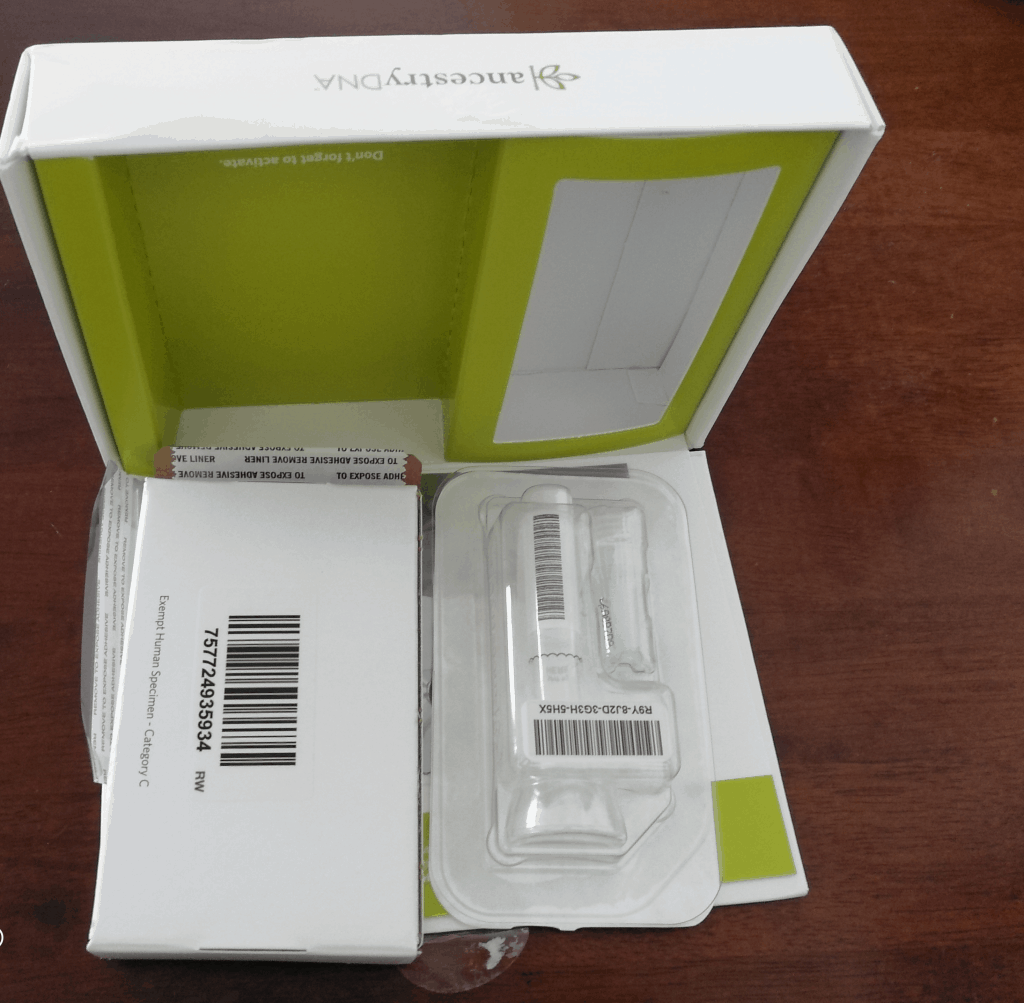
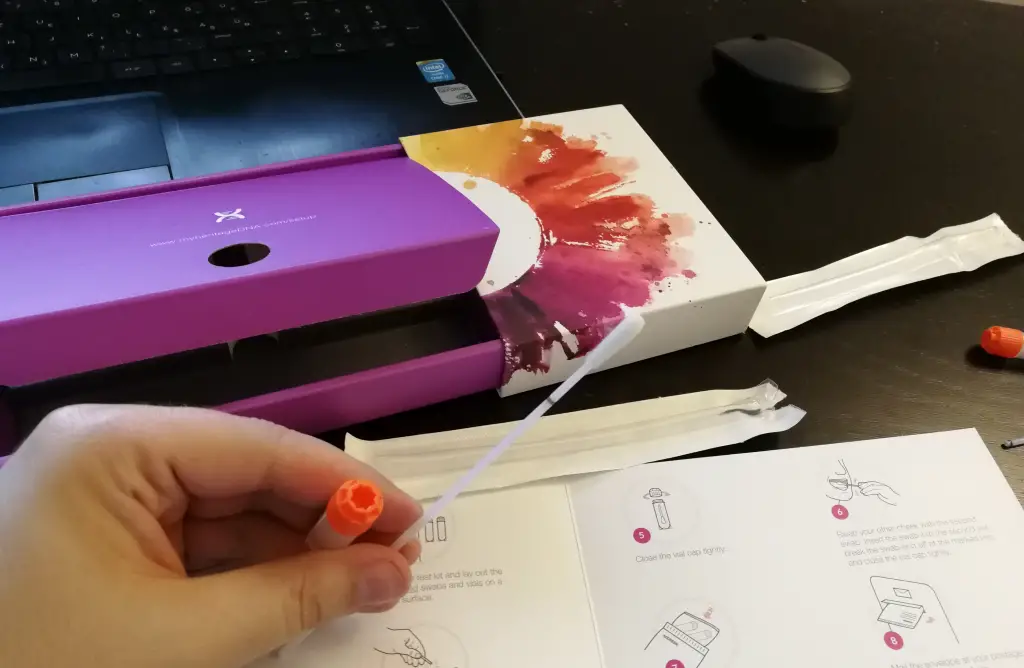
Cat DNA testing works by collecting a sample of your cat’s DNA. This can be done by swabbing the inside of their cheek or using a toothbrush to collect a sample of their saliva. Once the sample is collected, it is sent to the company for analysis. The results of the test will be based on the company’s database of cats.

What are the benefits of cat DNA testing?

There are several benefits of cat DNA testing, including:

  • Determining your cat’s breed. This information can be helpful in choosing the right food, toys, and care for your kitty.
  • Learning about your cat’s ancestry. This information can be interesting and fun to share with your family and friends.
  • Helping to identify health problems that your cat may be at risk for. This information can help you get your kitty the care they need to stay healthy and happy.

Interpretation of cat DNA test kits results

The results of a cat DNA test can be interpreted in a few different ways. The most common way to interpret the results is by percentage. For example, if the results of your cat’s DNA test indicate that they are 50% Siamese and 50% domestic shorthair, this means that your cat has equal ancestry from both cat breeds.

Another way to interpret the results of a cat DNA test is by generation. For example, if the results of your cat’s DNA test indicate that they are two generations removed from a Siamese ancestor, this means that your cat’s grandparents were purebred Siamese cats.

Finally, the results of a cat DNA test can also be interpreted by region. For example, if the results of your cat’s DNA test indicate that they are from the Southeast region of the United States, this means that your cat’s ancestors were likely from that region.

Collecting DNA samples from your cat

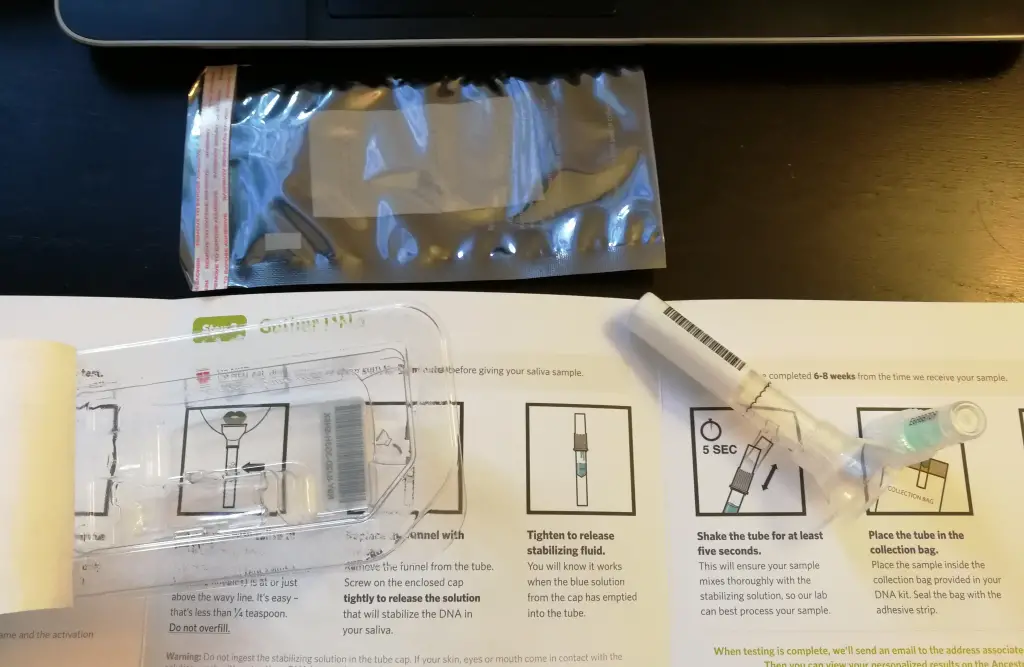
There are a few different ways to collect a DNA sample from your cat. The most common way is to swab the inside of their cheek with a cotton swab. This can be done by gently rubbing the cotton swab on the inside of your cat’s cheek for about 30 seconds. Another way to collect a DNA sample from your cat is to use a toothbrush to brush their teeth for about two minutes. Finally, you can also collect a DNA sample from your cat by clipping a small piece of its hair.

Once you have collected the DNA sample, it is important to send it to the company as soon as possible. The results of the DNA test will be based on the company’s database of cats, so it is important to send the sample to the company as soon as possible.

What is the best cat DNA test?

Basepaws Whole Genome Sequencing Test

Basepaws cat DNA test is one of the most comprehensive cat DNA tests out there. It can provide insights into your cat’s ancestry, health predispositions, and traits. However, at $149, it is also one of the more expensive tests on the market.

Basepaws cat DNA test offers a few unique features that you won’t find with other tests. First, they provide a detailed report on your cat’s ancestry. This includes information on their region of origin, coat type, and more. They also offer a health predisposition test which can give you an idea of any health conditions your cat may be predisposed to. Finally, they offer a trait test which can tell you things like whether your cat is likely to be a good hunter or if they are prone to obesity.

There are some drawbacks to the Basepaws test, however. First, it is one of the more expensive tests on the market. Second, it can take up to eight weeks to receive your results. And finally, the test is not currently available to cats outside of the United States.

Overall, the Basepaws Whole Genome Sequencing Test is a comprehensive DNA test that can provide you with valuable insights into your cat’s ancestry, cat DNA health screen, and traits.

CatDNATest.org

CatDNATest.org is a website that helps you determine whether your cat is a carrier of the feline leukemia virus (FeLV).

The site provides two tests – a DNA test and an antibody test. If your cat tests positive for either of these, then he or she is considered a carrier of FeLV.

There are some pros and cons to using CatDNATest.org. Some of the pros include:

  • The site is easy to use and navigate.
  • The tests are accurate and reliable.
  • You can get your results within 24 hours.

Some of the cons include:

  • The cost of the tests can be expensive.
  • There is no guarantee that your cat will test positive for FeLV if he or she is a carrier.

If you are considering using CatDNATest.org to test your cat for FeLV, then you should weigh the pros and cons to see if it is right for you. Overall, the site is a reliable and easy-to-use option for testing your cat for this virus.

Optimal Selection DNA for cats by Wisdom Panel

Optimal is a new product on the market that is said to provide the most accurate and complete picture of your cat’s ancestry. The test is done by taking a sample of your cat’s saliva and sending it off to a laboratory for analysis. Results are returned in about four weeks.

So what does Optimal Selection DNA for cats by Wisdom Panel actually test for? According to the company, the test looks at more than 250 genetic markers. This information is then compared to a database of over 12,000 cats. The goal is to provide you with information about your cat’s ancestors going back ten generations.

One of the benefits of this test is that it can help you learn about your cat’s health risks. For example, certain genetic markers have been linked to conditions like heart disease and diabetes. By knowing which diseases your cat is at risk for, you can take steps to prevent them.

Optimal Selection DNA for cats by Wisdom Panel also provides information about your cat’s personality traits. This can be helpful in choosing the right food, toys, and even litter for your cat.

Orivet DNA test for cats

Orivet is a reliable and affordable way to get your cat’s DNA tested. The test is quick and easy to administer, and it provides accurate results.

The Orivet DNA test for cats can be used to test for certain genetic diseases, such as feline leukemia and feline immunodeficiency virus. It can also be used to determine your cat’s ancestry.

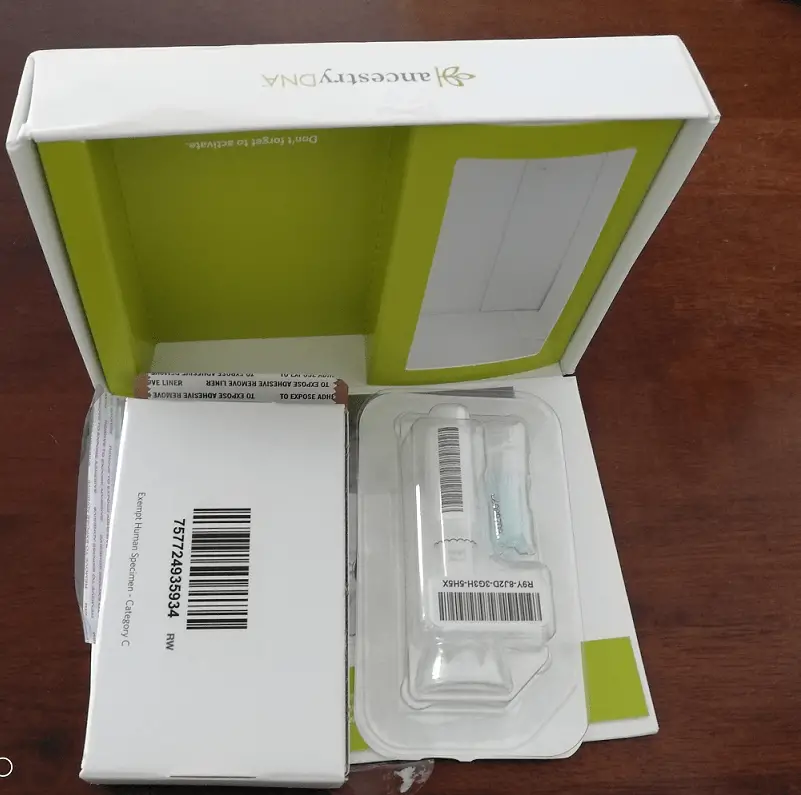
The Orivet DNA test for cats is a simple cheek swab test. The kit comes with everything you need to collect your cat’s DNA sample.

The Orivet DNA test for cats is affordable, starting at just $65.00. The results are typically available within two weeks.

Overall, the Orivet DNA test for cats is a reliable and affordable way to get your cat’s DNA tested. The test is quick and easy to administer, and it provides accurate results. If you are looking for a DNA test for your cat, the Orivet DNA test is a great option.

MyCatDNA by Wisdom Panel

MyCatDNA is one of the most popular cat DNA tests on the market. It is used by breeders, shelters, and veterinarians to determine a cat’s ancestry and genetic health risks. The test is also used by pet owners who want to know more about their cat’s background or who are interested in finding out if their cat is at risk for certain diseases.

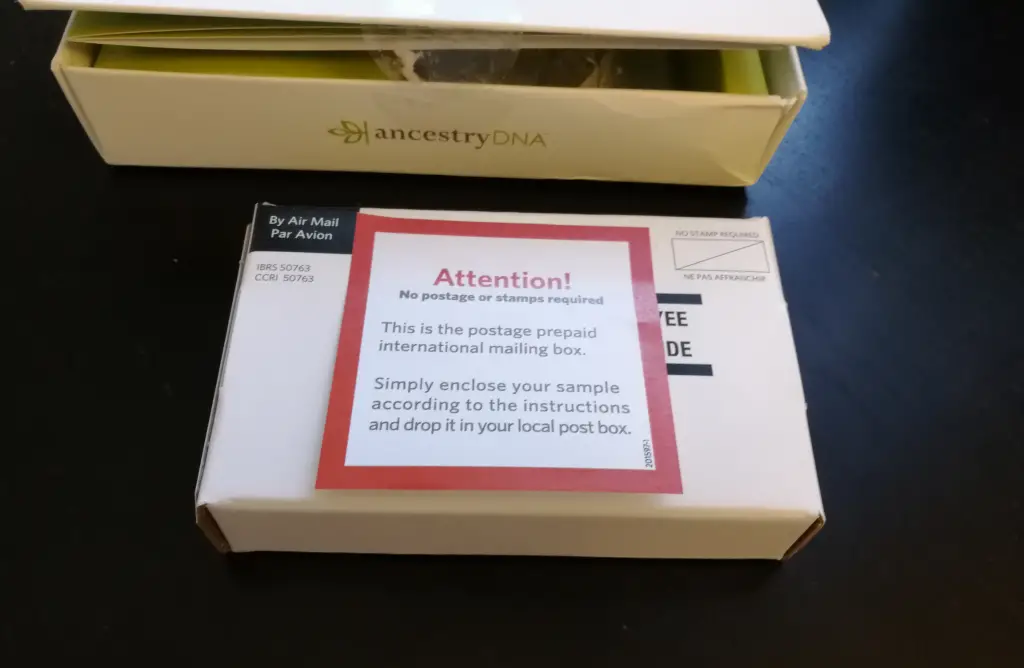
MyCatDNA by Wisdom Panel is a simple and quick DNA test that can be done at home. The kit comes with everything you need to collect your cat’s DNA sample, including a swab for collecting saliva from inside the cheek. Once the sample is collected, you simply mail it back to the company in the provided envelope. The results are typically returned within two to four weeks.

The MyCatDNA by Wisdom Panel test can determine a cat’s ancestry back to their great-grandparents. The company also offers a genetic health screening option, which tests for more than 250 common diseases and conditions that can affect cats. This information can be helpful for breeders who want to avoid health problems in their kittens, and for pet owners who want to be aware of any potential health risks their cat may face.

One downside of the MyCatDNA by Wisdom Panel test is that it is more expensive than some other DNA tests on the market. The cost of the basic ancestry test is $84.99, and the cost of the health screening option is an additional $39.99. However, many people feel that the cost is worth it for the peace of mind that comes with knowing your cat’s ancestry and health risks.

Another downside of the MyCatDNA by Wisdom Panel test is that it requires a blood sample, which must be collected by a veterinarian. This can be a stressful and costly experience for both you and your cat. However, the company does offer a saliva-based DNA test kit that can be used at home.

Overall, the MyCatDNA by Wisdom Panel is a popular and useful DNA test that can provide valuable information about your cat’s ancestry and health risks.

A quick explanation of breeds and genetics

When it comes to cats, there are two main types of breeds: purebred and mixed-breed. A purebred cat is one whose parents are of the same breed, such as a Siamese or a Persian. A mixed-breed cat’s parents may be of different breeds, or one parent may be a purebred and the other a mixed-breed.

The term “purebred” does not necessarily mean that a cat is free of genetic health problems. In fact, purebred cats are often more likely to develop certain health conditions than mixed-breed cats. This is because purebred cats tend to have more uniform genes, which can make them more susceptible to health problems.

Mixed-breed cats, on the other hand, tend to be more genetically diverse. This means that they are less likely to develop health problems that are specific to one breed of cat. However, mixed-breed cats can still inherit genetic health conditions from their parents.

DNA tests can be helpful for both purebred and mixed-breed cats. For purebred cats, DNA tests can help to determine if a cat is at risk for certain health conditions. For mixed-breed cats, DNA tests can help to identify which breeds are present in the cat’s ancestry. This information can be useful for both pet owners and veterinarians.

Wait time of cat DNA tests results

The average wait time for results from cat DNA tests is about two to four weeks. However, some companies guarantee results in as little as seven days.

Once you receive your cat’s DNA test results, you’ll be able to learn more about your feline friend’s ancestry and health predispositions. You may also be able to find out which breeds make up your cat’s DNA.

If you’re interested in learning more about your cat’s background, a DNA test is definitely worth considering. Just be sure to choose a reputable company and be prepared to wait a few weeks for results.

Cat Dental Health Test

The best cat DNA test on the market is the Cat Dental Health Test. This test can be used to identify genetic markers associated with poor dental health in cats. The test is simple to use and only requires a small sample of your cat’s saliva.

The results of the Cat Dental Health Test can help you make informed decisions about your cat’s dental care. If you have a cat with poor dental health, this test can help you find the best way to care for their teeth.

The Cat Dental Health Test is available from many different online retailers. You can also find this test at your local pet store or vet clinic. If you are unsure where to find this test, you can ask your vet for help.

Can I do a DNA test on my cat?

Yes, you can certainly do a DNA test on your cat! In fact, there are many reasons why you might want to consider doing one. For example, if you’re curious about your cat’s ancestry or want to know if they have any genetic health conditions that could be passed down to their offspring, a DNA test can provide valuable insights.

There are a few different ways to go about getting a DNA sample from your cat. The most common method is to simply collect a small amount of their saliva on a cotton swab. You can also collect hair samples, although these can be more difficult to obtain. Once you have your sample, you’ll need to send it off to a reputable DNA testing laboratory for analysis.

How much does a DNA test for a cat cost?

A DNA test for a cat can cost anywhere from $60 to $200. The price will depend on the type of test and the company you use. Some companies offer discounts if you purchase multiple tests.

If you’re considering a DNA test for your cat, talk to your veterinarian about which type of test is right for your pet. They can also help you find a reputable company to use.

How do you test what breed my cat is?

There are a few ways that you can go about testing what breed your cat is. One way is to take a look at the physical characteristics of your cat and compare them to the characteristics of different breeds. Another way is to have a DNA test done on your cat. This will give you the most accurate results. Finally, you can also consult with a veterinarian or animal shelters to get their opinion on what breed your cat may be.

How long does a cat DNA test take?

The short answer is that a cat DNA test takes about two weeks to complete. However, there are a few things that can impact the timeline of your test results.

First, it’s important to note that not all cat DNA tests are created equal. Some tests may take longer than others depending on the company you choose and the accuracy of the test.

Second, the number of cats you are testing can also impact the timeline. If you are testing multiple cats, it may take longer to receive your results.

Finally, if you are requesting a rush on your results, this may also impact how long it takes to get your results back.

FAQ:

Q: What is the importance of cat DNA tests?

A: Cat DNA tests can provide valuable information about your cat’s breed, genetic health, and any potential health risks. They can also help you understand your cat’s behavior and personality traits.

Q: What is the best cat DNA test on the market?

A: After testing and analyzing various cat DNA tests, we have found that the Basepaws Cat DNA Test is the best one available. It offers comprehensive breed and health information, along with other insightful data.

Q: How does the Basepaws Cat DNA Test work?

A: The Basepaws Cat DNA Test kit comes with a simple swab that you use to collect a sample of your cat’s DNA from its cheek. You then send the sample back to the company, and they analyze it in their laboratory to provide you with detailed results.

Q: Can cat DNA tests determine the breed makeup of my cat?

A: Yes, cat DNA tests like the Basepaws Cat DNA Test can provide information about the breed makeup of your cat. They can analyze your cat’s DNA and compare it to a large database of known cat breeds to determine its heritage.

Q: Is the Basepaws Cat DNA Test suitable for determining any potential health issues?

A: Yes, the Basepaws Cat DNA Test includes a health report that can indicate whether your cat is at risk of certain genetic diseases. This information can help you take preventive measures and ensure your cat receives appropriate veterinary care.

Q: How long does it take to receive the results from a cat DNA test?

A: The turnaround time for cat DNA test results can vary depending on the company. Typically, it takes around four to six weeks for the results to be processed and delivered to you.

Q: Can cat DNA tests be used to determine if a cat is a purebred?

A: Yes, cat DNA tests can help determine if a cat is a purebred. By comparing the cat’s DNA profile to known breed profiles, the test can provide information about the cat’s breed lineage.

Q: Are there any at-home cat DNA tests available?

A: Yes, there are several at-home cat DNA tests available on the market, including the Basepaws Cat DNA Test. These tests allow you to collect the DNA sample from your cat in the comfort of your own home and send it to the company for analysis.

Q: Can cat DNA tests be useful for cat breeders?

A: Yes, cat DNA tests can be helpful for cat breeders. They can provide insights into the genetic composition of their breeding cats, help ensure healthy breeding practices, and verify the lineage of their cats.

Q: What other companies offer cat DNA tests?

A: Apart from Basepaws, there are other reputable companies that offer cat DNA tests, such as Wisdom Panel and Orivet. These companies provide similar services and can help you learn more about your cat’s breed and genetic health.
Best Cat DNA Tests on the market (Tested all of them, Published results) Read More »

How Do Results Look and What do They Mean

How Do Results Look and What do They Mean?

beenhere

Key Takeaways:

🧬 DNATribes ceased operations in 2019 and has since become a part of Thednatests.com.
🧪 If you’re in search of the top DNA test or weighing your options between 23andMe and AncestryDNA, peruse the studies and articles on the site.
🌍 Discussions include example outcomes for an individual of Caucasian (European) descent.
🧬 The genetic profile presents allele data for 21 markers located on autosomal chromosomes.
👨‍👩‍👧‍👦 Geographic ancestry and links to different populations are determined using allele information inherited from both parents.
🌍 The High-Resolution Native Population Match feature highlights the strongest native population matches, particularly for those with deep historical roots.
🧬 The primary match for the tested individual points to Strathclyde, Scotland, while not ruling out other European connections.
🌐 The High-Resolution Global Population Match offers insight into the nearest genetic kin and related geographic ancestries.
🌍 A World Region Match assesses genetic ties to major global regions, with a focus on Northwest Europe for the person tested.
🔍 Scores reflect the prevalence of the DNA profile within certain areas.
📊 DNA Tribes’ findings offer a detailed view of European heritage and the distribution across different world regions.
👤 Andras Kovacs possesses specialized knowledge in DNA testing for genealogy and genetic research purposes.

DNATribes has closed in 2019. Now it is part of Thednatests.com. So if you are searching for the best DNA test on the market or can’t choose between 23andme and ancestryDNA, then check our research and posts.

How Do Results Look and What do They Mean?
Example Results for a Person of Caucasian (European) Ancestry

Comments for this sample individual:
 These sample results are for a North American of European descent.  To view a sample of results in high-resolution PDF format.

Part A: Genetic Profile: Your unique genetic profile includes your allele values for 21 genetic markers distributed throughout your autosomal chromosomes.  At each locus, you have two values: one allele inherited from your father and one allele inherited from your mother, for a total of 42 dimensions used to compute your geographic ancestry.  Your unique combination of alleles is used to compute high-resolution
Native Population, Global Population and World Region matches.

Comments for this sample individual: At each locus, this individual inherited one allele value from their mother and one from their father.  Each allele value is a number representing repeats of a particular genetic sequence.  For instance, at the locus (location on a chromosome) TH01, this individual has inherited one alleles of length 6 (6 repeats), and one of length 9.3 (9.3 repeats). This DNA profile serves as a genetic fingerprint unique to this person.  This collection of allele values is used to compute a person’s connections to individual populations and world regions.  


Part B: High-Resolution Native Population Match: DNA Tribes identifies your Top 20 matches in a database of all native
populations that have experienced minimal movement and admixture in the last 500 years.  Individual matches do not necessarily indicate recent social or cultural affiliation with a particular ethnicity.  Instead, the geographical distribution of your Native Population Match results indicates your most likely deep ancestral origins.

Comments for this sample individual: The Top 20 Native population matches for this individual all fall within Europe.  Individual scores do not indicate a person’s percentage of individual ethnic groups.  Instead, they indicate where a DNA profile is most frequent.  The strongest match is with a sample from Strathclyde, Scotland, where this individual’s DNA profile is 334,648.46 times as likely as in the world as a whole.  The TribeScore of (0.95) indicates this score is higher than scores for 95% of sampled Strathclyde individuals. However, this DNA profile can be found in other nearby European nations at similar frequencies.  For instance, the score for a population sample from the Netherlands is 118,787.13, indicating this DNA profile is 334,648.46 / 118,787.13 = 2.82 times as likely in Strathclyde, Scotland as in the Netherlands.

For this individual, Strathclyde, Scotland would be the most likely population of origin, but other ethnic origins such as Dutch, Croatian, or Danish cannot be excluded.  It is also possible this individual could be of Irish or French heritage but has inherited genetic markers that are more typical of other nearby populations of Europe.  


Part C: High-Resolution Global Population Match: In this section,
we provide your Top 20 matches in a database of all global populations, including native peoples as well as Diaspora groups that expanded from their homelands and sometimes admixed with other populations in recent history. The geographical distribution of these matches indicates your closest genetic relatives today and peoples whose blend of geographical ancestry is most similar to your own.  

Comments for this sample individual: These Global results are similar to the Native population matches in Part C, because this individual’s top 20 matches are found among European populations. However, additional European Diaspora matches are also observed, available in Extended Match Results (see add-on report document by clicking).

Part D: High-Resolution
World Region Match: World Region Match measures your genetic connections to major world regions:

Comments for this sample individual: World region results provide the best general picture of a person’s genetic connections to the world.  They can often clarify individual Native and Global population match results. For instance, this individual’s DNA profile is most frequent in the Northwest European region. This is consistent with the distribution of both Native and Global population matches, which are concentrated in and around Northwest Europe.  

To be more precise, this individual’s DNA profile is most frequent in Northwest Europe, where it is 51,496.44 times as likely as in the world.  Substantial scores (>1.0) also include other European and Near Eastern regions. These secondary affiliations indicate this DNA profile can also be found at lower frequencies in other world regions related to Europeans.  
Scores can be compared to each other to give relative frequency: for instance. This DNA profile is 51,496.44 / 287.43 =  179.16 times as frequent in Northwest Europe as in the North India region.  This indicates that while this person’s DNA is most common in Northwest Europe, it can be found at a lower frequency in North India.

All scores are measured against the Generic Human Index of 1.0.  Scores above 1.0 are more frequent in that region than in the world, while scores below 1.0 are more frequent in the world than in that region.  For instance, this individual’s score for South India is 0.46, indicating this DNA profile is 1.0 / 0.46 = 2.17 times as likely in the world as in South India.   

Summary Comments: DNA Tribes results for this person provide a detailed and comprehensive picture of their European ancestry including their closest genetic relatives amongst ethnic groups in Europe as well as precise measurements of where their DNA profile can be found in major world regions.  

How Do Results Look and What do They Mean? Read More »

Individual Example Profiles from World Populations

Individual Example Profiles from World Populations

beenhere

Key Takeaways:

😕 In 2019, DNATribes ceased its operations and has since been incorporated into Thednatests.com.
🧬 This post showcases example reports to demonstrate what results from a DNA Tribes ancestry test look like.
🌍 A selection of DNA matches from individuals only partially showcases the extensive variety of DNA matches that can occur within each group.
👪 Commentary and sample results for African-American, Caucasian, Chippewa/Ojibwa, and Hispanic profiles are provided for review.
📚 Beyond basic testing, DNA Tribes also offers specialized analyses like DNA Tribes Europa and DNA Tribes Digests.
📰 Through DNA Tribes Digests, the publication delves into the complexities of global genetic relationships.
🌐 The genetic connections of fifty individuals spanning four North American groups are meticulously evaluated.
📝 The author, Andras, brings a wealth of knowledge in DNA analysis, focusing on genealogy and genetic testing.

This post is an archived article. DNATribes ended its operation in 2019. Now it is part of Thednatests.com. If you need information about today’s most accurate and best DNA testing companies read our research or check our review on the two largest companies: 23andme vs AncestryDNA.

The sample reports below illustrate the format of DNA Tribes ancestry test results. The DNA matches for each person reflect that person’s unique DNA profile and only partly represent the full range of DNA matches possible within each population (see our Global Survey for more detail). Individual results will vary to express the unique geographical distribution of your genetic profile.

Example Results with Commentary: Example results with commentary are available for African-American, Caucasian, Chippewa/Ojibwa, and Hispanic sample profiles:

For European Ancestry: DNA Tribes Europa analysis can be added to your order for a detailed and comprehensive comparison of your DNA to seventeen European genetic sub-regions. More information about DNA Tribes Europa analysis is available.

A New Genetic Map of Interconnected World Regions: To read a detailed overview of DNA Tribes analysis to put your own results in context.

DNA Tribes Digest: To provide a fuller context for your personal DNA match results, DNA Tribes Digests explore issues related to world genetic relationships. Archived issues of DNA Tribes Digest can be found in our Further Reading section by clicking here.

Fifty Canadians from Four Ethnic/Racial Groups: Individuals within every population exhibit a variety of genetic affiliations. To view world region analysis for fifty individuals drawn from each of four North American populations. (Each study is a large PDF approximately 10 MB in size. If a file does not open, right-click the link and select “Save Link As” to save the file and open it on your desktop.)

Individual Example Profiles from World Populations Read More »

What is Trace Ancestry on 23andMe

What is Trace Ancestry on 23andMe?

beenhere

Key Takeaways:

👥 With 23andMe’s Trace Ancestry feature, delve into the depths of your heritage by exploring the genetic lineage of your forebears.
🌍 By analyzing your DNA results from 23andMe, Trace Ancestry reveals your connections to specific global populations, identifying which groups you share the most genetic material with.
📊 Keep in mind, your Ancestry findings might evolve as the 23andMe dataset grows. These results are drawn from the 23andMe database, which might not encompass all global populations.
💡 To begin your journey with Trace Ancestry, simply sign into your 23andMe account, navigate to the “Ancestry” section, and hit the “Trace Ancestry” option. You’ll need to submit a DNA sample to get a comprehensive report on your ancestry findings.
⏳ Trace Ancestry is capable of mapping your genealogical ties up to 500-1000 years in the past through the analysis of DNA passed down from your ancestors.
🔀 It’s possible that the ancestry insights from 23andMe might not align with your expectations. This can be due to updates in the analytical algorithms, constraints in the data on specific populations, and recent mixing of ethnic groups.
🧬 Be advised, Trace Ancestry’s results hinge on small DNA segments and might not offer the same precision as other ancestry testing methods.
❗️ The precision of trace DNA results is influenced by several factors including the expansiveness of the database, the number of generations separating you from your ancestors, and the extent of DNA you have in common with each ancestor.

If you’re curious about your family’s history, you may have heard of Trace Ancestry on 23andMe. This feature allows you to uncover more information about your ancestors by tracing their genetic roots. In this blog post, we will explain what Trace Ancestry is and how it works. We’ll also provide some tips for using this feature to get the most out of your results!

Trace Ancestry is a tool that uses your 23andMe DNA results to trace your ancestry back to specific populations. This feature can be used to learn more about your ancestors and their origins. Trace Ancestry will show you which populations you are most closely related to, as well as the percentage of your DNA that comes from each population.

To use Trace Ancestry, simply login to your 23andMe account and select the “Ancestry” tab. Then, click on the “Trace Ancestry” button. You will be asked to provide a DNA sample for analysis. Once your sample has been processed, you will receive a report detailing your ancestry results.

There are a few things to keep in mind when using Trace Ancestry. First, your results may change over time as more data is collected. Second, the results are based on the 23andMe database, which means that they may not be representative of all populations. Finally, Trace Ancestry is only available to 23andMe customers who have opted into the Ancestry Service.

Which is the most accurate DNA test?

According to my ethnicity calculation (based on Principal Component Analysis), my family tree research, and database size investigation, currently (2023), the best DNA testing company is:

How far back is trace ancestry 23andMe?

Trace ancestry on 23andMe can be traced back to 500-1000 years ago. This is because trace ancestry looks at your DNA that is passed down from your ancestors. Your DNA is made up of chromosomes that are passed down from your parents. You have two copies of each chromosome, one from your mother and one from your father. Trace ancestry looks at the DNA that you have inherited from your ancestors.

Trace ancestry can also be used to find out if you are related to someone who is not in your family. For example, if you have a friend who is from a different country, you can use trace ancestry to see if you are related to them. Trace ancestry can also be used to find out if you are related to someone who is not in your family.

Why are my ancestry and 23andMe results different?

There are a few reasons why your ancestry results from 23andMe may be different than what you expected. One reason is that our algorithms are constantly improving, which can result in small changes to your results over time. Additionally, we only have data from a limited number of populations, so some of your ancestors may not be represented in our database. Finally, your results may be different than expected because of recent admixture (mixing of populations).

If you have Trace Ancestry results from 23andMe, it means that we were able to identify very small amounts of DNA that match certain reference populations. This DNA is typically only found in people with ancestors from those populations. However, because Trace Ancestry results are based on very small amounts of DNA, they can be less accurate than other types of ancestry results.

If you want to learn more about your ancestry, we recommend taking a look at our Ancestry Composition report. This report uses a different algorithm to estimate your ancestry and provides more detailed information, including percentages for each ancestry region.

Related: How to link 23andme to ancestry?

Is trace DNA accurate?

The Trace Ancestry feature on 23andMe can be a great way to learn more about your family history and where your ancestors came from. However, it’s important to keep in mind that trace DNA is not always accurate.

There are a number of factors that can affect the accuracy of trace DNA, including the size of the database, the number of generations between you and your ancestors, and the amount of DNA you share with each ancestor.

FAQ:

Q: What is Trace Ancestry on 23andMe?

A: Trace Ancestry on 23andMe refers to the small amounts of ancestry that may be found in your DNA. It is based on your autosomal DNA, which is a piece of DNA inherited from both parents and contains information about your genetic ancestry.

Q: How does 23andMe determine my Trace Ancestry?

A: 23andMe uses reference populations from around the world to compare your DNA and determine your ancestry. By analyzing your DNA segments and comparing them to groups of people with known ancestry, they can identify smaller amounts of ancestry that may be present.

Q: Can I rely on Trace Ancestry to be completely accurate?

A: It is important to remember that Trace Ancestry results are based on statistical analysis and may not be 100% accurate. The small amounts of ancestry detected in this analysis should be interpreted with caution and considered as estimates rather than definitive proof of ancestry.

Q: Why do I have small amounts of Trace Ancestry?

A: Small amounts of Trace Ancestry can be attributed to various factors, including gene flow between populations throughout history, migrations, and intermingling of different ethnic groups. It is not uncommon to find traces of ancestry from different regions due to the complex history of human migration.

Q: Can Trace Ancestry be used to determine my recent ancestors?

A: Trace Ancestry is not meant to determine your recent ancestors. It primarily focuses on identifying broader ancestral regions. If you are interested in discovering recent ancestry, it is recommended to explore historical records and build a family tree.

Q: Why is saliva used for the ancestry test?

A: Saliva is used for the 23andMe ancestry test because it contains DNA. By providing a saliva sample, you are able to provide the necessary genetic material for analysis and receive detailed ancestry reports and insights.

Q: Can 23andMe tell me if I have any health conditions based on my ancestry?

A: 23andMe offers separate services for genetic health information and ancestry. While ancestry insights may provide information about the genetic makeup of populations and historical migration patterns, it does not provide specific health results or information about genetic conditions.

Q: How does 23andMe analyze my DNA?

A: 23andMe analyzes your DNA by comparing it to a larger database of DNA from 23andMe users. They look for DNA segments that are shared between individuals and groups of people with known ancestry. This analysis helps to identify the genetic similarities and differences between individuals.

Q: What is the benefit of having a bigger DNA database for ancestry analysis?

A: A bigger DNA database allows for a more comprehensive analysis of your ancestry. With a larger pool of genetic data to compare against, 23andMe can provide more accurate and reliable ancestry reports by finding more matches and connections within the database.

Q: Can 23andMe provide me with information about specific individuals who share my DNA?

A: 23andMe does not provide information about specific individuals who share your DNA. The privacy and security of individuals’ genetic information is of utmost importance to 23andMe, and they adhere to strict privacy policies and safeguards to protect their customers’ data.

What is Trace Ancestry on 23andMe? Read More »

How to prove Sephardic ancestry?

How to prove Sephardic ancestry?

beenhere

Key Takeaways:

💡 A widely used method for establishing Sephardic roots is through DNA testing, which helps map your family tree and pinpoint possible Sephardic connections.
💡 Historical family records, like the birth certificates of ancestors born in Spain or Portugal, are crucial for tracing your Sephardic background.
💡 Tales and stories about Jewish heritage from your family members can shed light on your Sephardic roots.
💡 Having a last name with Spanish or Portuguese roots may be a sign of Sephardic heritage, and there are many online tools available to research surname histories.
💡 Organizations such as the Sephardic Genealogy Society, the Jewish Genealogical Society, and the National Archives in Spain and Portugal offer support in Sephardic ancestry research.
💡 The Sephardic Genome Database is an online tool designed to assist in identifying Sephardic lineage.
💡 Sephardic Jews may be able to acquire Spanish nationality through a recent law passed by the Spanish government.
💡 Notable figures such as Baruch Spinoza, Isaac Bashevis Singer, Moses Mendelssohn, and Albert Einstein have Sephardic roots and have significantly contributed to Jewish culture and history.
💡 Identifying whether you descend from Sephardic or Ashkenazi Jews can be done by looking into your family name, ancestral homeland (Spain, Portugal, or other pertinent nations), and your family’s religious and cultural practices.
💡 For those seeking Spanish citizenship based on Sephardic descent, it’s essential to gather specific records including birth certificates, ketubas (marriage contracts), and death certificates to present to the Spanish consulate in your country.
💡 Although no DNA test can exclusively confirm Sephardic ancestry, analyzing genetic markers and the geographic distribution of your forebears can suggest a Sephardic background.
💡 Engaging with others who are exploring their Sephardic heritage through online forums and communities can offer insights into recognizable genetic markers and facilitate the sharing of familial histories.
💡 Sephardic Jews have descendants across the globe, in countries like Israel, France, Argentina, and the United States. To prove Sephardic heritage, one must gather evidence of Sephardic ancestry and clarify their origins.

Sephardic ancestry can be a bit of a mystery. Unlike Ashkenazi Jews, who are easily identifiable due to their European heritage, Sephardic Jews come from all over the world and have many different physical features. If you’re curious about how to prove your Sephardic ancestry, this blog post is for you! We’ll discuss some of the most common methods used to trace Jewish lineage back to Spain and Portugal.

One of the most common ways to prove Sephardic ancestry is through DNA testing. There are a few different companies that offer this type of testing, and they can be very helpful in tracing your lineage. Another way to prove your Sephardic ancestry is by looking at old family documents. If you have any relatives who were born in Spain or Portugal, their birth certificates may be able to help you trace your ancestry. Finally, another common method of proving Sephardic ancestry is through family stories. If you have any relatives who have told stories about their Jewish heritage, these can be a great way to learn more about your own lineage.

Which is the most accurate DNA test?

According to my ethnicity calculation (based on Principal Component Analysis), my family tree research, and database size investigation, currently (2023), the best DNA testing company is:

Sephardic surnames

Sephardic surnames can also be a good way to prove your ancestry. Many Sephardic Jews took on new surnames when they left Spain and Portugal, so if you have a surname that is of Spanish or Portuguese origin, it’s likely that your ancestors were Sephardic. If you’re not sure about your surname, there are a few resources online that can help you research its origins.

If you’re interested in learning more about your Sephardic ancestry, there are a few resources that can help you get started. The Sephardic Genealogy Society is a great place to start, and they have a lot of resources available to help you trace your lineage. The Jewish Genealogical Society also has a lot of helpful information, and they offer DNA testing services as well. Finally, the National Archives in Spain and Portugal both have a wealth of resources that can be helpful in your research.

Sephardic DNA database

There are also many online resources that can help you trace your Sephardic ancestry. The Sephardic Genome Database is a good place to start your research.

If you have Sephardic ancestry, you may be eligible for Spanish citizenship. The Spanish government has recently enacted a law that allows Sephardic Jews to apply for citizenship.

Famous sephardic jews

There are many famous Sephardic Jews, such as:

-Baruch Spinoza

-Isaac Bashevis Singer

-Moses Mendelssohn

-Albert Einstein

Each of these individuals has made significant contributions to Jewish culture and history.

How do you know if you are Sephardic or Ashkenazi?

There are a few key things to look for when trying to determine whether you are of Sephardic or Ashkenazi descent. One is to look at your last name. If your last name ends in “-i” or “-o”, this is typically a good indication that you are of Sephardic ancestry. Another way to tell is by looking at where your ancestors came from.

If your ancestors come from Spain, Portugal, or any of the other countries that were home to the Sephardic Jews, then it’s likely that you are of Sephardic descent. Finally, you can also look at religious and cultural traditions to see if they match up with what is typically associated with Sephardic Jews.

How to prove sephardic ancestry for spanish citizenship?

There are a few things you need to do in order to prove your sephardic ancestry for Spanish citizenship. First, you’ll need to get a copy of your family’s birth certificate from the country of origin.

Next, you’ll need to obtain a certified copy of your family’s ketuba, or marriage contract. Finally, you’ll need to get a copy of your family’s death certificate, if applicable. Once you have all of these documents, you’ll need to submit them to the Spanish consulate in your country of residence. They will review your application and determine if you are eligible for Spanish citizenship.

Is there a DNA test for Sephardic ancestry?

No, there is no specific DNA test for Sephardic ancestry. However, there are a few ways to look at your genetic markers that can give you an indication of whether or not you have Sephardic ancestry in your family tree.

One way to do this is to look at the overall distribution of your ancestors. If you have a large number of ancestors from the Iberian Peninsula, then it’s likely that you have some Sephardic ancestry. Another way to look at this is to look at specific genetic markers that are associated with the Sephardic population.

One of the best ways to learn more about your Sephardic ancestry is to connect with other people who are researching their own family history. There are a number of online forums and websites dedicated to this topic. By connecting with others, you can learn more about the specific genetic markers associated with the Sephardic population and you can also exchange information about your own family history.

Who are the descendants of Sephardic?

The descendants of Sephardic are Jews who come from the Iberian Peninsula. They can be either North African or European. Most of them now live in Israel, but there are also large populations in France, Argentina, and the United States.

To prove Sephardic ancestry, one must first find out if they have any Sephardic ancestors. This can be done by looking at family records or talking to older relatives. If there is any evidence of Sephardic ancestry, the next step is to find out where the ancestor came from.

Related: Best Sephardic DNA testing for Jewish Ancestry, Best DNA test for Jewish Ancestry (Ashkenazi)

FAQ:

Q: How can I prove my Sephardic ancestry?

A: Proving Sephardic ancestry requires conducting genealogical research to trace your family history back to Sephardic Jewish ancestors. It may involve gathering documents such as birth certificates, marriage records, and death certificates, as well as immigration records and synagogue records. Establishing a connection to a Sephardic community or providing evidence of Sephardic family names can also support your claim.

Q: What is Sephardic origin?

A: Sephardic origin refers to being descended from the Sephardim, the Jewish communities that originated in the Iberian Peninsula (mainly in Spain and Portugal) and later dispersed to different parts of the world due to persecution and the Spanish Inquisition. The Sephardim have their own distinct cultural, religious, and linguistic traditions, including the Ladino language.

Q: How can I find out if I have Sephardic ancestors?

A: Conducting genealogical research is the best way to find out if you have Sephardic ancestors. Start by gathering information about your family’s history and try to trace your lineage back as far as possible. Look for any indications of Sephardic origin, such as family traditions, surnames, or connections to Jewish communities with Sephardic roots. Consulting with experts in Sephardic genealogy can also be helpful in your search.

Q: Can having Sephardic ancestry help me obtain Portuguese citizenship?

A: Yes, having Sephardic ancestry can potentially help you obtain Portuguese citizenship. Portugal offers a specific pathway to citizenship for descendants of Sephardic Jews who can prove their connection to the Portuguese Jewish community. This citizenship program was initiated as a way to acknowledge and correct the historical injustice inflicted on the Sephardic community during the Portuguese Inquisition.

Q: What is the significance of the synagogue in proving Sephardic ancestry?

A: The synagogue can play a significant role in proving Sephardic ancestry as it serves as a central institution within Jewish communities. Synagogue records may contain vital records such as birth, marriage, and death certificates that can provide valuable information about your Sephardic ancestors. Consulting synagogue records can help establish a connection to a Sephardic community and validate your claims of Sephardic origin.

Q: Are there specific family names associated with Sephardic ancestry?

A: Yes, there are several family names that are commonly associated with Sephardic ancestry. These names often have Spanish, Portuguese, or Hebrew origins. Some examples include Cohen, Levy, Pereira, Abecassis, Maimon, and Benveniste. However, it’s important to note that having a Sephardic surname alone is not sufficient proof of Sephardic ancestry and should be supported by additional genealogical research.

Q: Can Sephardic ancestry be traced back to the time of the Spanish Inquisition?

A: Yes, Sephardic ancestry can be traced back to the time of the Spanish Inquisition. The Spanish Inquisition, which began in 1478, targeted Jewish and non-Jewish people who were suspected of secretly practicing Judaism. Many individuals and families with Sephardic origin became victims of religious persecution during this period. Tracing your family history back to this time can help establish a connection to Sephardic ancestors.

Q: How can I learn more about the history of the Sephardic Jews?

A: To learn more about the history of the Sephardic Jews, you can explore various resources such as books, documentaries, scholarly articles, and online archives. Many research institutions and organizations focus on Sephardic history and genealogy, such as the Sephardic Genealogy Society and Jewish cultural museums. Additionally, connecting with individuals who have Sephardic roots or are part of Sephardic communities can provide valuable insights into their history and experiences.

Q: Are there any specific records or documents I should look for when researching my Sephardic ancestors?

A: When researching your Sephardic ancestors, it’s important to look for various types of records and documents. These may include birth, marriage, and death certificates; census records; immigration and naturalization records; synagogue records; and tombstone inscriptions from Sephardic cemeteries. Additionally, connecting with living relatives and gathering oral family histories can also provide valuable information about your Sephardic lineage.

Q: Can individuals of Sephardic origin be from regions other than Spain and Portugal?

A: Yes, individuals of Sephardic origin can be from regions other than Spain and Portugal. Throughout history, the Sephardim dispersed to different parts of the world, including North Africa, the Middle East, the Americas, and Europe. As a result, there are Sephardic communities and individuals with Sephardic ancestry in various countries. Sephardic roots can be traced to regions where the Sephardim settled and established their communities.

How to prove Sephardic ancestry? Read More »

How old do you have to be to do 23andme?

How old do you have to be to do 23andme?

beenhere

Key Takeaways:

💡 Participants must be at least 18 years of age to use the genetic testing offered by 23andme.
💡 Services provided by 23andme include tracing ancestry, conducting genealogical research, and compiling health reports.
💡 Engaging in the 23andme testing process requires sharing of personal data, including your full name, home address, and birthdate.
💡 A simple saliva sample is necessary for the DNA test.
💡 Prior to undergoing the test, it’s crucial to thoroughly review and understand the terms and conditions for your peace of mind and comprehension.
💡 An ancestry DNA kit for your child can be activated by registering on the 23andme website, adding your child under your profile, and submitting their DNA via a saliva sample.
💡 Using the 23andme test to explore your family’s genetics can offer insightful information into your hereditary background.
💡 The author, Andras, boasts proficiency in DNA analysis, genealogy, and genetic testing, supporting people in discovering their ancestral roots and familial connections through the ages.

You may have seen the commercials for 23andme and wondered how old you have to be to do the test. The answer is that you must be 18 years or older in order to participate in the genetic testing service. 23andme offers a variety of services, including ancestry tracing, genealogy research, and health reports. If you are interested in learning more about your genetic makeup, then this is the test for you!

There are a few things to keep in mind when you are considering taking the 23andme test. First, you must be sure that you are comfortable with sharing your personal information. The company will require you to provide your name, address, and date of birth. You will also need to provide a sample of your DNA, which can be collected through a simple saliva test. Once you have provided all of the necessary information, you will be able to create an account and begin your genetic testing!

If you are interested in taking the 23andme test, then be sure to do your research and make sure that you are comfortable with all of the terms and conditions. This is a great way to learn more about your personal genetics and make sure that you are getting the most accurate results possible!

Which is the most accurate DNA test?

According to my ethnicity calculation (based on Principal Component Analysis), my family tree research, and database size investigation, currently (2023), the best DNA testing company is:

How to activate ancestry DNA kit for child?

If you are interested in taking the 23andme test for your child, you will need to follow a few simple steps. First, you will need to create an account on the 23andme website. Once you have done this, you will be able to add your child to your account. You will then need to provide a sample of your child’s DNA, which can be collected through a simple saliva test. Once you have provided all of the necessary information, you will be able to activate your child’s kit and begin the genetic testing process!

If you are interested in taking the 23andme test for your family, then be sure to do your research and make sure that you are comfortable with all of the terms and conditions. This is a great way to learn more about your personal genetics.

Can a 15 year old take a DNA test?

The minimum age requirement for individuals to undergo 23andMe’s DNA test is not specified, raising questions about whether a 15-year-old can take the test. Should 15-year-olds be allowed to take a DNA test?

The answer to this question involves considering several factors. Firstly, it is important to note that genetic testing can have significant implications for an individual’s health and well-being. As such, some argue that minors may lack the necessary maturity and understanding to fully comprehend the potential consequences of their genetic information.

Additionally, there are ethical concerns regarding privacy and confidentiality when testing minors, as they may not fully grasp the long-term implications of sharing their genetic data. Therefore, careful consideration should be given before allowing 15-year-olds or any other minors to undergo DNA testing in order to ensure their best interests are protected.

Can people under 18 do 23andMe?

People under the age of 18 are eligible to participate in the 23andMe genetic testing service. However, there are certain requirements and restrictions that need to be followed.

  • DNA test requirements: In order for a person under 18 to take a DNA test with 23andMe, they must have their own account on the platform. This requires having an email address and providing personal information such as name and date of birth.
  • Parental consent for genetic testing: Since individuals under 18 are considered minors, parental consent is required before they can proceed with genetic testing. This ensures that parents or legal guardians are aware of and agree to their child’s participation in the service.
  • Age restrictions for genetic testing: While there is no specific age limit set by 23andMe, it is generally recommended that children under the age of five do not participate due to limited data available for this age group.

By following these guidelines and obtaining parental consent, individuals under 18 can take advantage of the services provided by 23andMe while ensuring their safety and privacy.

Can I do a 23andMe test for my child?

Children can undergo genetic testing through the 23andMe service with parental consent and by following the necessary requirements. Parental consent is required for a child to take a 23andMe test, ensuring that parents are aware of and involved in the process. This requirement safeguards children’s rights and protects their privacy.

Sharing a child’s genetic information through 23andMe raises implications regarding genetic privacy. It is crucial for parents to consider the potential consequences of sharing this sensitive information, as it may impact the child’s future insurability or employment opportunities.

Additionally, there are ethical concerns surrounding DNA testing for children. Some argue that children should have agency over their own genetic information and be able to make informed decisions once they reach an appropriate age. Balancing parental authority with respect for a child’s autonomy remains an ongoing debate within the field of genetics.

Why was 23andme banned?

23andMe was banned due to regulatory concerns regarding the accuracy and interpretation of its genetic testing results. The political controversy surrounding 23andMe stems from concerns that the company’s direct-to-consumer genetic testing could provide individuals with inaccurate or potentially harmful information about their health risks.

There were also privacy concerns raised, as 23andMe collects and stores individuals’ personal genetic information, which could be vulnerable to misuse or unauthorized access. Additionally, there were regulatory issues relating to the lack of oversight and regulation of direct-to-consumer genetic testing services.

These concerns led to the ban on 23andMe in certain jurisdictions until the company could demonstrate the reliability and validity of its test results, address privacy concerns, and comply with appropriate regulatory standards.

Conclusion

In conclusion, the age requirement for taking a 23andMe DNA test is 18 years or older. Individuals under 18 are not allowed to participate in this genetic testing service. Moreover, parents cannot perform the test on behalf of their children. It is important to adhere to these restrictions due to legal and ethical considerations surrounding the use of personal genetic information.

The temporary ban on 23andMe by the FDA in 2013 was primarily due to concerns regarding the accuracy and interpretation of health-related genetic reports provided by the company.

Related: What is Trace Ancestry on 23andMe?

FAQ:

Q: How old do you have to be to do 23andme?

A: According to 23andMe’s terms and conditions, users must be at least 18 years old to create an account and purchase their testing kit. Users who are 13 years old or older may participate in certain features of the service through a Family Account, but they must have parental consent to do so.

Q: What are the risks associated with 23andMe?

A: The 23andMe test provides information about your genetic health risks, carrier status, and traits. While it offers valuable insights, it’s important to remember that the results do not cover all genetic variants that may contribute to a particular condition or disease. It’s always advisable to consult with a healthcare professional or genetic counselor for a thorough analysis of your genetic health.

Q: Can I subscribe to a newsletter from 23andMe?

A: Yes, you can subscribe to 23andMe’s newsletter to stay updated on the latest news, research, and promotions related to genetics and genealogy. Simply visit their website and look for the option to sign up for the newsletter.

Q: What is the importance of understanding the terms and conditions of 23andMe?

A: Understanding the terms and conditions of any service, including 23andMe, is crucial as it outlines the company’s policies, limitations, and responsibilities. It helps users know what they are agreeing to and what rights they have regarding their genetic information and privacy.

A: 23andMe provides customers with genetic information relating to certain diseases or conditions. However, they state that these results are not intended to diagnose or treat any disease. They recommend consulting a healthcare professional or genetic counselor for further guidance and interpretation of the test results.

Q: Can third parties access my genetic information from 23andMe?

A: 23andMe takes privacy seriously and has strict policies in place to protect customer data. They will not share your individual-level data with third parties without your explicit consent.

Q: Can insurance companies use my genetic information from 23andMe to determine coverage?

A: The Genetic Information Nondiscrimination Act (GINA) in the United States prevents health insurance companies from using genetic information, obtained from sources like 23andMe, to make coverage decisions or determine premiums.

Q: What should I do if my 23andMe results indicate a higher risk for a certain disease?

A: If your results suggest a higher risk for a specific disease, it is essential to consult with a healthcare professional or genetic counselor for further evaluation. They can provide you with personalized advice based on your medical history and other relevant factors.

Q: How does taking action based on 23andMe results differ from seeking advice from a genetic counselor?

A: While 23andMe provides insights into your genetic makeup, it is not a substitute for professional medical advice. Genetic counselors have specialized knowledge in interpreting genetic test results and can provide individualized recommendations and guidance based on a comprehensive analysis of your genetic information.

Q: Can my parents access my 23andMe results?

A: Your 23andMe account and results are private and can only be accessed by you, unless you choose to share your information with others through specific features provided by the company.

How old do you have to be to do 23andme? Read More »

How to link 23andme to ancestry?

How to link 23andme to ancestry?

beenhere

Key Takeaways:

💡 To connect your 23andme account with your Ancestry account, here are the steps to follow: first, create a 23andme account for no charge, then establish a connection between your 23andme and Ancestry accounts, and finally, transfer your raw DNA data from 23andme to Ancestry by downloading and uploading it.
💡 Setting up a 23andme account is uncomplicated: navigate to their site, select “Sign up,” and fill in the necessary personal details.
💡 To connect your 23andme account with your Ancestry account, simply sign into your 23andme account, head over to “Settings,” scroll to the “Sharing” options, select “Linkage,” and key in your Ancestry login credentials.
💡 Retrieve your raw DNA data from 23andme by signing in, clicking on the “DNA” section, going down to “Download Raw Data,” and hitting the “Download” button.
💡 To add your raw DNA data to Ancestry, sign into your Ancestry account, hit the “DNA” section, tap on “Add DNA Data,” and choose the file you got from 23andme.
💡 By adhering to these instructions, you can effortlessly synchronize your 23andme account with your Ancestry account, unlocking access to all of Ancestry’s offerings, such as the DNA Relatives feature.
💡 Although Ancestry and 23andMe allow for data exchange, it’s worth noting 23andMe doesn’t provide a family tree service like Ancestry. However, you can link your 23andMe account to an existing Ancestry family tree or import your 23andMe raw data to delve into Ancestry’s vast family tree database.

If you are looking to link your 23andme account to your ancestry, you have come to the right place. In this blog post, we will walk you through the process step-by-step. It is a fairly simple process, but there are a few things that you need to know before getting started. First of all, you will need to create a free 23andme account if you don’t already have one. Then, you will need to link your 23andme account to your ancestry account. Finally, you will need to download your raw DNA data from 23andme and upload it to Ancestry. Let’s get started!

Creating a 23andme account is pretty straightforward. Just go to their website and click on the “Sign up” button. You will then need to provide some basic information about yourself, such as your name, email address, and date of birth. Once you have done that, you will be able to create your account.

Linking your 23andme account to your ancestry account is also pretty simple. First, you will need to log in to your 23andme account and click on the “Settings” tab. Then, scroll down to the “Sharing” section and click on the “Linkage” button. Finally, enter your Ancestry username and password. Once you have done that, your accounts will be linked.

Now, it is time to download your raw DNA data from 23andme. To do that, simply log in to your 23andme account and click on the “DNA” tab. Then, scroll down to the “Download Raw Data” section and click on the “Download” button. Once the download is complete, you will have a file on your computer that contains your raw DNA data.

The last thing that you need to do is upload your raw DNA data to Ancestry. To do that, log in to your Ancestry account and click on the “DNA” tab. Then, click on the “Add DNA Data” button and select the file that you downloaded from 23andme. Once the upload is complete, your DNA data will be available on Ancestry.

That’s it! You have now successfully linked your 23andme account to your ancestry account. Now, you can use all of the features that Ancestry has to offer, such as their DNA Relatives tool.

How to add another DNA test to ancestry?

If you have 23andme account and you want to add your data to your ancestry account, there are a few easy steps you can follow. First, create an Ancestry user account if you don’t already have one. Then sign in to your 23andme account and go to the “Settings” page.

Next, click on the “Linked Accounts” tab. Finally, click on the “Connect” button next to Ancestry. Once you have followed these steps, your 23andme account will be linked to your ancestry account and you will be able to view your DNA results on both platforms.

Do ancestry and 23andMe share data with each other?

Yes, both companies offer DNA tests that can be linked to each other. However, 23andMe does not currently offer a family tree service like Ancestry does. You can link your 23andMe account to an existing Ancestry family tree, or you can download your 23andMe raw data and upload it to Ancestry. Doing this will give you access to Ancestry’s extensive family tree database.

Uploading RAW DNA From 23 and Me to Ancestry

To facilitate the integration of genetic information between 23andMe and Ancestry, users can upload their raw DNA data from 23andMe to the Ancestry platform. However, there may be compatibility issues that users need to troubleshoot when attempting to upload their 23andMe raw DNA to Ancestry.

It is important for users to understand the privacy implications of linking 23andMe to Ancestry, as both platforms handle personal genetic information. Despite potential concerns, there are several benefits of linking these two services.

Connecting your 23andMe results with Ancestry can enhance your genealogical research by providing a broader scope of genetic data and potentially uncovering previously unknown relatives. Additionally, it allows for more comprehensive data interpretation as you combine information from both platforms.

Overall, understanding how to link 23andMe to Ancestry can provide valuable insights into your ancestry and family history.

How do I upload 23andMe to my heritage?

Uploading genetic data from 23andMe to the MyHeritage platform allows individuals to explore and uncover their ancestral heritage, fostering a sense of connection and belonging. To connect 23andMe to MyHeritage, users can follow a simple process of importing their DNA information.

First, they need to download their raw DNA data file from the 23andMe website. Then, they can log in to their MyHeritage account and go to the DNA tab in the navigation menu. From there, they should select ‘Upload DNA Data’ and follow the prompts to upload their 23andMe file.

Once uploaded, MyHeritage will analyze the data and provide users with detailed ethnicity estimates as well as potential matches within its extensive database of users. By merging 23andMe with MyHeritage, individuals can gain a deeper understanding of their family history and connections across generations.

To connect a DNA test to the Ancestry platform, users can follow a straightforward process of importing their genetic data file and seamlessly integrating it into the Ancestry database.

The linking process involves logging into Ancestry, navigating to the DNA tab, and selecting ‘Link DNA Test.’ Users then choose the option to import their data from 23andMe by clicking on the corresponding icon and following the instructions provided.

In case of any issues during the linking process, Ancestry provides troubleshooting steps on their website that users can refer to for assistance.

Linking one’s DNA test to Ancestry offers several benefits such as accessing a larger pool of potential relatives and discovering more detailed ethnicity estimates. However, if desired, alternative options exist for those who prefer not to link their tests, including manually entering family tree information or opting out of sharing personal data altogether.

Should I do both 23andMe and Ancestry?

Utilizing both the 23andMe and Ancestry DNA tests allows individuals to acquire a more comprehensive understanding of their genetic heritage, fostering a sense of curiosity and excitement in uncovering their ancestral roots.

Pros and Cons:

  • Pros: By taking both tests, individuals can access a larger database of potential matches, increasing the likelihood of finding relatives from different branches of their family tree. Additionally, each company provides unique tools and features for exploring genetic data.
  • Cons: The cost of purchasing two tests may be prohibitive for some individuals. Furthermore, managing results from multiple platforms can be time-consuming and confusing.

Comparison:

23andMe offers detailed health reports in addition to ancestry information, providing additional insights into one’s genetic predispositions.

Benefits:

Acquiring DNA test results from both companies expands the pool of potential matches, increasing the chances of finding long-lost relatives or discovering unexpected ethnicities.

Cost Analysis:

Purchasing two DNA tests can be costly compared to just one. However, it is important to consider the value gained from accessing two separate databases.

Effectiveness:

Combining results from both tests can enhance accuracy by cross-referencing findings and identifying common patterns between them. This approach increases confidence in the obtained genetic information.

By carefully considering these aspects, individuals can make an informed decision about whether doing both 23andMe and Ancestry DNA tests aligns with their goals and budget.

AncestryDNA vs 23andMe

When comparing the two DNA testing companies, Ancestry and 23andMe, individuals can gain a deeper understanding of their genetic heritage, evoking feelings of curiosity and excitement in unraveling their ancestral roots.

Both companies offer valuable services such as genetic health risk reports and ethnicity estimates. Ancestry provides an extensive database for genealogical research and offers a wide range of historical records to complement their DNA testing services.

On the other hand, 23andMe places a stronger emphasis on health-related information and has been more involved in research collaborations with scientific institutions. Privacy concerns have been raised for both companies due to the handling of sensitive genetic data.

Additionally, DNA matching and connections are offered by both platforms, allowing users to connect with relatives who have also taken the tests.

In conclusion, while Ancestry is more focused on genealogy research and historical records, 23andMe offers a broader range of health-related information and scientific collaborations.

Related: What is Trace Ancestry on 23andMe?

Transferring DNA Results from One Company to Another

Transferring DNA results from one company to another can provide individuals with the opportunity to explore additional genetic information and potentially uncover new insights into their ancestry. Here are three important points to consider when transferring DNA results:

  1. Data compatibility: Before initiating the transfer process, it is crucial to ensure that both companies support data compatibility. Some companies may have specific file formats or requirements for accepting transferred DNA results.
  2. Genetic testing coverage: While some genetic testing companies offer comprehensive analysis of various health traits and genealogy, others may have more limited offerings. It is essential to assess whether the new company provides the desired level of genetic testing coverage before transferring data.
  3. Privacy concerns: Individuals must carefully review each company’s privacy policies and terms of service regarding transferred DNA data. Understanding how their information will be used, stored, and shared is crucial in maintaining control over personal genetic information.

Alternative options: In addition to transferring DNA results between companies, individuals can also consider using third-party tools or services that allow them to compare and analyze data from multiple sources without actually transferring their raw DNA data.

Overall, transferring DNA results from one company to another can open up new possibilities for exploring ancestral heritage and gaining a deeper understanding of personal genetics. However, careful consideration should be given to data compatibility, genetic testing coverage, privacy concerns, and alternative options before making a decision.

Conclusion

In conclusion, linking 23andMe to Ancestry can be done by uploading the RAW DNA data from 23andMe to the Ancestry website. This allows users to access additional features and insights about their genetic heritage.

Similarly, it is possible to upload 23andMe results to MyHeritage for a comprehensive analysis of ancestry. However, whether one should do both 23andMe and Ancestry tests depends on individual preferences and goals. While both companies offer valuable genetic information, they have distinct databases and research capabilities.

Lastly, transferring DNA results between different companies is possible through data transfer services available on their respective platforms.

Related: How often does 23andme update results?

FAQ:

A: To link your 23andme account to your ancestry family tree, you’ll need to follow these steps:

Q: Can I compare my 23andme DNA results with my ancestry family tree?

A: Yes, you can compare your 23andme DNA results with your ancestry family tree to gain more insights into your family history and genetic connections.

Q: How do I see my family tree from 23andme on ancestry.com?

A: To see your family tree from 23andme on ancestry.com, you need to first create an ancestry account and then link it to your 23andme account.

Q: Can I edit my 23andme family tree on ancestry.com?

A: Yes, you can edit your 23andme family tree on ancestry.com once you have linked your accounts.

A: You can use any standard web browser to link your 23andme account to your ancestry family tree.

A: If you’re experiencing difficulties linking your 23andme account to your ancestry family tree, you can contact the support team for assistance.

A: The process of linking your 23andme account to your ancestry family tree is usually quick and can be completed within a few minutes.

Q: Will I receive any notifications if there are updates to my linked family tree on ancestry.com?

A: Yes, you’ll receive notifications if there are any updates or changes made to your linked family tree on ancestry.com.

A: Yes, you can link multiple family trees from 23andme to your ancestry account if you have created more than one family tree on 23andme.

Q: What should I do if my 23andme family tree isn’t showing up on my ancestry account?

A: If your 23andme family tree isn’t showing up on your ancestry account, make sure you’ve properly linked the two accounts and double-check the settings.

How to link 23andme to ancestry? Read More »

How often does 23andme update results

How often does 23andme update results?

beenhere

Key Takeaways:

🔄 Autosomal DNA test outcomes are refreshed every 6-8 weeks as we gather more data and enhance our algorithms.
⏳ Mitochondrial DNA or Y-chromosome test results are updated every few months due to the scarcity of data, yet improvements to the algorithms are ongoing.
❓ As additional information becomes available, results could vary over time, regardless of the test type.
🧬 Both Ancestry and 23andMe provide accurate results through different techniques for determining outcomes.
❌ Errors may happen in 23andMe results, however, the company is dedicated to continually refining its algorithms.
💼 Andras is skilled in DNA analysis, genealogy, and the science of genetic testing.
ℹ️ TheDNATests.com participates in the Amazon Services LLC Associates Program, an affiliate advertising scheme.

One of the most common questions that people have about 23andme is how often the results are updated. The answer to this question depends on a few different factors, including what type of test you take and when your last update was. In this blog post, we will discuss the frequency with which 23andme updates its results and what you can expect from your test.

If you take the autosomal DNA test, which is the most popular type of 23andme test, you can expect to see results every six to eight weeks. This is because the company constantly collects new data from its customers and works to improve its algorithms. As a result, you may see your results change slightly over time as more information becomes available.

If you take the mitochondrial DNA or Y-chromosome test, you will only see results once every few months. This is because there is less data available for these tests and 23andme does not receive as much new information. However, the company is constantly working to improve its algorithms, so you may see your results change over time.

In general, you can expect to see your 23andme results update every six to eight weeks if you take the autosomal DNA test and every few months if you take the mitochondrial DNA or Y-chromosome test. However, keep in mind that your results may change over time as more information becomes available.

Which is the most accurate DNA test?

According to my ethnicity calculation (based on Principal Component Analysis), my family tree research, and database size investigation, currently (2023), the best DNA testing company is:

Why do 23andMe results change?

The results provided by 23andMe may change due to ongoing scientific research and advancements in genetic analysis techniques. Although 23andMe aims to provide accurate and up-to-date information, there are several factors that can affect the accuracy of their results.

One limitation of 23andMe is the size and diversity of their reference database. The accuracy of the results relies on comparing an individual’s DNA with a database that represents various populations accurately. Therefore, as the reference database expands and becomes more representative, it can lead to changes in previously reported results.

Additionally, scientific research continuously uncovers new associations between genetic variations and traits or diseases. As this knowledge evolves, 23andMe updates its algorithms and interpretation models to incorporate these new findings, resulting in potential changes to individuals’ reported genetic information over time.

What is the average wait time for 23andMe results?

On average, the wait time for receiving results from 23andMe is typically several weeks. This timeframe allows for the thorough and precise analysis of genetic data to ensure accurate results. The company utilizes advanced technology and comprehensive algorithms to process the vast amount of genetic information provided by customers. While waiting for their results, users can track the progress of their samples through an online portal. Despite the wait, 23andMe strives to provide a high level of result accuracy, which contributes to customer satisfaction. They have implemented strict quality control measures and continuously update their databases with new research findings to improve the precision and reliability of their reports. Overall, although there may be a wait involved, customers can expect accurate results that meet or exceed their expectations.

How reliable are the results from 23andMe?

The reliability of the results from 23andMe can be assessed through their utilization of advanced technology, thorough data analysis, and continuous improvement based on new research findings. To paint a picture for the audience, here are four key points to consider:

  1. Reproducibility: 23andMe uses robust methodologies and quality control measures to ensure that their results can be reproduced consistently.
  2. Accuracy: The company compares an individual’s genetic information with a large database to provide accurate reports on traits, ancestry, and health risks. However, it is important to note that the accuracy may vary depending on specific factors such as sample quality or population representation in the database.
  3. Limitations: While 23andMe provides valuable insights into genetics, it is essential to recognize its limitations. The interpretations provided are not intended as medical advice and should not substitute professional healthcare guidance.
  4. Continuous Improvement: 23andMe regularly updates its algorithms and incorporates new research findings into their analysis methods to enhance result accuracy and expand the range of information provided.

By employing these strategies and acknowledging potential limitations, 23andMe strives to provide reliable genetic results to its users.

What are the disadvantages of 23andMe?

One potential drawback of utilizing 23andMe is the limited scope of genetic information provided, as it primarily focuses on specific traits, ancestry, and health risks. While 23andMe provides valuable insights into certain aspects of an individual’s DNA, it does not provide a comprehensive analysis of their entire genome. This can lead to accuracy concerns as the results may not be entirely representative or reliable.

Additionally, privacy issues have been raised regarding the use and storage of personal genetic data by 23andMe. There are concerns about how this data may be used in the future and whether it could potentially be accessed by third parties without consent. These limitations and privacy concerns should be carefully considered before deciding to use 23andMe for genetic testing.

When will 23andme update again??

There is currently limited information available regarding the timing of 23andMe’s next update. However, it is important to note that the frequency of updates from 23andMe may vary.

Here are four key points to consider when discussing the timing of 23andMe result updates:

  1. Lack of official statement: 23andMe has not publicly disclosed a specific schedule for their result updates. This lack of transparency makes it difficult to determine exactly when the next update will occur.
  2. Incremental improvements: When updating results, 23andMe typically aims to incorporate new research findings and improve their analysis algorithms. These updates are likely to be released periodically as new advancements become available.
  3. User feedback-driven changes: Updates might also be influenced by user feedback and requests for additional features or improvements in data interpretation.
  4. Technology advancements: The timing of updates could also depend on technological developments and innovations that enhance the accuracy and depth of genetic analysis.

In conclusion, while there is limited information available about when 23andMe will update again, understanding these factors can provide insight into the potential frequency and timing of future result updates.

How often does 23andme update relatives?

23andMe’s update schedule for relatives is determined by various factors, such as user feedback, advancements in technology, and the incorporation of new research findings. The frequency of updates can vary and there is no fixed timeline.

When it comes to how often 23andMe updates matches, it depends on multiple factors including the availability of new data and improvements in their matching algorithms.

In terms of accuracy, it is important to note that 23andMe’s relative matches are based on shared DNA segments and are not definitive proof of a familial relationship. Interpretation of these matches should be done cautiously and in conjunction with other genealogical research.

Users should consider additional evidence such as family history, genealogical records, and corroborating information from other relatives when evaluating the significance of these matches.

How often does 23andme update ethnicity?

23andMe updates its ethnicity estimates on a regular basis, but the exact frequency of these updates is not publicly disclosed. The company relies on advancements in genetic research and the expansion of its DNA database to refine and improve its ethnicity estimates over time. The average update frequency can vary depending on various factors such as the availability of new reference populations or improvements in algorithms used for analysis.

The impact of 23andMe’s extensive DNA database cannot be overstated when it comes to updating ethnicity estimates. As more individuals contribute their genetic data, the company gains access to a larger and more diverse pool of reference populations, allowing for more accurate predictions of an individual’s ethnic origins.

It is important to note that while 23andMe’s ethnicity estimates are continually refined, they are still subject to limitations like any other genetic testing service. Factors such as regional overlap and historical migration patterns can affect the accuracy of these estimates. Therefore, it is crucial for users to interpret their results with caution and consider them alongside their own genealogical research and family history.

Related: Is 23 and Me Accurate?

Conclusion

23andMe provides genetic testing services that offer insights into an individual’s ancestry, health risks, and traits. The company periodically updates their results as they gather more data and improve their algorithms. The average wait time for 23andMe results can vary but is typically around 2-4 weeks.

While the results are generally reliable, it is important to remember that they are based on statistical probabilities and should not be considered definitive medical diagnoses. Some disadvantages of 23andMe include limited interpretation of complex genetic information and potential privacy concerns.

It is unclear when exactly the next update will occur, as it depends on advancements in research and technology. The frequency at which 23andMe updates relatives and ethnicity estimates may also vary depending on new findings in genetic studies.

In conclusion, while 23andMe offers valuable genetic insights, users should be aware of the limitations and constantly evolving nature of the results.

FAQ:

Q: What is the relevance of ancestry in 23andme?

A: Ancestry plays a central role in the services provided by 23andme. They analyze the DNA of their customers in order to provide information about their genetic ancestry. This includes identifying regions from where their ancestors may have originated and determining the percentage of their genetic composition from different populations.

Q: How accurate are the ancestry results from 23andme?

A: The accuracy of ancestry results provided by 23andme can vary. While they strive to provide the most accurate and precise estimations, certain factors such as genetic variation and limitations in data interpretation can affect the accuracy. It is important to consider these factors when interpreting the results.

Q: Can my ancestry results from 23andme change over time?

A: Yes, your ancestry results from 23andme can change over time. As new research and data become available, 23andme may update their algorithms and databases, leading to possible changes in the interpretation of your genetic ancestry. It is recommended to check for any change log or notifications provided by 23andme to stay updated on any potential changes.

Q: Are the results from 23andme comparable to other ancestry DNA tests?

A: 23andme provides unique ancestry composition results based on their own database and analysis. While there may be similarities in terms of broad genetic ancestry categories (e.g., East Asian, Irish), the specific breakdown and interpretations may differ. It is important to consider the specific methodologies and databases used by each company when comparing results.

Q: Can my ancestry results from 23andme be affected by my background or regional ancestry?

A: Yes, the results from 23andme can be influenced by your background and regional ancestry. While 23andme strives to provide accurate estimations, certain genetic markers may be more prevalent in certain populations, leading to potentially different interpretations. It is recommended to consider your known background and regional ancestry when interpreting the results.

Q: What does it mean if my ancestry results from 23andme show “broadly” or “unassigned”?

A: If your ancestry results from 23andme include terms like “broadly” or “unassigned,” it means that the genetic markers in your DNA could not be specifically linked to any particular region or population. “Broadly” indicates a broader category, while “unassigned” means that there is insufficient data to make a more specific determination.

Q: Are my ancestry results from 23andme comparable to other DNA testing companies like MyHeritage or Ancestry.com?

A: While different DNA testing companies may use similar techniques and databases, the specific interpretations and algorithms employed can vary. Your results from 23andme may not be directly comparable to results from other companies such as MyHeritage or Ancestry.com. It is important to consider the specific methodologies and databases used when comparing results.

Q: How do 23andme update users’ results?

A: 23andme updates users’ results when they make changes to their algorithms or incorporate new research findings into their analysis. These updates can lead to changes in the interpretation and breakdown of ancestry compositions. It is recommended to regularly check for any notifications or change logs provided by 23andme to stay informed about any updates.

Q: How does 23andme handle privacy and security of customers’ DNA data?

A: 23andme takes privacy and security of customers’ DNA data seriously. They have strict protocols and measures in place to protect the confidentiality and privacy of the data. To learn more about their privacy policy and data handling practices, it is recommended to refer to the information provided on their official website.

Do 23andMe results get updated?

Yes, 23andMe results do get updated. The frequency of updates depends on the type of test you take and when your last update was.

How long does 23andMe take to update?

The time it takes for 23andMe to update results varies depending on the type of test. If you take the autosomal DNA test, you can expect to see results every six to eight weeks. If you take the mitochondrial DNA or Y-chromosome test, you will only see results once every few months.

Which is more accurate ancestry or 23andMe?

There is no definitive answer to this question. Both ancestry and 23andMe are accurate, but they use different methods to determine your results. According to my research ancestryDNA is more accurate!

Can 23andMe make mistakes?

Yes, 23andMe can make mistakes. However, the company is constantly working to improve its algorithms, so you may see your results change over time.

How often does 23andme update results? Read More »

How much DNA do half siblings share

How much DNA do half siblings share?

beenhere

Key Takeaways:

💡 Half siblings inherit approximately 50% of their DNA from the one parent they have in common, instead of receiving genetic material from two parents.
💡 Even though half siblings might not be identical in appearance, they often exhibit many shared traits due to their common genetic makeup.
💡 The genetic resemblances that exist between half siblings and full siblings will be explored in this blog post.
💡 DNA testing is a useful tool for confirming whether individuals are biologically related.
💡 Parents and their children have around 50% of their DNA in common, with each parent contributing half.
💡 Sharing roughly 12.5% of their DNA, first cousins receive half of these genetic components from their mutual grandparents.
💡 The likelihood of two people who are not related having matching DNA is extremely slim, with an estimation of about 0.02%.
💡 The probability of siblings having common DNA is exceedingly high, almost guaranteed at 99.99%.
💡 An individual shares approximately 25% of their DNA with an aunt or uncle, with half of this genetic material coming from each grandparent.
💡 You would share around 12.5% of your DNA with the child of your half sibling, with half derived from each of your parents.
💡 On a DNA test, a half sibling might appear to be a cousin, since you both share around 12.5% of your DNA.
💡 Half siblings share 50% of their DNA, each receiving half from the common parent.
💡 A half brother shares about 50% of your DNA by virtue of having one parent in common with you.
💡 The DNA fingerprint of each individual is distinct, indicating that even half siblings will have differences in their genetic codes.

Half siblings share about 50% of their DNA. This is because they only share one parent instead of two. While they may not look exactly alike, they still have many similarities due to their shared DNA. In this blog post, we will discuss the genetic similarities between half siblings and full siblings. We will also explore how DNA testing can be used to determine whether or not two people are related.

How much DNA do parents and children share?

Parents and children share about 50% of their DNA. This is because they inherit half of their DNA from each parent.

How much DNA do first cousins share?

First cousins share about 12.5% of their DNA. This is because they inherit half of their DNA from each grandparent.

What are the chances that two unrelated people will share DNA?

The chances that two unrelated people will share DNA are very low. In fact, it is estimated that only about 0.02% of the world’s population shares DNA. This means that the vast majority of people are not related to each other.

What are the chances that two siblings will share DNA?

The chances that two siblings will share DNA are very high. In fact, it is estimated that 99.99% of siblings will share DNA. This means that there is a very good chance that siblings will share DNA.

How much DNA do you share with your aunt?

You share about 25% of your DNA with your aunt. This is because you inherit half of your DNA from each grandparent. Your aunt shares half of her DNA with you and half of her DNA with your parent. Therefore, you share about 25% of your DNA with your aunt.

How much DNA do you share with half siblings child?

You share about 12.50% of your DNA with half siblings child. This is because you inherit half of your DNA from each parent. Your half siblings child shares half of his or her DNA with you and half of his or her DNA with your sibling.

Can a half sibling show up as a cousin?

Yes, a half sibling can show up as a cousin. This is because you share about 12.50% of your DNA with your half sibling. When you take a DNA test, your half sibling may show up as a cousin. However, it is important to note that not all cousins will show up on a DNA test. In order to be sure that someone is your cousin, you would need to have a DNA test done.

Can half siblings share 50% DNA?

Yes, half siblings can share 50% of their DNA. This is because they inherit half of their DNA from each parent. Half siblings may not look exactly alike, but they will still have many similarities due to their shared DNA.

How much DNA would a half brother have?

A half brother would have about 50% of the same DNA as you. This is because you share one parent with your half brother. You inherit half of your DNA from each parent, so you and your half brother would share 50% of your DNA. However, it is important to note that every person has a unique DNA fingerprint, so even half siblings will not have exactly the same DNA.

Related: What does 99.99 mean on a DNA test?

FAQ:

Q: How much DNA do half siblings share?

A: Half siblings will share about 25-50% of their DNA, on average.

Q: Do half-siblings share the same father?

A: Yes, half-siblings share the same biological father.

Q: How much DNA do half-siblings share with each other?

A: Half-siblings typically share around 25% of their DNA, which is equivalent to sharing about 1700 centimorgans.

Q: What is a centimorgan?

A: A centimorgan is a unit of measure used to estimate the amount of shared DNA between individuals. It represents the likelihood of a recombination event occurring on a specific segment of a chromosome during meiosis.

Q: Do half-siblings share more DNA than full siblings?

A: No, half-siblings share the same amount of DNA as full siblings. Both types of siblings share about 25% of their DNA with each other.

Q: What is the difference between half-siblings and full siblings?

A: Full siblings share both biological parents, while half-siblings share only one biological parent.

Q: Can a DNA test determine if two people are half-siblings?

A: Yes, a DNA test can determine if two people are half-siblings by comparing the amount of shared DNA and looking for matches on specific segments of DNA.

Q: Do half-siblings share the same amount of DNA if they have a common mother and different fathers?

A: Yes, half-siblings share the same amount of DNA regardless of whether they have a common mother and different fathers or a common father and different mothers. The amount of shared DNA is based on the relationship, not the specific parents involved.

Q: Do half-siblings share the X chromosome?

A: Yes, half-siblings can share the X chromosome if they have a common mother.

Q: Is there a difference in the amount of DNA shared between male and female half-siblings?

A: No, the amount of DNA shared between male and female half-siblings is the same. It is based on the half-sibling relationship, not the gender of the individuals.

How much DNA do half siblings share? Read More »

ancestrydnakit2

How to view the entire family tree on Ancestry.com?

beenhere

Key Takeaways:

👀 If you want to access the full family tree at Ancestry.com, you’ll need to sign up for an account, sign in, select the “Search” tab, input the name of your ancestor, and choose the “Family Trees” option from the search results.
🖨️ To print the entirety of your family tree from Ancestry.com, you’ll need to sign up, sign in, navigate to the “Search” tab, type in your ancestor’s name, select the “Family Trees” option from the search results, pick the tree you wish to print, and hit the “Print” button.
🌳 On Ancestry.com, you have the ability to create as many family trees as you’d like by logging into your account, selecting the “My Family Trees” tab, and clicking on “Create New Tree.”

Ancestry.com is a great resource for researching your family history. Not only can you find out about your ancestors, you can also view their family trees. The website has a lot of information, but it can be difficult to find what you are looking for if you don’t know where to look. In this blog post, we will show you how to view the entire family tree on Ancestry.com.

To view the entire family tree on Ancestry.com, you will need to create an account and login. Once you are logged in, click on the “Search” tab at the top of the page. Then, enter your ancestor’s name in the search bar and click “Search.” On the results page, click on the “Family Trees” tab. This will bring up a list of all the family trees that include your ancestor.

You can also view the entire family tree on Ancestry.com by clicking on your ancestor’s name in the “My Family Tree” section. Once you are on their profile page, click on the “Family Tree” tab. This will bring up a list of all the family trees that include your ancestor.

Which is the most accurate DNA test?

According to my ethnicity calculation (based on Principal Component Analysis), my family tree research, and database size investigation, currently (2023), the best DNA testing company is:

Related: How to link 23andme to ancestry?, How Does Ancestry.com Work

How many family trees can you make on ancestry.com?

You can make an unlimited number of family trees on ancestry.com. To create a new family tree, login to your account and click on the “My Family Trees” tab. Then, click on the “Create New Tree” button.

Enter a name for your new family tree and click “Create Tree.” You can then start adding members to your new family tree. I hope this blog post has helped you to learn how to view the entire family tree on Ancestry.com!

Is there a way to view the whole tree on Ancestry?

There is no specific feature on Ancestry.com that allows users to view the entire family tree at once; however, users can navigate through different branches of the tree by clicking on individual ancestors.

Navigating through generations is made easier by following a few tips. Firstly, users should start with themselves and work their way back generation by generation, adding relatives as they go along. This helps in maintaining an organized and comprehensive family tree.

Secondly, utilizing search filters is crucial for narrowing down the search and finding missing branches in the family tree. Filters such as birth dates, locations, and relationships can be applied to refine search results effectively.

Lastly, collaborating with other users is beneficial for connecting with relatives and merging family trees for a more comprehensive view on Ancestry.com. By sharing information and pooling resources, users can collectively build a more complete picture of their family history.

Why can’t I see my whole family tree on Ancestry?

One possible reason for the incomplete visibility of a user’s genealogical data on the Ancestry website could be due to limitations in accessing and displaying the complete lineage.

There are several reasons why a user may not be able to see their entire family tree on Ancestry:

  1. Privacy Settings: Ancestry allows users to control the visibility of their family tree. If privacy settings are set to restrict access, certain individuals or branches of the tree may not be visible.
  2. Errors or Incomplete Information: Inaccurate or missing information in the user’s family tree can lead to gaps or inconsistencies when viewing it. It is important to ensure that all relevant details are correctly entered.
  3. Technical Issues: Occasionally, technical glitches on the Ancestry website can cause problems with accessing and displaying family trees. Troubleshooting steps such as clearing browser cache, updating software, or trying alternative browsers/devices can help resolve these issues.

If a user continues to experience difficulties in viewing their entire family tree, contacting Ancestry support for further assistance may be necessary.

How do I print my entire family tree from ancestry com?

To obtain a hard copy of the complete genealogical data available on the Ancestry website, users can follow specific steps to print their entire family tree. Ancestry.com provides options for printing or exporting family trees to share with others.

To print the entire family tree, users can start by navigating to their family tree on the Ancestry website. From there, they can click on the ‘Tree Pages’ button located at the top right corner of the screen. This will open a drop-down menu where users can select ‘Print.’

A preview of the printed version will appear, allowing users to customize settings such as paper size and orientation before clicking ‘Print.’

Additionally, users may choose to export their family tree as a GEDCOM file, which is a standard format that allows for easy sharing and importing into other genealogy software programs.

Conclusion

The ability to view the entire family tree on Ancestry.com depends on various factors such as the size of your tree and the subscription plan you have. Ancestry.com offers different levels of access, with higher-tier subscriptions providing more comprehensive views of your family tree.

If you are unable to see your whole family tree, it may be due to limitations imposed by your subscription or technical issues.

To print your entire family tree from Ancestry.com, you can use their printing feature or export it to a GEDCOM file and then print it using genealogy software.

In conclusion, accessing and viewing the complete family tree on Ancestry.com is possible depending on your subscription level and following specific steps for printing it.

FAQ:

Q: How can I view the entire family tree on Ancestry.com?

A: To view the entire family tree on Ancestry.com, follow these steps:

  1. Login to your Ancestry.com account.
  2. Navigate to the “Trees” tab.
  3. Click on the name of the tree you want to view.
  4. Once inside the tree, you’ll be able to see the entire family tree including all ancestors and their connections.

Q: Can I import my family tree from other genealogy websites such as MyHeritage or FamilySearch into Ancestry.com?

A: Yes, you can import your family tree from other genealogy websites like MyHeritage or FamilySearch into Ancestry.com. Ancestry.com provides an option to upload a GEDCOM file, which is a standard format used for family tree data exchange.

Q: Is there a way to view my family tree as a PDF?

A: Yes, you can view your family tree as a PDF on Ancestry.com. Simply navigate to your family tree, click on the “Tree Settings” option, and select “Export Tree” or “Save as PDF” depending on the available options. This will generate a PDF file of your family tree.

Q: How can I change the tree view on Ancestry.com?

A: To change the tree view on Ancestry.com, click on the “Tree Settings” button in the top-right corner of the screen. From there, you can choose between different tree views such as pedigree, fan chart, or descendancy.

Q: What is a DNA match on Ancestry.com?

A: A DNA match on Ancestry.com refers to someone who shares a certain amount of genetic material with you. It indicates a potential blood relation, allowing you to discover and connect with long-lost relatives.

Q: Can I merge my existing family tree with another family tree on Ancestry.com?

A: Yes, you can merge your existing family tree with another family tree on Ancestry.com. You can select the option to merge trees when you find a matching individual in another tree. This allows you to combine the information and make your family tree more complete.

Q: How can I share my family tree on Ancestry.com with others?

A: To share your family tree on Ancestry.com, follow these steps:

  1. Navigate to your family tree.
  2. Click on the “Share” button.
  3. Select the sharing options you prefer, such as allowing others to view or edit your tree.
  4. Generate a shareable link or invite specific individuals via email to access your family tree.

Q: How can I find hints for my family tree on Ancestry.com?

A: To find hints for your family tree on Ancestry.com, go to your family tree and click on the “Hints” icon or tab. Ancestry.com will automatically search its extensive database of genealogy records and provide you with potential matches and suggested additions to your tree.

Q: Is it possible to print my family tree from Ancestry.com?

A: Yes, you can print your family tree from Ancestry.com. Simply navigate to your family tree, click on the “Tree Settings” button, and select “Print” from the options. Ancestry.com will generate a printer-friendly version of your family tree that you can print.

Q: Can I search for specific ancestors’ records on Ancestry.com?

A: Yes, you can search for specific ancestors’ records on Ancestry.com. Use the search bar provided on the Ancestry.com website and enter the relevant information such as the ancestor’s name, birthplace, or other available details. Ancestry.com will then search its database for matching records and present the results to you.

How to view the entire family tree on Ancestry.com? Read More »

Best Native American DNA test in 2023

Best Native American DNA test in 2023

In 2023, the premier Native American DNA test will deliver a thorough and precise examination of your genetic heritage. It ought to employ cutting-edge technology to supply in-depth assessments which pinpoint the specific tribes and localities of your Native American roots, linking you to your distinctive ancestry. Based on my investigations, the AncestryDNA test kit emerges as the top choice for tracing Native American DNA.

[affiai noauto=’1′]

This is the most accurate DNA test for your needs:

According to my ethnicity calculation (based on Principal Component Analysis), my family tree research, and database size investigation, currently (2023), the best DNA testing company is:

The test should also be able to differentiate between Native American populations within the United States, Mexico, Central, and South America. It should also be able to accurately differentiate between Native Americans and other populations in the Americas.

The best Native American DNA tests should have a minimum of 650,000 markers on the test panel and should use the latest algorithms to calculate precise percentages of Native American ancestry. They should also provide comprehensive autosomal DNA testing, as well as Y-chromosome and mitochondrial DNA tests for deep ancestry.

In addition, the best Native American DNA tests should be affordable, easy to use and provide an excellent customer service experience. They should also have a large global database of reference samples that are regularly updated to ensure the highest accuracy possible.

By using the best Native American DNA testing kits in 2023, you can gain an unparalleled understanding of your unique heritage and discover more about your ancestors who lived in the Americas before colonization. With this knowledge, you can appreciate and celebrate your connection to a rich and diverse culture.

Tell me the benefit of knowing your Native American roots?

Knowing your Native American roots can provide you with a greater appreciation and understanding of the culture, history, and heritage of indigenous peoples. It can also help to make connections between yourself and the many different tribal nations that are part of the larger Native American community. Understanding these connections can increase your sense of belonging to a unique cultural identity and foster respect for the traditions of Native Americans. In addition, tracing your Native American roots can reveal family stories that were previously unknown or forgotten, providing knowledge and insight into the past. This can lead to a deeper connection with both your present-day family and ancestors who came before you.

Finally, it can also be beneficial in terms of genealogical research by helping to accurately identify your distant relatives. Knowing your Native American roots can deepen your sense of identity, provide a connection to the past, and open up new opportunities for exploring family history. All of these benefits combine to make it an important step in personal development and self-discovery.

What are Native American DNA markers?

Native American DNA markers are specific genetic variations that can be used to identify Native American ancestry. These markers have been identified through research into the unique genetic signatures of different tribal populations. By comparing an individual’s DNA samples with these known markers, it is possible to accurately trace and identify a person’s ancestral heritage.

The most commonly used Native American DNA markers are Y-chromosome and mitochondrial DNA, which are passed from father to son and mother to daughter respectively. These tests can trace direct paternal and maternal lines back hundreds or even thousands of years. By combining the results of these tests with other genetic markers, it is possible to accurately identify an individual’s Native American heritage.

Understanding the purpose of DNA testing can help individuals gain a greater appreciation of their unique identity and heritage. Knowing more about your Native American roots can be an important part of self-discovery and help to foster respect for the traditions of indigenous peoples. For these reasons, DNA testing can be a valuable way to explore and appreciate your ancestral link to Native Americans.

Tell me the significance of Native American Ancestry DNA testing?

Native American Ancestry DNA testing is an important tool for understanding the complex history of Native Americans. By using genetic markers to trace a person’s lineage, it can provide invaluable insight into their ancestral heritage and uncover previously unknown family stories.

Additionally, the results of these tests can help to accurately identify distant relatives that may be living in other parts of the United States and Canada. This can be beneficial when it comes to reconnecting with family members that have been lost touch or preserving important cultural traditions.

Why DNA testing is not definitive of your tribal ancestry?

DNA testing cannot definitively determine a person’s tribal ancestry because it does not distinguish between the various tribal nations that make up the larger Native American community. Even if a person has Native American DNA markers, this does not necessarily mean they are descended from a specific tribe.

In addition, many tribes have experienced periods of population displacement and migration, which can make it difficult to trace a person’s exact tribal roots. Even within the same tribe, individuals may have genetic variations that differ from those of their ancestors.

Therefore, DNA testing should be used in conjunction with other research methods such as traditional genealogical records and interviews with family members or tribal elders. These additional sources can provide a more comprehensive understanding of an individual’s tribal ancestry.

The limitations of such DNA testing must be taken into consideration when interpreting the results. While DNA testing can provide useful insight, it should not be seen as a definitive tool for determining tribal ancestry. It is important to remember that no matter what the test results indicate, each individual’s identity and connection to their heritage is ultimately shaped by their own personal experiences and history.

Furthermore, DNA testing can only provide a snapshot of an individual’s ancestry and does not take into account the complexities of tribal identity or the effects of intermarriage. It is therefore important to consider all sources of information when exploring one’s identity.

How accurate are Native American DNA tests?

Native American DNA tests are highly accurate in identifying genetic markers associated with Native American ancestry. However, the accuracy of the test will depend on the quality of the sample and how many markers are used.

The number and type of genetic markers tested can vary from one laboratory to another, so it is important to research different labs before selecting a testing provider. Additionally, DNA testing cannot confirm tribal membership, so it should be used as a supplement to other forms of research into one’s ancestry.

Tribal Registry and Genealogical Research

While DNA testing can provide useful information about an individual’s Native American ancestry, it is important to remember that tribal registry and genealogical research are still the most effective ways of determining tribal membership.

For those seeking to prove their heritage or join a specific tribe, it is essential to research their family history and contact the relevant tribal registration office. This process is usually long and laborious, but it can provide valuable insight into one’s ancestry and help them build a connection to their heritage.

Types of DNA tests

The most common type of DNA test used to identify Native American ancestry is called an autosomal DNA test. This type of test looks for markers across all 22 non-sex chromosomes (autosomes) and can be used to determine a person’s genetic ethnicity, as well as their risk for specific health conditions.

Another type of test is a mitochondrial DNA (mtDNA) test. This type of test looks at the genetic markers in an individual’s mitochondrial DNA, which is inherited from their maternal line. MtDNA tests can be used to trace a person’s matrilineal ancestry and provide information about their direct maternal line.

Finally, some tribes may require individuals to take a Y-DNA test in order to establish lineage from their male ancestors. This type of test looks at markers on the Y chromosome, which is only passed down from father to son.

Mitochondrial DNA test vs Autosomal DNA test

Mitochondrial DNA tests and autosomal DNA tests are two different types of genetic tests used to trace an individual’s ancestry. An mtDNA test looks at markers in an individual’s mitochondrial DNA, which is passed down from the mother to her children. This type of test can be used to trace a person’s maternal ancestry and can give an indication of their direct maternal line.

An autosomal DNA test looks at markers across all 22 non-sex chromosomes (autosomes), which is where most of the genetic information is stored. This type of test can be used to determine a person’s ethnic background, as well as their likelihood of having certain health conditions. However, it cannot provide information about a person’s direct maternal or paternal lines.

Understanding Haplogroups

When testing for Native American ancestry, the results will be reported in terms of a person’s haplogroup. A haplogroup is an ancestral group that shares a common ancestor and can provide clues about one’s ancient heritage. Different populations have different haplogroups, so by understanding which haplogroups are associated with particular tribes, it is possible to trace one’s ancestral roots.

How do our Top Picks Compete on Price?

The cost of DNA testing for Native American ancestry varies depending on the type and quality of the test. Generally speaking, autosomal tests tend to be more affordable than mtDNA or Y-DNA tests. Additionally, some DNA testing companies offer discounts and special promotions that can make DNA testing more affordable. It is important to research different providers before selecting a testing option to ensure that you are getting the best price.

You should test your relatives too

When researching one’s Native American ancestry, it is important to consider testing other family members as well. Testing relatives can help provide a stronger connection between an individual and their heritage, and it can also be used to confirm the results of a single test. It is important to note that each person must provide their own sample for testing in order for the results to be valid. Additionally, some family members may need to obtain permission from their tribe in order to take a DNA test.

DNA test vs tribe identity

It is important to note that while a DNA test can provide information about an individual’s genetic heritage, it cannot be used as proof of tribal identity. Many native American tribes have specific criteria and processes for determining tribal enrollment, which may include cultural or historical documents in addition to DNA tests. Therefore, individuals should contact their respective tribe’s enrollment office in order to determine the requirements for enrollment.

Expanding your search for Native American Ancestors

In addition to genetic testing, there are other ways to research one’s Native American ancestry. Historical documents such as census records, tribal records, and family stories can provide insight into one’s heritage and help establish a connection with their ancestors. Additionally, DNA circles or project groups on websites like Gedmatch can help individuals connect with distant relatives who may share similar genetic markers. Finally, working with a genealogist or using DNA tools available online can help individuals trace their ancestry and gain a better understanding of their family history and family tree.

By combining these various methods of research, individuals can gain a better understanding of their Native American heritage and connect with their ancestors in meaningful ways. So, if you are ready to learn more about your ancestry, start researching today and explore the many options available to you.

Which DNA test is most accurate for Native Americans?

AncestryDNA test is the most accurate for Native Americans. The test uses advanced DNA matching technology to compare your genetic profile against more than 700,000 other regional and global populations, allowing you to discover your specific ethnic mix and trace the geographic origin of your ancestors.

This powerful tool helps you explore and map out the migration routes of your ancestors over time. In addition, AncestryDNA offers the largest and most comprehensive Native American DNA database in the world, allowing you to gain insight into your Native American heritage by connecting with people of similar ethnic backgrounds. With AncestryDNA, you can unlock information about your heritage that may not have been previously available.

How accurate is DNA testing for Native Americans?

DNA testing is very accurate for Native American ancestry. The accuracy of the test depends on a variety of factors, such as the quality of the sample and the type of test used.

Can DNA testing tell if you are Native American?

Yes, DNA testing can tell if you are Native American. A DNA test will be able to detect your ethnic mix and trace the geographic origin of your ancestors, allowing you to discover whether or not you have Native American ancestry. However, it is important to note that a DNA test cannot be used as proof of tribal identity; each tribe has its own criteria and processes for determining tribal enrollment. Additionally, some family members may need to obtain permission from their tribe in order to take a DNA test. Therefore, it is best to contact your tribe’s enrollment office directly in order to determine if you are eligible for tribal membership or not.

What percentage of your DNA makes you Native American?

The amount of Native American DNA you have can vary greatly, depending on the region and tribe your ancestors are from. Generally speaking, most individuals who identify as Native American will have between 2-6% Indigenous American Ancestry when tested. However, it is important to note that this number may be higher or lower depending on the individual’s particular family history. Additionally, a DNA test may reveal Native American ancestry that is not easily detected through traditional genealogical records. Therefore, it is best to work with a professional genealogist or use DNA tools available online in order to gain more insight into your ethnic mix and trace the geographic origin of your ancestors.

It is important to remember that a DNA test can be a powerful tool for learning about your ancestry, but it is only one piece of the puzzle. In order to gain a full understanding of your Native American heritage, it is essential to conduct additional research and explore other resources such as family records, tribal enrollment offices, and genealogical databases.

By combining these various methods of research, individuals can gain a better understanding of their Native American heritage and connect with their ancestors in meaningful ways. So, if you are ready to learn more about your ancestry, start researching today and explore the many options available to you.

Related: Why native American DNA does not show up in a DNA test?

FAQ:

Q: What is the best DNA test for Native American ancestry?

A: The best DNA test for Native American ancestry is the one that offers accurate results and a comprehensive analysis of your genetic makeup. The best option is AncestryDNA and 23andMe. These tests can provide insights into your Indigenous DNA and help you trace your Native American heritage.

Q: How can I find out if I have Native American ancestry?

A: To find out if you have Native American ancestry, you can take a DNA test specifically designed for that purpose. The test will analyze your genetic data and compare it to Native American reference populations to determine if you have any Native American genes in your DNA.

A: There are several DNA test kit options recommended for Native American ancestry, such as AncestryDNA, 23andMe, and MyHeritage DNA. These kits provide detailed information about your genetic background, including any Native American heritage you may have.

Q: Can a DNA test tell me if I have Native American ancestors?

A: Yes, a DNA test can help determine if you have Native American ancestors. These tests compare your DNA to reference populations and can identify genetic markers associated with Native American heritage.

Q: How accurate are the ancestry DNA test results for Native American heritage?

A: While DNA tests for Native American heritage are generally accurate, the accuracy can vary depending on the test itself and the reference populations used. It’s important to choose a reputable DNA testing company with a large database of Native American genetic data for the most accurate results.

Q: How do I take the DNA test for Native American ancestry?

A: Taking a DNA test for Native American ancestry is simple. You typically receive a test kit in the mail, provide a saliva sample using the kit, and send it back to the testing company in the provided packaging. Once the lab receives your sample, they process it and provide you with your DNA test results.

Q: Can a DNA test determine my percentage of Native American heritage?

A: Yes, a DNA test can provide an estimate of your percentage of Native American heritage based on the genetic markers found in your DNA. This estimate gives you an idea of the proportion of your overall genetic makeup that is attributed to Native American ancestry.

Q: What if my DNA test shows I have Native American ancestry?

A: If your DNA test shows that you have Native American ancestry, it means that your genetic makeup includes markers associated with Native American heritage. This can provide insights into your family history and potentially connect you to specific Native American tribes or groups.

Q: Can a DNA test help me claim Native American heritage?

A: While a DNA test can provide evidence of Native American ancestry, it does not automatically grant you the ability to claim Native American heritage. The criteria for claiming Native American heritage differ among tribes and nations, and DNA alone may not be sufficient for official recognition.

Q: Is there a comprehensive DNA test for Native American ancestry?

A: Yes, there are comprehensive DNA tests specifically designed to determine Native American ancestry. These tests analyze a broader range of genetic markers and reference populations associated with indigenous communities, providing a more detailed analysis of your Native American heritage.

Best Native American DNA test in 2023 Read More »

Why Does My Ancestry DNA Not Show My Native American Heritage

Why Does My Ancestry DNA Not Show My Native American Heritage?

beenhere

Key Takeaways:

🧬 Less than 2% of the U.S. population can trace their roots back to Native American ancestors, making it rare for the majority to possess Native American lineage.
🗺️ Should your familial origins be traced back to areas beyond the boundaries of North or South America, the likelihood of you having Native American roots is slim.
🧬 Possessing ancestors who hailed from regions known for Native American populations doesn’t guarantee your DNA test will reflect Native American ancestry, especially if those ancestors were not indigenous or if the region experienced minimal genetic intermixing.
🧪 To discover potential Native American ancestry, consider undergoing a DNA test through a service focused on Native American genealogy, delve into your family’s past, and reach out to family members for further insights.

If you’re like many people, you were probably excited to get your results from a DNA ancestry test. You may have been surprised to find that your results didn’t show any Native American heritage. You’re not alone; many people are confused and frustrated when their tests come back negative for this ethnicity. In this blog post, we will explore some of the possible reasons why your DNA ancestry test might not show your Native American heritage. We will also discuss some steps that you can take to try and uncover this information.

One possible reason why your DNA ancestry test does not show your Native American heritage is that you are not actually of Native American descent. It is estimated that less than two percent of the US population is of Native American ancestry. This means that most people who take DNA tests will not have any Native American heritage. If you have no known ancestors from this ethnicity, it is unlikely that your DNA test will show any Native American heritage.

Another possibility is that your ancestors were not from the regions of North or South America where Native Americans are typically from. If your ancestors come from Europe, Asia, Africa, or Oceania, it is very unlikely that you will have any Native American heritage. Native Americans are typically descended from the indigenous peoples of North and South America. If your ancestors come from outside of these regions, it is unlikely that you will have any Native American heritage.

If you have known ancestors from the regions of North or South America where Native Americans are typically from, but your DNA test does not show any Native American heritage, there are a few possible explanations. One possibility is that your ancestors were not Native American, but were of another ethnicity. Another possibility is that your ancestors were Native American, but they lived in an area where there was very little genetic mixing with other groups. This means that the Native American DNA might not be detectable in your DNA test.

If you want to try and uncover your Native American heritage, there are a few steps that you can take. One option is to take a DNA test with a company that specializes in Native American ancestry. Another option is to research your family history and look for any clues that might indicate your ancestors were of this ethnicity. You can also try contacting relatives who might have more information about your family history. With a little bit of effort, you may be able to uncover your Native American heritage.

Which is the most accurate DNA test?

According to my ethnicity calculation (based on Principal Component Analysis), my family tree research, and database size investigation, currently (2023), the best DNA testing company is:

Which DNA test is best for native American ancestry?

There are a few DNA tests that claim to be able to test for Native American ancestry. However, it is important to note that these tests are not always accurate. If you want to take a DNA test to try and uncover your Native American heritage, we recommend taking a test with AncestryDNA.

If your great-grandmother was Indian, what percentage are you?

If your great-grandmother was Indian, you would be considered to be 25% Native American. However, it is important to note that this estimate is based on the assumption that your great-grandmother was 100% Indian. If your great-grandmother was only 50% Indian, you would be considered to be 12.50% Native American. The percentage of Native American ancestry that you have will depend on how much Indian ancestry your great-grandmother had.

Related: Why native American DNA does not show up in a DNA test?

FAQ:

Q: Why does my Ancestry DNA not show my Native American heritage?

A: There could be several reasons why your Ancestry DNA results do not show your Native American heritage. It is important to understand that DNA estimates are just that – estimates based on statistical models and reference populations. An individual’s ethnicity estimate is dependent on the data available and the algorithms used to interpret it. It is possible that your Native American ancestor is beyond the scope of the reference populations used by Ancestry DNA, or it could be that your Native American ancestry is too distant to be detected reliably through current genetic testing methods.

Q: How accurate are DNA results in determining Native American ancestry?

A: The accuracy of DNA results in determining Native American ancestry can vary depending on several factors. While DNA testing can provide valuable insights into a person’s genetic heritage, it is important to note that genetic testing companies like Ancestry DNA rely on reference populations and algorithms to estimate ethnicity. If an individual has a Native American ancestor, the accuracy of the estimate will depend on how representative the reference population is and how closely the individual’s genetic markers align with those of Native American populations.

Q: Can Ancestry DNA identify a specific Native American tribe?

A: Ancestry DNA cannot identify a specific Native American tribe. Genetic testing companies like Ancestry DNA use reference populations to estimate a person’s ethnicity. These reference populations generally reflect broad regional groups rather than specific tribes. It is important to understand that genetic testing alone cannot determine tribal affiliation, as this relies on genealogical research and historical records.

Q: How far back can DNA testing trace Native American ancestry?

A: DNA testing can potentially trace Native American ancestry back several generations, depending on the individual’s genetic inheritance. However, it is important to note that DNA testing alone cannot provide a complete picture of one’s family history. Genealogical research, including the examination of census records and other historical documents, is often required to confirm and trace Native American ancestry beyond a certain point.

Q: Can my DNA results change over time and show Native American heritage?

A: Your DNA results can change over time as genetic databases grow and improve, and as algorithms are updated. With advancements in technology and the expansion of reference populations, it is possible that a DNA test taken at a later date may yield different results, including the identification of Native American heritage that was not previously detected.

Q: Can I inherit DNA from a Native American ancestor even if it doesn’t show in my results?

A: Yes, it is possible to inherit DNA from a Native American ancestor even if it does not show in your DNA results. Genetic recombination, which occurs during the formation of reproductive cells, can result in certain genetic markers being passed down while others may be lost. Additionally, DNA testing may not capture all of an individual’s genetic heritage due to the limitations of current testing methods and reference populations used by genetic testing companies.

Q: Can a Native American ancestor be detected on my father’s side?

A: Yes, a Native American ancestor can be detected on your father’s side. DNA inheritance does not distinguish between maternal and paternal lines. Therefore, if you have a Native American ancestor on your father’s side, it is possible for that heritage to be reflected in your DNA results.

Q: Can someone with predominantly European ancestry still have Native American heritage?

A: Yes, someone with predominantly European ancestry can still have Native American heritage. Many individuals in the United States have ancestral lines that are a mixture of different ethnicities. DNA testing can help uncover and confirm Native American heritage, even if it is a smaller percentage compared to their predominantly European ancestry.

Q: How can I find out if I have a Native American ancestor if it doesn’t show in my DNA results?

A: If your DNA results do not show Native American heritage, but you believe you have a Native American ancestor, there are several steps you can take to further explore and confirm your ancestry. Genealogical research is crucial in tracing family history, including examining census records, birth certificates, marriage licenses, and other historical documents. Additionally, reaching out to family members, particularly older generations, can provide valuable insights and oral history about your ancestral roots.

Q: Why do DNA results vary among siblings if they share the same parents?

A: DNA results can vary among siblings, even if they share the same parents, due to the process of genetic recombination. During recombination, genetic material from both parents is randomly shuffled and combined to create a unique genetic profile for each child. As a result, siblings can inherit different combinations of genetic markers, including those associated with Native American heritage, leading to variations in DNA results.

Why Does My Ancestry DNA Not Show My Native American Heritage? Read More »

23andme-dna-kit

How to Download 23andMe Raw Data?

beenhere

Key Takeaways:

💡 The webpage offers instructions for downloading raw data from 23andMe.
💡 The method entails signing into your 23andMe account, navigating to the “Tools and Settings” menu, and selecting the “Download Raw Data” option.
💡 Users have a choice between two download formats: “JSON” and “CSV”. It is suggested to use the CSV format for its compatibility with the majority of genetic analysis software.
💡 Once the download is complete, extracting the files yields two separate documents: “genome_XXXXXXX.txt” (representing the raw genetic data) and “manifest.csv” (detailing the SNPs included).
💡 Directly transferring 23andMe data to ancestry services isn’t possible, however, you can download it and then upload it to ancestry platforms via GEDmatch.com.
💡 You can find the option to download raw data under the “Tools and Settings” section on the 23andMe website.
💡 Additionally, the webpage features related articles and provides links to DNA testing kits and other products available on Amazon.

If you have taken a 23andMe genetic test, you may be wondering how to download your raw data. In this blog post, we will walk you through the process of downloading your data from 23andMe.com. We will also explain what the different files in your raw data mean, and give you some tips on how to use them. Let’s get started!

The first step in downloading your raw data is to log into your 23andMe account. Once you are logged in, click on the “Tools and Settings” link at the top of the page. On the next page, scroll down to the “Download Raw Data” section and click on the “Download” button.

You will be given a choice of two file formats to download your data in. The “JSON” format is the format that 23andMe uses internally, and is not compatible with most third-party genetic analysis tools. The “CSV” (comma-separated values) format is a more standard format that can be imported into most genetic analysis tools. We recommend downloading your data in the CSV format.

Once you have downloaded your raw data, you will need to unzip the file. Inside the zip file, you will find two files: “genome_XXXXXXX.txt” and “manifest.csv”. The “genome_XXXXXXX.txt” file contains your raw genetic data, and the “manifest.csv” file contains information about the SNPs (single nucleotide polymorphisms) that are included in your data.

That’s it! You now have your 23andMe raw data downloaded and ready to use with your favorite genetic analysis tools.

Can you download 23andMe to ancestry?

You cannot download 23andMe data to ancestry. However, you can download your raw data from 23andMe and then upload it to ancestry. To do this, you will need to create a free account on GEDmatch.com. Once you have created an account, you can login and select the “Admixture” tab. On the Admixture page, select “Upload Raw Data”.

On the next page, select “23andMe” as your data format, and then choose the CSV file that you downloaded from 23andMe. Finally, click on the “Upload Raw Data” button. Your raw data will now be uploaded to GEDmatch and you will be able to see your ancestry results.

Related: How to link 23andme to ancestry?

Where is raw data on 23andMe?

Raw data is located under the “Tools and Settings” link at the top of the 23andMe page. Once you are logged in, click on the “Tools and Settings” link and then scroll down to the “Download Raw Data” section. Click on the “Download” button to download your raw data.

FAQ:

Q: How do I download my raw data from 23andMe?

A: To download your raw data from 23andMe, follow these steps:

1. Sign in to your 23andMe account.

2. Click on your name in the top-right corner and select “Browse Raw Data” from the dropdown menu.

3. On the Raw Data page, scroll down to the bottom and click on the “Download” button.

4. You will be prompted to enter the password associated with your 23andMe account for security purposes.

5. After entering your password, your raw data will be prepared for download. This process may take a few minutes.

6. Once your raw data is ready, you will receive an email from 23andMe with a link to download your file.

7. Click on the link provided in the email to download your raw DNA data file.

8. The file will be in a compressed format. Use a program like WinZip or 7-Zip to unzip the file.

9. Inside the unzipped folder, you will find a text file with the extension “.txt” which contains your genome data.

10. Save the text file to your computer, and you’re done!

Q: Can I download my raw DNA data from 23andMe using a mobile device?

A: Yes, you can download your raw DNA data from 23andMe using a mobile device.

1. Open the 23andMe app on your mobile device and sign in to your account.

2. Tap on your name or profile picture to access your account settings.

3. From the account settings menu, select the option for “Browse Raw Data.”

4. Follow the prompts to verify your identity and security options.

5. Once your raw data is prepared for download, you will receive an email with a link to download your file.

6. Open the email on your mobile device and tap on the download link.

7. The raw DNA data file will be downloaded to your device’s downloads folder.

8. You can then use a file management app to unzip the file and access your raw DNA data.

Q: What format is the 23andMe raw data file?

A: The 23andMe raw data file is a text file with the extension “.txt”.

Q: Can I upload my 23andMe raw data to third-party websites or services?

A: Yes, you can upload your 23andMe raw data to third-party websites or services that accept raw DNA data.

However, it is important to carefully review the privacy policies and terms of use of any third-party website or service before uploading your data. Be aware of how your data will be stored, used, and shared.

Q: Why would I want to download my 23andMe raw data?

A: Downloading your 23andMe raw data allows you to have a copy of your genome data for your own use. You can explore your genetic information, access personalized reports and analysis from third-party services, and contribute to genetic research.

Q: Can I request a physical copy of my 23andMe raw data?

A: No, 23andMe does not provide physical copies of raw data. Raw data can only be downloaded electronically.

Q: Is my personal information included in the 23andMe raw data file?

A: The 23andMe raw data file does not contain personal information such as your name, address, or email. It only includes your genomic data and genotype call data for a subset of markers.

Q: How long does it take for the 23andMe raw data to be ready for download?

A: The time it takes for your 23andMe raw data to be ready for download can vary. It typically takes a few minutes, but occasionally it may take longer depending on the current demand and processing times.

A: If you don’t receive the email with the download link for your 23andMe raw data, make sure to check your spam or junk folder. If the email is not there, you can try the following:

1. Go to the 23andMe website and sign in to your account.

2. Navigate to the “Browse Raw Data” page.

3. If your raw data is ready for download, you will see a prompt to download it.

4. Click on the download button to initiate the download process.

Q: Can I download raw data from 23andMe for multiple individuals?

A: Yes, you can download raw data from 23andMe for multiple individuals. Each individual will have their own raw data file which can be downloaded separately.

Q: Can I use Excel to open and analyze my 23andMe raw data?

A: Yes, you can use Excel to open and analyze your 23andMe raw data. Excel can be used to import and manipulate the text file containing your genome data.

How to Download 23andMe Raw Data? Read More »

When Does 23 and Me Go on Sale

When Does 23 and Me Go on Sale?

beenhere

Key Takeaways:

💡 23andMe frequently offers discounts at various times of the year, notably during big sale events like Black Friday or Cyber Monday.
💡 Discounts might also be available shortly before or after those specific dates.
💡 By subscribing to their newsletter, you’ll stay updated on future sales and promotional offers.

Do you have your 23 and me kit yet? If not, you may be wondering when the next sale is. 23 and me often has sales throughout the year, so it’s hard to predict when the next one will be. However, we can give you some general tips on when to expect a sale. Typically, 23 and me will have a major sale around Black Friday or Cyber Monday. However, they sometimes offer discounts before or after that time period as well. So keep an eye out for special deals from 23 and me!

You can also sign up for their newsletter to be the first to know about any upcoming sales or deals.

Which is the most accurate DNA test?

According to my ethnicity calculation (based on Principal Component Analysis), my family tree research, and database size investigation, currently (2023), the best DNA testing company is:

Does 23andMe have a sale?

Yes, you can check here.

How can I get a discount on 23andMe?

There are a few ways. You can wait for a sale, sign up for their newsletter, or check here.

Is 23andMe better than ancestry?

That’s a matter of opinion. Both have their pros and cons. However, in my opinion, ancestry DNA is better. You can read more about it here.

Is 23andMe worth doing?

Yes, I think so. It’s a fun way to learn about your ancestors and where you come from. Plus, it’s always interesting to get your DNA results back. You can read more about it here.

When Does 23 and Me Go on Sale? Read More »

What is common Ancestry

What is common Ancestry?

beenhere

Key Takeaways:

🧬 Every human being is linked by a shared ancestor, as evidenced by DNA examination.
🌍 Our lineage connects us with our historical roots and shapes our cultural heritage.
🌳 Various approaches, including DNA screenings, genealogical research, and tales from our elders, help unravel our ancestry.
🤔 Having a common ancestor often indicates interconnected relationships, histories, or cultures.
🧐 Instances of common ancestry involve shared genetic beginnings and cultural practices.
🧪 The notion of a common ancestor is validated scientifically through DNA analysis.
📚 Delving into one’s ancestry offers a meaningful journey into understanding oneself.
🧐 Our shared lineage molds our sense of self and forges a bond with our forebears.

Ancestry is a topic that has always been of interest to humans. We are all curious about where we come from, and how we are related to other people. In this blog post, we will discuss what is common ancestry, and how it affects us all. We will also explore the different ways that ancestry can be traced. So, if you’re interested in learning more about your family history, read on!

What is common Ancestry?

All humans share a common ancestor. This is a scientific fact that has been proven through DNA testing. We are all related to each other, and we all come from the same place. However, there is more to ancestry than just our DNA. Our ancestors also left behind cultural traditions and customs that have been passed down through the generations. These traditions help to define who we are as a people, and they connect us to our past.

There are many different ways to trace your ancestry. You can use DNA tests, family history records, or you can even ask your elders about your family tree. Whichever method you choose, tracing your ancestry can be a fun and rewarding experience. It can help you to learn more about yourself, and it can also give you a sense of connection to your past.

What does common ancestry mean?

There are many different interpretations of what common ancestry means. For some people, it simply means that we are all related to each other. Others may interpret it as a shared history or culture. Whatever your interpretation, there is no denying that we all come from the same place. And, no matter where we go in life, our ancestors will always be with us.

What is common ancestry example?

One example of common ancestry is the fact that all humans share a common ancestor. This is a scientific fact that has been proven through DNA testing. We are all related to each other, and we all come from the same place. Another example of common ancestry is the shared traditions and customs that have been passed down through the generations. These traditions help to define who we are as a people, and they connect us to our past.

No matter what your interpretation of common ancestry is, there is no denying that we all come from the same place. And, no matter where we go in life, our ancestors will always be with us.

Related: How Much DNA Do Humans Share With Other Animals and Plants?

What is common ancestry in history?

Common ancestry is the shared history or culture that we all have. It connects us to our past and helps to define who we are as a people. There are many different ways to trace your ancestry, and doing so can be a fun and rewarding experience.

What does common ancestor mean in biology?

A common ancestor is the shared ancestor that we all have. It is a scientific fact that has been proven through DNA testing.

What is common Ancestry? Read More »

23andme-logo

Is 23 and Me Accurate?

beenhere

Key Takeaways:

💡 23 and Me offers services in genetic testing and tracing one’s lineage.
💡 They assert that they can reveal one’s genetic lineage and potential health risks derived from their DNA.
💡 Research has indicated their high precision in pinpointing the heritage of individuals of European American descent.
💡 Yet, their capability to accurately determine the ancestry of African Americans and Ashkenazi Jews is not as strong.
💡 In general, 23 and Me provides reliable results in ancestry determination, though their accuracy varies among different ethnic groups.
💡 While a DNA test can inform on heritage and potential health issues, it is not reliable for predicting specific physical traits like stature and the color of one’s eyes.
💡 AncestryDNA is seen as having greater accuracy than 23andMe when it comes to estimating ethnic backgrounds.
💡 For paternity inquiries, 23andMe is not seen as the top choice in terms of accuracy.
💡 Despite generally having good accuracy, there are instances where 23andMe may provide incorrect results.
💡 Ancestry is deemed more precise and cost-effective compared to 23andMe.
💡 Among DNA testing services, AncestryDNA holds the reputation for being the most accurate.
💡 Although 23andMe offers a quality testing service, it tends to be more expensive than some alternative options.

23 and me is a company that provides genetic testing and ancestry tracing services. They claim to be able to provide you with information about your ancestry and genetic health risks based on your DNA. But is 23 and me accurate? And what do they offer? In this blog post, we will take a closer look at the services offered by 23 and me, as well as the accuracy of their results.

Is 23 and Me Accurate?

As we mentioned before, 23 and me is a company that provides genetic testing and ancestry tracing services. They use your DNA to determine information about your ancestors and health risks. But how accurate are their results?

There have been several studies conducted on the accuracy of 23 and me’s results. One study found that the company was able to correctly identify the ancestry of European Americans with an accuracy of 99.0%. However, they were less accurate when it came to identifying the ancestry of African Americans and Ashkenazi Jews. In these groups, the accuracy was found to be 96.0% and 93.0%, respectively.

Another study found that 23 and me was able to correctly identify the ancestry of individuals from 26 different populations with an accuracy of 96.0%.

Overall, it seems that 23 and me is quite accurate when it comes to determining ancestry. However, there are some groups of people for whom they are less accurate. If you are interested in using their services, we recommend that you keep this in mind.

Which is the most accurate DNA test?

According to my ethnicity calculation (based on Principal Component Analysis), my family tree research, and database size investigation, currently (2023), the best DNA testing company is:

What a DNA test can and cannot tell you

A DNA test can tell you a lot about yourself. It can give you information about your ancestry, health risks, and more. However, there are some things that a DNA test cannot tell you. For example, a DNA testing kits cannot tell you how tall you will be or what color your eyes will be. This is because height and eye color are determined by more than just your human genome.

DNA tests can also not tell you everything about your health risks. This is because many health conditions are caused by a combination of genes and lifestyle choices. For example, someone with a family history of heart disease or breast cancer may be at a higher risk for the condition, but they can lower their risk by living a healthy lifestyle. So, you can find out your genetic health risk without knowing your family tree.

How accurate is 23andme for ethnicity?

23andme is a direct-to-consumer genetic testing company that provides users with genetic information about their ancestry, health risks, and more. But how accurate is the ethnicity estimate provided by 23andme?

According to my research, when it comes to ethnicity estimation, ancestryDNA is more accurate!

How accurate is 23andme for paternity testing?

If you are looking for a paternity test, 23andme is not the most accurate option. This is because their tests are only able to look at certain markers in your DNA. For a more accurate paternity test, we recommend using a company that specializes in this type of testing.

Is it possible for 23andMe to be wrong?

Yes, it is possible for 23andMe to be wrong. This is because they are not 100% accurate. However, their accuracy rates are very high, so it is unlikely that you will get inaccurate results.

If you have any concerns about the accuracy of your results, we recommend that you contact customer service. They will be able to help you troubleshoot any problems.

Is 23andMe or ancestry more accurate?

When it comes to accuracy, 23andMe and ancestry are both very accurate. However, 23andMe is more expensive than ancestry and also less accurate. If you are looking for a cheaper option and more accurate option, we recommend that you use ancestry.

Which DNA test is most accurate?

The most accurate DNA testing company is ancestryDNA.

Is 23andMe a good test?

Yes, 23andMe is a good test. It provides a lot of information. However, it is more expensive than some other options.

Related: What is Trace Ancestry on 23andMe?

FAQ:

Q: Is 23 and Me Accurate?

A: Yes, 23 and Me is considered to be highly accurate in providing DNA test results. However, it is important to note that no DNA testing service can guarantee 100% accuracy.

Q: What is a DNA testing kit?

A: A DNA testing kit is a package that contains all the necessary materials to collect a DNA sample, usually through a saliva sample, and send it to a testing service for analysis.

Q: What is ancestry composition?

A: Ancestry composition refers to a report generated by a DNA testing service, such as 23 and Me, that provides information about an individual’s genetic heritage and the percentage of their DNA that comes from different regions or populations around the world.

Q: Which is the best DNA testing service?

A: Both AncestryDNA and 23 and Me are popular and reputable DNA testing services. The best choice depends on individual preferences and specific needs, such as whether you’re more interested in genealogy or health reports.

Q: What are health reports in DNA testing?

A: Health reports in DNA testing refer to the analysis of specific genetic variants associated with various health conditions or predispositions. These reports can provide individuals with insights into potential risks or carrier status for certain diseases.

Q: What is the difference between AncestryDNA and 23 and Me?

A: AncestryDNA and 23 and Me are both DNA testing services, but they have some differences in terms of the information they provide and the size of their DNA databases. AncestryDNA is more focused on genealogy and building family trees, while 23 and Me offers a broader range of health information.

Q: How accurate are DNA testing results?

A: DNA testing results are generally considered to be highly accurate. However, it is important to understand that they are based on current scientific knowledge and technology, and there may be certain limitations or uncertainties in interpreting the data.

Q: What is a DNA database?

A: A DNA database is a collection of genetic profiles that can be used for research purposes or to find genetic relatives. DNA testing services like 23 and Me have their own databases where users can compare their DNA with others who have also taken the test.

Q: Can 23 and Me provide information about close and distant relatives?

A: Yes, 23 and Me can provide a list of DNA relatives who have also taken the test. This includes both close relatives, such as siblings or cousins, as well as more distant relatives.

Q: Can 23 and Me provide health results?

A: Yes, 23 and Me offers health reports that provide information about certain genetic predispositions or carrier status for various health conditions. However, it is important to consult with a physician or other qualified health professional for any medical concerns or decisions based on these results.

Is 23 and Me Accurate? Read More »

ancestry-logo

Who owns Ancestry.com?

beenhere

Key Takeaways:

🔍 Ancestry.com is a highly visited website for genealogy, containing over 10 billion records within its archives.
🏢 Established in 1983 and making its public debut in 2009, Ancestry.com now belongs to several shareholders, with Richard Sarnoff holding the largest share at about 15%.
⛪ Holding a substantial interest, the Mormon Church possesses around 30% of Ancestry.com’s shares. Their financial involvement has been pivotal to the company’s expansion.
💼 In 2020, Ancestry.com was acquired by the Blackstone Group, a private equity entity, for $12 billion. Blackstone is focused on infusing new technology and broadening the company’s footprint internationally.
🔒 Committed to the privacy of its users, Ancestry.com ensures that it does not commerce in user data.
🌐 Changes in the ownership of Ancestry.com have no impact on the accessibility or the procedure for account termination for the users.

Ancestry.com is a website that allows users to trace their family history and learn about their ancestors. The site has over 10 billion records in its database, and it continues to grow every day. Ancestry.com is one of the most popular genealogy websites on the internet, and it has millions of users all over the world. So who owns Ancestry.com? In this article, we will take a look at the history of Ancestry.com and find out who currently owns it.

Who owns Ancestry.com?

The website Ancestry.com was founded in 1983 by Paul Bissonnette and John Sitts. The two men started the company with the goal of helping people trace their family histories and learn about their ancestors. In 1997, the company was purchased by a group of investors led by Richard Sarnoff, who is the chairman of Ancestry.com. The company went public in 2009, and it is now owned by a number of different shareholders. However, the largest shareholder is still Richard Sarnoff, who owns approximately 15% of the company.

Ancestry.com has come a long way since it was first founded in 1983. It is now one of the most popular genealogy websites on the internet, and it has millions of users all over the world. The site continues to grow every day, and it is sure to help people learn more about their ancestors for years to come.

Which is the most accurate DNA test?

According to my ethnicity calculation (based on Principal Component Analysis), my family tree research, and database size investigation, currently (2023), the best DNA testing company is:

Tell me the connection between Morman Church and Ancestry?

The connection between the Morman Church and Ancestry is that the Morman Church owns a large stake in the company. The church first invested in Ancestry in 2012, and it now owns approximately 30% of the company. The church’s investment has helped Ancestry to grow into one of the most popular genealogy websites on the internet.

Why did the Morman Church invest in Ancestry?

The Morman Church invested in Ancestry because it believes that the website can help people learn more about their ancestors. The church has a long history of helping people trace their family trees, and it believes that Ancestry is a valuable tool for doing so. The church’s investment has helped Ancestry to grow into one of the most popular genealogy websites on the internet.

Why did Blackstone buy Ancestry?

Blackstone Group, a private equity firm, purchased Ancestry in 2020 for $12 billion. The firm plans to help the company grow by investing in new technology and expanding its international reach. Blackstone believes that Ancestry has great potential to become even more popular in the years to come.

What is Blackstone Private Equity Company?

Blackstone Group is a private equity investment company that specializes in investing in companies. The firm has a history of helping companies grow, and it believes that Ancestry has great potential to become even more popular in the years to come.

What does this mean for users of Ancestry?

This means that Ancestry will have access to more capital to invest in new technology and expand its international reach. This will help the company to grow and provide even better service to its millions of users around the world.

Is ancestry.com owned by the Mormon Church?

The Mormon Church owns a large stake in Ancestry, but it is not the majority shareholder. The church first invested in the company in 2012 and currently owns approximately 30% of Ancestry. However, the largest shareholder is still Richard Sarnoff, who owns ancestry approximately 15% of the company.

Does ancestry com sell your information?

Ancestry.com does not sell your information. The company is committed to protecting the privacy of its users, and it has a strict policy in place to ensure that all user data is kept confidential.

Ancestry and FamilySearch

Ancestry and FamilySearch are two of the most popular genealogy research websites on the internet. Both websites are owned by different shareholders, but the Mormon Church is a major shareholder in both companies. The church’s investment has helped both companies to grow and provide better service to their users.

Is Ancestry still owned by Mormons?

The ownership of Ancestry.com is no longer directly linked to the Mormon Church. While the company was founded by Paul Allen and Dan Taggart, who were members of The Church of Jesus Christ of Latter-day Saints (LDS), it has since become an independent entity. This transition occurred in 1997 when Ancestry.com was purchased by a private equity firm called Spectrum Equity Investors. Consequently, the influence of Mormons on genealogy research through Ancestry.com has diminished over time.

Ancestry.com has evolved beyond its initial focus on Mormon genealogical interests to become a widely-used platform for individuals around the world interested in tracing their family history. The introduction of DNA testing has further expanded its reach, allowing users to uncover genetic connections and ancestral origins.

As for the future, it remains uncertain whether there will be any significant changes in ownership or direction for Ancestry.com. However, given its established position as a leader in online genealogy research, it is likely that the company will continue to thrive and adapt to evolving technologies and user needs.

Who is Ancestry owned by?

Ancestry.com is owned by a company that specializes in genealogical research. As of 2021, the company is called Blackstone Group, an American private equity firm. Blackstone acquired Ancestry.com in 2020 for approximately $4.7 billion. This acquisition marked a significant shift in ownership, as Ancestry.com was previously owned by various entities including Silver Lake Partners and GIC Private Limited.

Ancestry.com’s competitors in the genealogy industry include companies such as MyHeritage, Findmypast, and FamilySearch. These companies offer similar services and platforms for individuals to trace their family history through online databases, historical records, and DNA testing.

Speaking of DNA testing, it has become an integral part of genealogy research offered by Ancestry.com and its competitors. By analyzing an individual’s DNA sample, these companies can provide insights into their ethnic origins and identify potential relatives who have also taken the test.

Furthermore, Ancestry.com has had a significant impact on historical research by digitizing and making accessible vast collections of historical records. This allows researchers to access vital documents such as census records, birth certificates, marriage licenses, military service records, and immigration documents from various countries around the world. By providing this wealth of information online, Ancestry.com has revolutionized the way historians conduct their research.

In conclusion, Ancestry.com is currently owned by Blackstone Group and competes with other genealogy websites such as MyHeritage, Findmypast, and FamilySearch. The company utilizes DNA testing to provide insights into an individual’s ancestry and has had a profound impact on historical research through the digitization of important records. By offering a comprehensive online platform, Ancestry.com continues to play a significant role in helping individuals uncover their family history and contributing to the advancement of historical research.

Is 23andMe owned by Ancestry?

23andMe, a prominent company in the field of genetic testing, does not have ownership ties to Ancestry. While both companies provide DNA testing services and offer insights into ancestry and health information, they operate independently from each other. 23andMe is considered a competitor of Ancestry due to their similar offerings.

23andMe works by analyzing a person’s saliva sample for specific genetic markers. Customers receive reports that detail their ancestral origins and potential health risks based on these markers. The accuracy of 23andMe’s results has been a subject of discussion among experts. While the company claims high accuracy rates, it is important to note that genetic testing has limitations and the interpretation of results should be approached with caution.

In summary, although both Ancestry and 23andMe are players in the genetic testing industry, they are separate entities without any shared ownership or control over each other’s operations.

How does Ancestry.com make money?

One way in which Ancestry.com generates revenue is through the sale of DNA testing kits and subscription services. These DNA testing kits allow individuals to uncover their genetic ancestry and connect with relatives, making it a popular choice for those interested in genealogy research. Additionally, Ancestry.com offers subscription services that provide access to historical records, family trees, and other genealogical resources. Subscribers can explore their family history in more detail and gain insights into their ancestors’ lives. Another source of income for Ancestry.com is data licensing. They partner with academic institutions, pharmaceutical companies, and other organizations to license anonymized genetic data for research purposes. This allows them to monetize the vast amount of genetic information they possess while respecting user privacy. Overall, these various revenue streams help sustain Ancestry.com’s operations and continue providing valuable services to its users.

Revenue SourceDescription
DNA Testing KitsSale of kits that analyze an individual’s genetic makeup
Subscription FeesAccess to historical records, family trees, and other genealogical resources
Data LicensingPartnerships with institutions to license anonymized genetic data for research purposes

Conclusion

Ancestry.com, a popular genealogy website, is not owned by the Mormon Church. The company was founded in 1983 by Paul Allen and Dan Taggart, who were later joined by the Sorenson family.

In 2020, Blackstone Group acquired a majority stake in Ancestry.com for $4.7 billion. Ancestry.com generates revenue primarily through subscription fees for access to its vast collection of historical records and DNA testing services.

Its ownership structure has evolved over time, but it is currently under the control of Blackstone Group.

FAQ:

Q: When was Ancestry.com founded?

A: Ancestry.com was founded in 1983 by John Sittner and Dan Taggart. Initially, it focused on publishing genealogical books and magazines, but it has since evolved into a major online genealogy company.

Q: Does the LDS Church own Ancestry.com?

A: The LDS Church did own Ancestry.com for a period of time. It acquired the company in 1997 through its subsidiary, Infobases. However, the church sold its ownership stake in 2020.

Q: What is AncestryDNA?

A: AncestryDNA is a genetic testing service provided by Ancestry.com. It allows individuals to discover their ethnic origins and find living relatives through DNA analysis.

Q: Where is Ancestry.com based?

A: Ancestry.com is headquartered in Lehi, Utah, USA. It also has offices in other locations, including Dublin, Ireland.

Q: How many historical records does Ancestry.com have?

A: Ancestry.com has billions of historical records in its database, including birth, marriage, death, census, military, and immigration records. The exact number is constantly changing as new records are added.

Q: Is Ancestry.com affiliated with FamilySearch.org?

A: Although Ancestry.com and FamilySearch.org (a free genealogy website operated by the LDS Church) have collaborated on certain projects, they are separate entities with different ownership and management.

Q: Has Ancestry.com changed its name?

A: No, Ancestry.com has not changed its name. However, it has rebranded some of its products and services over the years, such as the rebranding of MyFamily.com to MyHeritage.

Q: How can I access Ancestry.com for free?

A: Ancestry.com offers free access to certain collections and databases at specific times, such as during holidays or special events. Additionally, some local libraries and institutions provide free access to Ancestry.com’s resources through their subscription.

Q: Has Ancestry.com gone public with an IPO?

A: Ancestry.com went public with an initial public offering (IPO) in 2009. The IPO allowed the company to raise capital and become a publicly traded company on the NASDAQ stock exchange.

What happens if I cancel my Ancestry subscription?

If you cancel your Ancestry subscription, you will no longer have access to the Ancestry website or any of its features. Your account will be closed, and you will not be able to use the site again unless you create a new account and purchase a new subscription.

Can ancestry.com be trusted?

Ancestry.com is a trusted website, and millions of people use it every day to learn more about their ancestors. The site is committed to protecting the privacy of its users, and it has a strict policy in place to ensure that all user data is kept confidential.

What are some alternatives to ancestry.com?

There are a number of alternatives to Ancestry.com, but not all of them are as popular or as well-known. Some of the other genealogy websites that you might want to consider include FamilySearch, MyHeritage, and Geni.

Who owns Ancestry.com? Read More »

How long does Ancestry DNA test take

How long does Ancestry DNA test take?

beenhere

Key Takeaways:

😊 The Ancestry DNA kit is a highly favored method for exploring your genealogical roots.
📦 To get started, you order a kit, collect a DNA sample at home, and ship it back.
⏳ It typically takes about six to eight weeks to get your Ancestry DNA test results.
⚡ For quicker outcomes, opt for the AncestryDNA Express test, which delivers results in two to four weeks.
🌍 This test analyzes your DNA against others in its database to give you comprehensive and precise insights.
📚 Boasting one of the globe’s largest databases, AncestryDNA has collected over ten million samples.
📞 Support is accessible every day of the week.
🌐 AncestryDNA enables you to uncover your ancestors, learn more about your direct lineage, and create a detailed family tree.
📝 Included in the AncestryDNA kit is all you’ll need for a DNA sample, and it only requires a few moments of your time.
❓ The lengthy duration for test results is due to the detailed comparison of your DNA with the vast database, a process that demands advanced lab equipment and specialized technicians.
✅ Ancestry DNA testing is remarkably precise, offering insights into where your ancestors come from.

Ancestry DNA testing is one of the most popular ways to trace your family history. The process is simple: you order a kit, take a DNA sample, and send it back in the mail. Once your sample has been processed, you will be able to see a detailed report of your ancestry. But how long does Ancestry DNA test take? In this blog post, we will answer that question and give you an idea of how long the entire process will take from start to finish.

How long does Ancestry DNA test take?

The answer depends on a few factors, such as the kit you choose and the current backlog of samples. However, in general, you can expect to receive your results within six to eight weeks from the time you send in your sample.

If you are anxious to get your results more quickly, there are a few things you can do. First, make sure you choose the right kit. The AncestryDNA test is the most popular option and takes six to eight weeks to process. However, if you need your results more quickly, you can choose the AncestryDNA Express test, which takes two to four weeks.

You can also track the status of your sample online so that you know when it has been received and is being processed. And if you have any questions, AncestryDNA offers customer support seven days a week.

So, in short, the answer to how long does Ancestry DNA test take is six to eight weeks on average.

Which is the most accurate DNA test?

According to my ethnicity calculation (based on Principal Component Analysis), my family tree research, and database size investigation, currently (2023), the best DNA testing company is:

Why does it take so long?

The main reason it takes six to eight weeks to get your results is that AncestryDNA has to compare your DNA sample to the samples of other people in their database. This process is called genotyping, and it requires sophisticated laboratory equipment and highly trained technicians.

In addition, AncestryDNA has one of the largest databases in the world, with over ten million samples. So, even though the process may take a few weeks, it is worth the wait to get such detailed and accurate results.

Does Ancestry have a DNA lab in Ireland?

Ancestry does not have a DNA lab in Ireland, but they do have labs in the United States, England, and Australia. If you live in Ireland, your sample will be sent to one of these labs for processing. However, no matter where you live, you can expect to receive your results within six to eight weeks from the time you send in your sample.

Can you trace your ancestors using AncestryDNA?

Yes, you can trace your ancestors using AncestryDNA. The results of your DNA test will show you which region of the world your ancestors came from. You can also use the AncestryDNA website to find out more about your specific ancestors and build a family tree.

Also, when you log in to your ancestry account, you can find out your DNA matches, which are based on DNA markers.

Can you use AncestryDNA for Genealogy?

Yes, you can use AncestryDNA for genealogy. The results of your DNA test will show you which region of the world your ancestors came from. You can also use the AncestryDNA website to find out more about your specific ancestors and build a family tree.

If you are interested in learning more about your family history, AncestryDNA is a great place to start. The process is simple and the results are detailed and accurate.

How does the Ancestry DNA Kit work? How to send DNA Sample?

The AncestryDNA kit comes with everything you need to take a DNA sample. First, you will need to provide a saliva sample by spitting into the provided tube. Once your sample has been collected, you will need to seal the tube and register it online.

Then, you will send your kit back in the mail using the provided shipping label. Once your kit has been received, you will be able to see a detailed report of your ancestry.

The entire process is simple and only takes a few minutes. However, it does take six to eight weeks to receive your DNA results. But once you do, you will have a wealth of information about your ancestors and where they came from. So, if you are interested in learning more about your family history and genetic family tree, AncestryDNA is a great place to start.

Why do AncestryDNA tests take so long?

The main reason AncestryDNA tests take so long is that they have to compare your DNA sample to the samples of other people in their database. This process is called genotyping, and it requires sophisticated laboratory equipment and highly trained technicians.

In addition, AncestryDNA has one of the largest databases in the world, with over ten million samples. So, even though the process may take a few weeks, it is worth the wait to get such detailed and accurate results.

How accurate is DNA testing for ancestry?

DNA testing for ancestry is very accurate. The results of your DNA test will show you which region of the world your ancestors came from. You can also use the AncestryDNA website to find out more about your specific ancestors and build a family tree.

Related: How often does 23andme update results?, How Does Ancestry.com Work

FAQ:

Q: How long does Ancestry DNA test take?

A: The Ancestry DNA test usually takes around 6 to 8 weeks to process.

Q: How can I build my family tree on Ancestry?

A: To build your family tree on Ancestry, you can create an account on the Ancestry website and start adding your ancestors’ information.

Q: How do I activate my DNA kit from Ancestry?

A: Once you receive your DNA kit from Ancestry, you need to activate it online by following the instructions provided in the kit.

Q: Can I get a free trial of Ancestry?

A: Ancestry occasionally offers free trials for new users. You can check their website for any ongoing promotions.

Q: How long does it take to get my DNA test results from Ancestry?

A: After you have sent your DNA sample to Ancestry, it typically takes around 6 to 8 weeks to receive your results.

Q: What is Ancestry DNA?

A: Ancestry DNA is a DNA testing company that provides genetic genealogy and DNA testing services. It helps you discover your ethnic origins and find relatives through DNA matches.

Q: How can I get my results from Ancestry DNA?

A: Once your DNA test results are ready, you will receive an email from Ancestry with instructions on how to access and view your results.

Q: What other DNA testing companies are available?

A: There are several other DNA testing companies available, such as MyHeritage, 23andMe, and FamilyTreeDNA, that offer similar services to Ancestry DNA.

Q: Why is my Ancestry DNA test taking too long?

A: While the standard processing time for Ancestry DNA is 6 to 8 weeks, there could be several factors that may cause delays, such as high demand or technical issues. However, if you believe there is an unusual delay, you can contact Ancestry support for assistance.

Q: Can I build a family tree on Ancestry?

A: Yes, you can build a family tree on Ancestry. The platform allows you to create, edit, and add information to your family tree using the available tools and resources.

How long does Ancestry DNA test take? Read More »

ancestrydnakit2

How Does Ancestry.com Work

beenhere

Key Takeaways:

🌳 Ancestry.com offers a platform for users to explore their family lineage and construct their family tree.
📚 With over 10 billion records, it stands as one of the top genealogical databases available on the internet.
🏰 By creating a free account, users can begin to map out their familial connections starting with close relatives.
🔎 The website searches through its vast database for records that align with the details provided by users, such as birth and death records, marriage documents, and census data.
🌍 Adding more details to their family tree enhances the precision of search outcomes.
🧪 In addition to genealogical records, Ancestry.com offers DNA testing services to help identify ethnic backgrounds and locate biological relatives.
⏳ DNA test results typically arrive within six to eight weeks.
❌ However, the DNA tests do not guarantee exact precision in pinpointing ancestors’ origins.
💡 For anyone keen on discovering their genealogical roots or uncovering more about their forebears, Ancestry.com provides an invaluable tool.
🔬 The database at Ancestry.com is regularly augmented with new records from diverse sources, including official entities, religious organizations, and contributions from individuals.
❓ The DNA matching feature on Ancestry compares one’s DNA with others in the database to find common ancestors, though it doesn’t specify the exact nature of the relationship.
👪 Adoptees can use AncestryDNA to discover familial connections within the database, although hiring a professional genealogist may be beneficial for a deeper analysis of the findings.

Ancestry.com is a website that allows users to trace their family tree and ancestry. The site has over 10 billion records in its database, which makes it one of the largest genealogy resources online. In this blog post, we will discuss how Ancestry.com works and the different features that are available on the site.

How Does Ancestry Work?

The first thing you need to do is create a free account on Ancestry.com. Once you have done this, you can begin building your family tree. You can add as much or as little information as you like, but the more information you add, the more accurate your results will be.

To start building your family tree, you will need to enter the names of your immediate family members. Once you have done this, Ancestry.com will search its database for records that match the information you have entered. These records can include birth and death certificates, marriage licenses, census records, and more.

As you add more information to your family tree, Ancestry.com will be able to provide you with more accurate results. You can also use the site to search for records that are not in your family tree. For example, you can search for birth certificates of people who were born in the same town as your ancestors.

Which is the most accurate DNA test?

According to my ethnicity calculation (based on Principal Component Analysis), my family tree research, and database size investigation, currently (2023), the best DNA testing company is:

Genetic Ancestry Testing

Ancestry.com also has a DNA testing service that can be used to determine your ethnic origins. The DNA test kit includes a swab that you will need to take from the inside of your cheek. Once you have done this, you will need to send the swab back to Ancestry in a pre-paid envelope.

It usually takes around six to eight weeks for the results of the DNA test to come back. Once they are ready, you will be able to see a breakdown of your ethnic origins on the Ancestry website. You can also use the DNA test results to find relatives who share your DNA.

The Ancestry website is a great resource for anyone interested in tracing their family tree or learning more about their ancestors.

DNA Samples

The Ancestry DNA test kit comes with a swab that you will need to take from the inside of your cheek. Once you have done this, you will need to send the swab (DNA sample) back to Ancestry in a pre-paid envelope.

It usually takes around six to eight weeks for the results of the DNA test to come back. Once they are ready, you will be able to see a breakdown of your ethnic origins on the Ancestry website. You can also use the DNA test results to find relatives who share your DNA.

The Ancestry website is a great resource for anyone interested in tracing their family tree or learning more about their ancestors.

Is ancestry accurate DNA?

The Ancestry DNA test is a great way to learn about your ethnic origins. However, it is important to note that the results of the test are not 100% accurate. This is because the DNA test can only provide a breakdown of your genetic ancestry. It cannot tell you definitively where your ancestors came from.

Is ancestry worth doing?

The Ancestry website is a great resource for anyone interested in tracing their family history or learning more about their ancestors. In my opinion, it is worth doing it!

How does ancestry get their information?

Ancestry.com is a website that allows users to trace their family tree and ancestry. The site has over 11 billion records in its database, which makes it one of the largest genealogy resources online. In this blog post, we will discuss how Ancestry.com works and the different features that are available on the site.

Ancestry.com has a team of professional genealogists who are constantly adding new records to the site. The records in the Ancestry database come from a variety of sources, including government agencies, churches, and private individuals.

Why you shouldn’t get a DNA test?

There are a few reasons why you might not want to get a DNA test. The first reason is that the results of the test are not 100% accurate. This is because the DNA test can only provide a breakdown of your genetic ancestry. It cannot tell you definitively where your ancestors came from.

How do DNA tests work to determine ancestry?

Genetic tests work by looking at a person’s genetic code, which is a combination of DNA from their parents. By comparing someone’s DNA to that of other people from around the world, scientists can determine where their ancestors came from.

There are two main types of DNA ancestry tests: autosomal and Y-chromosome. Autosomal tests look at someone’s entire genome, while Y-chromosome tests only look at the DNA passed down from a person’s father. Autosomal tests are the most common type of DNA test used to determine ancestry.

These tests look at a person’s entire genome, which is a combination of DNA from both their mother and father. By comparing someone’s DNA to that of other people from around the world, scientists can determine where their ancestors came from.

How does ancestry DNA matching work?

To put it simply, when you get your DNA tested with a company like AncestryDNA, they compare your results to their database of other people who have also taken the test. If there is a match between you and someone else in the database, that means you share a common ancestor.

The closer the match, the more recent the common ancestor is. AncestryDNA can tell you if you share DNA with someone else in their database, but they can’t tell you how you’re related. That’s because there are so many different ways that two people can be related.

For example, two first cousins will share about 12.50% of their DNA, while a grandparent and grandchild will share about 25% of their DNA. So, if AncestryDNA tells you that you share DNA with someone, it just means that you have a common ancestor somewhere in your family tree. It’s important to keep in mind that ancestry DNA matching is not an exact science.

There are a lot of factors that can affect the results, such as the size of the database and the quality of the DNA sample. That being said, it is still a valuable tool for genealogical research.

How does ancestry work if you are adopted?

If you are adopted, your DNA can still be matched with other people in the AncestryDNA database. However, it is important to keep in mind that ancestry DNA matching is not an exact science. There are a lot of factors that can affect the results, such as the size of the database and the quality of the DNA sample.

That being said, it is still a valuable tool for genealogical research. If you are adopted and interested in learning more about your ancestry, we recommend talking to a professional genealogist. They will be able to help you understand your results and put them into context.

Related: How to view the entire family tree on Ancestry.com?

FAQ:

Q: How does Ancestry.com work?

A: Ancestry.com is an online genealogy service that allows you to create a family tree and access historical records to trace your ancestors. It works by providing a subscription-based platform where you can input information about your family and connect with other users to share information and research.

Q: How can I access Ancestry.com?

A: To access Ancestry.com, you need to create an account and purchase a subscription. Once you have a subscription, you can log in to the website using your credentials and begin using all the features and resources available.

Q: Can I use Ancestry.com if I am a beginner in genealogy?

A: Yes, absolutely! Ancestry.com is designed to cater to all levels of genealogical research. Whether you are a beginner or an experienced researcher, you can work your way through the platform at your own pace and find valuable information to build your family tree.

Q: How does Ancestry.com help me in tracing my ancestors?

A: Ancestry.com provides access to a vast database of historical records, including birth, marriage, death, census, military records, and more. By searching through these records and inputting information about your known ancestors, you can uncover missing details and potentially discover new ancestors you were not aware of.

Q: What is a family tree maker on Ancestry.com?

A: The family tree maker on Ancestry.com is a feature that allows you to build your family tree online. It enables you to organize your research, add new relatives, attach documents and photos, and track your progress as you uncover more information about your ancestors.

Q: How does Ancestry.com use DNA in genealogy?

A: Ancestry.com offers DNA testing services where you can submit a saliva sample to analyze your DNA. By comparing your DNA with other users’ DNA and reference populations around the world, Ancestry.com provides ethnicity estimates and potential matches with relatives who share parts of your DNA.

Q: What are the “hints” on Ancestry.com?

A: “Hints” are suggestions provided by Ancestry.com based on the information in your family tree and the historical records available in their database. These hints can help you discover potential matches that may be related to one of your ancestors or provide additional information to expand your research.

Q: How can message boards on Ancestry.com be helpful?

A: Ancestry.com has message boards where you can post questions, seek assistance, and connect with other users researching similar surnames or locations. These message boards can be a valuable resource for getting help, sharing information, and collaborating with others in your genealogical journey.

Q: How does Ancestry.com help in breaking through brick walls in genealogy research?

A: Ancestry.com provides access to various resources and databases that may be able to help you fill in the gaps in your research or overcome difficult obstacles known as “brick walls.” By exploring different record collections and utilizing advanced search techniques, you may uncover new information that helps break through these genealogical barriers.

Q: What type of historical records can I find on Ancestry.com?

A: Ancestry.com offers an extensive collection of historical records that include birth, marriage, and death certificates, census records, immigration records, military records, and more. These records can provide valuable insights into the lives of your ancestors and help you piece together their stories.

How Does Ancestry.com Work Read More »

ancestry-logo

How Accurate is Ancestry DNA?

beenhere

Key Takeaways:

🧬 Sperm cells have been noted to stay in the female reproductive system for as long as a week.
🔬 Researchers are looking into methods to prolong the life span of sperm cells to enhance its use in DNA profiling, especially for cases involving sexual assault.
⏰ It’s possible for sperm cells to last up to five days within the female reproductive system.
🧪 There’s potential for sperm cells to maintain their viability even when subjected to acidic conditions, opening up the possibility for DNA evidence to be gathered several days post-intercourse.
💡 Should this be proven true, such a breakthrough could transform the approach to investigating sexual assaults by offering more time for evidence collection, thereby assisting law enforcement in apprehending culprits more swiftly and effectively.

Ancestry DNA is one of the most popular ways to trace your family history. Millions of people have used the service to find out where their ancestors came from. But how accurate is Ancestry DNA? And what can you do if you get inaccurate results? In this blog post, we will explore the accuracy of Ancestry DNA and provide tips for dealing with inaccurate results.

How Accurate is Ancestry DNA test?

Ancestry DNA is the most accurate DNA testing company according to our research. I’ve compared the results with my genealogy and family history research and the result is clear: Ancestry DNA test is the most accurate!

Which is the most accurate DNA test?

According to my ethnicity calculation (based on Principal Component Analysis), my family tree research, and database size investigation, currently (2023), the best DNA testing company is:

DNA tests for people with non-European ancestry

If you have non-European ancestry, you may be wondering if DNA testing is right for you. The answer is yes! DNA testing can be a great way to learn more about your family history and identity. However, there are a few things you should keep in mind when choosing a DNA test company.

First, it is important to choose a company that has a large database of people with similar ancestry to you. The larger the database, the more likely you are to get accurate results. Second, make sure the company you choose offers a refund if you are not satisfied with your results. And finally, be prepared to do some additional research on your own if you don’t get the results you were hoping for.

No matter what your ancestry, DNA testing can be a great way to learn more about yourself and your family. If you’re ready to take the plunge, we recommend Ancestry DNA. With its large database and DNA samples.

How do genetic testing companies get their results?

Most DNA testing companies use a combination of genetic markers to determine your results. The most common markers used are autosomal, Y-chromosome, and mitochondrial DNA.

Autosomal DNA is the most commonly used type of DNA for ancestry testing. It is found in all body cells except for the sex cells (egg and sperm). This means that it can be used to trace both maternal and paternal lineages.

Y-chromosome DNA is found in the sex cells (egg and sperm). This means that it can only be used to trace paternal lineages.

Mitochondrial DNA is found in all body cells, including the sex cells (egg and sperm). This means that it can be used to trace both maternal and paternal lineages.

Most DNA testing companies will use a combination of these three types of DNA to give you the most accurate results possible.

How accurate are home DNA Ancestry Kits If You Use More Than One?

If you use more than one DNA ancestry kit, the accuracy of your results will depend on a few factors. First, it is important to choose companies that use different DNA markers. This will give you the most complete picture of your ancestry. Second, make sure the companies you choose have large databases. The larger the database (and DNA sample), the more likely you are to get accurate results.

What a DNA ancestry tests can and cannot tell you?

A DNA test can tell you a lot about your genetic ancestry. However, there are some things that a DNA test cannot tell you. For example, a DNA test cannot tell you what country your ancestors came from. This is because DNA testing companies do not have access to all of the world’s records.

They can only use the records that they have in their databases. Additionally, a DNA test cannot tell you what your ancestor’s occupations were or what their life was like. All a DNA test can do is give you a snapshot of your ancestry.

How does DNA testing work?

DNA testing works by looking at your specific genetic markers. These markers are passed down from generation to generation. By looking at these markers, DNA testing companies can tell you what percentage of your ancestry comes from different parts of the world.

Can AncestryDNA percentages be wrong?

AncestryDNA percentages can be wrong for a variety of reasons. First, DNA testing companies use different methods to calculate percentages. This means that different companies may get different results. Second, the databases that DNA testing companies use are constantly expanding and changing. This means that the results you get today might be different from the results you get in the future.

How often is ancestry wrong?

Ancestry is often wrong because DNA testing companies use different methods to calculate percentages and the databases are constantly expanding and changing. However, you can increase the accuracy of your results by using more than one DNA testing company and choosing companies that have large databases.

Related: How long does someone’s DNA stay in you?, How Does Ancestry.com Work

How Accurate is Ancestry DNA? Read More »

23andme-kit

How Long Does 23andMe Take?

beenhere

Key Takeaways:

📅 The time it takes to process a 23andMe DNA kit can change based on various factors, including the season. During peak times, it might take as long as eight weeks to get your results, but during slower periods, you might receive them in about four weeks.
💡 The specific 23andMe kit you choose impacts how long you’ll wait for results. The Health + Ancestry Kit requires more time because it’s analyzed by an outside laboratory, whereas the Ancestry + Traits Kit is handled internally, which speeds up the process.
⏰ Typically, receiving your 23andMe results can take anywhere from four to eight weeks.
🌐 23andMe operates laboratories in the United States, Europe, and Asia, with its main lab situated in Mountain View, California. Your sample gets processed at the lab located nearest to its collection point.
🧪 After your sample is extracted, it’s forwarded to a 23andMe laboratory for analysis. The processing duration for the Health + Ancestry Kit is longer than the Ancestry + Traits Kit due to the necessity of external laboratory analysis. Generally, it takes about two weeks to receive results after the DNA data has been extracted.
🚚 Shipping the 23andMe kit back typically takes around a week.
💡 Results from 23andMe offer comprehensive insights into your ancestry, family lineage, DNA relatives, migration trails, personal characteristics, health predispositions, carrier statuses, and genetic risks. However, these results are not intended for diagnostic purposes and should not inform medical decisions.
❓ If you have any concerns about your results, seeking advice from a medical professional or genetic counseling is advisable.

When you get a 23andme kit, you want to know how long it takes to get results back. You may be wondering if there is anything you can do to speed up the process. In this blog post, we will answer all of your questions about how long it takes to get results from 23andme and what you can do to make the process go more quickly!

Average 23andMe DNA kit processing times?

Average 23andMe processing times can vary depending on a few different factors. The time of year, for example, can impact how long it takes to get results back from 23andme. In the winter months, when demand is high and the company is processing a large volume of kits, it can take up to eight weeks to receive results. However, in the spring and summer, when demand is lower, it can take as little as four weeks to receive results.

Another factor that can impact processing times is the type of 23andMe kit you order. The company offers two different types of kits – the Health + Ancestry Kit and the Ancestry + Traits Kit. The Health + Ancestry Kit includes information about your health, carrier status, and genetic risks, as well as your ancestry. The Ancestry + Traits Kit includes information about your ancestors and their migration patterns, as well as your own personal traits (like eye color and hair color).

The Health + Ancestry Kit takes longer to process than the Ancestry + Traits Kit because the company has to send your samples to an external lab for analysis. The Ancestry + Traits Kit can be processed entirely in-house, so it does not take as long to receive results.

So, how long does 23andMe take? On average, it takes four to eight weeks to get results back from 23andme.

Which is the most accurate DNA test?

According to my ethnicity calculation (based on Principal Component Analysis), my family tree research, and database size investigation, currently (2023), the best DNA testing company is:

When the DNA sample arrives at the 23andme lab?

The first thing that happens is that it is unboxed and checked in. Then, a barcode is assigned to your saliva sample and your information is entered into the company’s system. After that, your sample goes through quality control, where it is checked to make sure that it meets the company’s standards.

Once your sample passes quality control, it is sent to the lab for analysis. The Health + Ancestry Kit takes longer to process than the Ancestry + Traits Kit because the company has to send your samples to an external lab for analysis. The Ancestry + Traits Kit can be processed entirely in-house, so it does not take as long to receive results.

After your sample has been analyzed, the results are checked for accuracy and then they are uploaded to your 23andMe account. You will receive an email notification when your results are ready.

What should I expect from 23andMe DNA testing Results?

Your 23andMe results will give you a detailed breakdown of your ancestry, including information about your ancestors, family history, DNA relatives, and their migration patterns. You will also receive information about your own personal traits, like eye color and hair color. Additionally, the Health + Ancestry Kit will give you insights into your health, carrier status, and genetic risks. Also, you can download the raw DNA data.

It is important to note that your 23andMe results are just a snapshot of your ancestry and health. They are not a diagnosis, and they should not be used to make medical decisions. If you have any concerns about your results, you should speak with a doctor or genetic testing counselor.

Where are 23andMe Labs?

23andMe has labs in the United States, Europe, and Asia. The company’s primary lab is located in Mountain View, California. However, 23andMe also has labs in Singapore and the Netherlands. Samples are processed at the lab that is closest to where they were collected. For example, if you order a kit from the United States, your sample will be processed at the lab in Mountain View, California. If you order a kit from Europe, your sample will be processed at the lab in the Netherlands.

How long does 23andMe take after DNA test extraction?

Once your sample has been extracted, it will be sent to the 23andMe lab for processing DNA extraction. The company offers two different types of kits – the Health + Ancestry Kit and the Ancestry + Traits Kit. The Health + Ancestry Kit includes information about your health, carrier status, and genetic risks, as well as your ancestry. The Ancestry + Traits Kit includes information about your ancestors and their migration patterns, as well as your own personal traits (like eye color and hair color).

The Health + Ancestry Kit takes longer to process than the Ancestry + Traits Kit because the company has to send your samples to an external lab for analysis. The Ancestry + Traits Kit can be processed entirely in-house, so it does not take as long to receive results.

So, How long does 23andMe take after DNA data extraction? On average, it takes two weeks to get results back from 23andme.

How long does 23andMe take to ship back?

The 23andMe kit takes about a week to ship back.

Related: How often does 23andme update results?, When Does 23 and Me Go on Sale?, How long does Ancestry DNA test take?, How old do you have to be to do 23andme?

FAQ:

Q: How long does 23andMe take to deliver results?

A: The turnaround time for 23andMe results is typically 2-4 weeks from the time your sample is received by the lab. Please note that these times are estimates and may vary.

Q: Can I access my 23andMe results and data online?

A: Yes, once your 23andMe results are ready, you can access them through your 23andMe account on their website. You’ll be able to view and explore your genetic information, as well as access additional reports and features.

Q: Can I upload raw DNA data from other companies to 23andMe?

A: Unfortunately, 23andMe does not currently allow users to upload raw DNA data from other companies. You will need to take the 23andMe test to access their specific reports and features.

Q: How long does it take to receive raw DNA data from 23andMe?

A: Once your 23andMe test is complete, it usually takes a couple of weeks for your raw DNA data to become available on the 23andMe website. You’ll receive an email notification when it’s ready.

Q: Are the 23andMe results and reports user-friendly?

A: Yes, 23andMe provides a user-friendly interface for exploring your genetic information. They offer clear instructions and explanations to help users understand and discuss their results in a scientific and accessible manner.

Q: How can I access additional reports and features on the 23andMe website?

A: Once you have your 23andMe results, you can unlock additional reports and features by purchasing a subscription or upgrading to a higher-tiered membership. This will allow you to access a wider range of information and insights from your genetic data.

Q: Can I receive my 23andMe results by mail?

A: No, 23andMe does not provide physical copies of your results by mail. All results and information are available exclusively through your account on the 23andMe website.

Q: Does 23andMe provide wellness information beyond ancestry?

A: Yes, in addition to ancestry information, 23andMe provides a significant amount of wellness-related insights. Their reports cover various aspects, such as genetic traits, health predispositions, and even potential risks for certain conditions like breast cancer.

Q: How long has 23andMe been providing DNA testing services?

A: 23andMe has been offering DNA testing services for the last two years. During this time, they have continuously improved their testing kits, reports, and website features.

Q: Are there any additional steps required to process my 23andMe sample?

A: In some cases, certain samples may require additional steps to be processed successfully. These additional steps are taken by the lab to ensure the accuracy and quality of the results. If your sample falls into this category, the processing time may be slightly longer.

How Long Does 23andMe Take? Read More »

bestdnatestforhealth

Best DNA Test for Health: In-Depth Comparison and Review

beenhere

Key Takeaways:

🧬 Genetic health screenings offer insights into your ancestry, overall health, and individual genetic characteristics.
💡 With at-home DNA testing kits, uncovering your DNA information has never been more straightforward and user-friendly.
🏥 Analyzing your health through DNA provides a detailed exploration of both physical and biological attributes.
📋 Through health DNA tests, you can discover detailed wellness reports, unique genetic characteristics, carrier status for certain conditions, and predispositions to various health issues.
🔍 Wellness reports deliver findings on your response to alcohol, caffeine intake habits, sleep tendencies, muscle structure, among other factors.
👀 Reports on traits reveal physical characteristics you’ve inherited from your parents, including eye color, hair texture, and the presence of freckles.
🚼 Reports on carrier status highlight specific gene variations that could be transmitted to offspring, potentially impacting their health.
🏆 Leading the field in DNA testing for health insights are companies such as 23andMe, Ancestry.com, MyHeritage DNA, and LivingDNA.

When it comes to your health, it’s understandable to want to know as much as possible about what makes you tick. Genetic health testing can give you an unparalleled look into your ancestry, health, and genetic traits. If you’ve been considering getting a DNA test for your health, there are a few things you’ll want to know. Below, we will go over how health DNA testing works, what it can offer you, and what companies offer to the users who utilize their DNA health testing services. This way, you’ll be able to confidently choose a DNA health test of your own. For a quick answer, read this post as well: 23 and Me vs Ancestry.com.

This is the most accurate DNA test for your needs:

According to my ethnicity calculation (based on Principal Component Analysis), my family tree research, and database size investigation, currently (2023), the best DNA testing company is:

If you want to find out right now which is the best health DNA test according to my research:

How DNA Testing Works

Throughout the last decade, DNA testing has become easier to access and understand. Just about anyone can now have a direct to home DNA test sent to their front door. These home DNA tests are relatively inexpensive and offer individuals an in-depth look at their ancestry, genetic makeup, and other fascinating information.

To use a DNA kit, you simply provide the DNA testing company of your choosing with a saliva sample. This sample will be examined in a laboratory where it will be broken down into a string of letters called the ACGT code. Through complex and intuitive algorithms, your unique DNA code will be compared to other DNA samples, unlocking a wealth of genetic information.

Health DNA Testing

Health DNA analysis takes standard DNA testing up to the next level. Not only will you be able to uncover fascinating information about your genetic code, but you’ll also be able to see exactly how it impacts you in your everyday life. Health DNA results offer you a more comprehensive look at your own physical and biological interworkings.

Through health DNA analysis, researchers will identify specific genetic markers and DNA traits within your genome. This allows you to discover whether you are genetically predisposed to certain diseases, learn more about your genetic traits, find out if you are a carrier for certain genes, and more.


What Can be Learned by DNA Health Testing

While every company offers different health testing services, most health DNA test kits will give you insight into your overall health and wellness, genetic traits, carrier status, and predisposition to genetic ailments.

• Wellness Report

A wellness report can tell you about things that impact your life in an everyday sense. You’ll be able to learn things like what your alcohol flush reaction is, how your body processes caffeine, how deeply you sleep, what your muscle composition is, and whether you are intolerant to lactose. Here’s an overview of what one popular wellness report from 23andMe offers:

• Alcohol Flush Reaction – how your body reacts to alcohol. See more here.
• Caffeine Consumption – how caffeine impacts you. See more here.
• Deep Sleep – how deeply you sleep. See more here.
• Genetic Weight – how your genetic makeup impacts your weight. See more here.
• Lactose Intolerance – intolerance to lactose. See more here.
• Muscle Composition – what your physical makeup is like muscularly. See more here.
• Saturated Fat and Weight – how saturated fat impacts your weight. See more here.
• Sleep Movement – how much you are likely to move in your sleep. See more here.
Here is a real example of what these health reports look like from the 23andMe company.

Other health reports can also tell you about:
• Maximum Strength – how strong you may be or become.
• Endurance – how long you can maintain physical activity.
• Oxygen Flow – your blood oxygen saturation likelihood.
• Recovery Speed – how quickly you heal.
• Tendon Durability – how strong your tendons are.
• Trainability – how quickly you may improve.
• Blood Vessel Response – vascular reactivity to stimulus.
• Vitamin Retention – Vitamin D, Vitamin B12, Vitamin, C Vitamin A, Vitamin E, Beta-Carotene, Omega-3.

Traits Report

A genetic trait report can tell you which traits you may have inherited from your parents based on your DNA. There are specific markers in your DNA that can be associated with exact physical traits. Geneticists in a lab will analyze these markers and use them to tell you what your genetic code says about each of your traits. This information is sometimes estimated, but in many cases, it’s right on the money. Below are some traits you may discover as listed in the AncestryDNA traits report:

23andme-traits

• Eye Color
• Iris Pattern
• Hair Color
• Hair Curl
• Earlobe Shape
• Male Hair Loss
• Skin Pigmentation
• Freckles,
• Asparagus Metabolite Detection
• Bitter Taste Perception
• Unibrow
• Hair Strand Thickness
• Earwax Type
• Cilantro Aversion
• Sweet Taste Perception
• Savory Taste Perception
• Cleft Chin
• Finger Length
• Vitamin C
• Vitamin D
• Vitamin E
• Omega-3
• Birth Weight
• Photic Sneeze Reflex
• Wisdom Teeth
• Facial Hair Thickness

Other similar traits reports can give you information about your:
• Ability to Match Musical Pitch
• Asparagus Odor Detection
• Back Hair (available for men only)
• Bald Spot (available for men only)
• Bitter Taste
• Bunions
• Cheek Dimples
• Cilantro Taste Aversion
• Cleft Chin
• Dandruff
• Earlobe Type
• Early Hair Loss (available for men only)
• Earwa1 Type
• Eye Color
• Fear of Heights
• Fear of Public Speaking
• Finger Length Ratio
• Flat Feet
• Freckles
• Hair Photobleaching (hair lightening from the sun)
• Hair Te1ture
• Hair Thickness
• Ice Cream Flavor Preference
• Light or Dark Hair
• Misophonia (hatred of the sound of chewing)
• Mosquito Bite Frequency
• Motion Sickness
• Newborn Hair
• Photic Sneeze Refle1ex
• Red Hair
• Skin Pigmentation
• Stretch Marks
• Sweet vs. Salty Taste Perception
• Toe Length Ratio
• Wake-Up Time
• Widow’s Peak

Carrier Status Report

Many health DNA and ancestry reports will also come with information on your carrier statues. This is a report which tells you about certain variants that may not directly impact your health but can affect the health of any children you have or may have. Carriers of genes carry a variant of a condition that’s genetically passed on. In many cases, carriers will not themselves have the genetic condition but may pass a condition on unknowingly. Knowing this information can help you plan accordingly for your family or future family. A few conditions that people commonly carry and pass on to their children unknowingly include:

• Beta Thalassemia and Related Hemoglobinopathies
• Bloom Syndrome
• Canavan Disease
• Ata1ia-telangiectasia Syndrome
• Congenital Disorder of Glycosylation Type 1a (PMM2-CDG)
• Cystic Fibrosis
• Limb-Girdle Muscular Dystrophy Type 2I
• MCAD Deficiency
• Maple Syrup Urine Disease Type 1B
• Mucolipidosis Type IV
• Neuronal Ceroid Lipofuscinosis (CLN5-Related)
• Neuronal Ceroid Lipofuscinosis (PPT1-Related)
• Phenylketonuria and Related Disorders
• Primary Hypero1aluria Type 2
• Rhizomelic Chondrodysplasia Punctata Type 1
• Salla Disease
• Sickle Cell Anemia
• Sjögren-Larsson Syndrome and more.

The 23andMe company offers the most carrier reports and is the only Health DNA testing company to expansively specialize in reports of this kind. To learn more about these carrier reports, the conditions they may identify, and how health DNA testing may help you identify what conditions you may carry, click any of the following links.

23andMe Genetic Variant Carrier Status Reports
23andMe Carrier Reports

Health Predisposition Report

Health predisposition reports allow you to identify genetic variants that are associated with increased health risks of developing some types of health conditions. These reports analyze specific variations in your genome. These variations are referred to as Single Nucleotide Polymorphisms (SNPs). Two common health predispositions that can be identified by testing of this kind are Late-Onset Alzheimer’s Disease and Parkinson’s Disease. Other conditions that may be identified include:

• Type 2 Diabetes
• Age-Related Macular Degeneration
• Alpha-1 Antitrypsin Deficiency
• Genetic risk for lung and liver disease
• Celiac Disease
• Familial Hypercholesterolemia
• G6PD Deficiency
• Hereditary Amyloidosis (TTR-Related)
• Hereditary Hemochromatosis (HFE‑Related)
• Hereditary Thrombophilia
• MUTYH-Associated Polyposis and more.

Again, 23andMe is the best option for DNA reports of this nature. To learn more, follow this link to a page on their site that discusses these reports.


Related: 23andMe vs AncestryDNA: Which is better Ancestry DNA or 23 and Me?

Best DNA Test for Health

Now that you understand a bit more about what health DNA testing can offer you, let’s take a look at the top DNA testing companies that offer health reports, traits reports, or other similar health-related genetic reports.

1. 23andMe

23andme-logo

The best DNA testing company for health reports, 23andMe was originally founded to provide comprehensive and accurate DNA testing on individuals looking to learn more about their genetic composition. 23andMe is number one on this list of best health DNA testing options for because they are accurate, offer multiple health reports, and were founded on principles that prioritize health and wellness. They are also the only company that boasts FDA approved testing for health. Check my 23andMe review.

Health DNA Testing Services Available Through 23andMe
• Health Predisposition Reports (10+)
• Wellness Reports (5+)
• Carrier Status Reports (40+)
• Traits Reports (25+)

Other Services Offered by 23andMe
• Ancestry Reports
• Family Tree
• DNA Relative Finder
Chromosome Browser and More
• Maternal and Paternal Ancestors

See more here.

2. Ancestry.com

ancestry-logo

AncestryDNA is second in line (close behind 23andMe) because they also offer services tailored explicitly toward health and wellness. While this company wasn’t initially founded for health-related DNA testing, they now offer useful health testing services through their AncestryHealth feature. AncestryHealth lets you access everything from AncestryDNA®, plus information on your genetics-based on health conditions. They also offer access to tools and resources designed to help you plan with a healthcare provider—from based on any information you learn. Check the in-depth AncestryDNA review.

Health DNA Testing Services
• Health and Wellness Reports
• Guidance and Resources
• Family Health Tools

Other Services
• Origins and Ethnicity Tests
• DNA Matches
• AncestryDNA Services
• Family History
• Migration Patterns

To see everything offered by AncestryHealth, click here.

3. MyHeritage DNA Analysis

MyHeritage has helped millions of people learn about their ethnic origins and locate DNA relatives through their large DNA database. They now offer certain health testing services, though they are not as in-depth as the health tests offered by 23andMe or Ancestry Health. They also do not offer the same traits reports available through AncestryDNA. However, this company has been in operation for 17 years and is comparatively the least expensive option for certain kinds of health trait testing. Here is the MyHeritage review.

Health DNA Testing Services
• Genetic Health Risk and Carrier Status Reports (36 +)
• Polygenic risk reports – for conditions such as heart disease, breast cancer, and type 2 diabetes
• Risk reports for 15 variants on the BRCA1/BRCA2 genes

Other Services
• Ethnicity Estimation
• Family Identification Tree Services
• Research Tools

For more on MyHeritage Health, click here.

4. LivingDNA

LivingDNA is another company that offers DNA health testing. They offer Wellbeing reports with insights on things like your vitamin D levels and muscle strength. They also have a second health report option that can give you reports on things like your flexibility, lactose sensitivity, and vitamin response.

Health DNA Testing Services
• Wellbeing Reports

Other Services
• Raw Genetic Data Download
• Ancestry DNA testing
• y-DNA and mitochondrial DNA test

To see more from LivingDNA, click here.


Wrapping Things Up

So there you have it! Now you know what you can learn from using a DNA health service and how this information may apply to you as an individual. As far as companies who offer DNA health services, 23andMe and AncestryDNA are the most comprehensive health testing service currently available. However, if you’re looking for a simpler DNA health report or just want to save on costs, there are some other good options available as well. Remember, your health needs are unique; we recommend choosing a health DNA testing service that suits you as an individual.

FAQ:

Q: What is the best DNA test kit for health?

A: The best DNA test kit for health is subjective and depends on individual preferences. However, some popular options include 23andMe, MyHeritage DNA, and Living DNA.

Q: How do I choose the best DNA test company?

A: When choosing the best DNA test company, consider factors such as the purpose of the test (e.g., health, ancestry), the comprehensiveness of the DNA data they provide, the cost of the test, and the reputation of the company.

Q: What is an at-home DNA test?

A: An at-home DNA test is a test that can be taken from the comfort of your own home. These tests typically involve collecting a DNA sample (e.g., saliva, cheek swab) and sending it to a laboratory for analysis.

Q: How do I interpret my DNA test results?

A: Interpreting DNA test results can vary depending on the type of test taken. It is recommended to carefully read the accompanying reports or consult with a genetic counselor for a better understanding of the results.

Q: Can an at-home DNA test determine my potential health conditions?

A: Some at-home DNA tests can provide information about potential health conditions, including genetic predispositions and carrier status for certain diseases. However, it is important to note that these tests cannot provide a diagnosis or guarantee the development of a specific condition.

Q: What is autosomal DNA?

A: Autosomal DNA refers to the DNA inherited from both parents. It can provide information about your ancestry, genetic traits, and certain health conditions.

Q: Can I share my DNA test results with other people?

A: Yes, most DNA test providers allow you to share your DNA test results with family members or other individuals through their online platforms.

Q: Are there any at-home DNA test kits specifically for ancestry?

A: Yes, there are several at-home DNA test kits specifically designed for ancestry testing. Popular options include AncestryDNA, MyHeritage DNA, and 23andMe.

Q: What is the difference between whole genome sequencing DNA test and autosomal DNA test?

A: Whole genome sequencing DNA tests analyze the entire genome, providing the most comprehensive DNA data. On the other hand, autosomal DNA tests focus on specific parts of the genome and are primarily used for ancestry and genetic trait analysis.

Q: Can a DNA test determine the breed of my dog?

A: Yes, there are specific DNA test kits available for determining the breed of dogs. These tests analyze the dog’s DNA to provide insights into its breed composition.

Best DNA Test for Health: In-Depth Comparison and Review Read More »

chimpanzee

How Much DNA Do Humans Share With Other Animals and Plants?

beenhere

Key Takeaways:

🐒 Nearly 99.9% of human DNA is identical to that of other humans.
🐱 Cats and humans share about 90% of their genetic makeup.
🐭 Around 85% of human DNA is shared with mice.
🐖 Humans and pigs share a substantial portion of DNA, about 98%.
🐔 Over half of human DNA, or 60%, is shared with chickens.
🌳 Humans and trees have 50% of their DNA in common.
🐌 Slugs and humans share 70% of their DNA.
🐝 Honey bees and humans share 44% of their DNA.
🍌 Bananas and humans have roughly 60% of their DNA in common.
🐶 Dogs and humans share approximately 84% of their DNA.

Have you ever wondered how much DNA you share with the animals of the world? The results may surprise you. While it makes a lot of sense to think that we share a large portion of our DNA similarities with animals like chimpanzees and apes, we also share DNA with many other organisms including dogs, bananas, and daffodils! Let’s go over the DNA likenesses that we as human beings have with other living creatures.

What percentage of DNA do humans share with other animals:

how much dna do humans share with each otherHuman99.9%
how much dna do we share with neanderthalsNeanderthal99.7%
how much dna do we share with chimpsChimps98.8%
how much dna do we share with gorillasGorilla98.4%
how much dna do humans share with pigsPig98%
how much dna do we share with orangutansOrangutan96.9%
how much dna do humans share with catCat90%
how much dna do we share with miceMouse85%
how much dna do we share with dogsDog84%
how much dna do we share with cowsCow80%
how much dna do humans share with zebrafishZebrafish73%
how much dna do we share with slugsSlug70%
how much dna do humans share with chickenChicken65%
how much dna do humans share with fruit fliesFruit flies61%
how much dna do we share with bananasBanana60%
how much dna do humans share with treesTree50%
how much dna do humans share with cabbageCabbage45%
how much dna do humans share with honey beesHoney bee44%
how much dna do humans share with appleApple40%
how much dna do humans share with yeastYeast26%
how much dna do humans share with daffodilDaffodil25%

Understanding Genetics

Every single living organism on the planet has DNA. This is a self-replicating material that passes on information from one organism to the next. Our bodies are made up of millions of genetic building blocks, otherwise known as base pairs, that make up our physical anatomy.

There are about 3 billion genome base pairs that make human beings about 99.9% similar to the other human strangers around us. However, recent research has uncovered the fact that our closest relatives, chimpanzees, are nearly 98.8% similar to humans genetically. In addition to this, cats are about 90% similar and even honey bees share 44% of DNA.

Genetic Similarities Between Animals

While chimpanzees and apes are the most genetically similar creatures to us as humans, other organisms also share a huge portion of our DNA. Below, we will go over a few of them.

Human beings share 99.9% of their DNA with all other human beings. This genetic material determines our eye color, our genetic predispositions, and our likelihood to inherit other critical traits. That being said, we also share an unexpected amount of DNA with many other creatures!

how much dna do humans share with cat

How much DNA do we share with cats?

Cats, for instance, are more like you and me than anyone would have guessed, say, 100 years ago. Perhaps that explains why some people display such fine feline-like tendencies such as laying out in the sun on a summer day. In 2007, a study found that felines share around 90% of their overall genetic material with sapiens. So the next time someone refers to their friend as a “cat person”, they may be more correct than they realize.

How much DNA do we share with Mice?

We’ve talked about cats, but what about mice? How much DNA could you possibly share with a mouse? Well, the answer is a whopping 85%! That’s more than most people realize, though it does help to explain why lab mice work so well for scientific research.

how much dna do humans share with pigs

How much DNA do we share with pigs?

We’ve all heard the expression “pigging out.” Interestingly enough, human beings also share a huge amount of genetic material with pigs. Almost as much as we do with chimpanzees! The genetic DNA similarity between pigs and human beings is 98%. Interspecies organ transplant activities between humans and pigs have even taken place, called xenotransplants.

How much DNA do we share with chickens?

If you’ve ever been called a chicken (closest living relatives of Tyrannosaurus rex), chances are that someone in your life is probably just trying to pressure you into jumping into a lake or trying on an ugly sweater. That being said, you may be interested to know that humans and chickens share more than half of their DNA, around 60%.

how much dna do humans share with honey bees

How much DNA do we share with plants and insects?

We also share a shocking amount of DNA with plants and insects. We share 50% of our DNA with trees, 70% with slugs (gross), 44% with honey bees, and even 25% with daffodils.

How much DNA do we share with bananas?

We share around 60% of our DNA with bananas.

How much dna do we share with dogs?

Not as much as we might think at first. Only 84% of DNA we share. Less than cats and even pigs.

If you want to find your human DNA relatives, check out these articles: which is better 23andMe or Ancestry, and the best DNA tests on the market.

So there you have it! DNA similarities exist primarily because DNA is an influential chemical building block that makes up a huge portion of the genetic material shared by all living organisms. That being said, when you truly break things down, we are not so different after all! To learn more about DNA composition and inter-species similarities, click here.

FAQ:

Q: How much DNA do humans share with other animals and plants?

A: Humans share varying amounts of DNA with different animals and plants. The amount of shared DNA depends on the evolutionary relatedness between humans and the other species.

Q: How is DNA similarity measured?

A: DNA similarity is usually measured in terms of percentage. It represents the proportion of the DNA sequence that is identical or similar between two species.

Q: What is a homologous gene?

A: A homologous gene is a gene that is derived from a common ancestor. Homologous genes are similar because they share a common evolutionary history.

A: Humans and apes, such as bonobos and chimpanzees, are closely related. They share approximately 98.8% of their DNA sequence.

Q: How does the DNA of humans and animals differ?

A: The DNA of humans and animals may have differences in specific gene sequences. These differences can result in variations in physical characteristics, disease susceptibility, and other traits.

Q: What is the difference between human and animal chromosomes?

A: The main difference between human and animal chromosomes is their structure and the arrangement of genes on the chromosomes. However, the overall number and function of chromosomes are similar in humans and animals.

Q: Why is human DNA so similar to other species?

A: Human DNA is similar to other species because all living organisms share a common ancestry. Over millions of years, DNA changes have accumulated, resulting in the genetic differences we see today.

Q: How much DNA do humans share with a mouse?

A: Humans and mice share approximately 90% of their DNA. This high level of similarity is due to the fact that both species are mammals and have a common ancestor.

Q: Can humans share DNA with plants?

A: Humans share a small percentage of their DNA with plants. However, the level of DNA similarity between humans and plants is much lower compared to animals.

Q: How much DNA do humans share with a banana?

A: Humans and bananas do not share a significant amount of DNA. The genetic difference between humans and plants is much greater compared to the genetic similarity between humans and animals.

Resources:

  • https://sciencing.com/animals-share-human-dna-sequences-8628167.html
  • https://www.independent.co.uk/news/science/human-dna-share-cats-cattle-mice-same-genetics-code-a8292111.html
  • https://www.businessinsider.com/comparing-genetic-similarity-between-humans-and-other-things-2016-5
  • https://sciencing.com/animals-share-human-dna-sequences-8628167.html
  • https://www.saps.org.uk/saps-associates/browse-q-and-a/473-how-much-dna-do-plants-share-with-humans-over-99
  • http://education.seattlepi.com/animals-share-human-dna-sequences-6693.html
  • http://www.abc.net.au/science/articles/2010/05/03/2887206.htm
  • https://www.huffpost.com/entry/acorn-worm-dna_n_564f5a50e4b0258edb3145dc
  • https://education.seattlepi.com/animals-share-human-dna-sequences-6693.html

How Much DNA Do Humans Share With Other Animals and Plants? Read More »

parents

How to find birth parents through DNA?

beenhere

Key Takeaways:

😊 For adoptees looking to identify their birth parents or close biological kin, autosomal DNA testing emerges as the top choice.
🧬 This method scrutinizes chromosomes that are not involved in sex determination but are instrumental in identifying genetic connections up to seven generations back on both the mother and father’s sides.
✅ Services like AncestryDNA and 23andMe rank among the most precise and comprehensive for DNA analyses, boasting vast databases of users, robust research capabilities, and a plethora of genetic testing options.
🌐 Other sought-after DNA testing platforms include FamilyTreeDNA, MyHeritage, and GEDmatch, each bringing to the table distinctive attributes for ancestral tracing and linking up with DNA relatives.
📚 Employing DNA testing in tandem with genealogical research tools offers adoptees an enhanced opportunity to uncover their biological families, ancestral roots, genetic qualities, and beyond.

If you’re an adoptee looking to find unknown biological relatives but don’t know where to begin, you’ve come to the right place. Below, we will go over which DNA testing resources are most likely to deliver the answers to those comprehensive genetic questions you’ve been asking. If you want a short answer, you should search between these two companies: Ancestry vs 23 and Me.

If you want to find out which is the best DNA test according to my research:

Which is the most accurate DNA test?

According to my ethnicity calculation (based on Principal Component Analysis), my family tree research, and database size investigation, currently (2023), the best DNA testing company is:

About DNA Testing and What it Offers

While DNA testing won’t always provide the answers that adoptees are looking for, it can help you trace your biological roots in ways that no other resources can. There are 3 main types of DNA testing: Y-DNA, mtDNA, and autosomal DNA analysis. The best DNA test to take for finding your birth parents or other close biological relatives is an autosomal DNA test.

Autosomal DNA and DNA with Shared Relatives
Autosomal DNA testing analyses the autosomes in your cells. Autosomes are chromosomes that do not determine your gender but can influence numerous other genetic traits. Both men and women can take an autosomal DNA test. These tests can help you match with relatives up to 7 generations back on both your birth mother and birth father’s side.

Autosomal testing can offer you several DNA matches. Through these matches, you will be able to more easily trace your birth parents. It is important to choose an autosomal DNA testing service that will offer you both a high number of genetic matches as well as accuracy with close relative matches.

Your biological father and mother share DNA with their other relatives. Discovering who these relatives are can help you determine your parentage through shared match tracing.

Best Public DNA Services for Finding Your Birth Parents

AncestryDNA is the most accurate and in-depth testing service available to the public. They have an extensive user database of 16 million clients. They also boast an in-depth user-friendly platform, multiple genealogy tools, and impressive overall consumer ratings.

• 23andMe
Another good option for tracing your family tree and discovering biological relatives is 23andM. They also have a large user database (10 million) and multiple helpful research tools. They offer not only autosomal DNA testing but Y-DNA and mtDNA testing as well, however, it isn’t important for your investigation.

• FamilyTreeDNA
It offers 3 types of DNA testing, including autosomal DNA testing. They have a user-friendly interface and offer various genetic research tools.

• MyHeritage
This international company offers ancestry tracing and potential DNA relative matches.

• GEDmatch
This service has a minimalistic interface platform but does offer free raw DNA data uploads which may help you find your DNA relatives.

Connecting with your birth family members through the use of DNA testing is currently more possible than it has ever been. Those who have been adopted or have unknown natural parentage can use a variety of genealogical research tools and DNA testing to discover who their biological family members are, where their ancestors descended from, what genetic traits they are most likely to possess, and more.

How to find birth parents through DNA? Read More »

ancestrydnakit-1

Best DNA Test for Adoptees – Connecting with Your Biological Family

beenhere

Key Takeaways:

🧬 For individuals adopted, taking a DNA test is a valuable tool in identifying their birth relatives and constructing their lineage.
🧬 23andMe and AncestryDNA stand out as two leading DNA testing platforms with vast user databases, enhancing the likelihood of locating DNA relatives.
🧬 AncestryDNA, with its 16 million user base, extends access to extensive historical family data and records, aiding in the deeper exploration of one’s ancestral lineage.
🧬 With over 10 million users, 23andMe provides detailed health-related DNA analyses and a suite of genetic investigation tools.
🧬 Other notable DNA testing firms include MyHeritage, FamilyTreeDNA, and GEDmatch, each offering distinctive services and varying database sizes.
🧬 Grasping the typical DNA percentage shared among kin can be crucial in verifying familial connections.
🧬 AncestryDNA proves to be a valuable resource for adoptees, even those in the midst of adoption processes, by matching their DNA with others in the database to find possible relatives.
🧬 23andMe is adept at identifying genetic relatives, though it might not specifically aid in locating biological parents.
🧬 For those delving into family history research, AncestryDNA is recommended owing to its rich archive of familial records and expansive DNA database.
🧬 Tracing paternal lineage tends to be more straightforward for males, however, females can also discern their paternal ancestry through the participation of a male relative.
🧬 Engaging with autosomal DNA tests from genealogical entities can support adoptees in discovering their birth parents or other blood relatives, albeit potentially necessitating patience and multiple testing attempts.
🧬 AncestryDNA showcases a roster of biological kin who have also taken the test, enabling adoptees to navigate their familial networks and perhaps uncover closer connections.

If you’re an adoptee who has been attempting to put together your family tree, you’re not alone. Many if not most adoptees & people find it difficult to discover who their closest biological family members are or who their birth family is without the use of some kind of DNA test.

A direct-to-home DNA testing service can help those adoptees unearth key information about their genetic genealogy and discover far-reaching branches of their family trees & birth family.

Below are the best DNA services for those adoptees to use when searching for missing genetic family matches, long-lost family members, health information, and more.

If you want to find out right now which is the best DNA test for adoptees according to my research:

Which is the most accurate DNA test?

According to my ethnicity calculation (based on Principal Component Analysis), my family tree research, and database size investigation, currently (2023), the best DNA testing company is:


Top DNA Testing Service Options for Adoptees

Maybe you’re an adoptee trying to find an unknown relative, search for your biological parents, or explore your family tree lineage.

Choosing a DNA service with a large genetic database is critical. As an adoptee, you need to know where to begin your quest for your genetic genealogy knowledge and what DNA tests to explore in search of your birth family.

The two DNA mainstream testing services with the largest DNA databases are without question: 23andMe and AncestryDNA.

The larger the DNA database of a genetic testing company is, the more likely you are to find DNA matches from these results. It’s also important to understand that while some DNA testing companies offer multiple genetic matches to users, match accuracy might not always be as precise as you would like.

For the highest match accuracy and the largest number of likely genetic DNA matches, 23andMe and AncestryDNA are probably the best options for many adoptees looking for raw data from DNA tests.

1. AncestryDNA

ancestry-logo

AncestryDNA is a great option for adoptees looking for their DNA matches & family tree. AncestryDNA has a DNA tests database of around 16 million users, so the possibilities of finding a DNA match or even multiple matches are high. It is as simple as doing a cheek swab and waiting for the DNA test results.

They offer impressive family history information with historical documentation and record searches that can be used to uncover more information about your birth family trees once you’ve identified genetic DNA matches. You’re also likely to get a higher number of genetic & common ancestors matched with this testing company than with some other DNA testing services.

The Ancestry.com company also utilizes specified scientific genetic testing technology that guarantees that most will get the closest and most accurate DNA matches possible. This is because of their high standards of criteria for matching segments of DNA. It is a good place for many adoptees to start to help you find your birth family or other family members.

Check DNA Test Price for Adoptees

2. 23andMe

23andme-logo

The 23andMe company was founded specifically on principles that prioritize genetic research. They have a database of over 10 million users. In addition to this, 23andMe offers three types of DNA testing: the Y-DNA test, mitochondrial DNA test, and autosomal DNA test. For discovering who your closest biological family are, autosomal DNA testing is the best option for adoptees.

This company also boasts the most comprehensive health DNA testing kit currently available. Finally, they offer a variety of useful resources including DNA mapping tools, visual aids, and a chromosomal browser which can be used to go in-depth when searching for your genetic matches. Also, you can find out your Y-chromosome.

Other DNA Companies to Consider for Adoptees

While the aforementioned companies are hands-down the best options for adoptees looking for relatives, if neither of these companies sounds right for you, you may also want to consider the following publicly available direct to home DNA testing kit:

• MyHeritage – This company has a relatively smaller database (2.6 million), but it does allow you to upload any previously obtained raw DNA data from other sources.

• FamilyTreeDNA – Currently one of the most advanced genetic testing companies for mitochondrial and Y-DNA testing services. Their database is over 1 million DNA samples. Raw data upload is available.

• GEDmatch – This third-party genetic genealogy company allows you to upload raw data for free and their database is over 1 million DNA data samples.


Understanding the DNA Shared Between Relatives

To understand DNA matching and DNA test results, it’s important to know the average percent of DNA that your birth family share. These results are compiled from many genealogists in a multitude of DNA testing studies & raw data of DNA samples. Predicted relationships can be more easily determined by these percentages.

  • Identical Twin – 100% Average % DNA Shared
  • Parent / Child Full Sibling – 50%
  • Grandparent – 25%
  • Aunt / Uncle – 25%
  • Niece / Nephew – 25%
  • Half Siblings – 25%
  • 1st Cousin/ Great Grandparent – 12.5%
  • 2nd Cousin – 3.13%

In summary, if you’re an adoptee looking for information on your genealogical heritage or are curious about whether you have any potential genetic genealogy or ancestry information, a DNA testing service like 23andMe or AncestryDNA may be helpful. These companies can help you unearth fascinating long-lost birth family information.

Remember, each DNA testing service is different, so choose a DNA testing company that aligns well with the genealogy goals you have in mind.

Does AncestryDNA work if you’re adopted?

Taking a DNA test through AncestryDNA can be taken by anyone.  It can help if you are either a child or parent that is going through the adoption process.  This may help in adoption cases where the biological parents are unknown or records are scarce.

Once you get the results back, you can opt to look up other DNA matches on Ancestry.  The test compares your DNA to everyone else who has taken the same test on AncestryDNA. You may need to be patient and check back often to revisit your possible DNA matches.

Can 23andMe find biological parents?

23andME can help you find some genetic family members.  However, it is not a service that can help find biological parents.

23andMe has a feature called DNA Relatives that you utilize to compare your DNA to other users who have taken the same test.  The test itself uses the DNA results to match up two people who share a common ancestry segment.  

Typically a match means you share a common ancestor with the last 5 to 10 generations, although you may find a closer relative.

Which DNA test is best for family history?

There are many options for helping you find some more information about your family history.  The test we prefer to help you fill in some of the gaps in your family history is the AncestryDNA test.

This test really compliments the Ancestry site if you are currently using that to build your family tree and genealogy.  Ancestry already has the largest collection of family history records and is currently one of the largest databases for DNA matching with over 16 million DNA tests.

Can females trace their paternal line?

Males have one X chromosome and one Y chromosome.  On the other hand, females have two X chromosomes.  The Y chromosome is always passed down from the father so there is a  direct lineage for males. This does mean that only men can trace their paternal lineage group.

However, it is still possible for females to find out their paternal lineage group, but it would require your father or brother to also be genotyped.

How to find birth parents through DNA?

The best approach for most adoptees in finding family birth parents is to take an autosomal DNA test from the genetic genealogy companies we listed above.  Most adoptees may find some close relatives from this DNA sample test to help you get more information about your birth family or birth parents.

It may still take adoptees more time to trace the results back to their biological parents.  Taking more than 1 genetic genealogy test can also help to widen the search results for your biological parents. This helps since each third-party genetic genealogy database may have different DNA test results because of where people tested.

Will AncestryDNA show relatives?

AncestryDNA will show most adoptees a list of biological relatives who have also completed the same test.  You can then use this information to check out their family trees.  This may help you find other relatives of your biological parents that may be closer in lineage such as a cousin or half-sibling.

Check DNA Test Price for Adoptees

FAQ:

Q: What is the best DNA test for adoptees?

A: The best DNA test for adoptees is one that can provide a high level of accuracy in identifying biological family connections. The top testing company for adoptees is AncestryDNA.

Q: How can DNA testing help adoptees connect with their biological family?

A: DNA testing allows adoptees to find their biological relatives by comparing their DNA with others in a database. By analyzing the DNA match results, adoptees can identify potential relatives and start building their family tree.

Q: What information can I obtain from a DNA test for adoptees?

A: A DNA test for adoptees can provide various information, including your ethnicity breakdown, genetic health conditions, matches to biological relatives, and sometimes even information about your maternal line or specific ancestral connections.

Q: How does DNA matching work?

A: DNA matching works by comparing your DNA with the DNA of other individuals in the testing company’s database. If there is a significant amount of shared DNA between you and another person, it indicates a possible biological family connection.

Q: Can DNA testing determine if I have half-siblings?

A: Yes, DNA testing can identify if you have half-siblings. Through DNA matching, you can see the amount of shared DNA with individuals who could potentially be your half-siblings.

Q: Can I find my biological family by just taking a DNA test?

A: While taking a DNA test can be a crucial first step in finding your biological family, it doesn’t guarantee immediate results. It often requires additional research, contacting potential relatives, and working your way through your matches to identify your biological family.

Q: Can I use my adoptee’s DNA kit to find my biological family?

A: If you are an adoptee and have taken a DNA test, you can share your DNA kit with others to help them find their biological family as well. By allowing others to upload your raw DNA data to different testing companies, you increase the chances of finding matches and connecting with relatives.

A: The amount of DNA needed for a successful adoption search varies. Even a small amount of shared DNA can provide valuable clues. Sometimes, you don’t even need a close relative to know the identity of your biological family.

Q: Can I use DNA testing companies outside the United States for adoptee searches?

A: Yes, you can use DNA testing companies outside the United States for adoptee searches. Many testing companies have a global presence and offer their services internationally.

Q: What is the significance of knowing my ethnicity and health information through DNA testing?

A: Knowing your ethnicity breakdown can provide valuable insights into your ancestral origins, helping you connect with your biological heritage. Additionally, genetic health information can offer important insights into potential inherited conditions or health risks.

Best DNA Test for Adoptees – Connecting with Your Biological Family Read More »

myheritage dna test

MyHeritage Review – Read this before you buy! (2023)

beenhere

Key Takeaways:

😊 MyHeritage operates in the realms of genealogy and DNA testing, providing tools for exploring one’s family roots and bloodlines.
😊 By undergoing their DNA analysis, individuals gain access to information regarding their ethnic backgrounds and connections to possible kin.
😊 The platform enables users to create an online family tree and delve into historical documents to discover more about their forebears.
😊 MyHeritage also facilitates the integration of DNA information from other sources, broadening the scope for discovering familial links.
😊 While it predominantly offers autosomal DNA tests at accessible prices, it doesn’t extend its services to y-DNA or mtDNA testing kits.
😊 The company is recognized for its expertise in determining ethnicity, offering detailed ethnic breakdowns across 42 different regions.
😊 It provides DNA Matching as a means to unearth unknown family members and allows for the comparison of genetic profiles with others on the platform.
😊 Featured tools such as a Chromosome Browser and AutoCluster are designed to aid in the in-depth analysis of DNA connections.
😊 Separately, MyHeritage presents a Health DNA Test which evaluates genetic predispositions and carrier statuses for various health conditions.
😊 Despite a comparatively modest DNA database, MyHeritage boasts support for 42 languages and is accessible to users globally.

If you’ve ever wanted to learn more about who you are, where you came from, and who your ancestors were, using a DNA testing kit might be well worth considering. MyHeritage is one company that offers genetic testing services of this kind to the general public.

Below, we will take a thorough look at the MyHeritage company and its features. We will also go over the specific services and features available with MyHeritage DNA and explore the DNA testing process in general. That way, when it comes time to choose a DNA testing service for you, you’ll feel self-assured knowing that you’ve chosen a service that will be worth your time and money. If you want to speed up your choosing process, I would recommend choosing between these companies: Ancestry DNA vs 23 and Me.

If you want to find out right now which is the best DNA test according to my research:

About MyHeritage

myheritage-logo

An online platform designed to help users uncover information about their genealogy, MyHeritage has been offering software services since 2003. They established somewhere near 35 million family trees by the year 2017. The company was founded by Israeli entrepreneur Gilad Japhet. The company began offering DNA testing services in 2016 and their DNA database is 2.4 million.

MyHeritage stands out among other mainstream DNA kit services as an international platform with worldwide availability. It has offices located in Tel Aviv, Utah, Kyiv, Ukraine, Burbank, Tel Aviv, and its headquarters are in Or Yehuda, Israel. It supports 42 different languages.

MyHeritage Review: Key Features

  • One of the least expensive mainstream DNA kit services
  • Has a turnaround speed of around 3-5 weeks
  • Helps you determine estimated ethnicity
  • Allows you to discover DNA matches
  • Only offers autosomal DNA kit (no Y-DNA or Mitochondrial testing options)

Overview of The DNA Testing Process

DNA testing services can be useful for a variety of reasons. With DNA testing, you can discover more about your ancestry, family history, genealogy, lineage, family tree, and estimate which ethnicities are most prevalent in your genetic makeup. Some DNA testing services are also useful in determining certain predispositions to common ailments or diseases, uncovering unknown genetic traits, and determining other fascinating physical characteristics.

Breaking Down DNA Sample
DNA testing involves sampling your genetic material and breaking it down digitally. When using a mainstream DNA testing kit like the ones offered by MyHeritage DNA, your DNA sample will be gathered through the use of a saliva cheek swab. This saliva sample is then mailed to a laboratory where it is examined by specialists and then broken down into a sequence of letters that make up your genetic code: A, C, G, and T. This is called nucleotide bases of DNA. Once a DNA sample is broken down into a digital genetic code, it can be examined and compared to other DNA samples. This can help determine ethnicity, lineage, health factors, traits, and much more.

DNA Libraries and Reference Population
The DNA data gathered from samples will be cataloged and then run through algorithms that compare the information in your genetic code to other data samples found in large DNA libraries and their own DNA database (reference population). These libraries are in many cases available for sample comparison by DNA specialists and in some cases are even available to the general public. This allows specialists to make accurate ethnic and genealogical conclusions.

dna-tests

Three Principal Types of DNA Genealogical Tests
DNA can be gathered from the nucleus of a cell, from the Y-chromosome, or the mitochondria of a cell. Each method looks at a different part of the genome and can be useful for various kinds of genealogical research. These three methods are autosomal, mitochondrial (mtDNA), and Y-DNA. Autosomal tests are great for finding out who you are related to through DNA matching. Autosomal tests are also widely used to estimate your ethnicity composition. Y-DNA and Mitochondrial DNA are generally much more objective and allow for the discovery of relationships along a strict female line and a strict male line. This means that mtDNA and Y-DNA tests can allow an individual to trace their ancestry back through a haplogroup for centuries. Not all companies offer their users access to all three kinds of DNA testing. MyHeritage DNA, for example, only utilizes autosomal DNA testing.

Advantages of Using MyHeritage DNA

MyHeritage offers users access to many helpful features. Their services allow you to discover your genetic matches, estimate your ethnicity, interact easily through web and mobile application platforms, and more. Here’s an in-depth look at what features you’ll have access to if you choose to utilize the testing services offered by MyHeritage DNA.

Scientific Experts and Specialists
MyHeritage DNA boasts access to 36 personalized health reports. These reports are generated based on rigorous scientific research.

Professional Health Oversight
In the USA the company works with a group of physicians called PWNHealth, which supervises Health DNA services and provides clinical oversight. 

An Affordable and Simple Option
MyHeritage utilizes a simple cheek swabbing method for DNA collection. They are also one of the least expensive DNA tests comparatively.

Customer Base
This company has 2.4 million DNA users worldwide, 3.8 billion family tree profiles, 11.9 billion historical records, and offers 42 supported languages.

Ethnicity Estimate

myheritage ethnicity estimation

MyHeritage specializes in ethnicity estimation. Ethnicity estimation is a summary of your unique ethnic breakdown. They offer ethnic results from 42 regions around the world. They are especially good for the breakdown of European heritage, as they have a large ethnicity database from this region. So, if you believe that you have a strong European family line, this may be a good DNA testing option for you. However, they have a smaller database comparatively for other regions.

DNA Matches

MyHeritage DNA Matching is available to help you find out if you have any unknown relatives. You can compare your DNA data with other individuals in a large genetic sample database to identify shared genetic sequences that indicate a potential familial relationship. The higher the percentage of DNA a sample shares with the sample of another person, the closer their likely family relationship will be.

They offer a Chromosome browser for DNA comparison with DNA relatives as well. When you use their service, you are eligible to receive DNA Matches that compare to others who have tested with the MyHeritage DNA test, as well as with people who have tested with other services and uploaded their raw DNA data. This means that they allow users of all major testing companies (like 23andme and Ancestry DNA) to upload their DNA results to MyHeritage. This allows for a wider matching pool.

AutoClusters

MyHeritage DNA also now offers an AutoCluster feature. This is essentially a new genetic genealogy that they’ve created to group DNA Matches on an easy-to-read chart. You can quickly see where your DNA matches line up with common ancestors. They show you the relevant cluster data through a visual charting map. You can use this tool to explore your DNA matches more easily and efficiently. This feature is useful for mapping your family tree.

Ethnicities Map

MyHeritage DNA gives you access to an ethnicity map which lets you discover the most common ethnicities in each country. You’ll be able to see the top countries around the world for each ethnicity group, according to user data from the MyHeritage database. If you are interested in mapping the regions where your ethnic relatives are most heavily gathered, this can be a helpful feature. Here is Germany’s ethnicity map:

MyHeritage Health DNA Kits

Heritage also offers a separate Health DNA Test. It is useful for anyone interested in learning about certain genetic traits and other health-related information. It comes with a genetic risk report and a carrier status report.

Genetic Risk Reports
The Genetic Risk Reports from MyHeritage DNA identify 18 specific conditions which include:

• Crohn’s Disease
• Celiac Disease
• Late-Onset Parkinson’s Disease
• Late-Onset Alzheimer’s Disease
• Age-Related Macular Degeneration
• Hereditary Hemochromatosis
• Alpha-1 Antitrypsin Deficiency
• Hereditary Thrombophilia
• G6PD Deficiency
Hereditary Breast Cancer BRCA1/BRCA2

Carrier Status Reports
This report can tell you whether you (or your family members) are a carrier for 18 genetically transferable conditions. If you and your partner are both carriers of these disorders, any children you have together could potentially be at risk for conditions like:

• Sickle Cell Anemia
• Gaucher Disease
• Nonsyndromic Hearing Loss
• Niemann-Pick Disease
• Cystic fibrosis
• Tay-Sachs
• Fanconi Anemia
• Familial Dysautonomia
• Sickle Cell Anemia
• Gaucher Disease
• Nonsyndromic Hearing Loss

Drawbacks to Consider

While this service is less expensive compared to other similar services, it is lacking in a few areas.

MyHeritage DNA does not offer y-DNA and mtDNA kits. This means that if you are interested in researching your ethnic roots throughout history, you may want to use another testing service company.

• Their Health DNA test is a separate package, which costs more.

• They have a smaller database of DNA test results ( around 2.4 million DNA samples) meaning that your DNA relatives are limited.

In Conclusion

In summary, MyHeritage DNA testing is a good option for those interested in learning about their DNA matches or for finding long-lost relatives. It can also be helpful in areas like ethnicity estimation and ancestry. Additionally, if you are interested in genetic traits and health testing, a health testing package is available.

However, this testing service does not allow you to trace your ancient ancestry because it only utilizes autosomal DNA analysis. It also has a relatively small database, though it does allow you to upload any previously obtained raw DNA data from other companies.

Only you can determine which company will be ideal for your specific situation. Taking the time to explore the details of each testing service is a great way to ensure that you’ll choose a DNA testing service that will work well for you.

Q: What is MyHeritage?

A: MyHeritage is a genealogy and DNA testing company that offers a wide range of services for individuals interested in researching their family history and discovering more about their ancestry.

Q: How does MyHeritage work?

A: MyHeritage allows users to build their family tree online, connect with relatives through DNA matches, and access a vast database of historical records to uncover details about their ancestors.

Q: What does a MyHeritage DNA test offer?

A: The MyHeritage DNA test provides users with insights into their ethnic origins, matches them with potential relatives, and offers the option to upload raw DNA data from other testing companies.

Q: How much does MyHeritage DNA test cost?

A: The cost of a MyHeritage DNA test kit varies depending on the current offers and promotions. It is recommended to check the MyHeritage website for the most up-to-date pricing information.

Q: Are there any alternatives to MyHeritage for DNA testing?

A: Yes, there are several other companies that offer DNA testing services, such as AncestryDNA, 23andMe, and Living DNA. It is advisable to research and compare the features and pricing of different companies before making a decision.

Q: Can I upload raw DNA data to MyHeritage?

A: Yes, MyHeritage allows users to upload their raw DNA data from other testing companies. This can provide additional matches and insights into your ancestry.

Q: Is a MyHeritage subscription required to use their DNA testing service?

A: No, a MyHeritage subscription is not required to use their DNA testing service. However, a subscription may provide access to additional features and resources for genealogical research.

Q: How do I get started with MyHeritage?

A: To get started with MyHeritage, you can visit their website and create a free account. From there, you can explore the different services and options available.

Q: What can I expect from my MyHeritage DNA test results?

A: MyHeritage DNA test results provide a breakdown of your ethnic origins, information about potential DNA matches with other MyHeritage users, and insights into your genetic heritage.

What Should I Know Before Buying Genopalate in 2023?

Before purchasing Genopalate in 2023, it is crucial to read the genopalate review: must-read before purchasing. This review provides valuable insights into the product, guiding your decision-making process. By knowing what to expect, you can make an informed choice and understand how Genopalate can benefit your specific needs. Stay well-informed before investing in this genetic-based personalized nutrition tool.

Q: Are there any user reviews for MyHeritage?

A: Yes, there are many user reviews available for MyHeritage. It is recommended to read reviews from different sources to get a comprehensive understanding of the experiences and opinions of users.

MyHeritage Review – Read this before you buy! (2023) Read More »

ftdna kit

Family Tree DNA Review – Read this before you buy! (2023)

beenhere

Key Takeaways:

🧬 Family Tree DNA delivers DNA testing for the purpose of genealogical research and tracing ancestry.
🧬 Their expertise lies in autosomal DNA tests, Y-DNA tests, and mitochondrial DNA assessments.
🧬 A division of Gene by Gene, Family Tree DNA operates out of Texas as a commercial genetic testing service.
🧬 Initially, they introduced 12 distinct Y-DNA STR identification tests back in 2000.
🧬 Boasting a comprehensive database with over 1 million genetic records, Family Tree DNA provides a wealth of analysis tools, guides, forums, and customization options unmatched by other DNA testing entities.
🧬 They offer several testing bundles, including tests for paternal ancestry, family ancestry, and maternal ancestry.
🧬 Additionally, Family Tree DNA gives users the option to enhance their testing with factoids and traits analyses, shedding light on physiological features and genetic markers.
🧬 The procedure entails ordering a kit online, collecting a DNA sample through a swab, sending the kit back for analysis, and receiving the results within weeks.
🧬 Providing ethnicity breakdowns, geographical origins, and facilitating connections among users via projects and community forums, Family Tree DNA enriches the user experience.
🧬 The platform permits the submission of raw DNA data from alternative testing services for further examination.
🧬 As an industry pioneer, Family Tree DNA excels in facilitating genealogical exploration and discoveries.

Thanks to recent advancements in science and technology, DNA testing is quicker, simpler, and more accessible than ever before. You can gain access to a world of information including your ancestry, genetics, health, family tree, and more. That being said, choosing the best service for your needs isn’t always easy. After all, how can you know which service is best when there are so many testing options now available? There are many mainstream DNA testing services available to the public and they each have unique upsides and drawbacks.

Today, we will take a look at one popular service: Family Tree DNA. Below is an objective review of the Family Tree DNA company and its services. Ideally, by looking at this review, you’ll be able to form an accurate picture of what testing with Family Tree DNA looks like in real life. Then, you can more confidently choose the service that will best accommodate your unique objectives. However, in most cases, you should choose from the two largest DNA companies, you can find out in my latest comparison, which is best for you, 23andme vs ancestry.

If you want to find out right now which is the best DNA test according to my research:

About Family Tree DNA

A division of Gene by Gene, which is a commercial genetic testing company based out of Huston, Texas, Family Tree DNA (FTDNA) offers its DNA testing services to consumers for genealogical research. They specialize in autosomal DNA tests, Y-DNA tests, and mitochondrial DNA analysis. They are one of the most popular companies for mitochondrial and Y-DNA testing services.

Founded based on principles laid down by Bennett Greenspan, the company started by offering 12 different specific Y-DNA STR identification tests around March of 2000.

Throughout the next two decades, Family Tree DNA has grown into a thriving genetic analysis company and is now one of the top 5 publicly available DNA testing services worldwide. They have access to the largest database of genetic records, with over 1 million genetic data files, multiple analysis tools, and more, making them one of the most advanced genetic testing companies offering services to the public. They offer more DNA analysis tools, guides, forums, and options than any of the other leading DNA analysis testing services. Their competitors include Ancestry.com and 23andMe, among others.

Services That Come With Using FTDNA

  • Multiple tools and services
  • Maternal haplogroup testing
  • Paternal haplogroup (Y-DNA test) testing
  • Autosomal testing
  • Family history and genetic genealogy
  • Ethnicity origins and heritage discovery
  • European and non-European ancestry
  • Geological family history
  • Traits and factoids testing
  • Webinars
  • Community resources and groups
  • Chromosomal browser
  • Scientific papers
  • Raw DNA data uploading from other DNA companies

FTDNA Available Packages, Upgrades and Features

Family Tree DNA allows users to utilize many tools and access a large database of genetic matches and their family finder. They also test in three different ways and their testing kits can be purchased accordingly. Below, we will look at their services, features, and test kits.

Family Tree DNA offers users access to three main DNA testing packages: a paternal test, a family ancestry test, and a maternal ancestry test.

• Paternal Ancestry Test

The Paternal Ancestry test can only be used by men. It tests the Y-chromosome (Y-DNA test) and digitizes the information from genetic code material to help identify individuals in the male ancestral line. You can use this test to trace the origins of your surname, research with genealogical project groups, find Y-DNA matches, and follow your ancestry path on a map.

• Family Ancestry Testing

ftdnaresult

The Family Ancestry testing package is one of the least expensive autosomal DNA testing packages available. Autosomal DNA testing breaks down genetic material from a DNA sample to measure your autosomal chromosomes, which are chromosomes that make up the largest portion of your DNA. An autosomal DNA test can analyze the DNA from many different relatives and can be used by both male and female consumers. This test also lets you discover your ethnic and geographic origins, find unknown relatives, and access their DNA database.

• Maternal Ancestry Test Package

This Maternal Ancestry package can be used by both men and women. It tests for mitochondrial DNA (mtDNA tests) and allows you to trace your maternal line directly, join research projects, and find DNA matches in a worldwide database.

• Factoids and Traits Testing Upgrade

FamilyTreeDNA also offers a Factoid Test for physiological characteristics and genetic traits that can be added on to any of the three main packages for $19-$49 USD. This test can show you genetic oddities like your alcohol flush reaction, back pain potential, bitter taste perception, caffeine metabolic rate, earwax type, freckling likelihood, longevity possibilities, male pattern baldness, avoidance of errors, monoamine oxidase A otherwise known as the “Warrior Gene”, muscular performance possibilities, nicotine dependence likelihood, and more. Here’s a quick look at some of the things you can learn with this type of testing:

Alcohol Flush Reaction
Do you turn red when you drink?
This test uses the rs671 SNP gene to help you discover whether the body can break down all digested alcohol and as a result whether it will flush, or blush with pink coloration after alcohol is consumed.

Avoidance of Errors
Do you make the same mistakes?
This test looks at gene mutation DRD2/ANKK1 and tests the rs1800497 SNP. This test can show you your likelihood of remembering our wrong choices, which leads us to better decision-making.

Muscle Performance
How strong are you, really?
This test looks at the rs1815739 SNP, a gene that can drastically alter your muscle metabolism and performance.

Warrior Gene
Are you a fighter at heart?
Testing of the 30-bp STR located 1.2 kb upstream, reveals the presence of a multi-copy variant that affects the MAOA gene. This is linked to successful risk-taking, aggression, and revenge.

Ethnicity Estimate and Origins Testing

When you use FamilyTreeDNA, you will also learn which percent of European Ancestors you have that were metal age invaders, farmers, hunter-gatherers, and also about any non-European ancestors in your family line. Origins and ethnicity estimation can tell you where these groups of people lived hundreds and hundreds of years ago and allow you to map their historical migration of common ancestors.

FTDNA Resources, Projects, and Community Groups

Many impressive resources, search engines, projects, and communities are offered by FTDNA. You can see them here. With these groups, you can connect with other users and learn more about yourself and genealogy in general.

There are also regularly scheduled webinars and helping guides offered by FTDNA to help make DNA testing more familiar and understandable for customers and group members.

Raw data upload from other companies is available, meaning you can share more genetic test results and discover even more about yourself if you have DNA test results from other sources. This helps FTDNA improve its accuracy.

Additionally, FTDNA grants its users access to a very helpful chromosome browser that allows for in-depth DNA comparison with your DNA relatives. You can discover who you’re related to and trace your lineage easily.

Finally, FTDNA is a leader in genetic testing; they frequently publish scientific papers about their research, analytical discoveries, DNA testing, and more.

How the FamilyTreeDNA Testing Process Works

Ordering and using a DNA testing kit from FamilyTreeDNA is a fairly easy and hassle-free process. You’ll first order a test kit online. After ordering from the testing company, you’ll get your DNA test kit in the mail. Then, it’s just a matter of taking a saliva sample and sending it back to the Texas-based company. From start to finish, the entire DNA testing system with FamilyTreeDNA only takes 4 steps; here’s a look at the process from beginning to end:

1. Order Your FTDNA Test
First, you’ll visit www.familytreedna.com and select the testing products that suit your needs best. If you already have your kit but have not yet swabbed your saliva, you can select certain testing upgrades online by using your FamilyTreeDNA account. In this way, you’ll be able to pick which results you’re most interested in receiving.

2. Receive Your DNA Test Kit and Swab for DNA
After you’ve gotten your kit in the mail, you’ll need to select any additional upgrades you may be interested in and then swab your DNA. You’ll swab the inside of your cheek with a convenient snap-off swab that comes with the kit. While some companies require you to take a large saliva sample for testing, FamilyTreeDNA only needs a small saliva sample so swabbing is very easy.

3. Mail Your Used DNA Test Back
Your kit will come with a prepaid return package. You’ll simply mail your kit back in that. Keep in mind that international orders don’t come with shipping.

4. Review Your DNA Results
In a few weeks, you will get your results. The company will notify you when your results are ready to review. This will be done through e-mail. In the email, you’ll get a link that will help you go directly to your results.

Summary of FamilyTreeDNA Testing Services

Family Tree DNA offers its users access to more tools, group forums, webinars, testing options, and analytical data analysis than any other testing service. The FTDNA testing process is efficient and streamlined for easier testing and faster results. They are a leader in the genetic testing industry and are well worth considering if your goal for DNA testing specifically centers around genealogical discovery.

Q: What is Family Tree DNA?

A: Family Tree DNA is a company that offers DNA testing for ancestry purposes.

Q: What kind of tests does Family Tree DNA offer?

A: Family Tree DNA offers various DNA tests, including the Y-DNA test, the mtDNA test, and the Family Finder test.

Q: What is the Y-DNA test?

A: The Y-DNA test is a DNA test that analyzes the Y-chromosome to trace the paternal ancestry.

Q: What is the mtDNA test?

A: The mtDNA test is a DNA test that analyzes the mitochondrial DNA to trace the maternal ancestry.

Q: What is the Family Finder test?

A: The Family Finder test is a DNA test that examines autosomal DNA to find relatives and determine ethnic percentages.

Q: How does the Family Finder test work?

A: The Family Finder test compares your DNA to a large database of other individuals to identify potential genetic matches.

Q: Can I upload my raw DNA data from other testing companies to Family Tree DNA?

A: Yes, Family Tree DNA allows you to upload your raw DNA data from other testing companies such as 23andMe and AncestryDNA.

Q: What are the benefits of using DNA to trace ancestry?

A: DNA testing can provide insights into your ancestral origins and can help you discover unknown relatives.

Q: Is Family Tree DNA user-friendly?

A: Yes, Family Tree DNA’s website and testing process are designed to be user-friendly and easy to understand.

Q: Does Family Tree DNA offer tests for genetic health conditions?

A: No, Family Tree DNA specializes in DNA testing for ancestry purposes and does not offer tests for genetic health conditions.

Is Dynamic DNA Laboratories a Better Option Than Family Tree DNA?

If you’re comparing the options between Dynamic DNA Laboratories and Family Tree DNA, it’s worth reading a reliable dynamic dna laboratories review. Insight from others who have used their services can help you make an informed decision. Take note of their offerings, pricing, accuracy, and customer support to determine which DNA testing provider suits your needs best.

Q: What sets Family Tree DNA apart from other DNA testing companies?

A: Family Tree DNA is the first company to offer DNA testing for ancestry and has a large database of users, allowing you to potentially find more genetic matches.

Family Tree DNA Review – Read this before you buy! (2023) Read More »

23andme-dna-kit

23andMe Review – Read this before you buy! (2023)

beenhere

Key Takeaways:

💡 23andMe provides three unique DNA testing kits for home use: The Ancestry Kit + Traits Service, the Health + Ancestry Service, and the VIP Health + Ancestry Kit.
💡 Recognized for its precision in testing outcomes, 23andMe excels at offering insights into health predispositions and genetic information.
💡 DNA tests decode genetic material by pinpointing distinct genetic markers and mapping ancestry through mitochondrial DNA and the Y chromosome.
💡 Through its assessments, 23andMe examines autosomal DNA, maternal and paternal haplogroups, and delivers comprehensive insights on ancestry breakdown, Neanderthal heritage, visual ancestry charts, connections to DNA relatives, and evaluations for various traits, genetic health risks, and wellness factors.
💡 The health reports from 23andMe include data on carrier status, wellness, health predispositions, and genetic traits.
💡 It’s important to understand that a DNA test offers an algorithm-based analysis and is not a substitute for an official health diagnosis, hence consulting a healthcare professional for genetic queries is advised.

Using a home DNA kit to uncover new details of your genetic makeup can be the beginning of a fascinating journey of improved health and self-discovery. With so many kits now readily available to the everyday consumer, choosing the best option for you may feel somewhat overwhelming. Understanding how DNA testing works, what you can expect to learn about your genetics through this kind of testing, and which test is ideal for your unique situation is key. This comprehensive review has been created to help you navigate the complex waters of DNA testing and to help you decide if the 23andMe is your best bet. If you’re uncertain which of the two big DNA companies is better, here is my comparison post, Ancestry vs 23andMe.

If you want to find out right now which is the best DNA test according to my research:

About 23andMe Company

23andme-logo

Knowing the origins of a DNA testing company can help you better understand what you’ll get with one of their products. The 23andMe company was founded in 2006 by Paul Cusenza, Anne Wojcicki, and Linda Avey for individual consumer genetic testing. Based in Sunnyvale California, 23andMe is well known for its comparatively accurate test results and ability to provide information to consumers concerning their health based on specific genetic predispositions.

Many people choose to use 23andMe to learn more about their health and genetic ancestry. This company offers three different DNA home testing kits:

  • The Ancestry Kit + Traits Service
  • Health + Ancestry Service
  • VIP Health + Ancestry Kit

The 23andMe company is a top competitor in the mainstream genetic home testing industry and offers customers access to detailed DNA testing with an emphasis on customer service, accurate genetic tracing, inherited traits, health, and wellness.


Family History Today

23andme-kit

Before we go any deeper into the specifics of the 23andMe home DNA test, it may be helpful to go over how DNA testing works and what you can expect to learn from any given DNA test. Over the last three decades, DNA testing has become more readily available to the general public. As we put increasing emphasis on societal progress, health problems, and cultural history, it’s only natural that our civilization would become more curious about individual ancestral past and genetic makeup.

Understanding How DNA Testing Works

A DNA test is carried out by digitally analyzing a DNA saliva sample of genetic material (today this will usually be a saliva swab) and identifying specific genetic code markers. This genetic information is broken down into a string of A’s, C’s, T’s, and G’s called nucleobases of DNA. Additionally, your ancestry can be traced through mitochondrial DNA and the Y chromosome which are also markers found in the genetic code of DNA. The Y chromosome comes from the paternal male line which allows genetic mapping of your father’s side of the family tree. Mitochondrial DNA allows for the tracking of genetic markers through your mother’s side of the family members.

dna-tests

When a testing company identifies mitochondrial DNA, the Y chromosome, and the nucleobase of DNA simultaneously, a clear genetic picture and ancestral lineage map will usually begin to emerge. This genetic coding can then be compared to extensive DNA libraries (reference population) to identify ethnicity, genetic traits, disease predisposition, ancestral lineage, and more. The 23andMe company offers testing kits that identify all of these genetic code markers in samples. They also use patented algorithms to compare code samples with their large DNA database to give users an extremely accurate DNA analysis.


23andMe Review

There are a few features offered by 23andMe that differentiate it from other mainstream DNA testing companies. Primarily, 23andMe tests not only your autosomal DNA, but also your mtDNA, and your yDNA (if you’re male). This may sound a bit confusing, but it really comes down to the part of a DNA sample tested and how those genetic results can help you identify specific genetic traits as well as assist you in tracking your ancestral history. Let’s dive into how this works a bit deeper below.

• Ancestry Composition and Ancestry Reports

23andmeresult

Ancestry tracking through genetics is most commonly accomplished through autosomal testing. Autosomal DNA tests help you track DNA that has been inherited from both sides of your family. Autosomal DNA samples are digitized and are then compared to other DNA samples by the use of algorithms. Thus, an individual can trace their relationship to other people through seven generations, which can be up to 200-300 years in history. Many DNA testing facilities with an ancestry focused marketing strategy only test autosomal DNA. 23andMe uses autosomal DNA, maternal, and paternal haplogroups. This means that they can provide you with DNA results that are more in-depth.

• Maternal and Paternal Haplogroup (mtDNA and y-DNA) Testing

23andMe takes DNA testing further than most other companies by offering their users maternal and paternal haplogroup testing. You may be wondering what this means. A maternal haplogroup (mtDNA) and a paternal haplogroup (yDNA) are blood lineage groups that can be discovered by specific methods of DNA analysis. This means that this kind of testing can help you discover information about ancestors that may have lived thousands of years ago based on their lineage (aka their haplogroup). It’s important to note that only men can be tested for y-DNA.

world-haplogroup

• Neanderthal Ancestry

Maternal and paternal haplogroup DNA testing lets you learn about your neolithic ancestry as opposed to just learning about your ethnicity or more modern historic ancestral lineage. This means that you’ll have an in-depth look at where your most ancient relatives may have lived during Neolithic periods. Additionally, you’ll be able to see Neanderthal migration patterns and may even discover how many different Neanderthal variants you carry in your DNA.

• Visual Representations

With the 23andMe test, you’ll also get a visual map of your ancestry timeline and what they call a Chromosome Painting. These visual genetic representations make reading and understanding your DNA composition a simpler and more entertaining undertaking. Additionally, they offer a unique chromosome browser that can be utilized for target DNA comparison with other DNA relatives. This allows you to easily browse through individuals that you are related to based on your DNA results.

• DNA Relatives

With 23andMe, you will have access to their DNA database and you’ll get all the DNA matches and relatives. Their database is one of the largest so it is highly probable to find new relatives with their service.

• DNA Testing for Traits, Genetic Health Risks, and Wellness

If you’re interested in DNA testing for health, 23andMe may be worth considering. They have a comparatively large DNA database and offer users in-depth results through their genetic health reports which have been targeted specifically toward improving health wellness. The 23andMe health report can show you carrier status, give you a wellness report, offer you an in-depth health predisposition report, and also offers a genetic traits report.

Remember, a DNA test is simply an algorithmic analysis based on your DNA against existing data, not an official health diagnosis. You should always seek the advice of an actual medical practitioner about any genetic ailments that concern you.

• Carrier Status Reports
Your carrier status report offers you information on diseases or conditions you are likely to carry based on your DNA. You can look at a sample report here.

23andme-carrier-status

• Wellness Report
Your wellness report can show you things like your alcohol flush reaction, genetic weight, lactose intolerance, muscle composition, saturated fat retention and weight, and even your sleep movement. You can check out a sample report here.

23andmehealthreports

•Health Predisposition Report
This allows some people access to information on genetically predisposed diseases (heart disease, breast cancer) and health conditions prevalent in their specific genetic line.

23andme-health-report

• Genetic Traits Report
The ancestry traits report offered by 23andMe can show you which traits you are likely to have inherited based on your genetic markers. This can show your likelihood to genetically inherit traits like:

  • The Ability to Match Musical Pitch
  • Asparagus Odor Detection
  • Back Hair (available for men only)
  • Bitter Taste
  • Bunions
  • Cheek Dimples
  • Cilantro Taste Aversion
  • Cleft Chin
  • Dandruff
  • Earlobe Type
  • Early Hair Loss (available for men only)
  • Eye Color
  • Finger Length Ratio
  • Freckles
  • Light or Dark Hair
  • Misophonia (hatred of the sound of chewing)
  • Skin Pigmentation
  • Toe Length Ratio
  • Widow’s Peak
  • And a Lot More…

Here’s a sample report to check out.

23andme-traits

In Summary

Keep in mind that the 23andMe DNA test is one of many available home genetic testing variants; it’s important to choose a test that truly accommodates your priorities.

Related: Does 23andme Tell You Your Blood Type?, Is 23 and Me Accurate?, How old do you have to be to do 23andme?

Q: What is 23andMe?

A: 23andMe is a company that offers DNA testing services. They provide both ancestry and health-related genetic testing.

Q: What does 23andMe offer?

A: 23andMe offers various products and services, including ancestry testing, health testing, and a combination of both.

Q: How does the ancestry test work?

A: The ancestry test provided by 23andMe analyzes your DNA to determine your genetic heritage and provides you with detailed ancestry results.

Q: What can I learn from the health test?

A: The health test offered by 23andMe can provide you with information about genetic variants associated with certain health conditions, including your risk of developing them.

Q: How do I take the 23andMe test?

A: To take the 23andMe test, you need to order a kit from their website. The kit will include instructions on how to provide a saliva sample which you will then send back to the company for analysis.

Q: Can 23andMe provide a health report?

A: Yes, 23andMe provides a health report that includes information about genetic variants associated with various health conditions, such as Parkinson’s disease and Alzheimer’s disease.

Q: What can I expect from the ancestry results?

A: The ancestry results from 23andMe can provide you with insights into your genetic heritage, including percentages of ethnicities and potential matches with other individuals who share DNA with you.

Q: Can I share my DNA results with family members?

A: Yes, you have the option to share your DNA results with other family members through your online account on the 23andMe website.

Q: Does 23andMe offer a live chat support?

A: Yes, 23andMe provides live chat support on their website. You can reach out to their customer support team for any questions or concerns you may have.

Is Nebula Genomics a Better Option Than 23andMe for Genetic Testing?

nebula genomics: unbiased review & buyer’s guide focuses on comparing Nebula Genomics with 23andMe for genetic testing. It delves into the features, accuracy, privacy, and cost of both options. By providing an unbiased perspective, this review helps potential buyers make an informed decision about which service suits their needs best. Nebula Genomics offers a comprehensive and transparent approach, which sets it apart from other genetic testing providers.

Q: What are the risks associated with taking the 23andMe test?

A: The risks associated with taking the 23andMe test are minimal. The test is non-invasive and only requires a saliva sample. However, it’s important to understand that the results may have implications for your health and wellbeing.

23andMe Review – Read this before you buy! (2023) Read More »

best-dog-dna-test

Best Dog DNA Test – Review

beenhere

Key Takeaways:

🧬 Pet parents are increasingly attentive to the health of their mature dogs and are eager to delve into their pets’ ancestry with DNA testing. This knowledge allows for better healthcare and informed choices regarding their nutrition, medical treatments, and general well-being.
🕵️‍♀️ DNA tests for dogs reveal crucial information about breed specifics, genetic lineage, potential health issues, and more, enabling actionable steps for their care.
⏱️ The time it takes to receive DNA test results can vary widely, from a quick 1-2 weeks to a few months.
✔️ The reliability of DNA tests leans heavily on expert analysis and data, with many tests boasting high accuracy rates as highlighted on their packaging or within the kit contents.
🧪 The market is filled with a variety of dog DNA test kits, each offering unique features and set at different price tags.
✅ Among the well-regarded dog DNA test kits are the Embark Breed & Health Kit, DNA My Dog Breed Identification Test Kit, Wisdom Panel Dog DNA Test Kit, and Orivet Mixed-Breed Identification & Life Plan DNA Test Kit.
🐶 The Embark Breed & Health Kit comes highly recommended due to its comprehensive health insights, breed history, and accessible analysis tools, all while being easy to use and non-invasive.
📚 Andras, the web page’s author, possesses deep knowledge in DNA and its role in genealogy and genetic testing. This expertise assists individuals in exploring their family history and uncovering familial ties.

As our dogs begin to age, higher concern ratings are drawn from dog owners. Owners want to understand the dog’s background via DNA test results to better treat an aging pal or determine the correct course of action for continued diet, treatment plan, and other such forms of address. By implementing a dog DNA test, we can better gain insights into the details of the breed, family lineage that points to health risks, and other such analytical data that we can act upon. Below is a detailed look at dog DNA tests and some of the top tests coming from this market space.

The Value of Dog DNA Test Kits

While most test kits promote the production of breed information scaling back centuries, most find difficulties in determining the breed percentages for dogs that hold many ancestors. This is a common format for all testing kits as these mixed breeds pose a bit of a conundrum. Below is a comprehensive video that explains the success of tests on mixed breeds:

Finding your Reasoning

The reasoning for testing your dog will weigh heavily on the selection process. If you desire some family history and lineage of the breed, a simple test coming on the low-end evaluation scale with suit your dog. Other, high-end tests will place more feedback behind the DNA results. The upper-end of these tests can go through dog personality traits, developments that occur over time, and underlying health issues relating to breed. While most of this information can be obtained from a simple internet search, the exactness of results will depend on the price point and the features of the test.

Rate of Return

The turnover time for these tests can take months or be subdued to a quick turnaround time frame. When you require quicker results, there are tests placed within the market that will deliver in a 1-2 week period. Others will take months to go over the data sets of obtained information. The tests that take longer to produce will likely involve more information for the user to comb through. Speed is also a condition of these testing methods that is often paid for by the user. The high-end tests often deliver in a quicker time frame, but this is the same course for the depth of the prescribed tests.

Accuracy of Testing

Most of the testing results are pinpointed based on expert opinions and information. The tests are often administered by veterinarian groups that are looking to chronicle data among the many different breeds of existence. Tests will also list their accuracy ratios on the packaging or within test kits, allowing the user to understand the accuracy of the results. Most tests follow a strict administration and application structure, so failing to follow the instructions could dilute your results. Seeking percentage ratios above 95% accurate mark for prime examples of testing kits that will work for your dog.

Dog DNA Test Reviews:

Embark Breed & Health Kit

The Embark testing kit is carried in function and development with trained, veterinary medicine professionals, pointing to the accuracy in results. The breed breakdown is delivered in light of breakdown and history patterns, going back to great-grandparents. Canine Genetic health tests are also delivered through this platform. The test is administered through a simple cheek swab from your pet, keeping the process minimally invasive.

The results are delivered in 2-4 weeks, with progress status updates sent from lab testing. The results are delivered via charts of access, via download or on the Embark dashboard. Other information is detailed via letter and other data sets, breaking down all of the information in an easy-to-understand format.

Pros:

  • Access to online dashboard and tracking
  • Health conditions and breed information
  • Delivery time

Cons:

  • The price point is middle-of-the-road for testing kits
  • Status checks might overwhelm your inbox

DNA My Dog Breed Identification Test Kit

Scaling the discussion to the low-end price point, DNA My Dog Breed is a testing kit that guarantees quick turnaround. The results are delivered to the user within a week, placing useful information into the hands of owners quickly. The breakdown submits primarily to breed information and history, straying from the delivery of health information. The results are clear and easy to read, allowing the owner to find detailed descriptions of breed information and family tree. Price keeps this test near the top of the suggestion list.

Pros:

  • Low-end price point
  • Clear and easy to read reports and results

Cons:

  • Turnaround time
  • Lack of health information and planning

Wisdom Panel Dog DNA Test Kit

Wisdom Panel is one of the most recognizable names in the DNA testing community. Their tests have been around for decades, creating excellence in terms of brand longevity. This company combs through 350 different dog breeds, allowing them to pinpoint the breed types noticed within your pup. The high-end price tag delivers some of the most comprehensive health results as well as family lineage. The turnaround for this brand is delivered in less than a month. This test involves the use of two cheek swabs to emit higher levels of accuracy. Administering the tests comes after a period of fasting for your dog, which marks for the only caveat of this test.

Pros:

  • Over 350 different breeds accessed for testing
  • Comprehensive health and life plan results

Cons:

  • High price tag
  • Turnaround time could extend to a month

Orivet Mixed-Breed Identification & Life Plan DNA Test Kit

The Orivet test carries some additional steps that can be taken to improve health concerns you have for your pup. They procure a health and life plan that is delivered with breed information, detailing the historical health concerns for shown breeds and prescribing options for next-step suggestions. The test is administered via cheek swab and takes about a month to receive result posting. While this test doesn’t detail breed information and lineage as much as previous mentions, it does provide peace of mind through the life plan results. These results can be shared with your veterinarian to help combat any health issues that are bound to arise within a given breed.

Pros:

  • Life planning information that is detailed and informative
  • Non-invasive testing

Cons:

  • Monthly turnaround time
  • Lack of breed lineage and ancestry information

Viaguard DNAffirm Canine DNA Testing Kit

The Viaguard test is utilized to help share life-long information about your pup’s breed. Comprehensive testing returns results in a matter of 2 weeks. The test remains non-invasive to your pup. The test also goes through some of the personality traits noticed within each percentage of the breed types, leading to useful information about training regimens, dietary plans, and health administrations to bank from in the future. The price point remains near the low-end of the spectrum, keeping your wallet in good-standing for obtaining these results for your canine.

Pros:

  • Quick turnaround time
  • Personality trait analysis

Cons:

  • Lack of health information
  • Places action plans to the discretion of the owner

Conclusion

After detailing some of the major testing options on the market, the Embark Breed & Health kit remains our perfect option for balance. Delivering health information and detailing the history of the breed creates a 2-headed result process that is worth the price point. The additional charts and analysis tools allow for easy access on multiple platforms. Each test keeps non-invasive delivery for your pup, an important distinction to keep in your line of sight. Protect your pup’s future and prescribe a DNA test to prepare them for long and healthy life.

FAQ:

Q: What is the best dog DNA test?

A: The best dog DNA test currently available is the Wisdom Panel Premium.

Q: What is the difference between the Wisdom Panel Premium and the Wisdom Panel Essential?

A: The Wisdom Panel Premium offers breed identification for 350 breeds, while the Wisdom Panel Essential focuses on breed identification only.

Q: Can I use a dog DNA kit to test the breed of my cat?

A: No, dog DNA kits are specifically designed for testing the breed of dogs and may not provide accurate results for cats.

Q: Does the Embark dog DNA test offer breed identification?

A: Yes, the Embark dog DNA test offers breed identification for over 350 dog breeds.

Q: How accurate are dog DNA tests?

A: The accuracy of dog DNA tests can vary depending on the brand and the quality of their testing methods. However, both Wisdom Panel and Embark are considered to be among the most accurate dog DNA tests on the market.

Q: Can a dog DNA test determine if my dog is a purebred?

A: Yes, a dog DNA test can determine if your dog is a purebred by comparing its DNA to the DNA profiles of known purebred dogs.

Q: Can a dog DNA test also test for human DNA?

A: No, dog DNA tests are specifically designed to test for the DNA of dogs and cannot provide accurate results for human DNA.

Q: How do I collect my dog’s DNA sample for a DNA test?

A: Most dog DNA kits provide instructions on how to collect a DNA sample from your dog. This typically involves swabbing the inside of your dog’s cheek with a provided swab.

Q: How long does it take to get the results of a dog DNA test?

A: The time it takes to get the results of a dog DNA test can vary depending on the brand. However, most tests provide results within a few weeks.

Q: Can a dog DNA test determine the breed makeup of a mixed-breed dog?

A: Yes, a dog DNA test can determine the breed makeup of a mixed-breed dog by analyzing its DNA and comparing it to the DNA profiles of known dog breeds.

Best Dog DNA Test – Review Read More »

ancestry dna kit

AncestryDNA Review – Read this before you buy! (2023)

beenhere

Key Takeaways:

💡 AncestryDNA is a DNA testing program that provides information on ancestral history and genetic ethnicity.
💡 The testing process involves sending a saliva sample back to the company for analysis.
💡 The DNA test results include ethnicity estimates, DNA matches with relatives, and genetic traits.
💡 AncestryDNA offers one of the largest ethnic databases and has high accuracy in its results.
💡 The test can help build a family tree by providing access to historical documents and family trees on the Ancestry website.
💡 AncestryDNA takes privacy and security seriously and anonymizes DNA samples for research purposes.
💡 User reviews of AncestryDNA vary, but many find the service helpful for uncovering family history and connecting with relatives.
💡 AncestryDNA offers various DNA testing kits, access to historical documents and records, and a research tool for building family trees.
💡 It typically takes 6-8 weeks to receive AncestryDNA test results after sending in the DNA sample.
💡 Andras, the author of the article, has expertise in DNA analysis and genealogy.

There’s nothing quite like digging into your ancestral past; diving deep into the history of your family tree can bring forth a wellspring of useful and interesting information. If you’ve been considering acquiring your own AncestryDNA testing kit but aren’t sure if this method of testing will provide you with the information you’re looking for, you’ve come to the right place.

Below, I will take the time to go over in-depth how DNA testing actually works, what the ethnic sorting process looks like, how AncestryDNA testing kits differ from other similar kits (here is the main competitor comparison: 23andMe vs AncestryDNA), what you can expect to learn from a kit like this and more. Let’s begin!

If you want to find out right now which is the best DNA test according to my research:

Which is the most accurate DNA test?

According to my ethnicity calculation (based on Principal Component Analysis), my family tree research, and database size investigation, currently (2023), the best DNA testing company is:

About AncestryDNA

ancestry-logo

In recent years, DNA testing has become less expensive and more readily available to the general public. Following the growing demand for quick and easy DNA and genealogy test results, ancestry.com created its own DNA testing program and made it available to certain subscribers in 2013. Later, they launched AncestryDNA, a DNA testing service that essentially anyone willing to make the financial investment could access.

Related: How long does Ancestry DNA test take?

Ancestry.com LLC is a privately owned online genealogy company that is operated out of Utah. The website was launched in 2009, though originally founded by Brigham Young University graduates Dan Taggart and Paul Brent Allen in 1990 and is called Infobases. Ancestry.com is currently the largest for-profit genealogy company in the world and utilizes specialized search engine technology to quickly access various historical records and other publically available documentation. These records and information are then brought together in one place so that ancestry.com subscribers can easily search for information on their family history, family tree, genealogy, and more. The company boasts access to 10 verified billion historical records and over 3 million subscribers.

Check Latest Price

DNA Home Testing

DNA testing became popular in the mainstream by promoting health testing as its main focus. DNA tests were generally used to help individuals identify possible disease patterns, genetic markers for cancer, and more.

ancestrydnakit2

Ancestry DNA testing combines collective information on your genetic features to give you an in-depth look at your family’s history. In general, after purchasing a test kit, you’ll send a saliva sample back to a testing company via mail. Then, the testing company will review your sample and use a database to find information on your individual genetic makeup. This is done through a splitting process that involves digitizing the spit sample and splitting it into a string of T’s, G’s, A’s, and C’s. These are the letters in which genetic information is written. While these letters, or, nucleobases of DNA, don’t explain your ethnicity directly, they can show what your unique genetic makeup is and help you identify where your ancestors are from. This is done by running each sample through a series of computer algorithms that are kept privately by each individual genetic testing company.

Genetic research technology has been around for a long time. Researchers are able to track paternal ancestry by taking a look at the Y chromosome, which is passed to children through their fathers. In a similar fashion, maternal ancestry can be tracked through mitochondrial DNA data. By comparing the 22 non-sex chromosomes against the massive libraries of data, everything comes together to give scientists a fairly clear picture of an individual’s genetic makeup, and thus, their ethnic history.

DNA Matching and Accuracy

So exactly how accurate is this kind of DNA decoding and ethnicity estimation? Can we rely on DNA markers to help us identify where we come from and match us with groups who share similar ancestral heritage? While the DNA identification and algorithmic processes are vastly complicated, the easy answer is, generally yes.

Identifying and Sorting Ethnicity Breakdown
Various ethnic groups are identified and added to vast digital DNA databases based on their genetic code, self-reports, independent research, public data, and more. Websites like Ancestry.com have direct access to these libraries and also have their own database. So, if you were to take an AncestryDNA test that said you were 25% German, that would mean that 25% of your DNA matched the DNA profiles of other Germanic people which are available in the DNA databases accessed by Ancestry.com.

Sample Accuracy
However, you may be wondering just how accurate this information really is. Well, by using complex algorithms and reference samples, each group is labeled according to historical and individual data. Let’s say 10,000 people with specific DNA markers were proven to be German, and your DNA sample matched you to that specific group of German people. Ancestry.com would likely identify your ethnicity with this same group accordingly. This turns out to be a fairly accurate process, and as more people utilize DNA testing, the grouping and labeling of these DNA samples are increasingly accurate.

It’s important to keep in mind that the more samples and reference populations that are available, the more accurate the information on those samples tends to be. This means that individuals with, say, European heritage are generally able to get more accurate genetic testing results than individuals with, say, South African ancestry. This is because Europeans are among a sample group that is larger and more readily utilized than most South African sample groups generally are. For this reason, while the overall algorithms, tools, and methods used are accurate, there are definitely limits to the quality of broad ancestry information and data.

Using an Ancestry DNA Test Kit

AncestryDNA kits utilize autosomal DNA testing to provide you with ethnicity estimates from over 40.000 DNA samples and 60 regions around the world. With one of the largest available databases, these kits are great for in-depth ancestral research. You simply order your kit online and it will arrive in the mail to the address you provide. You then take the test, send it back, and review your results.

Receiving Your Kit
To use an AncestryDNA kit, you’ll first want to create a profile on ancestry.com. You can then order your DNA kit. With a standard AncestryDNA kit, you’ll be sent a small box in the mail with tools and instructions on how to take and send back your saliva sample.

You’ll receive a box containing:
• 1 Saliva collection tube
• 1 Small plastic bag for sealing the collection tube safely
• 1 Set of in-depth instructions for taking your saliva sample
• 1 return box for mailing your sample back

Taking and Sending Your Sample
In your testing kit, you’ll be able to read instructions on how to collect a saliva sample. Ancestry.com LLC will review this sample and use the information to determine information on your ancestral heritage. It’s important to follow these instructions exactly and remember to generate enough saliva for an accurate sample. You’ll then prepare your sample to ship with a special lid, place it into the small watertight plastic bag, and return it via the included shipping box to Utah.

Related: How Does Ancestry.com Work

What to Expect From Ancestry DNA Results

It usually takes around 3-6 weeks to get your AncestryDNA results back with any DNA kit. These results will appear on your ancestry.com profile. When you read your results, you’ll learn about your individual:

• Ethnicity Estimates
You’ll be able to see a map that shows your ethnic history, the origins of your likely ancestors, and their migration patterns. It will also give you the percentages of each ethnic group marked in your DNA test.

• DNA Matches
One unique thing about the AncestryDNA test is its unique ability to match you with ancestors and living relatives who share the same genetic markers as you do. You may discover that you’re related to famous historical figures like Abraham Lincoln or Marylin Monroe, or find out that your entire ancestral line is essentially anonymous. Also, you can find relatives and even close family connections.

• Genetic Traits
You will also have the option to add a genetic traits report when you purchase your AncestryDNA Health test. This will give you information on how your genetic traits influence you and your family members.

The AncestryDNA Health Test

The AncestryDNA Health DNA Test is a separate test from the standard AncestryDNA test.
It will come in a different package and give you information on genetic conditions you may already have or may develop in the future based on your saliva sample. This is not a diagnostic tool and should not be relied on as any kind of accurate medical diagnosis. That being said, this kit does provide you with information that is interesting and may be useful to have on hand.

AncestryDNA in a Nutshell

If you’re looking for a detailed report on your genetic traits, ancestral lineage, and links to ancient history, AncestryDNA test kit may be right for you. It offers the most in-depth DNA testing available on the mainstream market and excellent customer service.

Ancestral history and ethnic identification can be fascinating and complex. Home DNA testing kits are one way to discover more about your past and genetic makeup. The AncestryDNA test is one of the best DNA test kits, with three main advantages: it helps you discover who you may be genetically related to and offers one of the largest ethnic databases; its accuracy is the best on the market. It also offers a health testing option that some people may find helpful and interesting.

Check the latest price

Q: How does AncestryDNA work?

A: AncestryDNA uses a simple saliva sample to analyze your DNA and provide you with detailed information about your ancestral origins and genetic ethnicity.

Q: Can AncestryDNA help me build my family tree?

A: Yes, AncestryDNA provides access to Ancestry’s extensive collection of historical documents, military records, and family trees, which can help you research and build your family tree.

Q: What can I expect from my AncestryDNA test results?

A: Your AncestryDNA test results will provide you with information about your genetic ethnicity, the regions your DNA may be from, and potential matches with other AncestryDNA users who share DNA with you.

Q: How accurate are AncestryDNA results?

A: AncestryDNA strives to provide accurate ancestry results, but it’s important to understand that these are estimates based on the available data and algorithms.

Q: What kind of information will AncestryDNA provide about my ancestry?

A: AncestryDNA will provide you with a breakdown of your genetic ethnicity, showing the larger regions your ancestors may have come from. It may also provide information about specific genetic traits associated with your ancestry.

Q: Can I expect to find long-lost relatives through AncestryDNA?

A: AncestryDNA matches you with individuals who share DNA with you, and some of these matches may be distant relatives. It’s possible to uncover long-lost relatives, but the extent of the connection may vary.

Q: Is it safe to provide my personal information to AncestryDNA?

A: AncestryDNA takes privacy and security seriously. Your personal information is stored securely and your DNA sample is anonymized and de-identified before being used for research purposes.

Q: What are some user reviews of AncestryDNA?

A: User reviews of AncestryDNA vary, but many people find the service helpful for uncovering their family history and connecting with relatives. It’s always a good idea to read multiple reviews to get a broad perspective.

Q: What products and services does AncestryDNA offer?

A: AncestryDNA offers various DNA testing kits, access to historical documents and records, a research tool for building your family tree, and the opportunity to connect with other individuals who share DNA with you.

What are the key differences between Dante Labs and AncestryDNA in terms of their reviews and quality?

When comparing Dante Labs and AncestryDNA, it’s vital to assess their reviews and quality. A thorough evaluation of the dante labs genetic testing review provides insight. While AncestryDNA is popular for its extensive global database, Dante Labs stands out for its advanced Whole Genome Sequencing. Reviewers appreciate the accuracy and comprehensiveness of Dante Labs’ results, which may be attributed to its technologically advanced approach. However, AncestryDNA’s interface and user experience often receive positive feedback. Ultimately, personal preferences and specific testing needs should drive the decision-making process.

Q: How long does it take to receive your AncestryDNA results?

A: After you send in your DNA sample, it typically takes 6-8 weeks to receive your results from AncestryDNA.

AncestryDNA Review – Read this before you buy! (2023) Read More »