🚩 Misrepresenting paternity can have legal consequences, including monetary penalties and imprisonment, since it is categorized as fraud within the criminal justice system. 💼 If someone has experienced financial harm or emotional suffering because of deliberate falsehoods regarding paternity, they have the right to seek compensation in a civil lawsuit. 📚 Consulting with a legal professional proficient in this area is crucial to fully understand your legal rights and the potential outcomes of initiating a lawsuit. 🧬 While falsification of paternity is more typically attributed to males, females can also commit this act, albeit less commonly. 📝 In California, individuals have up to five years to initiate legal proceedings against a mother for deceitfully alleging paternity.
Absolutely, a man is legally allowed to pursue legal action against the mother of his child if she has intentionally lied about him being the father. The statute of limitations for this type of law in California stands at five years; thus, women are held accountable for truthfully disclosing who the true biological parent is within that time frame.
What Is Lying About Paternity?
Lying about paternity is when someone misrepresents themselves as the biological father of a child in order to gain custody rights or other benefits associated with parenthood. This type of fraud is often committed by men who are not the biological fathers of the children they claim to be parenting. It’s also possible for women to commit this type of fraud, but it’s much less common.
Legal Repercussions For Lying About Paternity
In most cases, lying about paternity is considered fraud and can be prosecuted as such under criminal law. Depending on the jurisdiction, those found guilty of lying about paternity can be subject to fines and/or jail time. The penalties may vary depending on the severity of the lie, but they are typically more severe if the lie was done intentionally or with malicious intent.
Suing For Lying About Paternity
It is possible to sue someone for lying about paternity in civil court if they have committed fraud or deception in order to obtain financial benefits from another party (e.g., child support payments). In addition, if an individual has suffered emotional distress due to being lied to about their paternity, they may be able to sue for damages in civil court as well. However, it is important to note that suing for damages related to emotional distress will require proof that the perpetrator knew their actions were wrong and intentionally caused harm or distress.
Conclusion:
Lying about one’s paternity can have serious consequences both legally and personally. Depending on where you live, individuals who are found guilty of lying about their biological fatherhood can face criminal prosecution and hefty fines. Those affected by this deception may also have grounds for a civil lawsuit if they have suffered financial losses or emotional distress due to this intentional act of deceit. If you feel like you’ve been lied to and are considering taking legal action against someone who has lied about your paternity, it’s important that you seek out qualified legal counsel so that you know what your options are before moving forward with your case.
FAQ
What is lying about paternity?
Lying about paternity is when someone misrepresents themselves as the biological father of a child in order to gain custody rights or other benefits associated with parenthood. This type of fraud is often committed by men who are not the biological fathers of the children they claim to be parenting. It’s also possible for women to commit this type of fraud, but it’s much less common.
What are the legal repercussions for lying about paternity?
In most cases, lying about paternity is considered fraud and can be prosecuted as such under criminal law. Depending on the jurisdiction, those found guilty of lying about paternity can be subject to fines and/or jail time. The penalties may vary depending on the severity of the lie, but they are typically more severe if the lie was done intentionally or with malicious intent.
Can you sue for lying about paternity?
Absolutely, a man is legally allowed to pursue legal action against someone who has lied about his paternity. If an individual has suffered financial losses or emotional distress due to someone intentionally lying to them, they can sue for damages in civil court. However, it is important to note that suing for damages related to emotional distress will require proof that the perpetrator knew their actions were wrong and intentionally caused harm or distress.
What should I do if I think someone is lying about my paternity?
If you believe that someone has lied to you about your paternity, it’s important that you seek out qualified legal counsel so that you understand all of your options before taking any action. An experienced attorney can help answer any questions you may have and provide legal guidance on how to proceed. They can also help you determine if there are grounds for a civil lawsuit if the lie has resulted in financial losses or emotional distress. In addition, they may be able to provide advice on any criminal prosecution that could take place depending on your particular situation and the jurisdiction you live in.
Q: Can you sue for lying about paternity?
A: Yes, it is possible to sue for lying about paternity. This is known as paternity fraud.
Q: What is paternity fraud?
A: Paternity fraud occurs when a woman falsely names a man as the father of her child when she knows or has reason to believe that he is not the biological father.
Q: Can a man sue a woman for paternity fraud?
A: Yes, a man can sue a woman for paternity fraud if he can prove that he has been a victim of paternity fraud.
Q: Can a man sue to be declared the father of her child?
A: Yes, a man can sue to be declared the father of her child if he can prove that he is the biological father.
Q: What are the consequences of paternity fraud?
A: The consequences of paternity fraud can include financial obligations, such as child support, emotional distress, and a strain on relationships and family dynamics.
Q: What is the presumption of paternity?
A: The presumption of paternity is a legal principle that assumes a man is the father of a child when he is married to the child’s mother at the time of the child’s birth or has signed the child’s birth certificate.
Q: How can a man prove paternity fraud?
A: A man can prove paternity fraud by obtaining a DNA test to confirm his biological relationship to the child.
Q: Can a man sue to terminate child support payments?
A: Yes, a man can sue to terminate child support payments if he can prove that he is not the biological father of the child.
Q: Can a man sue for emotional distress caused by paternity fraud?
A: Yes, a man can sue for emotional distress caused by paternity fraud, but it may be difficult to prove and the outcome will depend on the specific circumstances of the case.
Q: Do all states require DNA testing to establish paternity?
A: No, not all states require DNA testing to establish paternity. However, many states have laws in place that allow for DNA testing in cases of disputed paternity.
Throughout his career, Andras Kovacs has developed a deep understanding of DNA and its applications in genealogy and genetic testing. He has helped thousands of individuals uncover their ancestral heritage, using cutting-edge DNA analysis to trace family lineages and reveal connections across generations.
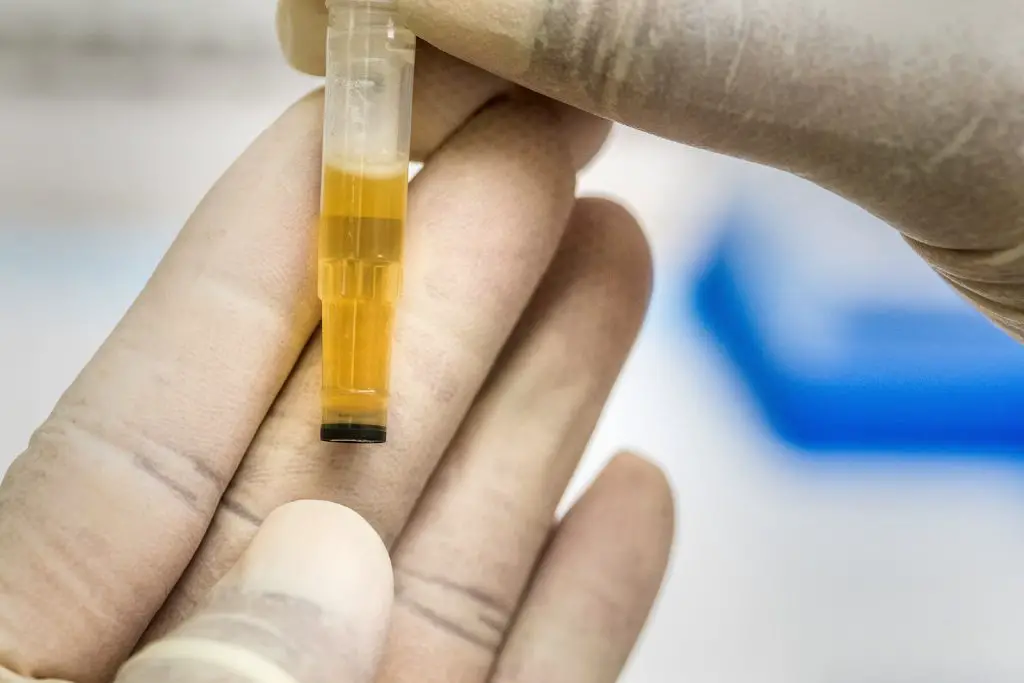
😕 Compared to blood and saliva, urine has very small amounts of DNA. ⏳ The rapid degradation of DNA in urine makes it difficult to test samples sourced from it. 🧬 The urinary system, including the kidneys, bladder, ureters, and urethra, contains cells that have nuclei and DNA. 🚫 For genetic testing, urine is not the preferred source; blood and saliva offer more reliable results. 🔬 However, urine can be utilized to identify genetic mutations or abnormalities associated with specific conditions such as chronic kidney disease (CKD). 🏥 Analyzing the genetic material present in urine can assist in enhancing the diagnosis and ongoing monitoring of diseases without the need for invasive procedures. ❌ For the purposes of identification, urine does not provide an adequate amount of DNA; samples from blood or saliva are preferable.
Urine contains minuscule amounts of DNA, but it is not nearly as much compared to the amount found in both blood and saliva. What’s more, due to its quick rate of deterioration, it becomes increasingly harder to extract reliable results when testing urine-sourced DNA samples.
Your urinary tract consists of your kidneys, bladder, ureters, and urethra. All these organs contain cells with nuclei that contain DNA. When waste products are filtered out of your blood by your kidneys and excreted in your urine, any cells present will also be released. So while it is true that there is likely some small amount of genetic material present in your urine sample—it does not necessarily mean it can be used for identification purposes or for forensic testing.
Why Is This Important?
The fact that urine contains cells with nuclei means that it can be tested for genetic mutations or abnormalities which could indicate certain diseases or disorders such as diabetes or cancer. For example, researchers have been able to detect changes in gene expression through analysis of urine samples from patients with chronic kidney disease (CKD). This could help improve diagnosis times as well as help doctors monitor their patient’s progress more closely over time without needing to take additional biopsies or other invasive tests.
Conclusion:
In conclusion, yes – there is indeed some amount of DNA present in human urine samples. Although it doesn’t necessarily contain enough information to be used for identification purposes or forensic investigation, understanding what kind of genetic material is present can help researchers better diagnose diseases and disorders faster than ever before. Knowing this information could drastically improve patient outcomes and quality of life so it’s definitely worth exploring further!
FAQ
Can you use urine for genetic testing?
No, due to the rapid rate of deterioration of DNA in urine, it is not recommended to use it as a source material for genetic testing. Instead, researchers have found that blood or saliva samples are more reliable sources. However, urine can still be used to detect genetic mutations or abnormalities which could indicate certain diseases or disorders.
What is DNA in urine used for?
Researchers have found that analyzing the genetic material present in urine can help diagnose certain diseases and disorders such as chronic kidney disease (CKD). It can also be used to monitor a patient’s progress over time without needing to take additional biopsies or other invasive tests.
Is there a lot of DNA in urine?
No, urine has minuscule amounts compared to blood and saliva samples. This is why it isn’t recommended for genetic testing but still has some diagnostic value when it comes to certain diseases or disorders.
Are urine samples reliable?
Urine samples are not as reliable as blood or saliva samples when it comes to genetic testing due to the rapid rate of deterioration of DNA in urine. However, researchers have been able to use them to detect certain diseases and disorders which makes them still useful for diagnostic purposes.
Can urine be used to identify someone?
No, due to the minuscule amount of DNA present in urine, it is not reliable enough for identification purposes. Blood or saliva samples are much more reliable for this purpose. However, understanding what kind of genetic material is present in urine can still help researchers better diagnose diseases and disorders.
Q: Is there DNA in urine?
A: Yes, urine does contain DNA.
Q: Can DNA extraction be performed on urine?
A: Yes, it is possible to extract DNA from urine.
Q: Is the DNA in urine the same as in blood or saliva?
A: The DNA in urine is similar to the DNA found in blood or saliva, but it may contain smaller fragments.
Q: Does the DNA in urine degrade quickly?
A: Yes, the DNA in urine can degrade more quickly than DNA in other sources, making it more difficult to detect.
Q: How much DNA can be extracted from urine?
A: The amount of DNA that can be extracted from urine is typically lower compared to blood or saliva, but it can still yield usable DNA.
Q: Can urine be used as a reference for DNA analysis?
A: While urine may contain DNA, it may not be the best reference source for DNA analysis due to the potential degradation and lower DNA yield.
Q: Can DNA from urine be used to detect diseases?
A: Yes, it is possible to detect certain diseases through DNA analysis of urine samples.
Q: Is the presence of epithelial cells in urine a clue for DNA detection?
A: Yes, the presence of higher epithelial cell counts in urine can be an indicator for potential DNA detection.
Q: What is the recommended storage temperature for urine samples for DNA analysis?
A: It is recommended to store urine samples for DNA analysis at a temperature of -80°C to prevent DNA degradation.
Q: How long can urine samples be stored for DNA analysis?
A: Urine samples can typically be stored for up to 28 days for DNA analysis.
Throughout his career, Andras Kovacs has developed a deep understanding of DNA and its applications in genealogy and genetic testing. He has helped thousands of individuals uncover their ancestral heritage, using cutting-edge DNA analysis to trace family lineages and reveal connections across generations.
💡 It’s indeed possible for a baby to have two biological fathers. This can happen through a process known as bipaternalism or heteropaternal superfecundation. This occurs when a woman releases two eggs in one menstrual cycle and has sexual relations with two different men, leading to twins who share the same mother but have different fathers. 💡 The idea that a baby can share genetic material with two fathers is supported by a phenomenon called “bipaternalism” or “heteropaternal superfecundation.” 💡 In bipaternalism, the unique occurrence of a woman ovulating twice in a single cycle and engaging in sexual activity with two separate partners can result in this rare event. 💡 Additionally, the use of male stem cells to create an egg opens up further possibilities for a child to be born with DNA from two different fathers. 💡 The process starts with primordial germ cells (PGCs), which are essential in the development of either sperm or eggs, highlighting a groundbreaking aspect of this concept. 💡 However, bipaternalism is not without its challenges, including the increased risk of sexually transmitted infections (STIs) from having multiple sexual partners in a short period. 💡 In cases of children born from bipaternal circumstances, legal support might be necessary to establish paternity rights in court. 💡 As such, those considering bipaternal options should undertake considerable planning and consultation with medical professionals to navigate the process safely and effectively.
It is conceivable that stem cells from a male could be used to develop an egg, thus making it possible for the child to have two biological fathers. The source of this revolutionary concept lies in primordial germ cells (PGCs). These special type of stem cells serve as the foundation for sperm or egg formation.
The concept of a baby having two biological fathers may seem far-fetched, but it is actually possible. This phenomenon is known as “bipaternalism” or “heteropaternal superfecundation”, and it occurs when a woman ovulates twice within the same menstrual cycle and has sexual intercourse with two different men during that time. Although rare, this can result in twins of two different fathers. Let’s take a closer look at how this unique situation works.
The Science Behind It All
Bipaternalism occurs when one egg is fertilized by sperm from each father within the same menstrual cycle. If both eggs are then implanted in the mother’s uterus, they have the potential to become fraternal twins due to their separate genetic makeups. This means that while they share the same mother, they will have different sets of paternal DNA which can be tested to determine paternity. In some cases, it can even lead to one twin being born with two sets of paternal DNA!
Risks Involved
Although bipaternalism is possible, there are certain risks involved for both parents and children. For example, if a woman has had sexual intercourse with multiple partners during the same month there is always a risk of sexually transmitted infections (STIs). Furthermore, women who have engaged in this behavior may require legal assistance to help them prove paternity in court if needed. For children born under these circumstances, they may face an increased risk for certain diseases due to their differing genetic makeups from each father.
Can two different men’s sperm fertilize one egg?
In the realm of reproductive biology, it is a scientifically established fact that the fertilization of one egg by two different men’s sperm, commonly known as heteropaternal superfecundation, can indeed occur.
This phenomenon has important genetic implications as it results in fraternal twins who are biologically half-siblings rather than full siblings. Each twin carries genetic material from a separate biological father, leading to variations in their inherited traits and potential health conditions.
From a legal perspective, heteropaternal superfecundation poses challenges when determining paternity and custody rights. It raises questions regarding parental responsibility and financial support for the children involved.
Ethical concerns also arise, particularly in cases where individuals may be unaware of this occurrence or may deliberately deceive others about the true biological origins of the children.
Further research is needed to fully understand the prevalence and consequences of heteropaternal superfecundation in human populations.
How to know the biological father of a child?
To determine the paternity of a child, various genetic testing methods can be employed, such as DNA analysis or blood typing. These tests are considered highly accurate and reliable in determining biological fatherhood.
Genetic Testing Methods:
DNA Analysis: This method compares the child’s DNA with that of the alleged father(s) to identify similarities and differences. It can establish paternity with an accuracy rate of 99% or higher.
Blood Typing: Although less commonly used nowadays, blood typing can still provide some indication of paternity by comparing the blood types of the child and potential fathers.
Legal Implications: Determining the biological father has significant legal implications. It helps establish parental rights and responsibilities, including custody, visitation rights, and financial support.
Genetic Testing Accuracy: The accuracy of modern genetic testing methods is well-established. However, it is crucial to ensure proper sample collection and processing to obtain reliable results. Consulting a professional in this field ensures accurate interpretation of test results for legal purposes.
Overall, utilizing genetic testing methods enables a scientifically sound approach towards determining paternity while considering its legal implications accurately.
Can a child have more than two biological parents?
Multiple individuals can contribute genetically to the creation of a child, expanding the potential pool of biological parents beyond the traditional concept of two. In some cases, multiple paternity situations arise, where a child can have more than two biological fathers. This phenomenon occurs when a woman releases multiple eggs during ovulation and each egg is fertilized by sperm from different men. Although rare, these occurrences challenge the conventional notion of parenthood and raise legal implications regarding parental rights and responsibilities.
Determining parental rights in complex family structures involving multiple biological parents can be challenging. Legal frameworks differ across jurisdictions, making it difficult to establish clear guidelines for such cases. The involvement of multiple biological fathers adds complexity to issues like custody arrangements, financial support obligations, and inheritance rights. Courts often face difficulties in determining the best interests of the child while balancing the rights of each biological parent involved.
The following table provides an overview of the legal implications associated with having more than two biological parents:
Challenges
Legal Implications
Custody
Determining shared custody
Support
Establishing financial support obligations
Inheritance
Distribution of assets
In conclusion, while it is possible for a child to have more than two biological parents in certain circumstances, there are significant challenges in determining parental rights within complex family structures. Legal systems must adapt to these evolving scenarios to ensure fairness and protect the best interests of children involved.
Can a baby have DNA from two mothers?
An intriguing possibility arises when a child possesses genetic material from two mothers, challenging traditional notions of biological inheritance and sparking discussions on the potential for diverse family structures.
This can occur through a process known as mitochondrial replacement therapy (MRT). MRT involves transferring the nucleus of an embryo created through in vitro fertilization (IVF) into a donor egg that has had its nucleus removed but retains its mitochondrial DNA.
This technique allows two women to contribute genetically to their child, with one providing nuclear DNA and the other contributing mitochondrial DNA.
However, legal implications surrounding multiple biological parents vary across jurisdictions and may require redefining existing laws. Ethical considerations also arise concerning issues such as parental rights and responsibilities, kinship ties, and potential psychological effects on the child.
Further research is needed to explore these complex matters fully.
Can a woman get pregnant by two different guys at the same time?
Conception involving multiple male partners simultaneously is a rare occurrence that has been documented in scientific literature, raising questions about the possibility of superfecundation in human reproduction. While it is extremely uncommon, there have been documented cases of multiple paternity where a woman gets pregnant by two different men at the same time. This can happen when a woman releases multiple eggs during ovulation and has sexual intercourse with different partners within a short period of time.
The legal implications of such cases can be complex and vary depending on jurisdiction. In some places, the law may recognize both men as legal fathers and assign them parental responsibilities and rights accordingly. However, determining parental rights and obligations can be challenging in these situations.
Ethical considerations also arise when dealing with cases of multiple fathers. Questions may arise regarding custody arrangements, child support responsibilities, and potential emotional impact on all parties involved.
In conclusion, while rare, instances of women becoming pregnant by two different men at the same time have been reported in scientific literature. Such cases raise important legal and ethical considerations regarding parental rights and responsibilities for each biological father involved.
Can a baby have two DNA?
The occurrence of multiple genetic contributions in a single individual’s DNA composition has been observed and studied in scientific research. This phenomenon challenges the traditional understanding of genetics, which assumes that one baby can only have one set of DNA from its biological parents.
However, recent advancements in genetic testing have revealed cases where a baby can indeed possess two different sets of DNA, each originating from separate biological fathers. This raises important questions regarding the advantages and limitations of genetic testing techniques used to identify multiple biological fathers.
Furthermore, the legal and ethical implications associated with such cases must be carefully considered, as they involve complex issues related to paternity rights and responsibilities.
Additionally, exploring the concept of chimerism may provide insights into how multiple DNA compositions can exist within a single individual and contribute to our understanding of this intriguing phenomenon.
Conclusion
In conclusion, the possibility of a baby having two biological fathers is highly unlikely. While it is technically possible for two different men’s sperm to fertilize one egg through a rare phenomenon called superfecundation, the chances of this occurring are extremely low.
Determining the biological father of a child can be done through various methods such as DNA testing. However, it is not possible for a child to have more than two biological parents or DNA from two mothers.
The idea that a woman can get pregnant by two different guys at the same time is also biologically implausible.
Yes, if proper precautions are taken and the risks are understood, it is possible to safely engage in bipaternalism. It is important that both partners consult a doctor about the potential risks involved before proceeding and must be aware of the legal implications if paternity is disputed in court. With careful planning and preparation however, bipaternialism can be safe and successful for all parties involved – providing expecting couples with an exciting new way to start their families!
Q: What is heteropaternal superfecundation?
A: Heteropaternal superfecundation occurs when a woman releases multiple eggs during her menstrual cycle, and each egg is fertilized by sperm cells from two different fathers.
Q: Are twins with different fathers considered identical twins?
A: No, twins with different fathers are not considered identical twins. They are called dizygotic twins or fraternal twins because they come from two separate eggs fertilized by two different sperm cells.
Q: How is the paternity of twins with different fathers determined?
A: The paternity of twins with different fathers can be determined through a paternity test. This test compares the DNA of the babies and the potential fathers to determine if they share genetic traits.
Q: Is it common for twins to have different fathers?
A: No, it is extremely rare for twins to have different fathers. It is estimated that less than 1% of twin pregnancies end with heteropaternal superfecundation.
Q: Can twins with different fathers be considered half-siblings?
A: Yes, twins with different fathers can be considered half-siblings because they share one biological parent. Each twin has a different father, but they still share the same mother.
Q: How does fertilization of two eggs by two sperm occur?
A: During heteropaternal superfecundation, two eggs are released by the woman’s ovaries and are fertilized by two separate sperm cells. This results in fraternal twins with different fathers.
Q: Is there any documented case report of heteropaternal superfecundation?
A: Yes, there have been documented case reports of twins with different fathers. These cases are extremely rare, but they serve as proof that heteropaternal superfecundation is possible.
Q: How does heteropaternal superfecundation occur?
A: Heteropaternal superfecundation occurs when a woman’s menstrual cycle releases multiple eggs, and each egg is fertilized by sperm cells from two different fathers. It requires the fertilization of two separate eggs by two separate sperm cells.
Q: Can a twin have two biological fathers?
A: Yes, it is possible for a twin to have two biological fathers in cases of heteropaternal superfecundation. Each twin is conceived from a separate egg fertilized by a different sperm cell.
Throughout his career, Andras Kovacs has developed a deep understanding of DNA and its applications in genealogy and genetic testing. He has helped thousands of individuals uncover their ancestral heritage, using cutting-edge DNA analysis to trace family lineages and reveal connections across generations.
🧬 Sperm cells can be detected within the female reproductive system for as long as a week. 🔬 Researchers are investigating methods to prolong the life span of sperm cells, which could play a pivotal role in DNA analysis for sexual assault investigations. 💪 Sperm cells possess remarkable resilience, capable of surviving up to five days within a woman’s reproductive system. 🕰️ Several factors, including the woman’s age, body fluids, hormonal balance, pregnancy, breastfeeding status, sexually transmitted infections (STIs), and medication use, can affect how long sperm DNA is retained. ❓ The exact duration that sperm DNA remains in the system varies due to multiple factors, yet evidence suggests that in most cases, healthy adult women may retain traces of male DNA for up to five days following sexual intercourse. 🤔 Ongoing studies aim to understand the implications of prolonged retention of sperm DNA and its possible association with various health conditions. 🛡️ Although there’s no guaranteed approach to ensure the preservation of male DNA, ongoing scientific efforts seek to find ways to extend the survival of sperm cells within the female reproductive environment. 👄 While oral sex does not have a direct influence on the lifespan of sperm cells, it’s crucial to acknowledge that STIs contracted via oral sex may indirectly affect the viability of sperm DNA.
It is already established that sperm cells can be observed in the female reproductive tract for a week. Scientists are now exploring ways to extend this period, as it could prove pivotal in unlocking key information from sexual assault cases through DNA profiling.
Sperm cells are extremely resilient and can survive for up to five days inside a woman’s reproductive tract following intercourse. During this time, the sperm cells swim toward the egg and attempt to fertilize it. While not all sperm cells will reach their destination, those that do will remain in the female body until her next menstrual cycle begins.
The age of the female also plays an important role in determining how long sperm DNA can last inside her body. Studies have found that younger women tend to retain more sperm DNA than older women due to differences in bodily fluids and hormones. Additionally, women who are pregnant or breastfeeding could see longer retention times as these hormones act as a form of protection against foreign substances such as sperm cells.
Other factors such as sexually transmitted infections (STIs) or medications taken by either partner can also affect how long sperm DNA stays in a woman’s body. STI symptoms vary greatly depending on the type of infection, but they often increase inflammation and make it harder for sperm cells to survive inside a woman’s body. Medications such as antibiotics or anti-fungal drugs can decrease fertility and reduce the amount of time that sperm cells are able to survive in a woman’s reproductive tract.
Conclusion:
To sum up, there is no definitive answer as to how long does sperm DNA stay in your body because it depends on many different factors including age, lifestyle choices, existing health conditions and medications taken by either partner. However, studies suggest that most healthy adult women retain at least some amount of male genetic material for up to five days after sexual intercourse – so if you were wondering if there was still any trace of your partner’s genetic information left over from last night’s activities, now you know!
FAQ
Q: What is the role of DNA in sperm?
A: DNA in sperm carries the genetic information necessary for fertilization and the creation of a new individual. It contains the genetic material that determines various traits and characteristics.
Q: How is sperm DNA protected inside the female body?
A: Sperm DNA is protected inside the female body by the cervical mucus and other barriers in the reproductive tract. These barriers help to create an environment that supports the survival of sperm.
Q: Can forensic sciences examine sperm DNA?
A: Yes, forensic sciences can examine sperm DNA to provide valuable evidence in criminal investigations. Sperm samples collected from the crime scene or the victim can be analyzed in a laboratory to identify the presence of male DNA.
Q: How long does it take to collect a sample for forensic analysis?
A: The length of time to collect a sample for forensic analysis can vary depending on the circumstances. It is important to collect the sample as soon as possible after the incident to preserve the DNA and ensure accurate results.
Q: What does the National Institute of Forensic Biology aim to do?
A: The National Institute of Forensic Biology aims to provide high-quality laboratory analysis of forensic samples, including DNA analysis of body fluids such as semen, to support criminal investigations.
Q: Can sperm DNA be found under fingernails?
A: Yes, if there has been physical contact, it is possible to find sperm DNA under fingernails. Investigators may collect samples from the fingernails for further analysis in forensic investigations.
Q: How long does it take for sperm DNA to dry?
A: The drying time for sperm DNA can vary depending on the environmental conditions. In general, it is recommended to collect and preserve the samples as soon as possible to maintain the integrity of the DNA.
Q: What is the timeframe for collecting evidence in cases of potential rape?
A: The timeframe for collecting evidence in cases of potential rape is crucial. It is recommended to seek medical attention and have a rape kit examination conducted within 72 hours of the incident to maximize the chances of collecting viable evidence.
Q: Is it possible to collect sperm DNA through a kiss?
A: While it is theoretically possible for sperm DNA to be transferred through a kiss, the likelihood is extremely low. Sperm would typically need direct access to the female reproductive tract to have any potential for fertilization.
How long does sperm DNA stay in your body?
Most healthy adult women retain at least some amount of male genetic material for up to five days after sexual intercourse. Factors such as age, lifestyle choices, existing health conditions and medications taken by either partner can affect this number.
What factors determine how long sperm DNA can last?
Age, lifestyle choices, existing health conditions and medications taken by either partner all play a role in determining how long sperm cells are able to remain viable inside a woman’s body. Additionally, STI symptoms and other bodily changes caused by pregnancy or breastfeeding can also affect the longevity of male genetic material.
Can sperm DNA be detected after five days?
While there is still much to be studied about the longevity of sperm cells in a woman’s body, it is believed that any trace of male genetic material left over from sexual intercourse will dissipate within five days. However, more research needs to be done before this can be confirmed.
Is there any way to extend the lifespan of sperm DNA?
Scientists are currently exploring ways to extend the period in which sperm cells remain viable inside the female body, as this could prove pivotal in unlocking key information from sexual assault cases through DNA profiling. However, at this time there is no surefire method for guaranteeing the longevity of male genetic material.
Are there any risks to long-term retention of sperm DNA?
Although there is still much to learn about the effects of prolonged exposure to male genetic material, research suggests that it could be linked to an increased risk of certain medical conditions such as endometriosis and pelvic inflammatory disease. It is advised to seek medical advice if you experience any concerning symptoms in the days or weeks following sexual intercourse.
Does oral sex affect how long sperm DNA stays in your body?
Oral sex does not directly influence the amount of time that sperm cells remain viable in a woman’s body. However, it is important to note that STIs can be transmitted through oral sex and may have an indirect impact on the lifespan of male genetic material.
Throughout his career, Andras Kovacs has developed a deep understanding of DNA and its applications in genealogy and genetic testing. He has helped thousands of individuals uncover their ancestral heritage, using cutting-edge DNA analysis to trace family lineages and reveal connections across generations.
😊 By comparing the genetic material of both the father and the child, DNA tests can confirm paternity. 😕 Even without the mother’s genetic material, accurate paternity results can be obtained by examining Y-chromosome markers that are transmitted from fathers to their sons. 🤔 Nonetheless, including DNA samples from both parents provides additional data points, enhancing the test’s precision and minimizing the chance of false positives. 💡 Due to the complexity of the algorithms used in genetic testing, there’s always a small risk of errors, underscoring the importance of reviewing test results with a healthcare professional before making significant decisions. 🧬 Although no paternity test offers 100% certainty, the accuracy can be significantly improved by analyzing a larger number of genetic markers and testing both parents. 💁🏻♀️ Consulting with a healthcare provider is advisable when deciding between a comprehensive paternity test and an analysis focused on Y-chromosome markers. 🤝 Discussing the most suitable testing method with a doctor is critical, especially if the mother’s sample is not included, to explore other viable options before conducting the test.
How Does A DNA Test Work?
Most people are familiar with the concept of using a DNA test to determine paternity. In this type of testing, a sample from both the possible father and child is taken and analyzed for any similarities in their genetic material. If there are enough similarities present, then it is likely that the man tested is indeed the father of the child in question.
But what happens when there is no sample from one parent—say, if only the father was tested and not the mother? Can these tests still be accurate? The answer is yes—but with some caveats.
In cases where one parent cannot be tested (for whatever reason), you can still get an accurate result by looking at markers on the Y-chromosome passed down exclusively from fathers to their male offspring—which means that only males can use this method for paternity testing. While this approach does work for determining paternity, it does not provide as much data as a full test involving both parents. This means that while you may still get an accurate result without testing both parents, it will not be as reliable or comprehensive as if you had tested both parents’ DNA samples.
Another issue to consider when it comes to paternity testing without including both parents’ samples is false positives. While most modern laboratories employ stringent quality control measures to minimize errors, mistakes do happen occasionally—especially when complex algorithms are involved (as they are in genetic testing). As such, even if your test results show that there is a high probability that a certain man is indeed your biological father, you should always make sure to discuss these results with your doctor before making any major decisions based on them.
In conclusion, it is possible to get an accurate result from a DNA test even if one parent’s sample isn’t included; however, having both mother and father’s samples provides more data points which can help ensure accuracy and reduce false positives. Ultimately though, whether you choose to do a full paternal test or just analyze markers on the Y-chromosome passed down exclusively from fathers to their male offspring should be up to you and your doctor. It’s important to remember that regardless of which type of test you decide on doing, always discuss any major decisions based on results with your doctor before proceeding further!
FAQ
Can a DNA test be wrong if the mother is not tested?
It is possible to get an accurate result from a DNA test even if one parent’s sample isn’t included; however, having both mother and father’s samples provides more data points which can help ensure accuracy and reduce false positives. Ultimately though, whether you choose to do a full paternal test or just analyze markers on the Y-chromosome passed down exclusively from fathers to their male offspring should be up to you and your doctor. It’s important to remember that regardless of which type of test you decide on doing, always discuss any major decisions based on results with your doctor before proceeding further!
Be sure to talk to your doctor about which type of testing is best for you. And if you choose to proceed with a test that does not include the mother’s sample, make sure to discuss any results with your doctor before making any major decisions.
What happens if there are false positives in the test results?
While most modern laboratories employ stringent quality control measures to minimize errors, mistakes do happen occasionally—especially when complex algorithms are involved (as they are in genetic testing). As such, even if your test results show that there is a high probability that a certain man is indeed your biological father, you should always make sure to discuss these results with your doctor before making any major decisions based on them. Be sure to get a second opinion if you are unsure of the results or feel something doesn’t seem quite right. It’s better to be safe than sorry when it comes to something as important as paternity testing.
Is it possible to do a DNA test without involving both parents?
Yes, it is possible to do a paternity test even if the mother’s sample isn’t included. In such instances, only markers on the Y-chromosome passed down exclusively from fathers to their male offspring are tested. While this type of testing can still yield accurate results, it may leave some factors undetermined. As such, most labs will recommend having both parents participate in the test if possible. If for any reason one parent is unable to provide a sample, be sure to discuss other options with your doctor before proceeding with the test.
Is it possible for a DNA test to be 100% accurate?
While modern technologies have made it much easier to get an accurate result from a DNA test, it’s important to remember that genetics is a complex science and mistakes do happen occasionally. As such, no paternity test can guarantee 100% accuracy. However, the accuracy of paternity tests can be increased by analyzing more genetic markers and having samples from both mother and father. Be sure to discuss any results with your doctor before making any major decisions based on them.
Q: Can a DNA test be wrong if the mother is not tested?
A: Yes, a DNA test can be wrong if the mother is not tested. When the mother is not available for testing, it becomes more challenging to establish the biological relationship between the alleged father and the child. The absence of the mother’s DNA can affect the accuracy of the test results, as the DNA test relies on comparing the DNA of the alleged father and the child with shared DNA markers. If the mother’s DNA is not included in the test, it may lead to inconclusive or inaccurate results. Testing the mother helps in improving the accuracy of the paternity test by eliminating her genetic contribution to the child’s DNA.
Q: What is a DNA paternity test?
A: A DNA paternity test is a procedure used to determine the biological relationship between an alleged father and a child. It involves comparing the DNA profiles of the alleged father and the child to see if they share genetic markers. The test uses a sample of DNA obtained from a simple swab of the cheek or saliva. DNA paternity tests are highly accurate and can provide conclusive results with a high degree of certainty.
Q: Can a paternity test be wrong?
A: While DNA paternity tests are highly accurate, there is still a small possibility of a paternity test being wrong. The accuracy of the test depends on various factors, including the quality of the sample collected, the testing process, and the testing facility’s proficiency. However, if the test is conducted correctly and by a reputable testing facility, the chances of the test being wrong are extremely low.
Q: What can cause a paternity test to be wrong?
A: Several factors can potentially affect the accuracy of a paternity test and cause it to be wrong. These factors include human error during the testing process, tampering or contamination of the DNA sample, testing samples with insufficient DNA quantity or low quality, mislabeling of the samples, or mix-ups in the testing process. It is important to choose a reliable and accredited testing facility to minimize the chances of inaccurate results.
Q: Can home DNA tests give inaccurate results?
A: Home DNA tests have improved in accuracy over the years, but there is still a small possibility of inaccurate results. The accuracy of a home DNA test depends on various factors, such as the quality of the DNA samples collected and the testing process used by the specific kit. It is crucial to carefully follow the instructions provided with the home DNA test kit and consider confirming the results with a legally admissible lab if the test outcome is of significant importance.
Q: What is paternity fraud?
A: Paternity fraud refers to a situation where a person, usually the mother, deliberately misrepresents or hides the true identity of the biological father of a child. This can lead to an alleged father being falsely identified as the biological father and may have legal and emotional consequences. DNA paternity tests are essential in uncovering instances of paternity fraud and establishing the true biological relationship between the alleged father and the child.
Q: How long does it take to get paternity test results?
A: The turnaround time for paternity test results depends on the testing facility. Generally, it takes around 3-7 working days after the testing laboratory receives the samples to provide results. Some facilities may offer expedited processing for an additional fee. It is advisable to check with the specific lab for their estimated turnaround time.
Q: Can you do a paternity test without the alleged father’s knowledge?
A: It is unlikely to perform a paternity test without the alleged father’s knowledge. In most cases, the consent of the alleged father is required to collect a sample for testing, either through a cheek swab or other acceptable means. Additionally, it is important to note that performing a paternity test without the proper consent may have legal implications and is not recommended.
Q: What happens if the paternity test results are not what you expected?
A: If the paternity test results are not what you expected or if you have doubts about their accuracy, several options are available. You may consider seeking a second test from a different testing facility to confirm the results. It is also advisable to consult with a legal professional who specializes in family law to understand your rights and legal options based on the test results.
Q: Can a DNA test prove the biological father of a child?
A: Yes, a DNA test can determine the biological father of a child with a high degree of accuracy. By comparing the DNA profiles of the alleged father and the child, experts can identify genetic markers that are shared between them. If the test shows a significant number of matching markers, it provides strong evidence to confirm the biological relationship between the alleged father and the child.
Throughout his career, Andras Kovacs has developed a deep understanding of DNA and its applications in genealogy and genetic testing. He has helped thousands of individuals uncover their ancestral heritage, using cutting-edge DNA analysis to trace family lineages and reveal connections across generations.
🧬 Despite common misconceptions, there’s no concrete scientific proof to back the claim that firstborn daughters always look like their fathers. 🧬 However, research conducted by Dr. Christoph Korn at Saarland University in Germany indicates there is evidence supporting the idea that firstborn daughters may share a resemblance with their fathers. In his study, participants were more successful in matching pictures of children to their fathers, particularly in the case of firstborn daughters. 🧬 A hypothesis by researchers suggests that the reason for this resemblance might be tied to evolutionary biology, where fathers instinctively form closer connections with their daughters. This is thought to be an effort to ensure the continuation of their genetic lineage, leading fathers to invest more care and attention in their daughters. Consequently, daughters might inherit noticeable physical attributes from their fathers, such as the structure of their face, the shape of their nose, and even certain behaviors or gestures. 🧬 Pinpointing whether this similarity is due to biological reasons or simply perception is challenging for scientists. The influence of growing up closely with parents or family members and mirroring their traits over time can’t be overlooked. 🧬 While the discussion regarding firstborn daughters bearing a likeness to their fathers remains unresolved, the unique and profound bond shared between fathers and daughters is undeniable and deeply cherished.
Contrary to popular belief, there is no scientific evidence that suggests all firstborn daughters necessarily resemble their fathers.
The Science Behind Daddies & Daughters
According to scientists, there is indeed evidence to suggest that firstborn daughters tend to resemble their fathers. In a study conducted by Dr. Christoph Korn of Saarland University in Germany, participants were asked to match photographs of children with their parents—and surprisingly enough, they were able to do so more accurately when it came to fathers and their firstborn daughters. This suggests that there may be something more than coincidence at play here.
Why do first-born daughters look like fathers?
The resemblance between first-born daughters and their fathers has been observed and researched, prompting the question of why this phenomenon occurs.
One possible explanation for the similarity in appearance between a first born daughter and her father is genetic inheritance. Genes are units of heredity that determine an individual’s physical traits, including facial features. When a child inherits certain genes from their father, it can result in a resemblance between them.
Furthermore, the bond between a father and his daughter may also play a role in shaping their physical similarities. Research suggests that fathers tend to spend more time with their first-born daughters compared to other children, leading to increased bonding opportunities. This deep connection could influence certain facial expressions and mannerisms shared by both father and daughter, contributing to their similar appearance.
Overall, genetic inheritance combined with the father-daughter bond may explain why first-born daughters often resemble their fathers in terms of appearance.
First born daughter’s personality
One potential area of interest is the role that paternal influence may have on the personality traits exhibited by first-born daughters. The nature vs. nurture debate suggests that both genetic and environmental factors contribute to an individual’s personality. In the case of first-born daughters, their unique position in the birth order may play a role in shaping their personality. Research has shown that first-born children often exhibit traits such as conscientiousness, leadership qualities, and assertiveness. These traits could be influenced by both genetic factors inherited from their fathers and environmental factors within the family dynamic. Additionally, studies have found correlations between specific genes and certain personality traits, further highlighting the impact of genetics on personality development. Overall, it appears that a combination of nature (genetics) and nurture (environmental influences) contributes to the personality exhibited by first-born daughters.
Personality Trait
Potential Genetic Influence
Environmental Influence
Conscientiousness
Yes
Parental expectations
Leadership
Yes
Sibling competition
Assertiveness
Yes
Parent-child dynamics
Why do sons look like their mothers and daughters look like their fathers?
Paternal resemblances are often observed in sons, while daughters frequently exhibit physical similarities to their fathers. This phenomenon can be attributed to a combination of nature and nurture factors.
Genetic inheritance: Children inherit half of their genetic material from each parent, making them more likely to resemble both parents to some extent. However, specific genes responsible for certain physical traits may be more dominant in one parent than the other.
Nature vs. nurture: While genetics play a significant role, environmental factors also contribute to a child’s physical appearance. For example, parental bonding and shared experiences can shape facial expressions and body language over time.
Parental bonding: Research suggests that children who have strong emotional bonds with their fathers may unconsciously mimic their facial expressions and gestures, leading to greater physical resemblance.
In conclusion, the resemblance between daughters and fathers is influenced by a complex interplay of genetic inheritance, environmental factors, and parental bonding.
Does the firstborn son look like his mom?
When examining the physical resemblance between a firstborn son and his mother, it is evident that certain genetic traits are more pronounced in the child. Studies have shown that firstborn sons often share facial features, body structure, and even mannerisms with their mothers. This can be attributed to the transmission of genetic material from parent to child.
However, it is important to note that while there may be similarities between firstborn sons and their mothers in terms of appearance, this does not necessarily imply a direct correlation with behavior or personality traits. The impact of a firstborn son’s appearance on family dynamics can vary depending on cultural beliefs and societal expectations.
It is crucial to approach these observations with caution and recognize that individual experiences may differ greatly.
Does the first-born look like the father?
The physical resemblance between fathers and their first-born children has been a subject of inquiry, revealing discernible genetic traits that are often shared.
When examining the first born daughter’s genetic traits, it becomes evident that similarities between fathers and first born daughters do exist. Factors influencing this resemblance include the inheritance of specific genes from the father, such as those responsible for facial features or body structure. Additionally, environmental factors can also play a role in shaping physical appearance.
For example, if the father and daughter have similar dietary habits or engage in similar physical activities, this could further contribute to their likeness. It is important to note that while these resemblances may be present, they should not be regarded as absolute indicators but rather as potential indications of shared genetic heritage.
Do older daughters look like their fathers?
Older daughters often exhibit physical resemblances to their fathers, reflecting shared genetic traits and environmental influences. Research has shown that children tend to inherit physical characteristics from both parents, with some traits being more dominant than others. In the case of older daughters, it is not uncommon for them to share similar facial features, body structure, or even hair color with their fathers. This resemblance can be attributed to the passing down of specific genes from father to daughter. Additionally, environmental factors such as diet and lifestyle may also contribute to similarities in appearance between fathers and older daughters. However, it is important to note that every individual is unique and may not necessarily resemble their father or any other family member entirely.
Physical Resemblance
Explanation
Facial Features
Older daughters may inherit certain facial features such as eye shape, nose structure, or jawline from their fathers.
Body Structure
Shared genetic traits can influence body build and proportions in older daughters resembling those of their fathers.
Hair Color
The inheritance of hair color genes can result in older daughters having similar hair colors as their fathers.
Overall, while older daughters may bear some resemblance to their fathers in terms of appearance due to genetics and environmental factors; each individual is unique and will have a combination of traits inherited from both parents.
Conclusion
First-born daughters often resemble their fathers in terms of physical appearance. This phenomenon is known as paternal resemblance. It has been suggested that this resemblance may serve an evolutionary purpose, as it enhances the father’s confidence and investment in his offspring.
Additionally, research has shown that first-born daughters tend to have similar personality traits as their fathers. However, it is important to note that not all first-born daughters will resemble their fathers, as genetic factors also play a significant role in determining physical traits.
In conclusion, while there is evidence supporting the notion that first-born daughters look like their fathers, further research is needed to fully understand the underlying mechanisms behind this phenomenon without personal bias or assumptions.
FAQ:
Q: Are babies more likely to resemble their fathers?
A: Yes, it is a common belief that babies resemble their fathers, particularly in the early stages of life.
Q: Does a first born daughter often look like her dad?
A: It is possible for a first born daughter to look like her dad, as genetics play a significant role in determining physical traits.
Q: Are first born daughters the female version of their dad?
A: While it is not accurate to say that first born daughters are the exact female version of their dad, they may share physical similarities.
Q: Is there any scientific evidence to support the claim that babies resemble their fathers?
A: Yes, according to an article published in Scientific American, there is research suggesting that infants often look more like their fathers, especially in families where the father is actively involved in parenting.
Q: Do all babies actually look more like their fathers?
A: Not all babies look more like their fathers. Each child inherits a unique combination of genes from both parents, so the resemblance can vary.
Q: Do babies resemble their fathers more than their mothers?
A: While it’s commonly believed that babies resemble their fathers more, it is not always the case. Some babies may take after their mothers in terms of physical appearance.
Q: Can a first baby look more like their dad?
A: Yes, the appearance of a first baby can often resemble that of their dad. However, there are also instances where the baby takes after the mother or has a mix of both parents’ features.
Q: Is it true that children tend to look more like their fathers?
A: It is a possibility that children may look more like their fathers, as they share half of their genetic makeup. However, this can vary from child to child and family to family.
Q: Are paternity tests the only way to determine if a child is the female version of her dad?
A: Paternity tests can accurately determine biological relationships, but physical resemblance alone is not sufficient proof that a child is the female version of her dad.
Do first born sons look like their fathers?
While there is some evidence to suggest that firstborn daughters tend to resemble their fathers, the same cannot necessarily be said for firstborn sons. Ultimately, it’s difficult to know whether this is due to a hereditary factor or something else entirely.
Is the father-daughter bond unique?
Yes, it is! Fathers often feel an especially strong bond with their female offspring; even if they don’t necessarily share identical physical features or gestures, they often share a unique connection that can only be explained by love. Ultimately, it’s clear that father-daughter relationships are truly special!
What is the evolutionary purpose of fathers bonding with their daughters?
According to scientists, one theory proposed for why firstborn daughters tend to resemble their fathers is that fathers are more likely to bond with their daughters due to evolutionary biology. Fathers want to ensure that their genes are passed down through generations, so they tend to pay extra attention and provide extra care for their female offspring. As a result, girls end up taking on some of the physical features of their fathers—including facial structure and nose shape—as well as mannerisms or gestures.
Is there any scientific evidence to support the idea that firstborn daughters look like their fathers?
Yes. In a study conducted by Dr. Christoph Korn of Saarland University in Germany, participants were asked to match photographs of children with their parents—and surprisingly enough, they were able to do so more accurately when it came to fathers and their firstborn daughters. This suggests that there may be more than just coincidence at play here.
Are there any other factors that could explain why firstborn daughters look like their fathers?
It’s possible that, as we grow up in close proximity with our parents (or other family members), we naturally develop similar traits—both physically and behaviorally—over time. Ultimately, it’s difficult for researchers to definitively say whether or not this phenomenon is rooted in biological factors or if it’s simply a matter of perception.
What happens if the father passes away before his daughter is born?
Unfortunately, it is impossible for fathers to pass on physical traits to their daughters if they are not present at the time of birth. However, the bond between fathers and daughters can still remain strong even after death—whether through memories or stories shared by family members.
Throughout his career, Andras Kovacs has developed a deep understanding of DNA and its applications in genealogy and genetic testing. He has helped thousands of individuals uncover their ancestral heritage, using cutting-edge DNA analysis to trace family lineages and reveal connections across generations.
To obtain hair samples for DNA testing, it is essential that the samples are extracted directly from the root by either laboratory staff, law enforcement agents, or a forensic expert. Merely cutting the hair won’t be adequate. Therefore, it’s imperative that the individual tasked with this collection is well-versed in the proper methodologies for gathering these types of samples and comprehends the significance of correct collection methods in DNA analysis.
What Is A DNA Test?
A DNA test is a scientific procedure that examines the unique genetic makeup of an individual. It can be used in many different areas such as ancestry research, forensics, paternity testing, health screening, and more. Because everyone has a unique set of genes, the results from a DNA test can help identify relationships between individuals or verify certain traits or characteristics.
How Does A Hair-Based DNA Test Work?
For the most part, hair-based tests work in much the same way as other forms of DNA testing. The main difference is that instead of using saliva or blood samples for testing, hair samples are used instead. To collect your sample, all you have to do is pluck out some hairs from your head or body (if they are still attached to the follicle). The hairs should then be placed into an airtight container and sent off for analysis in a lab.
The lab technicians will then extract the cells from your hair sample and look at their genetic makeup through specialized procedures such as polymerase chain reaction (PCR) and restriction fragment length polymorphism (RFLP). Once they have identified certain markers within your genetics, they can compare them against those found in other samples for comparison purposes. This process helps them determine not only who you are related to but also provides insights into things like inherited conditions and family history.
Conclusion:
Whether you’re interested in conducting paternity tests or researching your ancestry, there are plenty of reasons why you may want to consider doing a DNA test with hair. By looking at your unique genetic makeup through specialized laboratory procedures like PCR or RFLP analysis, labs can provide valuable insights about who you are related to as well as any inherited conditions or family history that may be present in your genes. With how easy it is to collect your own sample and send it off for testing, there’s no reason not to give it try!
FAQ
How accurate is a hair-based DNA test?
Hair-based DNA tests are highly accurate, provided the sample has been collected and handled properly. By using laboratory techniques such as PCR or RFLP analysis, labs can accurately identify any markers present in the sample and compare them against other samples for comparison.
Can you do a DNA test with hair from any part of the body?
Yes, you can use hairs from any part of your body as long as they are still attached to the follicle. However, it is best to collect samples from the head or chest area for maximum accuracy.
Is it safe to do a hair-based DNA test?
Yes, collecting a hair sample for DNA analysis is perfectly safe. There is no risk of contamination or any other safety concerns associated with the collection process. Additionally, all laboratories must adhere to strict guidelines and regulations when it comes to handling samples in order to ensure accurate results.
How long does it take to receive the results from a hair-based DNA test?
It depends on the lab, but generally you should expect to receive your results within 2-4 weeks after submitting your sample. This timeframe can vary depending on factors such as how busy the lab is or how thorough their testing procedures are.
How much does a hair-based DNA test cost?
The cost of a hair-based DNA test can vary depending on the lab and what type of analysis they are performing. Generally, you should expect to pay anywhere from $100-$200 for a basic test, with more complex tests costing up to several thousand dollars. Prices can also vary depending on the turnaround time you need for your results and any additional services that may be included in the package.
What happens if the results of a hair-based DNA test are inconclusive?
In some cases, a DNA test may not yield conclusive results due to factors such as poor sample quality or contamination. If this is the case, the lab can either retest your sample or recommend additional tests that may help provide more clarity. Additionally, some labs may offer additional services such as genetic counseling to help you better understand your results.
Are hair-based DNA tests only for paternity testing?
Hair-based DNA tests can be used for a variety of purposes, from determining paternity to finding out more about your ancestry and family history. Labs can also use the results of a hair-based DNA test to look for inherited conditions or diseases that may be present in your genes.
Q: Can you do a DNA test with hair?
A: Yes, it is possible to do a DNA test with hair.
Q: How does a hair DNA test work?
A: A hair DNA test works by analyzing the DNA present in the hair follicle.
Q: What is a hair follicle?
A: A hair follicle is the part of the skin from which a hair grows. It contains the DNA that can be used for testing.
Q: What is a DNA sample?
A: A DNA sample is a biological material, such as a hair follicle or a cheek swab, that contains the individual’s DNA.
Q: Do I need to collect the hair sample myself?
A: You can collect the hair sample yourself using a sample collection kit, or you can go to a professional who will collect it for you.
Q: Is a hair DNA test legally admissible?
A: Yes, a hair DNA test can be legally admissible if the proper chain of custody is maintained throughout the testing process.
Q: How accurate is a hair DNA test?
A: Hair DNA testing can be highly accurate, with a success rate of over 99% for paternity testing.
Q: Can a hair DNA test determine paternity?
A: Yes, a hair DNA test can determine paternity by comparing the DNA of the alleged father with the DNA from the hair sample.
Q: Can moisture affect the viability of the hair sample?
A: Yes, moisture can affect the viability of the hair sample. It is important to ensure that the sample is collected and stored properly.
Q: Can I use hair strands instead of follicles for a DNA test?
A: No, hair strands alone are not sufficient for a DNA test. The follicles must have a root for accurate analysis.
Throughout his career, Andras Kovacs has developed a deep understanding of DNA and its applications in genealogy and genetic testing. He has helped thousands of individuals uncover their ancestral heritage, using cutting-edge DNA analysis to trace family lineages and reveal connections across generations.
😄 DNA specimens obtained from swabs can be preserved for as much as a year. 🧬 Both blood samples and cheek swabs are equally effective in gathering genetic material. 📝 Ensure you thoroughly review the instructions when employing a home DNA kit for sample collection. 🌡️ Appropriately sealed and stored swabs, when kept in cool, dry places, can remain viable for two years or even more. ❄️ Storing swabs in a refrigerator or freezer can prolong their usefulness to five years. 🧪 The longevity of samples varies depending on the types of materials used for collection. ✅ Utilizing materials that include special preservatives can prolong the life of a swab. 👨👩👧👦 Gathering an adequate number of cells uniformly from all sections is key to ensuring future results are more precise. ❓ Common queries often involve the lifespan of DNA swabs, suggestions for collection materials, and advice for maintaining sample potency. 📚 Gaining insight into what influences the lifespan of DNA swabs is essential for achieving reliable testing outcomes. 🧬 Andras, a specialist in DNA testing and genealogy, assists people in uncovering their ancestral roots.
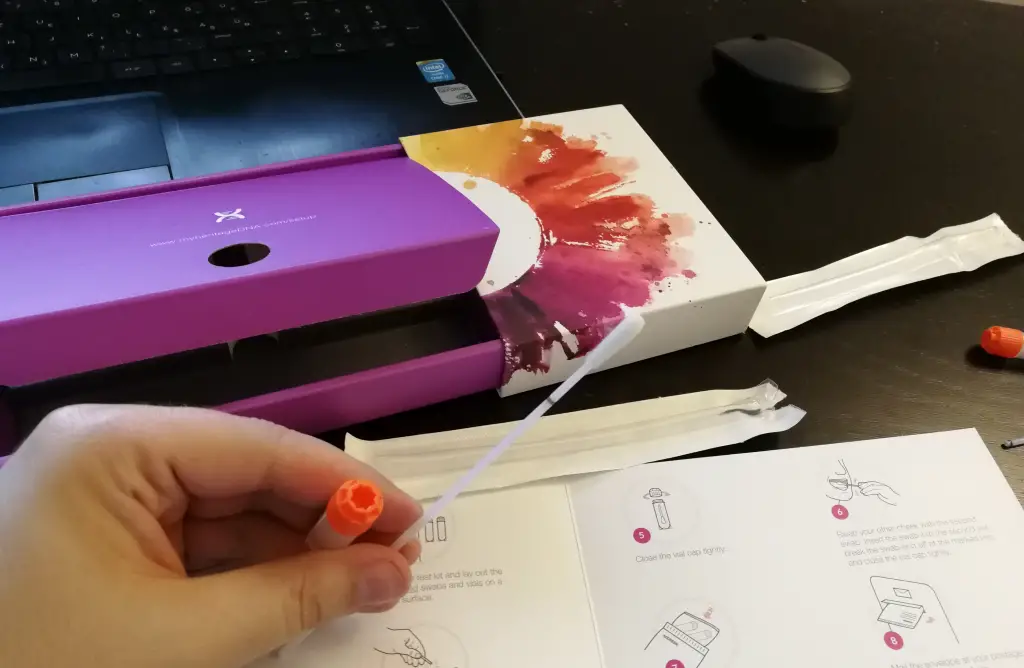
Collecting the genetic material from a swab can result in viable DNA samples for up to one year. Remember that both blood and cheek swabs are equally efficient when it comes to collecting the necessary materials, so always make sure you read through all instructions if you plan on using a home kit.
If the swab is properly sealed and stored in a cool and dry location, it can remain viable for up to two years or longer. In addition, if the swab is refrigerated or frozen, it can last even longer (up to five years).
The length of time that DNA lasts on a swab also depends on the type of material used to collect the sample. Different materials will have different lifespans, so it’s important to use one specifically designed for collecting samples. For example, some cotton-tipped swabs are designed with special preservatives that help them retain their viability for a longer period of time than untreated swabs.
Furthermore, the quality of the sample taken has an impact on how long it will last. If there are too few cells collected, or if they are not collected evenly across all areas, then this could affect the accuracy of results when tested at a later date. Therefore, it’s important to ensure that your samples are collected properly and with enough coverage so they remain viable for as long as possible.
Conclusion:
It’s clear that there are many factors that affect how long DNA lasts on a swab test sample – from environment and storage conditions right down to how well samples were collected initially – but understanding these factors is key in ensuring accurate results when analyzing any future tests taken from those samples. Ultimately, by taking care when conducting your own tests and storing your samples correctly you can ensure that your results remain accurate for as long as possible.
DNA can remain viable for up to one year if the swab is properly sealed and stored in a cool and dry location. If refrigerated or frozen, it can last even longer (up to five years). The quality of the sample taken also affects how long it will last, so it’s important to ensure that your samples are collected properly.
What type of material should I use for collecting DNA samples?
It’s important to use a material specifically designed for collecting sample. Some cotton-tipped swabs are designed with special preservatives that help them retain their viability for a longer period of time than untreated swabs.
How can I ensure my samples remain viable for as long as possible?
By taking care when collecting your own tests and storing your samples correctly you can ensure that your results remain accurate for as long as possible. Additionally, using a material designed for collecting sample will help retain the viability of the sample for longer periods of time.
What factors affect how long DNA lasts on a swab test sample?
Some of the factors that affect how long DNA lasts on a swab include environment, storage conditions, and the quality of the sample taken. Additionally, using a material specifically designed for collecting samples can help retain the viability of the sample for longer periods of time.
Q: How long does DNA last on a swab?
A: DNA can last on a swab for several months, as long as the swabs are kept in a cool and dry environment.
Q: What is a swab?
A: A swab is a small piece of material, usually cotton or synthetic, that is used to collect a sample from the inside of a person’s cheek or other parts of the body.
Q: What is a DNA test?
A: A DNA test is a test that analyzes the genetic material, also known as DNA, to determine paternity or other genetic relationships.
Q: What is a paternity test?
A: A paternity test is a type of DNA test that is used to determine the biological father of a child.
Q: How is DNA collected?
A: DNA is typically collected using a buccal swab, which is a small swab that is rubbed against the inside of the cheek to collect cells containing DNA.
Q: What is a buccal swab?
A: A buccal swab is a type of swab that is specifically designed for collecting DNA from the inside of the cheek.
Q: What is a DNA swab test?
A: A DNA swab test is a type of test that uses a swab to collect a DNA sample for the purpose of performing a paternity test or other types of DNA testing.
Q: How much DNA is collected with a swab sample?
A: A swab sample typically collects enough DNA for testing purposes, which usually requires only a small amount of DNA.
Q: How long does it take to get the results of a DNA test?
A: The time it takes to get the results of a DNA test can vary depending on the laboratory and the type of test being performed. However, most DNA testing services provide results within a few weeks.
Q: Can a DNA test be performed using blood instead of a swab?
A: Yes, a DNA test can be performed using blood instead of a swab. However, using buccal swabs is more common and convenient for most people.
Throughout his career, Andras Kovacs has developed a deep understanding of DNA and its applications in genealogy and genetic testing. He has helped thousands of individuals uncover their ancestral heritage, using cutting-edge DNA analysis to trace family lineages and reveal connections across generations.
😮 It’s possible to have shared DNA with someone without having a familial blood connection. 🧬 During the egg or sperm cell formation, recombination occurs when genetic materials break away and attach to someone else’s genetic strands. 🧩 Due to recombination, two individuals might share genes that they did not receive from their parents. 🧬 Typically, human beings have about 1% of their genome in common with people they are not related to. 🧬 The presence of shared genetic markers not passed down from parents doesn’t imply a particular bond, yet discovering shared genetic traits can be intriguing. 🌳 Possessing inherited genetic materials in common could suggest the presence of a common ancestor in your lineage. 🧬 Genetic testing has the potential to uncover surprising connections among people who previously believed they had no relation. 🚀 Delving into the uniqueness of our genetics can unlock fascinating insights into our heritage.
Unbelievable, yet true: it is possible to share a limited amount of DNA with another person and still not be connected by blood. To clarify, even if you have shared genetic material with someone else, there may be no traceable genealogical bond tying the two of you together.
How Can You Share DNA With Someone Who Is Not Your Relative?
The answer lies in something called recombination. Recombination occurs when pieces of chromosomes break off and connect with chromosomes from another person during the formation of egg or sperm cells. Because of this, it is possible for two people to share a piece of genetic material that they did not inherit from either parent.
This process is more common than some might think. Studies have shown that the average human sharing approximately one percent of their genome with any given person who is not their relative. While this may seem like a small amount, it can still provide valuable information about your ancestry or even lead to unexpected connections between people who thought they were unrelated!
What Does It Mean To Share DNA With Someone Who Is Not Your Relative?
When two people share non-inherited DNA, it doesn’t necessarily mean anything significant—it just means they have something in common genetically. That said, many people find it interesting and exciting to discover newfound connections with individuals they thought were strangers! Furthermore, if two people do share an inherited piece of genetic material (i.e., a gene mutation), then this could be indicative of a shared ancestor somewhere in their family tree.
Sharing DNA with someone who is not your relative may sound strange at first, but it is actually quite common thanks to the process of recombination! While sharing non-inherited genetic material usually does not signify any special connection between two individuals, it might occasionally uncover an unexpected relationship between them or provide valuable information about their ancestry. All in all, exploring your unique genetics can be an exciting journey full of surprises!
Is it Possible for Humans to Share DNA and Not Be Genetically Related?
When it comes to DNA, all humans are genetically related. Although it may seem unlikely, it is possible for humans to share DNA without being genetically related. This can occur due to random genetic mutations, genetic recombination, or through a distant common ancestor. The intricate complexities of genetics prove that even seemingly unrelated individuals may share certain genetic traits.
Can Two Siblings Have Different Ethnicity Percentages?
Can two siblings have different ethnic percentages? It is possible for siblings to have different ethnic percentages due to various factors such as genetic recombination. This process can result in different combinations of genes being passed down, leading to varying percentages of ethnic heritage. Therefore, siblings’ ethnic percentages can differ even though they come from the same parents.
FAQ
How much DNA do two unrelated people share?
Studies have shown that the average human shares approximately one percent of their genome with any given person who is not their relative.
What does it mean to share DNA with someone who is not your relative?
It usually doesn’t signify any special connection between two individuals, but it might occasionally uncover an unexpected relationship between them or provide valuable information about their ancestry.
What is the process of recombination?
Recombination is a process by which pieces of chromosomes break off and connect with chromosomes from another person during the formation of egg or sperm cells. This is how two people can share a piece of genetic material that they did not inherit from either parent.
Can DNA testing reveal unexpected connections between people?
Yes, if two people share an inherited piece of genetic material (i.e., a gene mutation), then this could be indicative of a shared ancestor somewhere in their family tree. Thus, DNA testing can uncover unexpected relationships between individuals who thought they were unrelated!
Throughout his career, Andras Kovacs has developed a deep understanding of DNA and its applications in genealogy and genetic testing. He has helped thousands of individuals uncover their ancestral heritage, using cutting-edge DNA analysis to trace family lineages and reveal connections across generations.
💡 “9th cousin once removed” refers to two individuals who have a nine-generation gap and belong to differing generations. 💡 Grasping family dynamics and terms such as “9th cousin once removed” can aid in tracing lineage and comprehending the structure of family trees. 💡 An aunt or uncle is your parent’s sibling, first cousins are your aunts’ or uncles’ children, and as you move through the generations, these familial connections become more distant. 💡 The term “Degree” relates to the generational distance between two people, whereas “removal” highlights whether they originate from the same generation or different ones. 💡 There are several approaches to identify how you’re related to a 9th cousin once removed, including counting back generations, using a family tree, or engaging in genealogical research. 💡 Grasping concepts and relationships such as 9th cousin once removed can shed light on your familial past and clarify any misconceptions or unfounded beliefs. 💡 Tools like internet-based genealogy platforms, family history sites, books, libraries, or historical archives can offer further insights into familial bonds.
If you’re like many people, you may have heard the phrase “9th cousin once removed” and wondered what it all means. It sounds complicated but, in reality, it is a simple concept that just requires some understanding of how family relationships play out over time. Read on to learn more about what this term means and why it is used in genealogy research.
The Basics of Family Relationships
Before delving into exactly what 9th cousin once removed means, let’s first take a look at the basics of family relationships. Most people are familiar with basic terms such as mom, dad, sister, brother, and so on. But when it comes to extended family members, things can get a bit more complicated. That’s because we use specific terms to describe our relationship with them—terms like aunt and uncle or first cousin. So what exactly do those terms mean?
An aunt (or uncle) is the sibling of one of your parents; first cousins are the children of your parents’ siblings; second cousins are the children of your parents’ first cousins; third cousins are the children of your parents’ second cousins; and so on. As you can see, these relationships become increasingly distant with each generation.
What Does “9th Cousin Once Removed” Mean?
Now that we’ve established some basic family relationships, let’s talk about what 9th cousin once removed means. To understand this term, you need to understand two concepts: degree and removal. Degree refers to how distant two people are from each other in terms of generations—in this case, nine generations apart—and removal refers to whether they are from the same generation (no removal) or different generations (once removed).
Therefore, 9th cousin once removed describes two people who are nine generations apart and from different generations—for example, if one person is your great-great-great-grandparent’s grandchild and the other is their great-great-great-grandparent’s grandchild (nine generations).
Conclusion:
Understanding family relationships can be tricky but having an understanding of key terms like 9th cousin once removed can help make things easier. Knowing how to correctly use these terms will also help you better understand family trees and genealogy research in general. Whether you’re new to genealogy research or a seasoned pro looking for a refresher course on terminology, this article should provide some valuable insight into how far back our families go!
FAQ
1. What is 9th cousin once removed?
9th cousin once removed is a term used to describe two people who are nine generations apart and from different generations, such as if one person is the great-great-great-grandchild of your great-great-great-grandparent and the other is their great-great-great-grandchild.
2. Why is 9th cousin once removed used in genealogy research?
9th cousin once removed is often used in genealogy research because it helps to understand family relationships over time, as well as how they are connected to one another. Understanding this concept can help you to better understand family trees, genealogy research, and the history of your family.
3. How do I determine my relationship with a 9th cousin once removed?
There are several different methods that can be used to determine your relationship with a 9th cousin once removed. Some common approaches include counting generations, using a family tree, and doing genealogical research. It is important to note that there is no one “right” way to do this, as different people will use different methods and come up with slightly different answers.
4. Is 9th cousin once removed something I need to be concerned about when doing genealogy research?
While 9th cousin once removed may be a somewhat complicated concept, it is important when doing genealogy research because it can help you to better understand your family tree and the connections between different members. This can be helpful both in terms of gaining insight into your family history, as well as if you are trying to break down any myths or rumors that may be circulating in your family. In the end, it is up to you to decide whether or not to focus on 9th cousin once removed and other related concepts when doing your genealogy research.
5. Can I find out more information about my relationship with a 9th cousin once removed?
Yes, there are many resources available to help you learn more about your 9th cousin once removed and other family relationships. Some good places to start include online genealogy tools, family history websites and books, and local libraries or historical archives. No matter what approach you take, understanding these concepts is an important part of doing effective genealogy research.
Q: What does 9th cousin once removed mean?
A: The term “9th cousin once removed” refers to a distant cousin relationship between two individuals. It indicates that they are ninth cousins and that one of them is one generation younger than the other.
Q: How do you determine the cousin relationship?
A: The cousin relationship is determined by counting the number of generations between two individuals to their common ancestor. For example, if both individuals share the same great-grandparent, they would be considered second cousins. The term “ninth cousin” indicates that the common ancestor is nine generations away.
Q: What does “once removed” mean?
A: The term “once removed” in the context of cousin relationships means that one individual is one generation younger than the other. For example, if your grandparent and someone else’s grandparent are siblings, you would be “first cousins once removed.”
Q: What does “twice removed” mean?
A: The term “twice removed” refers to a cousin relationship where one individual is two generations younger than the other. For example, if your great-grandparent and someone else’s great-grandparent are siblings, you would be “first cousins twice removed.”
Q: How do I calculate the number of generations between two cousins?
A: To calculate the number of generations between two cousins, count the number of ancestral generations from each individual to their common ancestor. Subtract the smaller number from the larger number to determine the difference in generations.
Q: Can cousins share more than one common ancestor?
A: Yes, cousins can share multiple common ancestors. This often occurs when their families have intermarried or have a long history of relationships within a particular community or region.
Q: What is the significance of knowing the cousin relationship?
A: Knowing the cousin relationship can provide insight into your family’s ancestry and connections. It can help you understand how you are related to other individuals and potentially uncover shared DNA matches.
Q: How does the term “ninth cousin once removed” differ from “ninth cousin twice removed”?
A: The term “ninth cousin once removed” indicates a cousin relationship where one individual is one generation younger than the other. In contrast, “ninth cousin twice removed” indicates a cousin relationship where one individual is two generations younger than the other.
Q: How does the cousin relationship impact the amount of DNA shared?
A: The cousin relationship generally impacts the amount of DNA shared between two individuals. Closer cousins, such as first cousins, share more DNA due to their closer genetic connection, whereas more distant cousins share less DNA.
Q: Can cousins be from completely separate family branches?
A: Yes, cousins can be from completely separate family branches. In some cases, they may discover their cousin relationship through genealogical research or DNA testing. This often happens when there is a distant common ancestor that was previously unknown.
Throughout his career, Andras Kovacs has developed a deep understanding of DNA and its applications in genealogy and genetic testing. He has helped thousands of individuals uncover their ancestral heritage, using cutting-edge DNA analysis to trace family lineages and reveal connections across generations.
💡 The term “10th cousin once removed” describes a specific and far-reaching familial connection. 💡 Grasping the complexities of family dynamics becomes more challenging as the family tree expands and individuals relocate. 💡 A “cousin” is defined as a person with whom you share a common ancestor, yet who falls outside your direct lineage. 💡 The phrase “once removed” specifies the generational gap between you and your cousin. 💡 Someone who is your 10th cousin once removed shares a lineage with you that spans 10 generations but is separated from you by only one generation in terms of actual distance. 💡 Often, distant cousins do not meet each other due to the vast number of generations between them. 💡 The field of genealogy has coined new terms to identify far-flung relatives, including “10th cousin once removed.” 💡 Getting to know your 10th cousins once removed can illuminate aspects of your ancestry, cultural roots, and legacy. 💡 Digital platforms and genealogical services such as Ancestry or FamilySearch serve as resources to uncover and connect with your familial bonds. 💡 Delving into the intricacies of familial ties and acquainting yourself with remote relatives offer profound, enduring rewards.
Understanding family relationships aren’t always easy. As families grow and members move around, it can be hard to keep track of who is related to whom. One of the more confusing phrases you might come across is “10th cousin once removed.” Let’s take a closer look at what this phrase means and how it applies to your family tree.
The Basics of Family Relationships
First, let’s review some basics about family relationships. Most people are familiar with immediate family members such as parents, children, siblings, and grandparents. We have aunts, uncles, nieces, nephews, and cousins as well. The further away from our immediate family we get in terms of generations—our great-grandparents or our third cousins—the more distant a relation becomes.
Cousin Once Removed
Now that we know the basics about family relationships, let’s explore what “cousin once removed” means. To understand this term better, let’s break it down into two parts: “cousin” and “once removed.” A cousin is someone who shares an ancestor with you; they are not in your immediate line but they are related by blood somehow.
The phrase “once removed” refers to the number of generations separating you from your cousin; if you are one generation apart from each other then the relationship would be “once removed.” That means that a 10th cousin once removed is someone who is 10 generations away from you in terms of blood relation but only one generation away in terms of physical proximity.
Using 10th Cousin Once Removed As an Example
In some cases, 10th cousins once removed may never even meet because there are too many generations separating them! To use an example: Your great-great-great-great-great grandfather had three brothers — his first cousins — so if one of those brothers had children then those children would be your second cousins (removed).
If one of those second cousins had children then those children would be third cousins (also removed); fourth cousins (removed) for their children; fifth cousins (removed) for their children; sixth cousins (removed) for their children; seventh cousins (removed) for their children; eighth cousins (removed) for their children; ninth cousins (removed) for their children; and tenth cousins once removed for their respective grandchildren! This may seem confusing at first but hopefully it helps provide some insight into how distant relations work within a family tree!
Conclusion:
As genealogy has become more popular over recent years, understanding how far apart relatives may be has also become more important. With that understanding has come new terminology such as “10th cousin once removed,” which describes how many generations separate two relatives while noting one generation’s physical proximity to the other relative in question. By breaking down this term into its component parts—cousin and once removed—we now have an easier way to discuss distant relatives within our own families!
How Is a Half First Cousin Once Removed Related to a 10th Cousin Once Removed?
A half first cousin once removed and a 10th cousin once removed are two very distantly related individuals within a family tree. While a half first cousin once removed shares a common ancestor, they are linked through a half-sibling relationship one generation away. On the other hand, a 10th cousin once removed shares a much more distant ancestor, typically dating back several centuries.
FAQ
1. What does 10th cousin once removed mean?
10th cousin once removed means that two relatives are separated by ten generations, but only one generation physically apart from each other. This may be helpful in understanding family relationships and how people are related within a large family tree.
2. How do I find out if I have 10th cousins once removed?
There are many tools and resources available online that can help you find out more about your family history and connections, including genealogy websites like Ancestry or FamilySearch. You may also want to consult with a professional genealogist who can guide you through the process of researching your family and identifying potential 10th cousins once removed.
3. What benefits do I get from knowing who my 10th cousins once removed are?
Having a better understanding of your family history and how you may be connected to other relatives can provide valuable insights into your own life and identity. For example, you may discover new family stories or traditions, or learn more about your cultural background and heritage. Additionally, it can be fun to explore new connections with distant relatives and stay in touch with them over the years.
If you are interested in exploring your family history and building upon your knowledge of 10th cousins once removed, there are many resources available to help you get started. Whether you consult with a professional genealogist or use online tools to research your family tree, the benefits of learning more about your relatives can be significant and long-lasting.
Q: What does 10th cousin once removed mean?
A: 10th cousin once removed refers to a distant cousin relationship where there are ten generations between you and your cousin. The term “once removed” means that there is a one-generation difference between you and your cousin.
Q: What does the term “twice removed” mean?
A: “Twice removed” is used to describe a cousin relationship where there is a two-generation difference between you and your cousin. For example, if your cousin’s child is your second cousin, they would be your second cousin once removed. If their child is your second cousin once removed’s child, the relationship would be second cousin twice removed.
Q: What is a second cousin?
A: A second cousin is someone who shares a common ancestor with you and is separated by two generations. For example, your parent’s cousin or your grandparent’s cousin would be your second cousin.
Q: What is a third cousin?
A: A third cousin is someone who shares a common ancestor with you and is separated by three generations. For example, your great-grandparent’s cousin would be your third cousin.
Q: What is a common ancestor?
A: A common ancestor is an individual from whom two or more people are descended. In cousin relationships, the common ancestor is typically a grandparent or great-grandparent.
Q: How are cousin relationships explained?
A: Cousin relationships are determined by the number of generations and common ancestors shared between two individuals. The closer the common ancestor and the fewer number of generations, the closer the cousin relationship will be.
Q: How do you read a cousin chart?
A: A cousin chart is a visual representation of different cousin relationships based on generations and degrees of separation. It allows you to quickly determine your relationship to a cousin based on the number of generations and how many times removed they are from a common ancestor.
Q: What does “twice removed” mean?
A: “Twice removed” means that there is a two-generation difference between you and your cousin or relative. It indicates a more distant cousin relationship compared to “once removed.” For example, your cousin’s child would be your first cousin once removed, and their child would be your first cousin twice removed.
Q: How do you calculate the number of generations removed in a cousin relationship?
A: To calculate the number of generations removed in a cousin relationship, you count the number of generations between you and your cousin in your respective family trees. The difference in the counts represents the number of generations removed.
Q: What does “once removed” mean in cousin relationships?
A: “Once removed” in cousin relationships indicates a one-generation difference between you and your cousin. It means that one person is one generation above or below the other in the family tree.
Throughout his career, Andras Kovacs has developed a deep understanding of DNA and its applications in genealogy and genetic testing. He has helped thousands of individuals uncover their ancestral heritage, using cutting-edge DNA analysis to trace family lineages and reveal connections across generations.
😄 Cousins are individuals who have an ancestor in common, though they may not share both parents. 😄 The term “once removed” explains the generational gap between two family members and their closest shared ancestor. 😄 “Half first cousins once removed” describes two people who have one shared great grandparent via distinct grandparents and have a one-generation difference between them.
Have you ever heard someone refer to themselves as a half first cousin once removed, and wondered what that meant? It sounds like a tricky family relationship to explain, but it’s actually quite simple. To understand this familial relationship, you first have to understand the basics of genealogy. Let’s take a look at how to explain “half first cousin once removed” in easy-to-understand terms.
What is a Cousin?
Cousins are two people who share one common ancestor. That ancestor could be a grandparent or great grandparent; in either case the two cousins will be descended from them, but not necessarily both by the same parent. For example, Person A and Person B could each have one parent who is the grandchild of the common ancestor. This would make them second cousins because they are two generations away from their common ancestor.
What Does “Once Removed” Mean?
When two people are described as being related “once removed”, it means that there is a difference in the number of generations between them and their most recent common ancestor. The person with fewer generations between them and the ancestor is considered to be “removed” from the other person. For example, if Person A has one generation separating them from their common ancestor while Person B has two generations separating them from their common ancestor, then Person B would be considered to be “once removed” from Person A.
What Does it Mean to Be Half First Cousins Once Removed?
Now that we know what cousins and “once removed” mean, we can put those concepts together and understand what half first cousins once removed means: two people who share one common great grandparent but through different grandparents are separated by one generation—one person has their great grandparent as a direct ancestor while the other has their great grandparent as an indirect ancestor (through another grandparent). This makes these two individuals half first cousins once removed.
What is the Difference Between a Fourth Cousin Once Removed and a Half First Cousin Once Removed?
The concept of fourth cousin once removed explained can be confusing. In simple terms, a fourth cousin once removed shares a common ancestor who is a great-great-great-grandparent, while a half first cousin once removed has a common ancestor who is a half-sibling of one’s grandparent. This slight variation in lineage distinguishes the two relationships.
Conclusion:
Understanding family relationships can be confusing—especially when you start dealing with more distant relatives like half first cousins once removed! But with a basic understanding of genealogy terms like “cousins” and “once removed” you can easily explain these complex relationships in just a few words! Whether you’re researching your family tree or trying to get your relatives straightened out for holiday gatherings, now you know exactly what “half first cousin once removed” means!
Throughout his career, Andras Kovacs has developed a deep understanding of DNA and its applications in genealogy and genetic testing. He has helped thousands of individuals uncover their ancestral heritage, using cutting-edge DNA analysis to trace family lineages and reveal connections across generations.
🧬 Offspring of first cousins are second cousins to one another, sharing the same great-grandparents. 🧬 Offspring of second cousins become third cousins to each other. 🧬 Gaining insights into our family connections and origins can be deeply enlightening. 🧬 Your relationship to your cousin’s child hinges on whether your cousin is a first cousin or a second cousin. 🧬 Should your cousin be a first cousin, their child is known as your first cousin once removed. 🧬 In the case of a second cousin, their offspring would also be your second cousin. 🧬 It’s meaningful to acknowledge and cherish the bonds we have with cousins and their children.
For those unfamiliar with family relationships, the question “If my cousin has a baby, what is the baby to me?” can be confusing. Depending on the type of cousin, the answer varies. Let’s take a look at how family relationships work and why understanding family ties is important.
The children of first cousins are second cousins to each other. They’re in the same generation as each other, because they share a set of great-grandparents. The children of second cousins are third cousins to each other.
How Blood Relatives Work
In order to understand how family ties work, it helps to know about blood relatives. Blood relatives are people who are related by birth or adoption and whose genetic material is shared between them. These types of relationships can be further divided into first cousins and second cousins. A first cousin is the child of your parent’s sibling, while a second cousin is the grandchild of your grandparent’s sibling.
Understanding What It Means To Be Related
The relationship between you and your cousin’s baby depends on whether your cousin is a first or second cousin. If your cousin is a first cousin, then their baby would be considered your first cousin once removed—that means that they are one generation away from you in terms of family ties. So if you have an aunt or uncle that has children, those children would be your first cousins—their children would then be your first cousins once removed.
On the other hand, if your cousin is a second cousin then their child would simply be considered another second cousin to you—this means that there are two generations between you and them in terms of family ties.
Conclusion:
No matter how far apart two people may seem in terms of family relationships, understanding how these connections work can give us invaluable insight into our lineage and ancestral origins. Knowing how many generations separate individuals in a given family tree gives us a better idea of our own identity within that tree as well as our connection to others within it. By understanding our place in this ever-evolving network of familial bonds we can more deeply appreciate our shared history and heritage!
1. What is a first cousin, and what is the relationship between first cousins?
A first cousin is the child of your parent’s sibling, or the grandchild of your grandparent’s sibling. This means that you share one set of grandparents with your first cousin, which makes you genetically related.
2. What is a second cousin, and what is the relationship between second cousins?
A second cousin is the child of your grandparent’s sibling or the grandchild of your parent’s sibling. This means that you share one set of great-grandparents with your second cousin, which makes you genetically related as well. However, there is one further generation between you and your second cousin than there is with a first cousin.
3. What is the relationship between you and your cousin’s baby?
The relationship between you and your cousin’s baby will depend on whether they are a first or second cousin to you. If they are a first cousin, then they would be considered your first cousin once removed, since you are one generation away from each other in terms of family ties. If they are a second cousin, then they will simply be another second cousin to you, as there are two generations between you and them. Regardless of the relationship status, however, it is important to recognize and appreciate the familial connection that you share with your cousin and their baby.
Q: If my cousin has a baby what is the baby to me?
A: The baby would be your first cousin once removed.
Q: What does “second cousin” mean?
A: Second cousins are people who share a common great-grandparent. They are two generations away from you.
Q: How are family relations determined?
A: Family relations are determined by the generational distance and the link to a common ancestor.
Q: What is an extended family?
A: An extended family includes relatives beyond the nuclear family, such as aunts, uncles, cousins, and grandparents.
Q: What is a first cousin once removed?
A: A first cousin once removed is the child of your first cousin. They are one generation away from you.
Q: Do first cousins share the same grandparents?
A: Yes, first cousins share the same set of grandparents.
Q: Can you explain the term “generation” in relation to family?
A: Generations in a family refer to the level of distance from a common ancestor. Each generation is one step further from the youngest members of the family.
Q: What is the difference between a second cousin and a third cousin?
A: A second cousin is two generations away from you, while a third cousin is three generations away.
Q: How do I address my aunt’s child?
A: Your aunt’s child would be your cousin.
Q: What does it mean for someone to be twice removed?
A: Someone who is twice removed from you is either two generations above or below you on your family tree.
Throughout his career, Andras Kovacs has developed a deep understanding of DNA and its applications in genealogy and genetic testing. He has helped thousands of individuals uncover their ancestral heritage, using cutting-edge DNA analysis to trace family lineages and reveal connections across generations.
🧬 A haplogroup represents a group of individuals who have a common ancestor along either their mother’s or father’s lineage. 📝 By analyzing specific genetic markers, Ancestry DNA tests can identify your haplogroup. 🌍 Your haplogroup can reveal the geographical areas your forebears inhabited and their historical migration patterns. 📚 Conducting further research through family tree sites, archival documents, and genealogical databases can provide deeper insights into the cultural and social dynamics that influenced your ancestors’ lives. 🚀 Uncovering your haplogroup offers a fascinating journey into your family’s history and roots, enriching your comprehension of your lineage’s legacy and cultural heritage.
For many of us, discovering our ancestry is a fascinating journey. With advancements in technology, it’s now easier than ever to uncover family history and connect with your past. One way to do this is by learning about your haplogroup—a genetic population group of people who share a common ancestor on the paternal or maternal line—through an ancestry DNA test. Let’s take a closer look at haplogroups and how they can help you discover your roots.
How to find your haplogroup from ancestryDNA.com?
There are a number of different ways to find your haplogroup from ancestryDNA. The first step is to order an ancestry DNA test kit from a reputable service provider, such as AncestryDNA or 23andMe. Once you’ve collected your DNA sample and submitted it for testing, the results will be sent to you within several weeks.
The results of your ancestry DNA test will typically include information about your haplogroup, as well as other details about your ancestral lineage. It’s important to remember that the haplogroup assigned to you is only a general indicator of where your ancestors came from, and many factors can influence this estimate.
If you want to learn more about your haplogroup, it’s often helpful to do some additional research and explore the history of your ancestors’ homeland. Using online resources such as family tree websites, historical records, and genealogy databases can help you learn more about the cultural and social factors that may have shaped your family’s past.
Overall, learning more about your haplogroup can be an exciting and illuminating experience, giving you a deeper understanding of your family’s history and heritage. And with the help of modern technology and scientific advancements, it’s easier than ever to explore your past and discover the story of your unique ancestry.
What is a Haplogroup?
A haplogroup is a group of people who share a common ancestor on their direct paternal or maternal line. A haplogroup consists of similar mitochondrial DNA or Y-chromosome DNA sequences that are shared by individuals who trace their ancestry back to the same geographic region, often within the last few thousand years. In other words, these groups are descended from one common ancestor and contain specific genetic markers that indicate which branch of the tree they belong to.
Tracing Your Ancestry through Haplogroups
Haplogroups can be used to trace an individual’s ancestry back thousands of years and can be especially helpful for those interested in exploring their deep ancestral roots. By utilizing an ancestry DNA test, you can determine your haplogroup by looking at specific genetic markers associated with it. You will then have access to information about where your ancestors lived and what migratory patterns they followed over time. This information can provide insight into how you are related to others around the world both today and historically!
Using Your Results for Further Research
It’s important to remember that when it comes to uncovering your family history, there is more than meets the eye. The results from an ancestry DNA test can be used as a tool for further exploration into your family tree! Once you learn about your haplogroup, try researching more about its origin and reach out to other members on forums dedicated to that particular group. You might even find relatives that you never knew existed!
Can I find my haplogroup in ancestry?
The identification of one’s haplogroup through Ancestry DNA is not possible as the company does not include specific information about maternal or paternal lineages in their genetic analysis, thus leaving individuals unable to explore the deep ancestral roots and connections that a haplogroup can provide.
Haplogroups are crucial in genealogical research as they allow individuals to trace their ancient origins and understand how populations migrated over time. By identifying one’s haplogroup, individuals can gain insight into their ancestral heritage and uncover connections to distant relatives from different regions of the world.
Additionally, understanding the implications of one’s haplogroup on health and ancestry can provide valuable information about genetic predispositions to certain diseases or conditions that may be more prevalent within specific populations.
Therefore, while Ancestry DNA provides valuable insights into an individual’s overall ancestry composition, it does not offer the opportunity to discover one’s haplogroup.
How do I find my haplogroup from ancestry raw data?
To identify one’s haplogroup using raw data from genetic testing, individuals may analyze the specific markers and mutations present in their genomic sequence. This process involves uploading the DNA raw data file obtained from Ancestry DNA to third-party tools or websites that offer haplogroup analysis services.
These tools compare the individual’s genetic markers with known haplogroups to determine their ancestral lineage. Interpreting haplogroup results can provide valuable insights into an individual’s deep ancestry and migration patterns over thousands of years. Haplogroups are inherited along paternal or maternal lines and can help trace family history back to ancient times.
They hold significance in genealogy, as they can connect individuals to specific ethnic groups or geographical regions where their ancestors originated. Understanding one’s haplogroup can contribute to a broader understanding of human migration patterns and population movements throughout history, enriching our knowledge of human evolution and ancestry.
How do I know what my haplogroup is?
By analyzing specific markers and mutations in one’s genomic sequence, individuals can gain insight into their ancestral lineage through the identification of their haplogroup. Haplogroups are genetic lineages that trace back to a common ancestor, providing information about an individual’s ancient origins.
To determine one’s haplogroup, individuals can utilize services such as AncestryDNA that analyze raw data from DNA testing. These services compare the individual’s genetic markers with known haplogroups to identify the most closely matching group.
Once identified, individuals can explore their haplogroup origins and understand the migration patterns of their ancestors. Additionally, studying haplogroups allows individuals to discover unique genetic traits associated with specific groups and gain a deeper understanding of their ancestry and heritage.
Overall, identifying one’s haplogroup offers valuable insights into personal ancestry and provides a platform for exploring human migration patterns throughout history.
How do I find my haplogroup on Family Tree DNA?
To identify one’s haplogroup on Family Tree DNA, individuals can utilize the analysis of specific genetic markers and mutations in their genomic sequence. This process involves understanding genetic ancestry and interpreting DNA test results. Here are four steps to find your haplogroup on Family Tree DNA:
1) Start by logging into your account on the Family Tree DNA website.
2) Navigate to the ‘myFTDNA’ tab and select ‘Y-DNA’ or ‘mtDNA,’ depending on whether you want to trace your paternal or maternal line.
3) Look for a section labeled ‘Haplotree & SNPs.’ Click on this option to access information about your haplogroup.
4) Explore the tree structure presented, which will show various branches and subgroups within your haplogroup.
By following these steps, individuals can gain a deeper understanding of their genetic ancestry and learn more about the history of their family lineage.
Best mitochondrial DNA test
The selection of the best mitochondrial DNA test depends on factors such as accuracy, coverage of genetic markers, and cost.
When choosing a mitochondrial DNA analysis, it is important to consider the level of accuracy provided by the test. Higher accuracy ensures more reliable results and a better understanding of an individual’s haplogroup.
Additionally, coverage of genetic markers is crucial in determining the extent to which an individual’s genetic information can be analyzed. The more comprehensive the coverage, the more detailed insights into one’s haplogroup migration patterns can be obtained.
Lastly, cost should be taken into account when selecting a mitochondrial DNA test, as different tests may vary in price while still providing accurate and informative results.
Understanding the significance of one’s haplogroup is essential for tracing ancestral roots and gaining insight into human migration patterns throughout history.
Best Y-dna test
One crucial factor to consider when selecting a y-DNA test is the level of accuracy it provides, as accurate results are essential for gaining a comprehensive understanding of an individual’s paternal genetic lineage. There are several y-DNA testing options available that offer varying levels of accuracy and provide valuable insights into one’s paternal ancestry. These tests analyze specific markers on the Y chromosome, which is passed down from fathers to sons in a direct paternal line. By examining these markers, y-DNA testing can determine an individual’s haplogroup and trace their paternal lineage back thousands of years. The benefits of y-DNA testing include uncovering deep ancestral origins, identifying distant relatives who share the same paternal lineage, and contributing to scientific research on human migration patterns. Understanding y-DNA haplogroups can provide individuals with a deeper understanding of their family history and heritage.
Testing Company
Accuracy
Cost
AncestryDNA
High
$$
23andMe
Medium
$$$
FamilyTreeDNA
High
$$$$
Table: Comparison of different y-DNA testing options based on accuracy and cost.
Conclusion
Finding your haplogroup from Ancestry DNA can be a straightforward process. By accessing your raw data, you can use various online tools to determine your haplogroup.
Additionally, Family Tree DNA offers an option for discovering your haplogroup through their testing services.
It is important to note that the best mitochondrial DNA test and the best Y-DNA test will vary depending on individual preferences and research goals.
In conclusion, with the availability of resources and advancements in genetic testing, exploring one’s haplogroup has become more accessible than ever before.
FAQ:
Q: How is a haplogroup determined from ancestry DNA?
A: Haplogroups can be determined by analyzing specific markers in the mitochondrial DNA (mtDNA) for maternal haplogroups, or in the Y-chromosome DNA (Y-DNA) for paternal haplogroups.
Q: What is the difference between maternal and paternal haplogroups?
A: Maternal haplogroups are determined by analyzing the mtDNA, which is passed down from mothers to their children, both males and females. Paternal haplogroups are determined by analyzing the Y-DNA, which is only passed down from fathers to their sons.
Q: How can I find my haplogroup using ancestry DNA?
A: To find your haplogroup from ancestry DNA, you can take an mtDNA test or a Y-DNA test through a reputable provider. They will analyze your DNA and provide you with your maternal or paternal haplogroup information.
Q: Can I find both my maternal and paternal haplogroups from ancestry DNA?
A: Yes, some ancestry DNA tests can provide both maternal and paternal haplogroup information. However, it’s important to check the specific test you are taking to ensure it includes both types of haplogroups.
Q: Can I find my haplogroup if I have taken a different type of DNA test?
A: If you have taken a different type of DNA test, such as autosomal DNA test, it may not provide specific haplogroup information. Maternal and paternal haplogroups are determined through specific markers in the mtDNA or Y-DNA, respectively.
Q: How can I use my haplogroup information in genealogy?
A: Knowing your haplogroup can help you trace your ancestral genetic lines back many generations. It can also allow you to connect with living relatives who share the same haplogroup and potentially find common ancestors.
Q: Can I upload my DNA data to platforms like GEDmatch to find more haplogroup information?
A: Yes, platforms like GEDmatch allow you to upload your raw DNA data from various providers and analyze it for additional haplogroup information. This can help you find matches and explore your genetic connections further.
Q: Are there different types of haplogroups?
A: Yes, there are different types of haplogroups for both maternal and paternal lines. Each haplogroup is identified by a series of letters and numbers that represent specific genetic markers.
Q: Can a haplogroup help me determine my Native American ancestors?
A: Haplogroups can provide insights into your ancestral origins, including Native American ancestry. However, it is important to note that haplogroups alone may not be sufficient evidence for claiming Native American heritage. Additional research and evidence is needed.
Throughout his career, Andras Kovacs has developed a deep understanding of DNA and its applications in genealogy and genetic testing. He has helped thousands of individuals uncover their ancestral heritage, using cutting-edge DNA analysis to trace family lineages and reveal connections across generations.
Are you interested in uncovering more about your familial past? Have you undergone a DNA test and are eager to find out your ancestors’ origins? If your answer is yes, then uploading your unprocessed DNA data can be an excellent method to unearth new details about you and your family lineage. In this blog article, we’ll explore the top sites for DNA data upload for individuals keen on deepening their understanding of their heritage.
Gedmatch.com
Gedmatch.com is one of the most popular and reliable sites for uploading raw DNA data. This site allows users to compare their results with other people in their database, which can help them find distant relatives and uncover new information about their family tree. The site also has a variety of tools that can be used to build a detailed genetic profile of an individual, such as chromosome browsers and phasing tools.
MyHeritageDNA.com
MyHeritageDNA.com is another great option for those looking to upload raw DNA data. This site offers users the ability to compare their results with others in their database, as well as access powerful tools that allow them to explore their ancestral origins in detail. Additionally, MyHeritageDNA’s online learning center provides detailed tutorials on how to use its various features, making it easier for beginners to get started on their journey of discovery.
AncestryDNA.com
AncestryDNA is one of the most trusted sites for uploading raw DNA data because it is owned by Ancestry, one of the world’s largest genealogy companies. With AncestryDNA, users can access an extensive library of resources related to genealogy research, as well as powerful tools that allow them to explore their genetic heritage in detail. Plus, its user-friendly interface makes it easy for anyone—regardless of experience—to learn more about themselves and their family history quickly and easily.
Genomelink
Genomelink.com is another great site for uploading raw DNA data, as it offers users a wide range of options for exploring their ancestral origins and building a detailed family tree. In addition to its powerful tools, Genomelink also provides helpful tips on how to get the most out of your results and navigate the site with ease. Whether you are a beginner or an experienced genealogist, Genomelink is the perfect resource for uncovering your family history.
Promethease.com
Looking for a more personalized approach to DNA upload sites? Check out Promethease.com, a site that focuses on providing users with detailed information about their genetic background and health risks. With this site, you can explore your ancestry at a much deeper level than most other platforms provide, and uncover new information about your family’s medical history. So if you are looking to dig deeper into your DNA and learn more about yourself, then Promethease is the perfect option for you.
Family Tree DNA
FTDNA is one of the top sites for uploading raw DNA data. With a user-friendly interface and powerful tools, FTDNA makes it easy for anyone to explore their genetic heritage in detail and uncover new information about their family history. Whether you are just starting out on your journey of discovery or are an experienced genealogist, FTDNA is the perfect resource for anyone looking to learn more about themselves and their family. So head on over to FTDNA today and start exploring your genetic heritage!
LivingDNA.com
LivingDNA is the world’s largest DNA ancestry service that delivers an unprecedented amount of ancestral information. With a massive database of more than 2.5 million people, our team has created proprietary algorithms that help analyze intergenerational connections and estimate ethnic origins from across 180 unique regions around the world.
LivingDNA is unlike other ancestry services in that it provides a comprehensive and customized experience. By analyzing more than 300,000 genetic markers and comparing your DNA to more than 80 reference populations, our algorithms can provide a very detailed breakdown of where your ancestors lived hundreds or even thousands of years ago.
Whether you’re looking for information on distant relatives or simply curious about the origins of your family history, LivingDNA is the perfect solution for anyone looking to explore their ancestry in a new and engaging way.
DNA Land
Looking for a comprehensive and user-friendly platform for uploading your raw DNA data? Check out DNA Land, the leading site for exploring your genetic ancestry and building a detailed family tree. With its advanced algorithms and user-friendly interface, DNA Land makes it easy for anyone to discover new information about their family history and connect with distant relatives. Whether you are just starting out on your journey of discovery or are an experienced genealogist, DNA Land has everything you need to explore and understand your genetic history. So why wait? Head over to DNA Land today and start exploring your genetic heritage!
Luna DNA
Looking for a more personalized experience when it comes to exploring your genetic ancestry? Check out Luna DNA, the world’s first genomic and medical research platform powered by the community. With its advanced algorithms and user-friendly interface, Luna DNA makes it easy for anyone to discover new information about their family history and connect with distant relatives.
Whether you are just starting out on your journey of discovery or are a seasoned genealogist, Luna DNA is the perfect resource for anyone looking to uncover new insights into their genetic ancestry. So why wait? Head over to Luna DNA today and start exploring your genetic heritage like never before!
Vitagene
Vitagene is a company that provides insights into your health and genetic information. We offer DNA testing to help analyze hereditary traits, wellness and nutrition strategies based on your personal genomic makeup.
We believe that understanding our genetics can help us manage certain health conditions more effectively, prevent diseases before they develop, and live happier, healthier lives. That’s why we offer a range of DNA tests that can help you make the most of your health and wellness journey.
Our DNA testing services are based on over 20 years of research and our proprietary algorithms to provide insights into your personal genome through analysis of your saliva sample. Some highlights include:
Gene expression analysis to help you understand your body’s response to certain activities and behaviors.
Nutrigenetic insights that use your genetic profile to better personalize your diet and nutrition recommendations.
A detailed report on your ancestry, heritage, and ethnicity to help you learn more about where you come from.
DNA Fit
is another company that offers similar genetic testing and personal health insights. Like Vitagene, they use advanced DNA analyses to provide personalized recommendations for optimal nutrition, fitness, and wellness. Some of their key services include:
Comprehensive assessments of your body’s response to different types of exercise and physical activity, including endurance, power/strength, flexibility, and balance.
Detailed nutrition recommendations based on your unique genetic profile, including information on macronutrients, vitamins, minerals, and more.
Personalized health assessments to help you identify your risk for common conditions such as diabetes, cardiovascular diseases, and cancer.
A detailed report on your ancestral origins, including specific regions where your family comes from.
DNASolves
is another leading provider of genetic testing and health insights that is worth checking out. Whether you are looking to improve your fitness, nutrition, or overall wellness, DNASolves can help provide the guidance you need to achieve your goals. Their services include:
Genetic assessment of endurance levels, power/strength capabilities, balance, and flexibility.
Detailed DNA-based nutrition recommendations, including personalized macronutrient and micronutrient intake recommendations.
Customized health assessments to help predict your risk for common conditions such as cancer, diabetes, and cardiovascular diseases.
A comprehensive report on your ancestry, heritage, and ethnicity to help you learn more about where you come from.
NebulaGenomics
NebulaGenomics is a leading provider of genetic testing and health insights. With advanced DNA analyses and cutting-edge research, we offer personalized recommendations for optimal nutrition, fitness, and wellness. Whether you are looking to improve your athletic performance, gain better control over your diet and nutrition, or simply learn more about your roots and heritage, NebulaGenomics has the tools and resources you need. Our services include:
Comprehensive assessments of your body’s response to exercise, physical activity, and dietary habits.
Detailed nutrition recommendations based on your unique genetic profile and health goals.
Customized DNA testing for hereditary conditions such as diabetes, cardiovascular diseases, and cancer risk.
A detailed report on your ancestry, heritage, and ethnicity to help you learn more about where you come from.
At NebulaGenomics, we are committed to empowering individuals with the knowledge and tools they need to achieve optimal health and wellness. Whether you’re looking for fitness advice, diet recommendations, or ancestral insights, we have something that can help you reach your goals.
Conclusion:
Uploading your raw DNA data is a great way to uncover new information about your family history and explore your ancestry in greater depth than ever before possible! Whether you’re a beginner or experienced researcher seeking out distant relatives or discovering more about yourself, there are many reliable sites available online that provide everything you need to get started on this exciting journey! With Gedmatch, MyHeritageDNA, and AncestryDNA being some of the most trusted sites around today, you can rest assured knowing that you’ll be able unearth valuable insights into your past safely and securely!
Throughout his career, Andras Kovacs has developed a deep understanding of DNA and its applications in genealogy and genetic testing. He has helped thousands of individuals uncover their ancestral heritage, using cutting-edge DNA analysis to trace family lineages and reveal connections across generations.
😊 The remains after cremation will lack any DNA content. 🦴 Nonetheless, the skeletal remains and dental structures not incinerated might still contain traceable DNA for examination. ⚙️ The process of cremation transforms bones and teeth into a powdery substance by means of grinding. 🧬 DNA, short for deoxyribonucleic acid, holds the essential codes for constructing and maintaining an organism. 🔎 The process of DNA retrieval from cremation remains involves the elimination of contaminants such as skeletal and muscular tissue, and the isolation of DNA using a technique known as phenol-chloroform extraction. 💡 The extraction of DNA from cremation remains has significant uses in fields like genetic research and forensic science, allowing for the identification of individuals lost in natural calamities or aiding in criminal investigations. ⏳ It’s crucial to perform DNA extraction from cremation remains swiftly after the individual’s passing, with the entire procedure taking anywhere from 2 to 4 hours. 💰 Extracting DNA from cremation remains generally costs between $500 and $1,000, though at-home testing kits may offer a more affordable alternative. 📜 Although there aren’t strict limitations, it is wise to verify that the ashes are human, properly preserved, and to collaborate with a professional DNA analyst to ensure accurate outcomes.
The ashes from the cremation will not contain any DNA, but the bones and teeth that are left behind could potentially hold some DNA viable for analysis. However, after the cremation, these bones and teeth are turned into a fine powder (a process known as pulverization).
What is DNA and what does it do?
Deoxyribonucleic acid, or DNA, is a molecule that contains the instructions needed to build and operate an organism. These instructions are encoded in DNA’s four chemical building blocks, which are arranged in a double helix. Each building block, or nucleotide, is made up of a sugar, a phosphate, and one of four nitrogen-containing bases: adenine (A), thymine (T), cytosine (C), and guanine (G). The order of these bases determines the information available for building and operating an organism.
In addition to its role in inheritance, DNA also plays a role in the regulation of gene expression and the function of proteins. Gene expression is the process by which the information in DNA is used to direct the synthesis of proteins. Proteins are important for many functions in the body, including cell signaling, metabolism, and cell structure. DNA is thus essential for both inheritance and proper cellular function.
How is DNA extracted from ashes and what are the steps involved?
The process of extracting DNA from ashes is not as straightforward as one might think. In order to obtain useable DNA, it is necessary to first remove all of the impurities, such as bone and muscle tissue. This can be done by soaking the ashes in a strong acid solution. Once the impurities have been removed, the DNA can then be isolated using a process known as phenol-chloroform extraction.
This involves adding a solution of phenol and chloroform to the DNA, which causes the DNA to dissolve while the other impurities remain in the solution. The final step is to purify the DNA by passing it through a filter. Once all of these steps have been completed, the DNA can then be used for various purposes, such as genetic testing or forensics.
What are some of the benefits of extracting DNA from ashes?
Though it may sound like something out of a science fiction novel, extracting DNA from ashes is a real and growing practice. As the world becomes increasingly digitized, more and more people are opting to have their remains converted into data that can be stored on a hard drive or in the cloud.
This process, known as resomation or alkaline hydrolysis, not only eliminates the need for burial plots and caskets, but also leaves behind a form of data that can be passed down for generations. In addition to providing a unique way to memorialize loved ones, extracting DNA from ashes can also have practical applications.
For example, DNA profiling can be used to identify individuals who have died in natural disasters or to help solve crimes. As our understanding of DNA grows, the potential uses for this technology are sure to increase.
What are some of the challenges associated with extracting DNA from ashes?
One of the most challenging aspects of extracting DNA from ashes is that the sample is usually very small. This can make it difficult to obtain a large enough quantity of DNA for testing. In addition, DNA is often degraded in funeral cremation, making it more difficult to obtain a usable sample. Another challenge is that many people are not familiar with the process of DNA extraction, and may not be able to provide a suitable sample.
Finally, there is always the possibility that the DNA sample will be contaminated, which could lead to false results. Despite these challenges, however, DNA testing from ashes has become increasingly popular in recent years as a way to confirm identity in cases of unidentified remains.
How long does it take to extract DNA from ashes, and how much does it cost?
As soon as a person dies, their cells begin to break down and release their DNA into the blood. Once the blood is circulated through the body and starts to decompose, it becomes impossible to extract usable DNA. In order to harvest DNA from ashes, therefore, it is necessary to act quickly. The DNA extraction process usually takes between 2-4 hours, and the DNA can then be stored for future use.
The cost of the procedure depends on the speed with which it is carried out and the location of the lab, but it is typically between $500 and $1,000. However, some companies are now offering DNA extraction kits that can be used at home, which may reduce the cost of the procedure.
Are there any restrictions on who can have their DNA extracted from ashes?
The process of DNA extraction from ashes is a relatively new one, and as such, there are not yet any definitive restrictions on who can have their DNA extracted. However, there are a few guidelines that have been put forth by experts in the field.
First and foremost, it is important to make sure that the ashes are from a human rather than another animal. Additionally, it is best to use ashes that have been stored in a cool, dry place, as extreme heat or moisture can damage DNA.
Finally, it is advisable to work with a qualified DNA specialist in order to ensure accurate results. While there are currently no hard and fast rules regarding DNA extraction from ashes, following these guidelines will help to ensure successful results.
FAQ:
Q: Can you get DNA from ashes?
A: Yes, it is possible to retrieve DNA from ashes.
Q: How is DNA obtained from cremated remains?
A: DNA can be extracted from cremated remains through specialized testing methods.
Q: What is the cremation process?
A: The cremation process involves subjecting the deceased person’s body to extreme heat in a cremation chamber.
Q: Do cremation ashes contain DNA?
A: Yes, cremation ashes can contain traces of DNA.
Q: Can human DNA be preserved in cremated remains?
A: Yes, human DNA can still be preserved in cremated remains.
Q: Can DNA be extracted from cremated ashes?
A: Given the right conditions and proper testing methods, DNA can be extracted from cremated ashes.
Q: Is it possible to find human DNA in cremated remains?
A: Yes, it is possible to find human DNA in cremated remains.
Q: How can the presence of DNA be determined in cremated remains?
A: DNA testing on cremated remains can determine the presence of DNA.
Q: Can genetic material be extracted from cremated ashes?
A: Yes, genetic material can be extracted from cremated ashes.
Can Ancestry Obtain DNA from Cremated Ashes?
Can Ancestry obtain DNA from cremated ashes? The question arises as ancestry’s dna sales and privacy concerns continue to be in focus. While Ancestry does offer DNA testing services, it is important to note that they primarily analyze saliva samples for genetic information. As a result, obtaining DNA from cremated ashes would not be aligned with their current procedures.
Q: What is the best source of DNA for testing on cremated remains?
A: The best source of DNA for testing on cremated remains is typically bone fragments or organic material.
Throughout his career, Andras Kovacs has developed a deep understanding of DNA and its applications in genealogy and genetic testing. He has helped thousands of individuals uncover their ancestral heritage, using cutting-edge DNA analysis to trace family lineages and reveal connections across generations.
💡 If you wish to end your MyHeritage free trial subscription, simply sign in to your profile, navigate to the “Billing” area, and select the “Cancel subscription” option. You have the choice to either switch to a free account or terminate the subscription altogether. 💡 During the cancellation process, you will be required to confirm your choice and explain your reason for leaving. After cancellation, your account and data remain accessible until the close of the current billing period, after which they will be permanently removed. 💡 Common reasons for discontinuing the MyHeritage free trial could include the service not meeting your needs, not having enough time to explore its features, or inadvertently forgetting about the subscription. Canceling beforehand avoids incurring charges for a full subscription. 💡 To permanently delete your MyHeritage profile, log in, visit the “Settings” tab, go down to the “Delete Account” area, and hit the “Delete Account” button. You will need to affirm your decision, as this action will irrevocably delete all your data and access to services. 💡 Looking for alternatives to MyHeritage for DNA testing and genealogical research? Consider trying 23andMe, FamilyTreeDNA, or AncestryDNA. Each of these providers offers unique DNA testing services that can aid in uncovering your familial roots and identity.
If you’re not interested in using MyHeritage after your free trial expires, you can easily cancel your subscription through the website. Just log in to your account, go to the ‘Billing’ section, and click on the ‘Cancel subscription’ button. You’ll be given the option to either downgrade to a free account or cancel completely.
If you decide to cancel, you’ll be asked to confirm your decision and enter a reason for cancelling. Once you’ve completed these steps, your subscription will be cancelled and you’ll no longer be charged.
You can still access your account and data until the end of the current billing cycle, at which point your account will be permanently deleted.
Reasons to cancel MyHeritage free trial subscription
Canceling a free trial subscription to MyHeritage can be done easily and only takes a few minutes. There are several reasons why someone may want to cancel their free trial, including not finding the service useful, not having enough time to use it, or simply forgetting about the subscription. Canceling early will also prevent being charged for the full subscription price.
To cancel, simply log in to your account, go to the billing page, and select the cancel button. You will then be prompted to confirm your cancellation. Once you have confirmed, your subscription will be immediately canceled and you will no longer have access to the service.
How to delete your account on MyHeritage
If you’re interested in deleting your MyHeritage account, there are just a few steps you’ll need to follow. First, log in to your account and go to the ‘Settings’ page. From there, scroll down to the ‘Delete Account’ section and click on the ‘Delete Account’ button. You’ll be asked to confirm your decision – once you do, your account will be permanently deleted. Keep in mind that once your account is deleted, you’ll no longer be able to access any of your data or use any of the MyHeritage features. So if you’re sure you want to delete your account, just follow the steps above and you’ll be all set.
Alternatives to MyHeritage
As the world’s leading DNA testing company, MyHeritage has helped millions of people discover their family history and ethnic origins. However, there are several other DNA testing companies that offer similar services. One alternative is 23andMe, which offers a wide range of tests, including those for ancestry, health, and wellness. Another option is FamilyTreeDNA, which specializes in genetic genealogy. Finally, AncestryDNA is another popular choice for those looking to learn more about their family history. While each company has its own strengths and weaknesses, all three provide high-quality DNA tests that can help you to learn more about your family history and identity.
Conclusion: Although MyHeritage is a great site with many features, there are several reasons why you may want to cancel your free trial subscription and delete your account. If you have decided that MyHeritage is not the right genealogy site for you, we recommend some of the alternatives listed in this article.
FAQ:
Q: How do I cancel my MyHeritage free trial?
A: To cancel your MyHeritage free trial, you need to follow these instructions:
1. Go to the MyHeritage website or open the MyHeritage app on your phone.
2. Log in to your MyHeritage account using your email and password.
3. Navigate to the “Manage” section of your account.
4. Find the “Membership” or “Billing” tab.
5. Look for the option to cancel your subscription or free trial.
6. Follow the instructions provided to stop recurring payments and cancel your free trial.
7. Once you have canceled your free trial, you won’t be charged further.
Q: Can I cancel my MyHeritage membership?
A: Yes, you can cancel your MyHeritage membership at any time by following the instructions provided by MyHeritage. This will stop any recurring payments and effectively cancel your membership.
Q: What happens if I cancel my MyHeritage free trial?
A: If you cancel your MyHeritage free trial, you will immediately lose access to the premium features and services associated with the trial. However, you will still be able to use the basic features of MyHeritage for free.
Q: Will I get a refund if I cancel my MyHeritage free trial?
A: MyHeritage does not offer refunds for canceled free trials. If you cancel your free trial, you will not be charged further, and you will not receive a refund for any payments already made.
Q: Can I cancel my MyHeritage free trial on the Google Play Store?
A: Yes, you can cancel your MyHeritage free trial on the Google Play Store if you initially signed up for the trial through the store. Simply follow the instructions provided by Google to manage your subscriptions and cancel your MyHeritage free trial.
Q: How do I stop recurring payments on MyHeritage?
A: To stop recurring payments on MyHeritage, you need to cancel your membership or free trial. Follow the instructions provided by MyHeritage to cancel your subscription and prevent any further payments.
Q: Can I cancel my MyHeritage membership on the App Store?
A: Yes, if you initially signed up for your MyHeritage membership through the App Store, you can cancel it through the store. Simply follow the instructions provided by Apple to manage your subscriptions and cancel your MyHeritage membership.
Q: How do I manage my MyHeritage membership?
A: To manage your MyHeritage membership, you need to log in to your MyHeritage account and navigate to the “Manage” section. From there, you can access your billing information, update your payment methods, and cancel your membership.
Q: What should I do if I need to cancel my MyHeritage membership?
A: If you need to cancel your MyHeritage membership, follow the instructions provided by MyHeritage to cancel your subscription. Make sure to read and follow the cancellation terms and conditions to ensure a successful cancellation.
Q: Can I cancel my MyHeritage membership if I purchased it through a bank transfer?
A: Yes, if you purchased your MyHeritage membership through a bank transfer, you can still cancel it. Contact MyHeritage customer support for assistance in canceling your membership and stopping any recurring payments.
Throughout his career, Andras Kovacs has developed a deep understanding of DNA and its applications in genealogy and genetic testing. He has helped thousands of individuals uncover their ancestral heritage, using cutting-edge DNA analysis to trace family lineages and reveal connections across generations.
🧬 DNA tests could end the argument over the optimal diet for shedding pounds, since specific genetic variations, such as UCP3, play a role in how well one responds to a diet rich in protein and low in carbohydrates. 🍽️ DNA acts as a blueprint for life, affecting aspects like metabolism and cell development, which are vital in determining an individual’s weight. 🏋️♀️ Although DNA contributes to weight management, other elements like diet, physical activity, and overall lifestyle hold equal significance. 🧪 Leveraging DNA to design a customized weight loss strategy may prove beneficial in reaching one’s weight loss objectives. 🎯 Advantages of DNA analysis for weight management include customizing eating and exercise plans, pinpointing food intolerances, and comprehending how your body reacts to various physical activities. ❌ Prior to initiating any dietary or fitness regime based on your DNA results, consulting a healthcare professional is crucial to guarantee both safety and efficiency. 💡 While DNA influences weight management, it’s important to note not all online information is reliable; thus, professional guidance is imperative. 📝 Conclusion: DNA impacts weight loss, and employing individual DNA data can aid the process, but advice from a professional is key to a successful and secure weight reduction journey.
DNA testing can settle the debate of which diet is best for you, once and for all. In fact, those with a certain variation of the UCP3 gene have been shown to lose weight more effectively on a high protein/low carb diet.
What is DNA and what does it have to do with weight loss?
DNA is the blueprint for life. It contains the instructions for building every protein in the human body, and these proteins play a vital role in everything from metabolism to cell growth. Because of this, DNA plays a significant role in determining a person’s weight. For example, variants in the FTO gene have been linked to obesity, while variants in the BDNF gene have been linked to weight loss.
However, DNA is just one small piece of the puzzle when it comes to weight loss. Other factors such as diet, exercise, and lifestyle also play an important role. Nonetheless, understanding how DNA affects weight can help people make more informed choices about their health and well-being.
How can you use your DNA to lose weight effectively and efficiently?
Losing weight is a common New Year’s resolution, but it’s one that is often difficult to stick to. However, new advances in DNA testing mean that it is now possible to use your genetic information to create a weight loss plan that is tailored specifically for you.
Studies have shown that certain genes can influence your likelihood of being overweight, and by understanding your own genetic makeup, you can make changes to your diet and lifestyle that will help you reach your weight loss goals. For example, if you have a gene that predisposes you to gain weight easily, cutting back on high-calorie foods and increasing your level of physical activity may help you lose weight more effectively.
Similarly, if you have a gene that makes it difficult for your body to process fat, avoiding fatty foods may be the key to successful weight loss. By using your DNA to create a personalized weight loss plan, you can give yourself the best chance of finally achieving your New Year’s resolution.
What are the benefits of using DNA for weight loss purposes?
There is no one-size-fits-all answer to the question of whether or not DNA testing can help you lose weight. However, there are some general benefits that may make it worth considering for some people.
First, DNA testing can provide insights into your specific genetic makeup, which can help you tailor your diet and fitness regimen to your individual needs. Second, DNA testing can help you identify any food sensitivities or intolerances that you may have.
And third, DNA testing can give you a better understanding of how your body responds to different types of exercise, which can help you create a workout plan that is more likely to be effective. Ultimately, whether or not DNA testing is right for you will depend on your personal goals and preferences. However, if you are looking for a way to customize your weight loss journey, DNA testing may be worth considering.
Can DNA Testing Help Determine the Best Weight Loss Plan for Me?
Can DNA testing with karyotyping applications explored assist in determining the best weight loss plan? By analyzing an individual’s genetic makeup, scientists can identify genetic variations that may impact metabolism and weight loss success. This personalized approach can provide valuable insights into creating an effective and tailored weight loss plan for each individual.
Can you trust all the information out there about DNA and weight loss – or should you consult a professional first before starting any type of diet or exercise program related to your DNA makeup?
The internet is full of information about DNA and weight loss – but can you trust it all? According to some experts, the answer is no. While there is definitely some truth to the idea that your DNA plays a role in how easy it is to lose weight, there’s also a lot of misinformation out there.
So before you start any type of diet or exercise program based on your DNA, it’s important to consult with a professional first. They can help you understand the science behind it all and make sure you’re on the right track for success.
Conclusion: It is evident that DNA does play a role in weight loss and that using your personal DNA information can help you to lose weight more effectively. However, it is important to consult with a professional before starting any type of diet or exercise program related to your individual DNA makeup. By doing so, you can be sure that the advice you are following is safe and effective for your unique body and genetic composition.
Throughout his career, Andras Kovacs has developed a deep understanding of DNA and its applications in genealogy and genetic testing. He has helped thousands of individuals uncover their ancestral heritage, using cutting-edge DNA analysis to trace family lineages and reveal connections across generations.
🕑 After you order your MyHeritage DNA kit, it usually takes about 3 to 4 weeks for the processing of your results. 🧬 Offering a comprehensive DNA testing service, MyHeritage DNA provides autosomal, Y-DNA, and mtDNA tests to unravel ancestry and lineage. 📚 Along with ancestry insights, MyHeritage DNA results come with health insights and carrier status reports. 🌐 With MyHeritage DNA, individuals have the opportunity to find and connect with possible family members who share genetic links. 💼 Established in 2016 and based in Israel, MyHeritage DNA serves a global customer base of more than 3 million across upwards of 170 countries. 📊 MyHeritage DNA proposes two main tests: an autosomal DNA test that uncovers familial origins and a Y-chromosome DNA test that explores paternal ancestry. 🎯 While MyHeritage DNA’s testing is recognized for its precision, variations in results could occur as compared to others due to the reference populations and markers used in their analysis. 🚩 Should there be a delay in receiving your results beyond the usual period, reaching out to the customer support team for help is recommended.
After ordering a MyHeritage DNA kit or MyHeritage DNA Healthkit, you will receive your results back in approximately 3-4 weeks.
What is MyHeritage DNA and how does it work
MyHeritage DNA is a DNA testing service that can help you learn more about your ancestry and family history. The company offers a range of tests, including those for autosomal DNA, Y-DNA, and mtDNA. MyHeritage DNA can also help you connect with potential relatives who share your DNA. To take a MyHeritage DNA test, you simply need to provide a saliva sample. Once your sample is received, the company will process it and send you your results within 3-4 weeks. In addition to Ancestry reports, MyHeritage DNA also provides health insights and carrier status reports. All of these features make MyHeritage DNA an excellent resource for anyone interested in learning more about their family history.
How long does it take to get results from MyHeritage DNA
MyHeritage DNA is a popular DNA testing kit that can be used to learn about your ancestry and ethnic origins. The kit works by analyzing your DNA and comparing it to the DNA of other people from around the world. Results typically take around 4-6 weeks to process, but in some cases it can take longer. You will receive an email notification when your results are ready, at which point you can log in to your account and view them online. In addition to your ancestry results, you will also receive information about any health conditions that you may be predisposes to. Overall, MyHeritage DNA is an easy and affordable way to learn more about your family history and ethnicity.
What are the benefits of using MyHeritage DNA
MyHeritage DNA is a genomic testing company that provides DNA tests for people interested in learning more about their ancestry and family history. The company was founded in 2016, and its headquarters are in Israel. MyHeritage DNA offers two types of tests: a autosomal DNA test and a Y-chromosome DNA test. The autosomal test is used to determine a person’s ancestral origins, and the Y-chromosome test is used to trace a person’s paternal line. Both tests are 99.9% accurate and can be performed with a simple saliva sample. MyHeritage DNA also offers a DNA match service, which allows people to find relatives who share similar DNA. The company has over 3 million customers in over 170 countries. MyHeritage DNA is one of the leading providers of genomic testing services, and its tests are widely used by people interested in learning more about their ancestry and family history.
How accurate are the results from MyHeritage DNA
ancestryDNA, FamilyTreeDNA, 23andMe, and MyHeritage DNA are the four main companies offering direct-to-consumer DNA tests in the United States. Many people are interested in these tests because they want to know more about their ethnic background or family history. However, it is important to remember that these tests can only give you an estimate of your ethnicity. They cannot tell you definitively where your ancestors came from. The results from MyHeritage DNA are generally considered to be accurate. However, there are a few things to keep in mind. First, MyHeritage DNA uses a different reference population than other companies. As a result, their results may be slightly different. Second, MyHeritage DNA does not test for all of the same markers that other companies do. This means that their results may be less accurate for people with certain ancestries. Finally, it is important to remember that even the most accurate DNA test can only give you an estimate of your ethnicity. Your family history is complex, and no DNA test can tell you definitively where your ancestors came from. However, if you are interested in learning more about your ethnic background, a DNA test can be a helpful tool.
What should you do if you don’t receive your results within the expected time frame
If you don’t receive your results within the expected time frame, the first thing you should do is contact your doctor or the medical facility where you had your test. It’s possible that there was a mix-up and your results were never received. Alternatively, there may be a delay in processing due to a backlog of tests. Whatever the reason, it’s important to get in touch with someone so that you can find out what’s going on. In the meantime, try not to worry too much. It’s possible that everything is fine and you’ll just have to wait a little longer for your results.
Conclusion: All in all, MyHeritage DNA is a great way to get more information about your heritage and ancestry. The process is simple and the results are highly accurate. If you don’t receive your results within the expected time frame, be sure to contact customer service for help.
A: The MyHeritage DNA test typically takes about four weeks to receive your results.
Q: What is MyHeritage DNA?
A: MyHeritage DNA is a DNA testing service provided by MyHeritage, a genealogy and family history platform. The DNA test allows you to discover your ethnic origins and find relatives through DNA matching.
Q: How does the MyHeritage DNA test work?
A: To take the MyHeritage DNA test, you need to order a DNA kit from MyHeritage. Once you receive the kit, you’ll need to collect a DNA sample by swabbing the inside of your cheek. After collecting the sample, you’ll need to send it back to MyHeritage for analysis. Once the analysis is complete, you’ll receive your results.
Q: Can I upload my DNA results from another company to MyHeritage?
A: Yes, MyHeritage allows you to upload your DNA results from other testing companies, such as 23andMe or AncestryDNA, for free. By uploading your results, you can gain access to additional features and matches on MyHeritage.
Q: How do I access my MyHeritage DNA test results?
A: To access your MyHeritage DNA test results, you’ll need to log in to your MyHeritage account and navigate to the DNA section of the website. From there, you’ll be able to view your ethnicity estimate, DNA matches, and other related information.
Q: Can I see my ethnicity results with MyHeritage DNA?
A: Yes, MyHeritage DNA provides an ethnicity estimate based on your DNA. This estimate can give you insights into your genetic makeup and ancestral origins.
Q: How does MyHeritage use my DNA sample?
A: MyHeritage uses your DNA sample to analyze your genetic markers and identify patterns within your DNA. This analysis allows them to provide you with information about your ethnic origins and DNA matches.
Q: How accurate are the results from MyHeritage DNA?
A: The results from MyHeritage DNA are generally accurate, but it’s important to keep in mind that DNA testing is based on statistical analysis and probabilities. The accuracy of the results can vary depending on the size and diversity of the DNA database used for comparison.
Q: How can I use MyHeritage DNA for genealogy research?
A: MyHeritage DNA can be used for genealogy research by providing you with DNA matches who share a common ancestor. You can use these matches to expand your family tree and uncover new branches of your family history.
Q: Can I trace my maternal or paternal ancestry with MyHeritage DNA?
A: Yes, MyHeritage DNA can provide insights into both your maternal and paternal ancestry. By analyzing specific markers on the DNA, MyHeritage can determine your haplogroups, which can give you information about your ancestral roots on both sides of your family.
Throughout his career, Andras Kovacs has developed a deep understanding of DNA and its applications in genealogy and genetic testing. He has helped thousands of individuals uncover their ancestral heritage, using cutting-edge DNA analysis to trace family lineages and reveal connections across generations.
🧬 23andMe stands alone as the DNA testing provider that offers a Neanderthal heritage percentage in its findings. 🧬 The presence of a Neanderthal ancestor directly in your lineage will show up in your DNA test outcomes. 🧬 Modern humans carry Neanderthal genetic material, which constitutes about 2.5% of the modern human DNA. 🧬 Traits such as skin pigment, hair shade, and vulnerability to certain diseases are associated with Neanderthal genes. 🧬 There’s evidence to suggest Neanderthal genetics might affect neurological development and behavior, though their exact role in contemporary humans remains somewhat elusive. 🧬 Investigating Neanderthal genetics further could unlock understanding regarding human evolution and lead to novel disease treatments. 🧬 The definitive method to ascertain the presence of Neanderthal genetics in your lineage is through genetic testing. 🧬 Individuals of European or Asian descent have a higher probability of carrying Neanderthal genes compared to those of African or Oceanian heritage. 🧬 Recognizing your Neanderthal ancestry can bring benefits like enhanced immunity, greater fertility, and elevated testosterone levels. 🧬 The reliability of identifying Neanderthal genetic signs remains a subject of debate due to the minimal Neanderthal DNA present in humans. 🧬 Opting for Neanderthal genetic analysis includes possible risks such as unforeseen genetic interactions and societal consequences. 🧬 Neanderthal genetic testing offers a window into one’s genetic identity and heritage, although precision varies across different laboratories. 🧬 It’s advisable to seek advice from a healthcare professional prior to undergoing genetic testing and to compare various testing services. 🧬 The price of Neanderthal genetic analysis is generally within reach, yet varies depending on the lab selected. 🧬 Andras, the writer, possesses specialized knowledge in DNA evaluation, familial history, and genetic assessments.
23andMe is the only contemporary DNA testing company that provides a Neanderthal percentage in results. If you have even one direct Neanderthal ancestor, your test will reflect it– regardless of how distant that relative may be.
What is Neanderthal DNA and what does it do?
Neanderthal DNA is a type of DNA that is found in the genomes of modern humans. The Neanderthal genome is around 2.5% of the modern human genome. Neanderthal DNA has been linked to a number of phenotypic traits, including skin tone, hair color, and disease susceptibility. Some research has also suggested that Neanderthal DNA may influence brain development and behavior. However, the precise function of Neanderthal DNA in modern humans is still not fully understood. Scientists believe that further study of Neanderthal DNA may provide insights into the evolution of the human species. In addition, some researchers have suggested that Neanderthal DNA could be used to develop new treatments for diseases.
Which is the most accurate DNA test?
According to my ethnicity calculation (based on Principal Component Analysis), my family tree research, and database size investigation, currently (2023), the best DNA testing company is:
How can you tell if you have Neanderthal DNA in your gene pool?
Many people are curious about whether they have Neanderthal DNA in their genes. After all, Neanderthals were some of the first humans to inhabit Europe, and they lived there for thousands of years before disappearing about 40,000 years ago. Today, the only way to know for sure if you have Neanderthal DNA is to take a genetic test. However, there are some clues that you may be carrying Neanderthal DNA. For example, if your ancestors come from Europe or Asia, you are more likely to have Neanderthal DNA than someone from Africa or Oceania. In addition, if you have certain physical characteristics, such as light skin or blue eyes, you may also be more likely to have Neanderthal DNA. Ultimately, though, the only way to know for sure is to take a genetic test.
What are the benefits of knowing about your Neanderthal heritage?
Neanderthals are our closest extinct relatives, and new research is revealing that many of us have Neanderthal DNA in our genomes. While some people may view this as a negative, there are actually several advantages to having Neanderthal DNA. For one, studies have shown that Neanderthal genes can help improve our immunity to certain diseases. In addition, Neanderthal DNA has been linked to increased fertility and higher levels of testosterone. So if you’re curious about your Neanderthal heritage, there’s no need to be ashamed – you might just be giving yourself a genetic advantage!
How accurate are the tests for detecting Neanderthal DNA markers in a person’s genetic makeup?
Neanderthals are an extinct species of hominids that lived in Europe and Asia until around 40,000 years ago. In recent years, scientists have been able to extract and analyze Neanderthal DNA from fossils, and it has been found that modern humans carry a small amount of Neanderthal DNA. This has led to the development of tests that claim to be able to detect Neanderthal DNA markers in a person’s genome. However, there is debate about how accurate these tests actually are. Some experts argue that the tests are unreliable due to the small amount of Neanderthal DNA that is present in the human genome. Moreover, it is possible that the tests are picking up on other genetic markers that happen to be similar to Neanderthal DNA markers. As a result, the accuracy of these tests is still an open question.
Are there any risks associated with taking a Neanderthal DNA test?”
DNA tests have become increasingly popular in recent years, as they offer a way to learn more about one’s ancestry and genetic health. However, some experts have raised concerns about the safety of taking a DNA test that includes Neanderthal DNA. While most of the risks are theoretical at this point, there is a possibility that Neanderthal DNA could interact with human DNA in unexpected ways. Additionally, there is concern that disclosure of Neanderthal DNA test results could lead to discrimination or social stigma. As a result, it is important to weigh the potential risks and benefits of taking a Neanderthal DNA test before making a decision.
Conclusion: Neanderthal DNA testing is a fascinating way to learn about your personal genetic makeup and heritage. For those who are interested in their family history and want to know more about the possible contributions of Neanderthals to their gene pool, this test can be both informative and intriguing. It is important to note that the accuracy of these tests may vary from one lab to another, so it is important to do your research before choosing a provider. Also, as with any medical procedure, there are always risks associated with taking a DNA test, so please consult with a healthcare professional before making a decision. The cost of Neanderthal DNA testing varies depending on the laboratory you choose, but is generally affordable. If you’re curious about your Neanderthal heritage, consider taking a DNA test!
FAQ:
Q: What DNA test shows neanderthal?
A: The most common DNA test that shows neanderthal ancestry is the AncestryDNA test.
Q: What are neanderthals?
A: Neanderthals are an extinct species of ancient humans who lived in Eurasia about 400,000 to 40,000 years ago.
Q: Can I find out if I have neanderthal ancestry?
A: Yes, through genetic testing, you can find out if you have neanderthal ancestry.
Q: How do scientists determine neanderthal ancestry?
A: Scientists determine neanderthal ancestry by analyzing genetic variants in the DNA sequence of a person.
Q: How much neanderthal DNA do modern humans have?
A: Modern humans outside of Africa have about 1-2% neanderthal DNA, while Africans have very little to no neanderthal DNA.
Q: What does it mean to have neanderthal DNA?
A: Having neanderthal DNA means that some of your ancestors interbred with neanderthals at some point in history.
Q: Did neanderthals interbred with other ancient humans besides homo sapiens?
A: Yes, research has shown that neanderthals also interbred with another group of ancient humans called Denisovans.
Q: How do scientists know about neanderthal ancestry?
A: Scientists know about neanderthal ancestry through the study of ancient DNA and genetic analysis.
Q: Are there neanderthal variants in the human genome?
A: Yes, there are specific genetic variants that are unique to neanderthals and can be found in the human genome.
Q: What evidence is there of neanderthal interbreeding?
A: The evidence of neanderthal interbreeding is found in the DNA of modern humans, which shows signs of genetic overlap with neanderthals.
Throughout his career, Andras Kovacs has developed a deep understanding of DNA and its applications in genealogy and genetic testing. He has helped thousands of individuals uncover their ancestral heritage, using cutting-edge DNA analysis to trace family lineages and reveal connections across generations.
😄 A paternity test can identify which brother is the biological father, though further tests might be necessary because of the many shared DNA markers among siblings. 🧬 DNA testing serves as a crucial tool for establishing paternity by analyzing the DNA profiles of the child and the supposed father. 📋 The outcome of DNA tests can be affected by factors like the database size, the quality of the sample, and the ethnicity. 🕵️♂️ A number of paternity cases in real life have been sorted out through DNA testing, giving irrefutable proof. 🏢 To choose a reliable DNA testing service, it’s important to verify their credentials, experience, offer of a money-back guarantee, and look for endorsements. 💲 The price of DNA testing can vary widely, depending on the test kind and the service provider, with costs ranging between $200 to over $1000. ⚖️ The outcomes of paternity tests can influence legal matters, including child support, visitation, custody, and inheritance rights. 👍 While DNA testing is incredibly precise, external factors like environmental influences can still affect the findings, thus caution is necessary. 🧬 Andras, the writer, possesses expertise in DNA research for genealogy and genetic testing, assisting people in discovering their ancestral roots. 📚 This webpage also features related articles, frequently asked questions, and suggestions for DNA testing kits.
People frequently inquire if a paternity test can indicate between two potential fathers who are brothers. The answer is yes, but because siblings often have numerous matching DNA markers, the lab may need to do additional testing.
The basics of DNA testing and how it can be used to determine paternity
DNA testing is a powerful tool that can be used for a variety of purposes, including determining paternity. The basic principle behind DNA testing is that every individual has a unique DNA profile. This profile can be used to identify an individual with a high degree of accuracy. In the case of paternity testing, a sample of the child’s DNA is compared to a sample of the alleged father’s DNA. If the two samples match, then it is highly likely that the man is the child’s biological father. DNA testing has revolutionized the field of paternity determination, and it is now possible to obtain accurate results with a simple mouth swab. As a result, DNA testing has become an invaluable tool for many families.
What factors can influence the results of a DNA test
A DNA test can provide valuable information about a person’s ancestry and genetic makeup. However, there are a number of factors that can influence the results of a DNA test. One of the most important factors is the size of the database that is being used for comparison. The larger the database, the more accurate the results are likely to be. Another important factor is the quality of the DNA sample. If the sample is degraded or contaminated, it may produce inaccurate results. Finally, ethnicity can also influence the results of a DNA test. For example, someone with ancestors from multiple ethnic groups may receive different results than someone with ancestors from only one group. These factors illustrate why it is important to choose a reputable DNA testing company that uses high-quality databases and create an accurate and reliable product.
Case studies of real-life paternity disputes that were solved with DNA testing
In today’s world, paternity disputes are more common than ever. Thanks to DNA testing, however, these disputes can often be quickly and easily resolved. Case studies abound of individuals who have used DNA testing to conclusively prove or disprove paternity. In one high-profile case, for example, actor Alec Baldwin was able to use DNA testing to disprove claims that he was the father of a child born out of wedlock. In another case, a man in the UK was able to use DNA testing to prove that he was not the father of a child conceived during an affair. And in yet another case, a woman in the US was able to use DNA testing to prove that her ex-husband was the father of her child – even though he had always claimed that he was not. Thanks to DNA testing, then, countless paternity disputes have been resolved – often to the surprise and satisfaction of all parties involved.
With the recent advances in DNA testing, more and more people are interested in learning about their ancestry or testing for genetic diseases. However, with so many companies offering DNA testing services, it can be difficult to know how to choose a reputable company. Here are a few things to look for when choosing a DNA testing company:
First, check what type of accreditation the company has. A reputable company will have accreditation from a recognized body, such as the American Society of Human Genetics or the Association for Molecular Pathology.
Second, ask about the company’s experience. A reputable company will have experience performing DNA tests and will be able to answer any questions you have about the process.
Third, make sure the company offers a money-back guarantee. This shows that the company is confident in its ability to provide accurate results.
Finally, ask for recommendations from friends or family who have used a DNA testing service. word of mouth is often the best way to find a reputable company.
The cost of DNA testing and what’s included in the price
The cost of DNA testing can vary depending on the type of test you choose and the provider you use. The most common type of DNA test is called a paternity test, which is used to determine whether a man is the father of a child. This type of test usually costs between $200 and $1000. However, there are also other types of DNA tests that can be used for things like determining your ancestry or checking for genetic diseases. These tests can cost upwards of $2000. When choosing a DNA testing provider, it’s important to research the individual providers to see what’s included in their price. Some providers include extra fees for things like shipping and handling, while others will provide a discount if you purchase multiple tests. It’s also important to read the fine print to make sure that the provider offers a money-back guarantee in case the results are not what you were expecting.
Legal implications of paternity tests
A paternity test is a DNA test used to determine whether a man is the biological father of a child. Paternity tests are typically requested by the child’s mother, but may also be requested by the child’s father or grandfather. In some cases, paternity tests are ordered by a court. The results of a paternity test are either positive (the man is the father) or negative (the man is not the father). If the results are positive, the man may be required to pay child support. If the results are negative, the man may be denied visitation rights or custody of the child. Paternity tests may also be used to determine inheritance rights. When a paternity test is ordered by a court, it is important to consult with an attorney to understand the legal implications of the results.
Conclusion: So, what do you think? Is DNA testing something you would consider in a paternity dispute? It’s important to remember that while DNA tests are incredibly accurate, they can still be influenced by other factors like the environment. If you’re thinking about taking a DNA test, it’s best to choose a reputable company and be aware of the costs and legal implications involved.
Q: Can a DNA test determine which brother is the father?
A: Yes, a DNA test can determine which brother is the father of a child. By comparing the DNA of the child, the mother, and the two brothers, a DNA paternity test can accurately determine the biological father.
Q: Are two brothers considered possible fathers?
A: Yes, if there are two possible fathers and they are brothers, a DNA test can determine which brother is the father.
Q: What is a DNA paternity test?
A: A DNA paternity test is a scientific method of determining the biological relationship between a possible father and a child. The test compares the DNA of the child and the alleged father to determine if they share enough DNA to establish paternity.
Q: Can a DNA test determine if two possible fathers are related?
A: Yes, a DNA test can determine if two possible fathers are related. The test analyzes the DNA markers and can detect if the fathers share a common ancestor or if they are biologically related.
Q: Can a DNA test differentiate between two brothers?
A: Yes, a DNA test can differentiate between two brothers. The test looks at the DNA markers and can determine if there are significant differences between the DNA profiles of the two brothers.
Q: Can a DNA test determine the biological father if the mother is not available?
A: Yes, a DNA test can still determine the biological father if the mother is not available. The test compares the DNA of the child and the alleged father and can establish paternity even without the mother’s DNA.
Q: Can a DNA test be done at home?
A: Yes, there are DNA test kits available for home use. These kits provide the necessary materials for collecting DNA samples at home, and the samples can then be sent to a laboratory for testing.
Q: What is the probability of paternity in a DNA test between two brothers?
A: The probability of paternity in a DNA test between two brothers depends on the specific DNA markers that are analyzed. The test results will provide a percentage indicating the likelihood of paternity.
Q: Can a DNA test determine if two brothers are full siblings?
A: Yes, a DNA test can determine if two brothers are full siblings. The test compares their DNA profiles and can establish if they share enough DNA to be considered full siblings.
Q: Can a DNA test exclude one brother as the biological father?
A: Yes, a DNA test can exclude one brother as the biological father if their DNA profiles do not match with the child’s DNA. The test can definitively determine if the tested brother is the biological father or not.
Throughout his career, Andras Kovacs has developed a deep understanding of DNA and its applications in genealogy and genetic testing. He has helped thousands of individuals uncover their ancestral heritage, using cutting-edge DNA analysis to trace family lineages and reveal connections across generations.
A DNA examination can provide a highly precise method for identifying the sex of your unborn child. Nonetheless, several elements might affect the complete reliability of an early outcome.
The accuracy of an early prenatal DNA test depends on several things, including the methods used for testing and the stage at which the test is performed. Generally speaking, the earlier you can have a test done, the better your chances of getting an accurate result.
Some early DNA tests are conducted using a sample of the mother’s blood at around 10 weeks into the pregnancy. This type of test may yield a gender prediction with 95 percent accuracy or higher. However, it is possible for these tests to be wrong, particularly if the baby is positioned in an unexpected way during the test.
What is an early gender DNA test and how does it work?
An early gender DNA test is a test that can be used to determine the gender of a fetus as early as six weeks into a pregnancy. The test is based on the principle that each individual has a unique DNA signature. By analyzing a sample of the pregnant woman’s blood, the test can identify the presence of male or female chromosomes, which can then be used to determine the gender of the fetus. Early gender DNA tests are not 100% accurate, but they are typically more accurate than traditional methods of gender prediction, such as ultrasounds. It is important to note that early gender DNA tests are not medical diagnostic tests and should not be used to make decisions about abortion or other medical procedures. They are simply meant to be used as a tool for parents who want to know the gender of their child as early as possible.
How accurate are these tests, and what are the potential risks involved in taking them?
There is currently a lot of debate surrounding the accuracy of at-home genetic tests. Some people argue that these tests are not accurate enough to be used for making important decisions about health and ancestry. Others argue that they are perfectly accurate and can be used to learn valuable information about one’s health and family history. However, there are potential risks involved in taking these tests. For example, if an individual gets a false positive result, it could lead to unnecessary anxiety or even potentially harmful health decisions. Therefore, it is important to weigh the risks and benefits of taking an at-home genetic test before making a decision.
What factors might influence the results of an early gender DNA test?
There are a number of factors that can influence the results of an early gender DNA test. One of the most important is the accuracy of the test itself. While most tests are quite accurate, there is always a margin of error. In addition, the timing of the test can also be a factor. If the test is done too early, there may not be enough fetal DNA in the sample to provide an accurate result. Finally, the mother’s diet and lifestyle during pregnancy can also affect the results of the test. For example, if the mother consumes a lot of soy products, it can interfere with the accuracy of the test. As a result, it is important to consult with a doctor before taking an early gender DNA test to ensure that the results will be as accurate as possible.
Are there any other ways to determine a baby’s sex before they’re born, without having to take a DNA test?
There are a few other ways to determine a baby’s sex before they’re born, without having to take a DNA test. One common method is to look at the shape of the baby’s skull. Boys typically have rounder skulls, while girls have more triangular-shaped skulls. Another way to tell the difference is by looking at the size of the baby’s nose. Boys tend to have larger, more prominent noses, while girls have smaller, narrower noses. Finally, you can sometimes tell the difference based on the position of the baby in the womb. If the baby is positioned high in the uterus, it’s more likely to be a girl, while if the baby is positioned low in the uterus, it’s more likely to be a boy. While these methods aren’t foolproof, they can give you a pretty good idea of what you’re having.
If you’re considering taking an early gender DNA test, what questions should you ask yourself first?
There are a lot of factors to consider before taking an early gender DNA test. First and foremost, you need to think about your motivation for taking the test. If you’re feeling pressure from family or friends to find out the gender of your baby, it’s important to remember that you have the final say in whether or not to take the test. You also need to think about how you’ll handle the results, regardless of what they are. If you’re not prepared to deal with the possibility of learning that your baby is a different gender than you expected, it might be best to wait until after the birth. Finally, you need to consider the costs of taking the test and whether or not your insurance will cover it. Weighing all of these factors will help you make an informed decision about whether or not an early gender DNA test is right for you.
Conclusion: Overall, early gender DNA tests are becoming increasingly popular and can be a fun way to find out the sex of your baby before they’re born. However, it’s important to keep in mind that these tests are not 100% accurate, and there may be some risks involved in taking them. If you’re thinking about taking an early gender DNA test, ask yourself some questions first to make sure you’re making the best decision for you and your family.
Throughout his career, Andras Kovacs has developed a deep understanding of DNA and its applications in genealogy and genetic testing. He has helped thousands of individuals uncover their ancestral heritage, using cutting-edge DNA analysis to trace family lineages and reveal connections across generations.
🔬 An inconclusive DNA test does not clearly identify if the evidence comes from the person tested. 📚 There can be numerous causes for DNA tests to yield inconclusive outcomes. 🧪 Further testing or investigation might be necessary when results are inconclusive. 🩺 It’s advisable to seek advice from a healthcare professional if your DNA test is inconclusive. 🔍 Inconclusive DNA tests can result from improper sample collection, sample contamination, or the tested individual being a chimera. 🔄 Consulting with another company that employs different testing techniques might yield more definitive results. 🌳 Exploring other methods, such as additional DNA tests or traditional genealogical studies, can help advance family history inquiries. 🧬 The accuracy of DNA tests is not absolute; thus, inconclusive findings should not deter one from further investigation. 📞 Hiring a professional genealogist can offer support and direction when navigating inconclusive DNA test outcomes.
The inconclusive results of the DNA test mean that we cannot use the information to say definitively whether or not the individual in question is the source of the evidence. There are many reasons why a result might be inconclusive.
What is an inconclusive DNA test and what can it mean for you and your family history research efforts?
DNA testing has become increasingly popular in recent years as a tool for learning about one’s ancestry. Many people turn to DNA tests in hopes of finding answers to questions about their family history. However, not all DNA tests are created equal, and it’s important to understand the limitations of the test before you take it. One type of DNA test is known as an inconclusive DNA test. This type of test is often used by people who are adoptees or who have other reasons for not knowing their biological parents. An inconclusive DNA test can provide some information about a person’s ancestry, but it cannot definitively say where a person comes from. In some cases, an inconclusive DNA test may be able to provide clues that can help lead to a more conclusive result. However, there are also instances where an inconclusive DNA test simply indicates that more research is needed. Whether or not an inconclusive DNA test is useful to you will depend on your specific circumstances and what you’re hoping to learn from the test.
How can you tell if you have an inconclusive result and what should you do next?
An inconclusive result can occur for a number of reasons. Perhaps the test was not performed correctly, or there was a problem with the equipment. In some cases, an inconclusive result may simply mean that more testing is needed. Regardless of the reason, it is important to consult with a doctor or other medical professional if you receive an inconclusive result from a test. They will be able to determine if further testing is necessary and develop a plan for treatment if needed. Inconclusive results can be frustrating, but by working with a medical professional, you can ensure that you are getting the care you need.
What are some of the possible reasons why a DNA test might be inconclusive?
DNA tests are often used to determine paternity or help solve crimes, but in some cases, the results of the test can be inconclusive. There are a number of possible reasons for this. One possibility is that the samples collected for testing were not taken from the right location. For example, if a crime scene investigator collects a sample from a carpet instead of from the floor underneath, the DNA may be too degraded to provide accurate results. Another possibility is that the sample was contaminated with someone else’s DNA. This can happen if the sample is not properly handled or if it comes into contact with another person’s skin cells. Finally, it is also possible that the person being tested is a chimera, meaning that they have two different sets of DNA. This rare condition can make it difficult to get accurate results from a DNA test.
Can you get a second opinion if your first DNA test comes back inconclusive, and will that help to clear things up for you?
If you’ve ever been through a DNA test, you know that the results can sometimes be inconclusive. This can be frustrating, especially if you’re trying to establish paternity or find out more about your family history. Fortunately, it is possible to get a second opinion on your DNA results. There are a number of companies that offer this service, and they usually use different testing methods than the first company. As a result, they may be able to provide more accurate results. In addition, they may be able to test for additional markers that can help to clarify the situation. If you’re not sure what to do with your inconclusive results, getting a second opinion may be the best way to move forward.
If you have an inconclusive DNA test result, what are your options for moving forward with your family history research project?
Many people who are interested in their family history choose to take a DNA test. These tests can be very helpful in providing clues about a person’s ancestry. However, it is important to keep in mind that DNA tests are not always 100% accurate. In some cases, a person may get an inconclusive result. If this happens, there are still several options for moving forward with your research project. First, you could try taking another DNA test from a different company. Sometimes, different companies use different technology that can provide more accurate results. Alternatively, you could try doing a traditional genealogical research project. This involves tracing your family tree back through birth and marriage records. While this option may be more time-consuming, it can still provide valuable information about your family history.
Conclusion: An inconclusive DNA test can be frustrating and confusing, but it is not the end of the world. There are a number of things you can do to try to clear up the results and continue your family history research project. If you have questions or need help, don’t hesitate to reach out to a professional genealogist for assistance.
FAQ:
Q: What does an inconclusive DNA test mean?
A: An inconclusive DNA test means that the test results do not provide a clear answer regarding the paternity or relationship being tested. It indicates that further testing may be needed to determine the true result.
Q: How does a paternity test work?
A: A paternity test works by comparing the DNA profiles of the alleged father, child, and possibly the mother. The test looks for specific genetic markers that are shared between the child and alleged father. If enough markers match, it indicates a likely biological relationship.
Q: What is the difference between a home paternity test and a legal paternity test?
A: A home paternity test is for personal use and does not have legal validity. It may not require the involvement of a third-party collection facility and may have limitations on the number of markers tested. On the other hand, a legal paternity test is conducted at an accredited lab and follows strict chain of custody procedures to ensure the accuracy and legal admissibility of the results.
Q: I took a paternity test and it came back with different results from a previous test. How is this possible?
A: There are several factors that can lead to different results from different tests. The accuracy of the testing methods, the number of DNA markers tested, and the expertise of the lab can all contribute to variations in the results. It is recommended to consult with a genetic counselor or seek further testing to resolve any discrepancies.
Q: What is the probability of paternity percentage in a DNA paternity test?
A: The probability of paternity percentage in a DNA paternity test represents the statistical likelihood of the alleged father being the biological father of the child. It is calculated based on the comparison of genetic markers and is expressed as a percentage, indicating the probability of paternity.
Q: Can additional genetic markers be tested if the first test is inconclusive?
A: Yes, if the first test is inconclusive, it is possible to test additional genetic markers to obtain a more conclusive result. This can be done by taking another paternity test with an accredited lab that offers a wider panel of genetic markers.
Q: How can I be sure that the results of a paternity test are correct?
A: To ensure the accuracy of the results, it is important to take a paternity test with a reputable and accredited lab. This will help ensure that the testing methods are scientifically sound and the results are reliable. It is also advisable to consult with a genetic counselor who can help interpret the results and address any concerns.
Q: What other types of relationship tests are available?
A: In addition to paternity tests, there are other types of relationship tests available, such as sibling DNA tests, grandparentage tests, and maternity tests. These tests can help determine biological relationships between individuals who share different levels of genetic relatedness.
Q: How soon can I take a paternity test?
A: A paternity test can be taken as soon as the child is born. There is no specific age requirement for a paternity test. However, it is important to follow the instructions provided by the testing lab to ensure accurate sample collection.
Q: Is it possible to establish paternity without the alleged father’s participation?
A: Yes, it is possible to establish paternity without the alleged father’s participation by obtaining a court order for a DNA test. In such cases, the alleged father may be required to provide a DNA sample, either voluntarily or through a court-mandated test.
Throughout his career, Andras Kovacs has developed a deep understanding of DNA and its applications in genealogy and genetic testing. He has helped thousands of individuals uncover their ancestral heritage, using cutting-edge DNA analysis to trace family lineages and reveal connections across generations.
DNA analysis has significantly transformed our comprehension of human genetics and lineage. By examining genetic markers present in a person’s DNA, researchers can pinpoint distinct patterns that enable them to trace an individual’s geographical roots and establish their connections to others via familial ties.
In order for a DNA test to be successful, however, it is essential to collect a sample from the individual in question using specialized laboratory equipment that can accurately identify and compare their DNA markers with those of other individuals.
Once these steps have been accomplished, the results are typically interpreted by a trained geneticist or other professionals in order to provide an accurate assessment of the individual’s ancestry or relationship to other individuals. Whether you are interested in exploring your own personal genetic history or have a legal need to confirm paternity, DNA testing has become an essential tool for understanding the fascinating world of human genetics.
1. The first step in a DNA test is to collect a sample of the individual’s DNA, which can be accomplished through a variety of different methods depending on the type of test being performed.
2. Once the sample has been collected, it is then analyzed using specialized laboratory equipment that identifies and compares specific markers within the individual’s DNA to those of other individuals.
3. Depending on the type of test being performed, various additional steps may also be required, such as determining whether the individual belongs to a particular group or subgroup based on their genetic ancestry, or confirming whether two individuals are related through an analysis of DNA markers that are passed down from parent to child.
4. Finally, the results of a DNA test are typically interpreted by a trained geneticist or other professionals who can help to understand and interpret the data in order to provide an accurate assessment of the individual’s ancestry or relationship to other individuals.
The details of a DNA test will vary depending on the specific type of testing that is being performed. Some common examples include ancestry testing to determine an individual’s genetic background or family relationships, paternity testing to confirm whether an individual is the biological parent of a child, and forensics testing to help identify individuals based on their DNA profile.
Whether you are interested in exploring your own genetic history or have a legal need to confirm paternity, DNA testing is a powerful tool that can provide valuable insights into the fascinating world of human genetics. So if you are ready to learn more about who you are and where you come from, talk to your doctor or geneticist about the many different types of DNA tests that are available today.
Throughout his career, Andras Kovacs has developed a deep understanding of DNA and its applications in genealogy and genetic testing. He has helped thousands of individuals uncover their ancestral heritage, using cutting-edge DNA analysis to trace family lineages and reveal connections across generations.
💡 DNA testing can utilize saliva as it harbors DNA molecules. 💡 Utilizing saliva for DNA tests offers advantages such as precision, ease, affordability, and confidentiality. 💡 Utilizing saliva for DNA testing doesn’t present major disadvantages. 💡 For a viable saliva sample for DNA analysis, refrain from consuming any food or beverages apart from water for a minimum of two hours prior to sample collection. 💡 Saliva, a type of body fluid, comprises water, mucus, proteins, and enzymes.
We’ve studied the saliva collection kit used for the Color test under a variety of conditions, and we found that samples remain viable for genetic testing for up to 12 months after they’re collected.
Saliva is a great source of DNA for genetic testing, as it’s easy to collect and store. The Color test can identify variants in 117 genetic regions that are associated with a person’s skin color. By analyzing these variants, we’re able to provide deep insights into the geographic origins and ancestry of our customers.
There are a few things to keep in mind when collecting saliva samples for DNA testing. First, it’s important to store the samples correctly, so that they remain viable for genetic analysis. Our saliva collection kit was designed to maintain the integrity of the samples over time, and can be stored at room temperature for up to 12 months.
Second, it’s important to follow all instructions for collecting the samples. This ensures that your results are accurate and reliable, as well as protects against any potential contamination of the samples.
Finally, it’s important to keep in mind that DNA testing can reveal sensitive information about a person’s genetic makeup and ancestry.
What is saliva and what does it contain?
When you think of saliva, you might think of the watery substance that helps you to swallow or that dribbles out of your mouth when you’re nervous. But saliva is much more than just a simple bodily fluid – it’s actually a complex mixture that contains over 1,000 different proteins.
These proteins perform a variety of functions, including helping to break down food, fight bacteria, and keep your teeth healthy. In addition, saliva also contains minerals and electrolytes that are essential for maintaining oral health. So the next time you reach for a glass of water, take a moment to appreciate the amazing power of saliva!
How long is saliva good for a DNA test, and why is this the case?
DNA testing is an important tool for law enforcement, but it can only be used if the DNA sample is still intact. saliva is a common source of DNA, but it is also one of the most difficult to test because it breaks down quickly. For that reason, saliva is only good for a DNA test if it is collected immediately after the alleged crime.
Even then, it is not a perfect sample, and there is always a chance that the DNA will be degraded by the time it is collected. However, saliva remains the best hope for many cases, and it is often the only evidence that can be used to solve a crime.
What are some of the benefits of using saliva for DNA testing purposes?
DNA testing is an important tool for forensic scientists, as it can be used to identify individuals with a high degree of accuracy. Saliva is often used as a sample for DNA testing, as it contains a large amount of genetic material. In addition, saliva is easy to obtain and can be collected from a variety of surfaces. The main downside of using saliva for DNA testing is that it can be easily contaminated.
However, there are several steps that can be taken to reduce the risk of contamination, such as using sterile swabs and storing the samples in a clean, dry environment. Overall, saliva is an ideal sample for DNA testing purposes due to its high concentration of genetic material and its easy accessibility.
Are there any drawbacks to using saliva for DNA testing purposes?
In recent years, DNA testing has become increasingly popular, as it can provide insights into everything from a person’s ancestry to their risk of developing certain diseases. One of the most commonly used methods for DNA testing is known as “saliva testing.” This involvesCollecting a sample of saliva from the test subject and then sending it to a laboratory for analysis. While saliva testing is generally considered to be accurate and reliable, there are some potential drawbacks to consider.
First of all, saliva is a complex mixture of chemicals, and it can be difficult to obtain a pure sample. In addition, salivary DNA is constantly breaking down, which means that samples must be collected and processed quickly in order to yield accurate results. Finally, saliva testing is relatively expensive, as it requires specialized equipment and trained personnel. Despite these drawbacks, saliva testing remains one of the most popular methods for DNA analysis.
How can you ensure that your saliva sample will be suitable for a DNA test?
A DNA test requires a sample of DNA, which can be obtained from saliva. To ensure that your saliva sample will be suitable for a DNA test, you should avoid eating, drinking, or smoking for at least 30 minutes before collecting the sample. You should also avoid brushing your teeth or using mouthwash, as this can damage the DNA. To collect the sample, simply spit into a clean container. Once you have collected enough saliva, seal the container and send it to the lab for testing. By following these simple steps, you can be sure that your saliva sample will be suitable for a DNA test.
Saliva is a bodily fluid that is produced by the salivary glands. It contains water, mucus, proteins, and enzymes
-Saliva can be used for DNA testing purposes because it contains DNA molecules. These DNA molecules can be used to identify individuals and to determine their genetic makeup
-The benefits of using saliva for DNA testing purposes include the following: accuracy, convenience, cost-effectiveness, and privacy
-There are no significant drawbacks to using saliva for DNA testing purposes
-To ensure that your saliva sample will be suitable for a DNA test, you should avoid eating or drinking anything except water for at least two hours before providing the sample.
FAQ:
Q: How long is saliva good for a DNA test?
A: Saliva is generally good for a DNA test for up to 5 years if it is stored properly. However, it is recommended to collect and submit the sample as soon as possible to ensure the best results.
Q: Can I use a swab instead of spit for a DNA test?
A: Yes, instead of providing a saliva sample by spitting, you can also use a buccal swab. A buccal swab is a small cotton swab that is rubbed against the inside of your cheek to collect epithelial cells which contain DNA.
Q: Is saliva the preferred method for DNA collection?
A: Yes, saliva is often the preferred method for DNA collection. It is non-invasive, easy to collect, and provides a sufficient quantity and quality of DNA for analysis. Additionally, DNA obtained from saliva samples can be used for various types of DNA tests, including paternity tests and genetic analysis.
Q: How is DNA extracted from saliva?
A: DNA extraction from saliva involves separating the DNA from other cellular components present in the sample. The most common method is to use specialized kits or reagents that isolate and purify the DNA from the saliva samples, resulting in a high-quality DNA yield.
Q: Can I use saliva instead of a blood sample for a DNA test?
A: Yes, saliva can be used as an alternative to a blood sample for a DNA test. It contains enough DNA for analysis, and the quality of the DNA obtained from saliva is comparable to that extracted from a blood sample. However, it is important to follow the specific instructions provided by the DNA testing company to ensure accurate results.
Q: How much DNA can be obtained from saliva?
A: The amount of DNA that can be obtained from saliva varies from person to person. However, on average, a sufficient quantity of DNA is present in saliva samples for most DNA testing purposes.
Q: Is DNA extracted from saliva suitable for paternity testing?
A: Yes, DNA extracted from saliva is suitable for paternity testing. Saliva samples provide a reliable source of human genomic DNA, which is used to determine biological relationships, such as paternity.
Q: Are there any advantages of using saliva for DNA collection?
A: Yes, there are several advantages of using saliva for DNA collection. It is a non-invasive method, does not require specialized training for collection, and can be self-administered in the comfort of your own home. Additionally, collecting DNA from saliva is painless and allows for repeated sampling if needed.
Q: Can large amounts of DNA be obtained from saliva samples?
A: Yes, it is possible to obtain relatively large amounts of DNA from saliva samples. However, the quantity and quality of DNA can vary depending on various factors, such as the individual’s saliva production and the specific DNA extraction method used.
Q: How is saliva DNA collected?
A: Saliva DNA collection typically involves spitting into a collection tube provided by the DNA testing company. The tube contains a stabilizing solution that preserves the DNA and prevents degradation. Some companies may also provide buccal swabs as an alternative method for collecting saliva DNA.
Throughout his career, Andras Kovacs has developed a deep understanding of DNA and its applications in genealogy and genetic testing. He has helped thousands of individuals uncover their ancestral heritage, using cutting-edge DNA analysis to trace family lineages and reveal connections across generations.
🧬 DNA examinations are highly precise in identifying connections between family members, including uncle-nephew relationships. 🧪 Factors influencing the precision of DNA test outcomes encompass the test variety, sample quality, and the lab’s proficiency in analyzing the data. ⚠️ Interpreting the results of a DNA test for establishing an uncle-nephew relationship should be done cautiously, as there’s a slight possibility of misidentifying the relationship. 👨👩👧👦 Besides, genetic testing can identify other familial connections, like those between cousins or grandparents and grandchildren. 🚫 Undergoing a DNA test to discover familial ties carries no inherent risks.
Although the Uncle DNA Test is accurate, please keep in mind that this test cannot provide a definite result as maternity or paternity testing can. Consequently, there is slim chance that the test could produce an inconclusive outcome. The risk of such an occurrence happening with this specific test is 1%.
It is therefore advisable to have a second DNA test performed.
As with any type of genetic testing, the accuracy of the Uncle DNA Test can vary depending on several factors. For example, if samples are not collected properly or if there are other interfering factors, such as environmental conditions, it could impact the results of your test. Additionally, certain conditions, such as age or health issues, can also affect the accuracy of a DNA test.
While it is true that there is always a risk of an inconclusive result with any type of DNA testing, it is important to remember that these tests are generally quite reliable and accurate. If you are concerned about the reliability of your Uncle DNA Test, it is best to speak to your healthcare provider or genetic counselor for further guidance. Ultimately, the best way to ensure the accuracy of your results is to choose a reputable testing provider with proven experience in DNA testing.
What is a DNA test and how is it used to determine relationships between people?
A DNA test is a scientific test that looks at a person’s unique genetic code. This code is made up of DNA, which is short for deoxyribonucleic acid. DNA is found in every cell of the body, and it contains the instructions for a person’s physical appearance and how their bodies work. A DNA test can be used to determine relationships between people by looking at specific sections of DNA that are passed down from parents to children. By comparing the DNA of two people, scientists can determine how closely related they are. DNA tests are commonly used to confirm or disprove family relationships, such as whether two people are siblings or cousins. They can also be used to solve crimes, as each person’s DNA is unique and can be used to identify them.
How accurate are DNA tests in determining familial relationships, such as uncle and nephew?
Advances in DNA testing have revolutionized the field of genealogy, providing a powerful tool for those seeking to learn more about their family history. DNA tests can be used to determine whether two individuals are related, and the degree of relatedness. For example, a DNA test can confirm that someone is your uncle or nephew. However, it is important to note that DNA tests are not always 100% accurate. Factors such as mutations and incorrect assumptions about family history can lead to inaccurate results. However, DNA tests are generally considered to be quite reliable, and they can provide valuable information about your family tree.
What factors can affect the accuracy of a DNA test result?
The accuracy of a DNA test result can be affected by a number of factors, including the quality of the sample and the method used to gather the sample. For example, if a sample is contaminated with cells from another individual, it can lead to a false positive result. In addition, if the methods used to gather the sample are not effective at collecting all of the DNA from an individual, it can also lead to an inaccurate result. Furthermore, if the DNA is degraded or otherwise damaged, it can also affect the accuracy of the test. Finally, if the lab conducting the test is not experienced or reputable, it can also lead to an inaccurate result. As a result, it is important to take all of these factors into account when considering the accuracy of a DNA test.
How do you interpret the results of a DNA test for uncle and nephew relationship determination?
DNA testing can provide important information about relationships between individuals. In the case of uncle and nephew, a DNA test can be used to determine if two individuals are related. The results of the test will show the percentage of shared DNA between the two individuals. If the two individuals share 50% or more of their DNA, then they are considered to be related. If they share less than 50% of their DNA, then they are not considered to be related. In cases where the two individuals do not share any DNA, the test is inconclusive.
Can genetic testing be used to determine other types of familial relationships, such as cousins or grandparents/grandchildren relationships?
DNA testing has become increasingly popular in recent years, as people look for answers about their ancestry and family history. But can genetic testing be used to determine other types of familial relationships, such as cousins or grandparents/grandchildren relationships? The answer is yes, but it is important to understand how the tests work and what they can reveal. For example, a test can identify a grandparent-grandchild relationship with nearly 100% accuracy. However, the accuracy drops considerably when trying to identify more distant relationships, such as cousins. In addition, DNA tests can only be used to identify relationships between people who share a common ancestor. So, if you are looking to find out if you are related to someone who does not share a common ancestor with you, DNA testing will not be able to help. Ultimately, genetic testing can be a helpful tool for understanding family relationships, but it is important to know its limitations.
Are there any risks associated with having a DNA test performed to determine familial relationships between people?
Given that DNA testing is now widely available and relatively inexpensive, more and more people are using it to determine familial relationships between people. While there are certainly benefits to this, there are also some potential risks that should be considered. For example, DNA tests can sometimes produce inaccurate results, which can lead to people making false assumptions about their family history. In addition, the results of a DNA test can be used to discriminate against individuals or groups of people. Therefore, it is important to weigh the potential risks and benefits of DNA testing before making the decision to have a test performed.
DNA tests are used to determine relationships between people by examining the genetic similarities and differences between individuals
-DNA tests are very accurate in determining familial relationships, such as uncle and nephew
-Factors that can affect the accuracy of a DNA test result include the type of DNA test performed, the quality of the DNA sample, and how well the laboratory performing the test is able to interpret the results
-The results of a DNA test for uncle and nephew relationship determination should be interpreted with caution because there is a small chance that an incorrect relationship could be determined
-Genetic testing can also be used to determine other types of familial relationships, such as cousins or grandparents/grandchildren relationships
-There are no risks associated with having a DNA test performed to determine familial relationships between people.
Q: How accurate is a DNA test for uncle and nephew?
A: DNA testing for uncle and nephew is highly accurate in determining if an avuncular biological relationship exists. However, it’s important to note that avuncular testing provides probabilistic results rather than definitive ones, as there is a 25% chance that a biological relationship may not be detected.
Q: What is an avuncular DNA test?
A: An avuncular DNA test, also known as an aunt or uncle DNA test, is a test conducted to determine the probability of a biological relationship between a nephew and his alleged aunt or uncle. It compares the DNA markers of the alleged aunt/uncle and the nephew to determine the likelihood of a biological connection.
Q: How does an avuncular DNA test work?
A: An avuncular DNA test works by collecting DNA samples from the alleged aunt or uncle and the nephew, usually through buccal (cheek) swabs. The DNA samples are then analyzed to identify specific regions of the DNA where genetic markers can be found. The comparison of these markers helps determine the probability of a biological relationship.
Q: Can an avuncular DNA test be used for legal purposes?
A: Yes, an avuncular DNA test can be used for legal purposes if it is conducted by an accredited laboratory following specific legal guidelines. The test results can be used to establish biological relationships in court cases related to inheritance, immigration, or custody.
Q: How long does it take to get the results of an avuncular DNA test?
A: The turnaround time for avuncular DNA test results may vary depending on the laboratory performing the analysis. On average, results can be expected within 5-7 business days from the time the DNA samples are received by the laboratory.
Q: What is the process for collecting DNA samples for an avuncular DNA test?
A: The process of collecting DNA samples for an avuncular DNA test is simple and non-invasive. Buccal swabs are used to collect DNA samples from the inside of the cheek of the alleged aunt or uncle and the nephew. The swabs are then placed in the provided collection tubes and sent to the laboratory for analysis.
Q: Can an avuncular DNA test determine paternity?
A: No, an avuncular DNA test is specifically designed to determine the probability of an avuncular biological relationship between an aunt or uncle and a nephew. If you are looking to determine paternity, a different type of DNA test, such as a paternity or maternity test, would be more appropriate.
Q: Is an avuncular DNA test available for testing if the mother is not available?
A: Yes, an avuncular DNA test can still be conducted even if the mother is not available for testing. The test compares the DNA of the alleged aunt or uncle with the DNA of the nephew, focusing on specific regions that indicate a biological relationship.
Q: Can an avuncular DNA test be done at home?
A: Yes, there are avuncular DNA test kits available for home use. These kits contain all the necessary materials and instructions to collect DNA samples from the alleged aunt or uncle and the nephew. However, it’s important to note that for legal purposes, it is recommended to have the test conducted by an accredited laboratory.
Q: What are the limitations of an avuncular DNA test?
A: While avuncular DNA testing is highly accurate, there are limitations to consider. The test can provide probabilistic results rather than definitive ones, and there is a 25% chance that a biological relationship may not be detected. Additionally, in cases where the alleged uncle is the father, a different type of test, such as a paternity or maternity test, would be more suitable.
Throughout his career, Andras Kovacs has developed a deep understanding of DNA and its applications in genealogy and genetic testing. He has helped thousands of individuals uncover their ancestral heritage, using cutting-edge DNA analysis to trace family lineages and reveal connections across generations.
🧬 MyHeritage DNA test is not seen as a poor choice among DNA testing services. 🧬 AncestryDNA test is regarded as the most accurate for DNA test precision. 🧬 Considerations like past genetic tests or familial health issues can influence the precision of a DNA test result. 🧬 The quality and volume of the DNA sample, coupled with the capabilities of the lab performing the tests, can play a crucial role in the accuracy of the results. 🧬 AncestryDNA comes highly recommended for those seeking dependable DNA testing. 🧬 MyHeritage DNA is also a viable option offering trustworthy outcomes at a more affordable rate. 🧬 MyHeritage DNA examination uses saliva samples to determine ethnic background and locate possible family connections. 🧬 The test’s accuracy might be compromised under specific conditions, including medication intake or prevailing medical issues. 🧬 Ancestry DNA’s findings offer insights into one’s ancestral roots, cultural traditions, and potential genetic health concerns. 🧬 Ethnicity estimations ought to be taken with a degree of skepticism since they reflect intricate heritage details that are subject to change with ongoing updates. 🧬 Advantages of the MyHeritage DNA testing include its cost-effectiveness, large global user network, and the feature to discover genetic relatives. 🧬 Drawbacks encompass possible uncertainties with interpretation of the findings and the absence of testing for health-related genetic conditions. 🧬 MyHeritage DNA testing is recognized as both a reliable and cost-effective method for exploring one’s ancestry and ethnic origins.
MyHeritage isn’t a bad DNA test company, however, if we talk about DNA testing accuracy then the AncestryDNA test is the best.
There are many different factors that can affect the accuracy of a DNA test. For example, if you have previously undergone genetic testing with another company or have a family history of health conditions, this could impact the results of your MyHeritage DNA test. That being said, MyHeritage is generally considered to be reliable and trustworthy, and their DNA testing accuracy is considered to be quite high.
One of the main factors that can affect the accuracy of a DNA test is the quality and quantity of your DNA sample. If your samples are not properly collected or stored, this can result in lower-quality results or even an incorrect genetic profile being generated for you. Another factor that can impact the accuracy of a DNA test is the lab that is conducting the testing. Some labs may not be as reliable or accurate as others, which can cause misleading results or inaccurate conclusions.
Overall, if you are looking for an accurate and reliable DNA test, I would recommend choosing AncestryDNA over MyHeritage. They have a large database of genetic samples and one of the most accurate testing methods available, which means that you can be confident in the results of your test.
However, if you are looking for a less expensive option or simply aren’t sure which company to choose, MyHeritage DNA can still provide reliable results. Just be sure to do your research ahead of time to find out more about the testing methods and accuracy of each company, and choose one that best suits your needs.
What is MyHeritage DNA test and how does it work
MyHeritage DNA is a DNA testing kit that allows people to learn about their ethnic origins and family history. The kit works by collecting a sample of saliva from the user, which is then analyzed to identify areas of the user’s genome that are most similar to other populations around the world. This information is used to create an ethnic profile for the user, which can be compared to the profiles of other MyHeritage users. The company also offers a genetic genealogy service, which uses DNA data to help people find potential relatives who share their ancestry. MyHeritage DNA is one of several companies that offer DNA testing for ancestry purposes. Others include 23andMe and Family Tree DNA.
How accurate is the test and what are its limitations
The test is quite accurate, with a few limitations. It is most accurate when taken first thing in the morning, before you have had anything to eat or drink. It is also important that you follow the instructions carefully and do not drink excessive amounts of fluid before taking the test. Although the test is generally accurate, there are a few circumstances that can affect its accuracy, such as if you are taking certain medications or if you have certain medical conditions. If you are concerned about the accuracy of the test, you should talk to your doctor.
What can you learn about your ancestry from the results of the test
The results of an ancestry DNA test can provide you with a deep understanding of your family history. You can learn about the countries your ancestors came from and the regions they settled in. You can also learn about your ancestors’ ethnic origins and their religious and cultural customs. In addition, you can learn about your ancestors’ genetic health risks and their vulnerability to certain diseases. The results of an ancestry DNA test can give you a greater sense of identity and connection to your family history.
How to interpret your ethnicity map
If you’ve ever taken a DNA test, you might be curious about your results. After all, DNA tests can tell you a lot about your ancestry. One of the most popular ways to learn about your ethnicity is by using an ethnicity map. These maps can be very helpful in understanding your results, but it’s important to know how to interpret them correctly. Here are a few things to keep in mind when looking at your ethnicity map.
Ethnicity maps can be deceivingly simple. They often just show a few large regions, but the reality is that people’s ancestry is much more complex. Your map might show that you’re 50% European, but that doesn’t mean that half of your ancestors came from Europe. Instead, it means that 50% of your DNA comes from European populations. This can be due to recent ancestry or to ancient ancestry. For example, someone with British and Irish ancestry might show up as 100% European on their map, even though they have no recent ancestors from Europe.
Another thing to keep in mind is that ethnicity maps are constantly changing. As more people take DNA tests and new population studies are conducted, the models that these maps are based on are constantly being updated. This means that your results may change over time as new information becomes available. So if you’re ever curious about your ethnicity, be sure to check back periodically to see if your map has been updated.
Finally, keep in mind that ethnicity maps are just one way to learn about your ancestry. If you want to get a more detailed picture of where your ancestors came from, you’ll need to do some additional research. But if you’re just looking for a quick overview of yourethnicity, an ethnicity map can be a helpful starting point.
Pros and cons of using MyHeritage DNA testing service
MyHeritage is a genealogy website that offers DNA testing to help users discover their ancestry and ethnic roots. The company has a database of over 10 million users, making it one of the largest in the industry. MyHeritage’s DNA test is relatively simple and quick to take – users simply need to provide a saliva sample, which is then mailed back to the lab for analysis. results are typically returned within 4-6 weeks. The test covers 42 different Ethnicities, providing users with a detailed breakdown of their ancestral origins. MyHeritage also offers a “genetic matches” feature, which can help users connect with distant relatives who share similar DNA.
There are several advantages to using the MyHeritage DNA testing service. First, it is one of the most affordable options on the market, costing just $79 for the basic test. Second, the company has an extensive database of users, which increases the chances of finding accurate results. Third, the “genetic matches” feature can be beneficial for those who are seeking to connect with distant relatives. On the downside, some users have reported feeling confused or overwhelmed by the amount of information provided in the results. Additionally, unlike some other companies, MyHeritage does not offer health-related genetic testing. Overall, the MyHeritage DNA testing service is a reliable and affordable option for those who are interested in learning more about their ancestry.
Conclusion: Overall, the MyHeritage DNA test is a great way to learn more about your ancestry and ethnicity. The results are accurate and can provide you with a lot of information about where your ancestors came from. However, there are some limitations to the test that should be taken into consideration before purchasing it. Additionally, there are some pros and cons to using the MyHeritage DNA testing service that should be considered.
FAQ:
Q: How accurate is MyHeritage DNA test?
A: The accuracy of the MyHeritage DNA test is quite high. It uses advanced technology to analyze your DNA and compare it to a large database of genetic information to provide accurate results.
Q: What is a DNA match?
A: A DNA match refers to a person who shares a significant amount of DNA segments with you, indicating a potential genetic relationship.
Q: How long does it take to get the DNA results?
A: After you send in your DNA sample, it usually takes around 3-4 weeks to receive your results.
Q: Can I upload my DNA data from another test to MyHeritage?
A: Yes, you can upload your DNA data from other tests, such as 23andMe or AncestryDNA, to MyHeritage to get additional matches and compare your results.
Q: What is an ethnicity estimate?
A: An ethnicity estimate is a breakdown of the different ethnic and regional origins found in your DNA, providing insights into your ancestral background.
Q: How do I upload my DNA data to MyHeritage?
A: To upload your DNA data to MyHeritage, you need to create a free account on their website, navigate to the DNA section, and follow the instructions to upload your raw DNA file.
Q: How does MyHeritage analyze my DNA?
A: MyHeritage analyzes your DNA by comparing it to a vast database of genetic information, searching for shared DNA segments and identifying potential relatives.
Q: Can I use MyHeritage DNA for genealogy research?
A: Yes, MyHeritage DNA can be a valuable tool for genealogy research. The DNA matches and ethnicity estimates provided can help you discover and connect with relatives and learn more about your family history.
Q: Does MyHeritage provide a DNA test kit?
A: Yes, MyHeritage offers a DNA test kit that you can order online. The kit contains everything you need to collect your DNA sample and send it back for analysis.
Q: Is there a review of the MyHeritage test available?
A: There are various reviews of the MyHeritage DNA test available online. These reviews provide feedback and insights from individuals who have used the test and share their experiences with its accuracy and features.
Throughout his career, Andras Kovacs has developed a deep understanding of DNA and its applications in genealogy and genetic testing. He has helped thousands of individuals uncover their ancestral heritage, using cutting-edge DNA analysis to trace family lineages and reveal connections across generations.
🧬 Autosomal DNA testing has the potential to reunite you with previously unknown biological relatives or reveal an unidentified parent. 📜 These tests are effective for both men and women, offering matches up to 5 to 6 generations across your family tree. 🏠 People opt for autosomal DNA testing for various reasons, including finding biological relatives after being adopted, uncovering genetic heritage through sperm or egg donation, verifying parentage, pinpointing potential genetic health issues, and exploring one’s ethnic and cultural backgrounds. 🌍 Through DNA testing, you can trace your roots to specific ethnic communities, uncovering details about your ancestry and cultural origins. 🔬 While DNA testing is broadly reliable, its accuracy may decrease for those with ancestors from regions marked by low genetic variation. 🚀 The growing number of individuals undergoing DNA testing is unveiling remarkable insights into our genetic lineage and links to far-flung relatives. 💡 When pondering a DNA test, it’s crucial to select a trustworthy provider with rigorous privacy measures, while also being ready for results that might be inconclusive or surprising. 😞 Discovering unexpected information, like being related to different biological parents, can present emotional challenges, making it wise to seek guidance from a professional counselor or therapist. 🏆 To ensure you choose a reputable DNA testing service, look for AABB accreditation and evaluate their history and customer support quality. 💰 Many firms offer refunds or complimentary retests if the initial DNA results don’t meet your expectations, but doing your due diligence is key to making a well-informed decision.
By taking an autosomal DNA test, you could potentially connect with your long-lost biological family or unknown parent. These tests can be taken by any male or female and usually provide results of matches within 5 to 6 generations from both your mother’s and father’s side of the family.
There are many reasons why someone might be interested in taking an autosomal DNA test. For example, if you have been adopted and want to connect with your biological family, or if you were born as a result of anonymous sperm donation or egg donation and want to know more about your genetic history. These tests can also help confirm paternity or maternity, identify genetic health risks, or help people discover their ethnic and cultural heritage.
Although autosomal DNA tests are quite accurate, there is always a small chance that the results may be inaccurate for various reasons. For example, if you have recent ancestors from a country with little genetic diversity (such as Iceland or China), your test results may not be as accurate. Additionally, it is possible to inherit the same DNA markers from both parents, which can make identifying your matches more difficult.
If you are considering taking an autosomal DNA test, it is important to do your research first and choose a reputable company with strict privacy safeguards in place. You should also be prepared for potential disappointment or frustration if the results are inconclusive or do not match what you had expected. However, even with these potential drawbacks, most people find that the benefits of taking an autosomal DNA test outweigh the risks and that it is a very rewarding experience overall.
As more and more people take autosomal DNA tests, we are learning new and fascinating things about our genetic history and connections to distant relatives. So, if you are considering taking an autosomal DNA test, go for it! The results can be truly life-changing and well worth the time and effort.
What is a DNA test and what can it tell you about your ancestry and heritage
A DNA test is a scientific analysis of a person’s genetic material. DNA testing can be used to determine a person’s ancestry and heritage. DNA tests are usually performed by taking a sample of blood, saliva, or skin cells. The sample is then analyzed for certain genetic markers. These markers can be used to trace a person’s lineage back to specific ethnic groups. DNA tests can also be used to identify health risks and inherited diseases. DNA tests are becoming increasingly popular as more people seek to learn about their ancestry and heritage. Thanks to advances in technology,DNA tests are now more accessible and affordable than ever before.
How accurate are DNA tests and how reliable are the results
DNA testing has become increasingly popular in recent years, as it can be used to confirm or disprove a person’s identity with a high degree of accuracy. However, there are some limitations to DNA testing that should be considered before relying on the results. First, DNA tests can only be accurately conducted on samples that are properly collected and stored. If there is any contamination of the sample, the results of the test may not be accurate. Second, DNA tests can only provide information about a person’s identity, not their character or personality. As such, they should not be used to make decisions about employment, school admissions, or other important life choices. Third, while DNA tests are generally reliable, they are not 100% accurate. There is always a small chance that the results of a DNA test may be incorrect. For these reasons, it is important to use DNA tests responsibly and to consider all of the potential implications before relying on the results.
Can a DNA test determine who your parents are
A DNA test can help determine who your parents are, but it is not always accurate. If you have ever wondered about your heritage or origins, then a DNA test may be something you want to consider. There are many different companies that offer DNA testing, and the process is usually pretty simple. You just need to provide a sample of your DNA (usually through a swab of your cheek), and then the company will compare your results to their database. In most cases, the test will be able to tell you what region of the world your ancestors came from. However, it is important to keep in mind that DNA tests are not always accurate. They can sometimes give false positives or false negatives, so it is always best to consult with a genetic counselor before making any decisions based on the results of a DNA test.
What happens if you take a DNA test and don’t get the results you were hoping for
According to a recent study, approximately 1 in 25 Americans have lineage from someone other than who they believe their biological father to be. For some people, this news can come as a complete shock. They might feel betrayed, confused, and even furious. If you have always believed that your father was a certain person, only to find out that he is not your biological father, it can be difficult to process this information. You might feel like your entire identity has been called into question. DNA tests can be a great way to get answers to questions about your identity, but they can also be emotionally devastating if the results are not what you were hoping for. It is important to be prepared for this possibility before taking a DNA test. Talk to a counselor or therapist beforehand so that you can have someone to talk to if you receive unexpected results.
How to choose a reputable company to do your DNA test
If you’re considering doing a DNA test, it’s important to choose a reputable company. There are many companies that claim to offer DNA testing, but not all of them are equal. Here are a few things to look for when choosing a DNA testing company:
First, make sure the company is accredited by the American Association of Blood Banks (AABB). This accreditation means that the company meets high standards for quality and accuracy.
Second, check to see how long the company has been in business. A company that has been around for a while is likely to be more reputable than a new one.
Third, ask whether the company screens its employees for genetic diseases. This screening helps to ensure that your results will be accurate.
Fourth, find out what kind of customer service the company offers. A good DNA testing company should offer support before, during, and after your test.
By following these steps, you can be sure that you’re choosing a reputable DNA testing company.
Conclusion: So, what is a DNA test and what can it tell you about your ancestry and heritage? The answer to that question depends on the type of DNA test you take. However, in general, DNA tests can provide information about your ethnicity, where your ancestors come from, and sometimes even who your parents are. How accurate and reliable these results are depends on the company doing the testing and the specific test that is performed. If you’re not happy with the results of your DNA test, most companies offer a refund or will let you retest for free. When choosing a company to do your DNA test, be sure to do your research to make sure you’re getting a reputable one.
FAQ:
Q: Can a DNA test determine who your parents are?
A: Yes, a DNA test can help you identify your biological parents. By testing your DNA and comparing it to a database of DNA samples, you can find DNA matches that may lead you to your birth parents.
Q: How does DNA matching work?
A: DNA matching works by comparing a person’s DNA sample to a database of other DNA samples. If there is a close enough match, it suggests that there is a biological relationship between the two individuals, such as parent-child or sibling.
Q: What is a DNA match list?
A: A DNA match list is a list of individuals who share enough DNA with you to indicate a possible family relationship. It can include close relatives like parents, siblings, and children, as well as more distant relatives like cousins.
Q: Can you find your biological father through a DNA test?
A: Yes, a DNA test can help you find your biological father. By comparing your DNA to a database of DNA samples and looking for matches, you may be able to identify your birth father.
Q: How can a DNA test help you find your birth family?
A: A DNA test can help you find your birth family by providing you with information about your genetic relatives. By comparing your DNA to a database of DNA samples, you can identify individuals who share enough DNA with you to indicate a possible family relationship.
Q: Can I contact my DNA matches?
A: Yes, many DNA testing companies provide a platform that allows you to contact your DNA matches. This can be a useful way to connect with potential relatives and learn more about your family history.
Q: Should I hire a genealogist to help me with DNA testing?
A: Hiring a genealogist can be beneficial if you need extra help with your DNA testing and research. They can assist you in interpreting your DNA results, navigating genealogy databases, and finding additional information about your birth family.
Q: What are some popular DNA testing companies?
A: Some popular DNA testing companies include MyHeritage, 23andMe, AncestryDNA, and Family Tree DNA. Each company offers different testing options and access to their respective DNA databases.
Q: Can a DNA match help me find my biological surname?
A: Yes, if you have a DNA match who shares the same biological surname, it can provide valuable clues to your family history. It suggests that you may be related through a specific family line and can help narrow down your search.
Q: Is testing with more than one company beneficial?
A: Testing with more than one company can be beneficial because each testing company has its own DNA database and different individuals may have chosen to test with different companies. This increases your chances of finding close DNA matches and uncovering more information about your biological family.
Throughout his career, Andras Kovacs has developed a deep understanding of DNA and its applications in genealogy and genetic testing. He has helped thousands of individuals uncover their ancestral heritage, using cutting-edge DNA analysis to trace family lineages and reveal connections across generations.
😕 Even if your family history includes a Native American ancestor, your DNA might not show Indigenous American heritage. 🧬 Different groups in North America possess unique genetic markers, making it challenging for standard DNA tests to identify them. 🌐 Indigenous Americans historically lived in small, isolated groups, creating a genetic pool with limited diversity and migration. 📚 Looking into historical documents can assist in pinpointing an Indigenous American ancestor in your lineage. 🧪 There are specific companies that provide genetic testing for Native Americans and their tribal members, potentially yielding more accurate findings. 🌱 Over time, Indigenous American DNA tends to become less concentrated due to interbreeding and cultural assimilation. ❌ The majority of individuals who undergo DNA testing may not discover Native American genetics, reflecting the relatively small population of Indigenous Americans. 🧬 A variety of elements, including intermarriage and genetic shift, can influence the detectability of Native American DNA in a person. 🌳 Engaging in genealogical research is the most reliable method to verify Native American ancestry through diligently tracing your family’s roots and identifying Indigenous forebears. 📚 A wealth of resources, both online and offline, are available to facilitate the exploration of your family’s past and enrich your understanding of Native American heritage.
It is important to note that even if an individual in your family tree was considered to be Indigenous American, your own DNA may not reveal the Indigenous American ancestry because each parent passes down random halves of their DNA each generation.
There are several reasons why your DNA may not show Indigenous American ancestry even if there is a Native ancestor in your family tree. One major factor is that different populations within North America have distinct genetic signatures that can be difficult to detect with commonly used DNA tests.
Another potential explanation is that Indigenous Americans lived in relatively small communities and had limited contact with outsiders. This may have resulted in less genetic diversity and lower rates of migration, which would reduce the chances that any particular DNA marker would be passed down to future generations.
If you are interested in exploring your Native American ancestry further, there are several steps you can take. The first is to consult historical records such as birth, marriage, and death records that may show an Indigenous American ancestor in your family tree.
You can also consider having your DNA tested by specialized companies that offer genetic testing for Native Americans and tribal members. These tests are often more sensitive than other commercial tests and can reveal important insights into your ancestry and heritage.
Finally, you can reach out to individual tribes or organizations in order to find out about local DNA testing resources and tribal membership requirements. With persistence and patience, you may be able to uncover your Native American ancestry and learn more about your cultural heritage.
Native American DNA is often difficult to detect because it is so diluted
Over the centuries, Native Americans have intermarried with people of other cultures, resulting in a significant amount of genetic mixing. As a result, Native American DNA is often very diluted and can be difficult to detect. In some cases, only a small percentage of an individual’s genome may be of Native American origin. This can make it challenging to determine whether or not someone has Native American ancestry. Nevertheless, DNA testing has become increasingly sophisticated, and there are now several commercially available tests that claim to be able to detect small amounts of Native American DNA. So while it may not always be easy to determine if someone has Native American ancestry, it is becoming more and more possible.
Most people who take a DNA test will not have any Native American DNA
The results of a DNA test can be both surprising and enlightening. For many people, they provide a deep insight into their family history and heritage. However, it is important to remember that DNA tests are not perfect. While they can provide some interesting information, they should not be relied on for conclusive results. This is especially true when it comes to testing for Native American DNA. Most people who take a DNA test will not have any Native American DNA. This is because the Native American population is so small that the odds of having even a small amount of Native American DNA are very slim. So, while a DNA test can be a fun way to learn more about your ancestry, it’s important not to put too much stock in the results.
There are many reasons why someone might not have Native American DNA even if they are of native descent
DNA is a complex and ever-changing molecule, and its exact composition can vary widely from one individual to the next. As such, it is not surprising that there are many reasons why someone might not have Native American DNA even if they are of native descent. For example, intermarriage between different tribes was common in early America, and as a result, many individuals have DNA from multiple ancestral groups. Additionally, the process of genetic drift can cause certain DNA markers to become more or less common over time, meaning that Native American DNA may become less prevalent in a population even if there is no change in ancestry. Ultimately, there is no simple answer when it comes to determining whether or not someone has Native American DNA. However, by considering all of the factors that can affect DNA composition, it is possible to get a better understanding of an individual’s genetic heritage.
The best way to determine your Native American heritage is through genealogy research
For many people, tracing their ancestry is an important way to connect with their past. And for those with Native American heritage, genealogy research can be a powerful tool for uncovering their roots. The best way to determine your Native American heritage is through genealogical research. By tracing your family history, you can often identify ancestors who were of Native American descent. In addition, there are numerous databases and online resources that can help you to learn more about your Native American heritage. With a little patience and perseverance, you can often uncover a wealth of information about your ancestors and your connection to the first peoples of this land.
There are many online and offline resources that can help you trace your family’s history
One of the most interesting things you can do is trace your family’s history. With a little effort, you can learn a lot about where your ancestors came from and how they lived. There are many online and offline resources that can help you with this task. The first place to start is with your family. Talk to your parents, grandparents, and other relatives to see what they know about your family’s history. You can also look for old family documents, such as birth certificates and marriage licenses. If you have trouble finding information about your family, there are many professional genealogists who can help you. They can research your family’s history and provide you with a detailed report. Tracing your family’s history can be a fun and rewarding experience. It’s a great way to learn more about yourself and where you come from.
Conclusion: If you’re interested in finding out more about your Native American heritage, there are a number of ways to do so. You can take a DNA test, but keep in mind that the results may not be conclusive. The best way to determine your ancestry is through genealogy research. There are many online and offline resources available to help you trace your family’s history. With some hard work and patience, you should be able to find out more about your ancestors and their connection to Native America.
Throughout his career, Andras Kovacs has developed a deep understanding of DNA and its applications in genealogy and genetic testing. He has helped thousands of individuals uncover their ancestral heritage, using cutting-edge DNA analysis to trace family lineages and reveal connections across generations.
💰 The price of immigration DNA testing fluctuates based on the number of participants and their geographical locations. 💲 The starting price for domestic DNA tests is $450.00, however, this price does not cover the costs associated with sample collection. 🌍 The cost for international DNA tests can vary, starting at $400 for a parent/child test and possibly exceeding $4,000 for multiple individuals. 📅 Typically, domestic tests are completed within 2-3 weeks, but international tests may require more time. 📝 DNA testing is often a necessity to confirm familial relationships for immigration matters. 🧪 The expenses tied to a DNA test for immigration include sample collection, along with additional costs for shipping and handling, plus the actual testing fee. ✅ Employing a government-certified lab for DNA testing is crucial to ensure the acceptability of the results by the USCIS. 🆔 DNA tests for immigration purposes can serve as evidence of identity and familial connections, playing a crucial role in the approval process. 📚 Preparing for an immigration DNA test involves organizing necessary documentation, selecting a credible testing facility, and giving a DNA sample. 🇺🇸 Despite its costs, undergoing a DNA test is a critical component in the journey towards obtaining U.S. citizenship.
The cost of an immigration DNA test will vary depending on the number of people involved and their location. For domestic DNA testing, prices start at $450.00. It is important to note that sample collection fees are not included in the price of your DNA test.
For an international DNA test, prices can range from $400 for a single parent/child test to over $4,000 for a group of people.
Is a DNA test required for immigration USA?
In many cases, a DNA test is required for immigration to the United States. This may be required as part of the application process, or as part of an interview with US immigration officials.
How long does DNA test take for immigration?
The length of time required for a DNA test for immigration will depend on the number of people being tested, as well as their location. In general, domestic testing typically takes 2-3 weeks, while international testing can take longer, depending on the location and requirements of each case
How long does it take to get a visa after an immigration DNA test?
The length of time required to get a visa after an immigration DNA test depends on the country or region where you are applying, as well as the current processing times. Generally, it can take several weeks to several months to get a visa after an immigration DNA test is completed
To learn more about getting a DNA test for immigration, you can talk to your immigration lawyer or contact a DNA testing service directly.
What is included in the cost of a DNA test for immigration purposes
When applying for citizenship or a green card, one of the requirements is to prove that you have a biological relationship to a relative who is already a citizen. One way to do this is to take a DNA test. The cost of the DNA test itself is relatively modest, but there are also other costs that must be considered. First, there is the cost of collecting a DNA sample. This can be done by mouth swab or by taking a sample of blood. Collecting a DNA sample usually requires an appointment with a licensed professional, which can add to the cost. In addition, there are often additional fees for shipping and handling of the DNA sample. Finally, there is the cost of actually having the DNA test performed. This will vary depending on the laboratory that is used, but it is typically in the range of $100-$200. As a result, the total cost of a DNA test for immigration purposes can be several hundred dollars.
How to get a DNA test for immigration purposes
To prove a family relationship for immigration purposes, you will likely need to get a DNA test. This involves collecting a sample of DNA from the person who is applying for immigration benefits and comparing it to the DNA of the relative who is sponsoring their application. While there are some private companies that offer DNA testing services, it’s important to use a government-approved laboratory to ensure that the results will be accepted by the USCIS. The first step is to obtain a DNA collection kit from an approved laboratory. The kit will include instructions on how to collect a saliva or blood sample. Once the sample has been collected, it will be mailed back to the laboratory for analysis. The results of the test will be compared to databases of known genetic markers, and a report will be generated showing the degree of relatedness between the two individuals. In most cases, a positive match will be sufficient to establish a family relationship for immigration purposes. However, in some cases, additional documentation may be required.
What are the benefits of getting a DNA test for immigration purposes
Immigration DNA testing is a relatively new process that is becoming increasingly popular. The test can be used to confirm a familial relationship between an applicant and a relative who is already a citizen or resident of the country to which the applicant is seeking to immigrate. In many cases, the results of the DNA test can make the difference between being approved for immigration and being denied. The test is also beneficial because it can provide proof of identity in cases where official documents have been lost or stolen. Immigration DNA testing is quick, reliable, and affordable, making it an ideal solution for those seeking to confirm their identity and family ties.
How to prepare for a DNA test for immigration purposes
Immigration can be a complex and stressful process, made all the more so by the fact that it often requires DNA testing. If you find yourself in the situation where you need to take a DNA test for immigration purposes, there are a few things you can do to prepare. First, make sure to collect all of the necessary documents, including your passport and birth certificate. Next, find a reputable DNA testing center and make an appointment. Be sure to bring all of your documents with you to the appointment. Finally, be prepared to provide a sample of your DNA, usually through a cheek swab or blood test. By following these simple steps, you can help ensure that the DNA testing process goes as smoothly as possible.
Conclusion: Despite the cost, a DNA test for immigration purposes is an important step in the process of becoming a United States citizen. The benefits of having this test done are many and can help to ensure that the process goes as smoothly as possible. If you are considering taking this step, be sure to prepare for the test by gathering all of the necessary information and following the instructions provided by your chosen testing company.
FAQ:
Q: How much does a DNA test for immigration cost?
A: The cost of a DNA test for immigration can vary depending on the specific circumstances and the laboratory being used. It’s important to reach out to the laboratory or DNA testing service provider to get an accurate cost estimate for your case.
Q: What is the process for a DNA test for immigration?
A: The process for a DNA test for immigration typically involves the following steps: 1. Requesting the test from a DNA testing service provider 2. DNA sample collection, which is usually done through a cheek swab 3. Submitting the DNA samples to the laboratory 4. Testing and analysis of the samples 5. Test results are provided to the requester It’s important to follow the specific instructions provided by the DNA testing service provider to ensure the accuracy and validity of the test.
Q: What type of DNA sample is required for an immigration DNA test?
A: For an immigration DNA test, a buccal swab is typically used to collect the DNA sample. This involves using a cotton swab to gently scrape the inner lining of the cheek to collect cells containing DNA. It is a non-invasive and painless method of sample collection.
Q: Can the DNA test results be used for visa applications?
A: Yes, the DNA test results from an immigration DNA test can be used for visa applications. They can provide crucial evidence of a biological relationship between the petitioner and beneficiary, which may be required by the immigration authorities.
Q: How long does it take to get the results of an immigration DNA test?
A: The timeframe for receiving the results of an immigration DNA test can vary depending on the laboratory and testing service provider. On average, it can take anywhere from a few business days to a couple of weeks to receive the results.
Q: Is the DNA test for immigration valid for a specific period of time?
A: The validity of an immigration DNA test depends on the specific requirements of the immigration office or agency. It’s important to consult with the appropriate authorities or your legal counsel to determine the specific validity period for your case.
Q: Can any laboratory perform a DNA test for immigration?
A: No, not every laboratory is accredited to perform DNA tests for immigration. It’s important to choose a laboratory that is accredited by organizations such as AABB (American Association of Blood Banks) and recognized by the Department of Homeland Security or USCIS (United States Citizenship and Immigration Services).
Q: Can I perform a DNA test for immigration on my own without using a testing service provider?
A: No, for immigration purposes, it is typically required to use a DNA testing service provider that is accredited and recognized by the appropriate authorities. This helps ensure the accuracy, reliability, and validity of the test results.
Q: Can a DNA test for immigration determine other biological relationships besides paternity?
A: Yes, besides determining paternity, a DNA test for immigration can also establish other biological relationships such as maternity, siblinghood, and grandparentage. The specific tests and relationships that can be determined may vary depending on the testing service provider.
Q: How do I schedule an appointment for DNA sample collection for an immigration DNA test?
A: To schedule an appointment for DNA sample collection for an immigration DNA test, you should reach out to the DNA testing service provider or laboratory. They will provide you with the necessary instructions and guidance to schedule the appointment at a suitable location and time.
Throughout his career, Andras Kovacs has developed a deep understanding of DNA and its applications in genealogy and genetic testing. He has helped thousands of individuals uncover their ancestral heritage, using cutting-edge DNA analysis to trace family lineages and reveal connections across generations.
🏥 Reach out to the hospital of your birth to request public records and get advice. 🌐 Visit sites such as Adoption.com and access their Reunion Registry to discover possible connections. 🤝 Connecting with a match could offer helpful insights for your search journey. 🧬 Adoption bonds and reunions can happen even without the outcomes of DNA tests. 💡 Should you hit a dead end, think about engaging a professional genealogist for help. 💬 To figure out if you’re adopted without resorting to a DNA test, talk to your parents, examine family records, or look through legal documents. 📝 Adoption organizations hold central databases with crucial details on birth parents and adopted individuals. 📚 Searching your family documents, consulting with relatives, or reaching out to biological parents will give you the most reliable verification. 🤔 Opting out of a DNA test has its advantages, such as dodging potential emotional turmoil and keeping family ties intact. ❌ On the flip side, it might mean facing challenges like having limited health history details and obstacles in connecting with biological family members.
You can also try contacting the hospital where you were born to see if they could help guide your search for public records. Additionally, you check websites such as Adoption.com and look through their Reunion Registry to find somebody who might be looking for a child that was born in your state on the same day as you.
If you do find a match, this person will be able to give you some helpful tips on how to proceed with your search. Finally, if all else fails, consider hiring a professional genealogist who can help you find the information that may lead to discovering who your birth parents are.
And remember that it is possible for adopted children and their birth parents to have contact with one another even if they do not have DNA test results. In fact, many adopted children and their birth parents discover each other without any genetic information at all. So don’t get discouraged if your search isn’t immediately successful-keep trying, and you will eventually find the answers that you’re looking for!
What are the different ways to find out if you’re adopted without a DNA test
One way to find out if you’re adopted without a DNA test would be to ask your parents or other family members if they know anything about your adoption. Another way would be to look through family records or legal documents to see if there is any mention of your adoption. Additionally, you could contact the agency or attorney who handled your adoption and ask for information about your birth parents. Finally, you could take a 23andMe DNA test; while this won’t tell you definitively if you’re adopted, it can give you clues based on your genetic ethnicity results. For example, if your DNA results show that you’re 100% European but you were raised in Asia, that could be an indication that you were adopted. Ultimately, there is no surefire way to find out if you’re adopted without a DNA test, but these are some methods that may provide clues.
How do adoption agencies keep track of birth parents and adoptees
Adoption agencies typically keep track of birth parents and adoptees through a central registry. This registry may be maintained by the agency itself or by a government entity. The registry typically includes basic information about the birth parent and adoptee, such as name, date of birth, and place of birth. In some cases, additional information may be included, such as contact information for the birth parent or adoptee. The registry may also include a record of any contact that has been made between the birth parent and adoptee. When an adoption agency receives a request from a birth parent or adoptee for information about the other party, they will typically consult the registry to determine if there is a match. If there is a match, the agency will then provide the contact information for the other party.
What is the process of finding out if you’re adopted
Many people grow up knowing that they are adopted, but for others, the discovery comes as a surprise. If you suspect that you might be adopted, there are a few ways to find out for sure. One option is to look through your family’s records and documents. Birth certificates, adoption papers, and other legal documents can often provide clues about your origins. Another option is to ask your parents or other family members if they know anything about your adoption. In some cases, people discover that they are adopted when they overhear a conversation or find an old letter or photograph. However, the most reliable way to find out if you’re adopted is to ask a biological parent or other close relative. DNA testing can also be used to confirm whether you share any genetic markers with a specific person. Ultimately, the best way to find out if you’re adopted is to speak with someone who knows the truth about your past.
What are the benefits and drawbacks of not taking a DNA test to find out if you’re adopted
There are many reasons why people choose not to take a DNA test to find out if they’re adopted. For some, the possibility of learning that they’re not related to their family is simply too painful. Others may worry that it will upset the delicate balance of their family dynamic. And still others may believe that it’s simply not necessary to know. However, there are also some potential drawbacks to avoiding a DNA test. For one, it can prevent you from learning important information about your health. Additionally, it may make it more difficult to find your birth parents or connect with other members of your biological family. Ultimately, the decision of whether or not to take a DNA test is a personal one that should be made with careful consideration.
Q: How can I find out if I’m adopted without a DNA test?
A: If you suspect that you may have been adopted but don’t have a DNA test result to confirm it, there are other methods you can try. One approach is to search for adoption records, which can provide valuable information about your adoption. These records may include your original birth certificate, information about your birth parents, and any legal documents related to your adoption. You can start by contacting the adoption agency that handled your adoption or the vital records office in the state where you were born. They may be able to assist you in obtaining any available records.
Q: What if I can’t find any adoption records?
A: If you are unable to find any adoption records, it can make the search for your birth family more challenging. In such cases, you can consider reaching out to other resources, such as adoption reunion registries or DNA testing services. These services can help you connect with others who are also searching for their birth families. Additionally, you can explore online databases and search platforms dedicated to helping individuals find their biological relatives.
Q: Should I hire a professional to help me with my search?
A: Hiring a professional in the field of adoption search and reunion can be beneficial, especially if you have exhausted all other options or if you are facing difficulties in locating your birth parents. These professionals have experience and expertise in navigating adoption records, databases, and other resources. They can assist in conducting a thorough search and provide guidance throughout the process.
Q: Can I find out medical information about my birth family?
A: Finding out medical history is often a concern for individuals who were adopted. While it may be more challenging without DNA testing or access to adoption records, there are still avenues you can explore. You can reach out to your adoptive parents to see if they have any information about your birth family’s medical background. Additionally, if you are able to locate your birth parents or other biological relatives, you can inquire about medical issues that may run in the family.
Q: Is it possible to find my birth parents if my adoption was closed?
A: While it can be more challenging to find birth parents in closed adoptions, it is not impossible. Closed adoptions refer to cases where the identities of the birth parents are not disclosed to the adoptive family. However, various factors and circumstances can influence the possibilities of locating your birth parents. DNA testing services and online adoption search resources may provide valuable leads. Additionally, hiring a professional in adoption search and reunion can increase your chances of finding your birth parents in closed adoption cases.
Q: How much time does it take to find birth parents?
A: The time it takes to find birth parents can vary greatly and is dependent on several factors. It can depend on the availability of adoption records, the cooperation of involved parties, and the resources you have at your disposal. Some adoptees are fortunate and are able to locate their birth parents relatively quickly, while others may experience a lengthier search. It is important to be patient and persistent throughout the process.
Q: Will I be able to find out about my extended family if I find my birth parents?
A: Discovering your birth parents can provide valuable information about your immediate family, such as your birth mother and father. However, the availability of information about your extended family, such as grandparents, aunts, uncles, and cousins, may vary. It largely depends on the willingness of your birth parents to share additional details and whether they have maintained contact with their own extended family members. In some cases, you may be pleasantly surprised to learn about and connect with new relatives.
Q: What if my adoptive parents have passed away and I don’t have any information about my birth family?
A: Losing your adoptive parents can make the search for your birth family more challenging, especially if they were the primary source of information. However, it is worth exploring other avenues such as adoption registries, online databases, and DNA testing services. These resources can provide possible connections and help you uncover information about your biological roots.
Q: Can I find out if I have any siblings through my birth parents?
A: Finding out if you have any siblings from your birth parents is a common question for individuals searching for their birth families. While it is not guaranteed, there is a possibility of discovering siblings as part of your search. If you are able to locate and establish contact with your birth parents, you can inquire about the existence of any other children they may have had. Furthermore, DNA testing services can also help you identify potential half-siblings and other biological relatives.
Q: Will my birth parents know that I’m searching for them?
A: The level of awareness your birth parents have about your search largely depends on the circumstances and whether they have chosen to maintain contact with the adoption agency or other parties involved. In some cases, birth parents may have actively registered with adoption reunion databases or expressed interest in being found by their biological children. However, there are also situations where birth parents may not be aware or prepared for a reunion. It is important to approach the search process with sensitivity and respect for all parties involved.
Throughout his career, Andras Kovacs has developed a deep understanding of DNA and its applications in genealogy and genetic testing. He has helped thousands of individuals uncover their ancestral heritage, using cutting-edge DNA analysis to trace family lineages and reveal connections across generations.
The price for conducting a paternity test at home varies from $60 to $200, whereas undergoing a legally recognized test in a clinical environment may cost as much as $500. It’s important to remember that none of these costs will be covered by health insurance.
There are a variety of reasons why someone might choose to get a blood DNA test. One of the most common reasons is to determine paternity or maternity. If you are trying to establish whether or not someone is your child’s father, a blood DNA test can be an effective and accurate way to do so. However, if you want legal confirmation of paternity, you will need to complete the test in a medical setting, as these tests are typically more accurate.
Aside from paternity testing, blood DNA tests can also be used for other purposes, such as genealogy research or health monitoring. These tests can help determine genetic conditions that run in your family or identify specific genes that could put you at a higher risk of certain diseases.
If you are considering getting a blood DNA test, there are several things to keep in mind. First, make sure that you choose a reputable testing service and understand the limitations and accuracy of home-based tests versus medical tests. Additionally, it is important to consider any potential risks or side effects associated with the test, as well as any costs involved. Ultimately, the decision to get a blood DNA test will depend on your individual needs and goals.
While there is no right or wrong answer when it comes to getting a blood DNA test, it is important to do your research and carefully consider all of your options before making a decision.
Who should get a blood DNA test
There are many reasons why you might want to get a blood DNA test. Perhaps you are curious about your ancestry and want to learn more about your family history. Or maybe you are looking for information about a medical condition that runs in your family. Whatever your reason, it is important to consult with a medical professional before getting a blood DNA test. They will be able to help you determine whether or not the test is right for you and, if so, which type of test would be most beneficial. Blood DNA tests can be incredibly informative, but they are also a big decision. Be sure to do your research and consult with a doctor before moving forward.
What are the benefits of getting a blood DNA test
Blood DNA tests have become increasingly popular in recent years, as they offer a convenient and non-invasive way to gather information about your genetic makeup. While the results of a blood DNA test can provide valuable insights into your health and ancestry, there are a few potential drawbacks to consider as well. Blood DNA tests are typically more expensive than mouth swab tests, and they may not be covered by insurance. In addition, blood DNA tests can take longer to process, so you may not receive your results as quickly as you would with a mouth swab test. However, blood DNA tests are generally considered to be more accurate, so if you’re looking for the most accurate information about your genetic makeup, a blood DNA test is the best option.
How accurate are blood DNA tests
Thanks to advances in DNA testing, it is now possible to obtain accurate information about a person’s genetic makeup with just a small sample of blood. But how accurate are these tests, and how reliable is the information they provide?
To answer these questions, we need to understand a bit about how DNA testing works. DNA is the molecule that contains our genetic information, and every person has a unique DNA profile. Blood DNA tests work by looking for specific variations in a person’s DNA that can reveal important information about their ancestry or health.
So, how accurate are blood DNA tests? Generally speaking, they are quite accurate. However, there are some factors that can affect the accuracy of the results, such as the quality of the sample or the skill of the laboratory technicians. That said, blood DNA tests are generally considered to be quite reliable, and the information they provide can be very useful.
Are there any risks associated with getting a blood DNA test
DNA testing is becoming increasingly popular as a way to learn more about one’s ancestry and health. While most DNA tests are considered to be safe, there are some risks to consider before getting a blood DNA test. One of the biggest risks is that of identity theft. When you provide your DNA sample, you are also providing personal information such as your name and address. If this information falls into the wrong hands, it could be used to steal your identity. Another risk is that of false positives.Blood DNA tests are not always accurate, and you could be told that you have a genetic condition when you actually don’t. Finally, keep in mind that insurance companies may access your DNA test results and use them to deny you coverage or charge you higher rates. Overall, DNA testing is generally safe, but there are some risks to consider before getting a blood DNA test.
Conclusion: If you’re curious about your heritage or want to know more about your health, a blood DNA test may be the right choice for you. The tests are relatively affordable and can provide you with a wealth of information about yourself and your family. Blood DNA tests are also highly accurate, meaning you can trust the results. However, it is important to note that there are some risks associated with getting a blood DNA test, so make sure to consult with a healthcare professional before making any decisions.
Throughout his career, Andras Kovacs has developed a deep understanding of DNA and its applications in genealogy and genetic testing. He has helped thousands of individuals uncover their ancestral heritage, using cutting-edge DNA analysis to trace family lineages and reveal connections across generations.
💡 Obtaining consent from the nearest living relative of the deceased is necessary before conducting a paternity/DNA test on them. 💡 Prior to applying for a DNA test on someone who has passed away, it’s important to select a lab to carry out the test. 💡 Preparing necessary documentation and obtaining approval from the nearest living kin, alongside filling out other required forms, is essential for proceeding with a DNA test on a deceased individual. 💡 It is essential to get in touch with the Medical Examiner’s Office (MEO) to understand their policies on releasing the deceased’s body for third-party DNA sampling and testing. 💡 Consideration for ethical and legal issues, as well as honoring the privacy and wishes of the deceased person’s family, are crucial when seeking to perform a DNA test on someone who has died. 💡 For any inquiries or concerns about DNA testing on a deceased person, seeking advice from a medical professional or a legal expert is advised. 💡 DNA tests serve various functions such as establishing paternity, forensic analysis, and tracing genealogy. 💡 DNA samples from the deceased can be extracted from tissues such as hair, bone marrow, or skin cells that contain nuclei. 💡 The procedure for DNA testing involves collecting a sample, analyzing it in a lab, and then comparing the findings against a reference database for identification. 💡 Although DNA testing can reveal ancestral information, its precision in identifying the deceased’s relatives may be limited. 💡 It’s important to recognize that DNA tests have limitations and could result in incorrect results, including false positives or negatives. 💡 The price range for DNA testing varies by provider and is generally between $100 and $200. 💡 Law enforcement agencies frequently collect dental, skeletal, or hair specimens to secure DNA samples from deceased individuals for testing purposes. 💡 Typically, DNA testing is completed within two weeks, and the findings can be instrumental in locating relatives of the deceased.
If you want to order a paternity/DNA test on someone whose body was cared for by the Medical Examiner’s Office (MEO), you need authorization from the deceased person’s closest living relative. You must also have chosen which laboratory will perform the testing.
To get a DNA test on a deceased person, you will first need to gather all of the necessary paperwork and authorization forms. This may include getting permission from the individual’s closest living relative, as well as completing any additional documentation required by your chosen laboratory.
Once you have these documents in hand, you can contact the MEO directly to determine their requirements for releasing the deceased person’s body to a third party. Depending on your circumstances, you may need to coordinate with the MEO and lab directly in order to arrange for testing and collection of DNA samples from the remains.
Regardless of where or how you get the DNA test done, it is important to be mindful of any ethical and legal considerations involved in this process. In particular, it is important to respect the wishes of the deceased person’s family, as well as their right to privacy.
If you have any questions or concerns about getting a DNA test on a deceased person, be sure to consult with your healthcare provider or a trusted legal professional for guidance. With the right preparation and support, you can get the information you need to make informed decisions about your health or family.
What is a DNA test and what can it be used for?
A DNA test is a scientific test that looks at someone’s genetic material in order to determine their identity. It can be used for a variety of purposes, including paternity testing, forensics, and genealogy. DNA tests are typically performed by taking a sample of saliva or blood from the person being tested and then analyzing their genetic code. The results of the test can be used to confirm or rule out relationships, identify criminals, or learn more about one’s family history. While DNA tests can be very accurate, there are some limitations to consider. For example, DNA tests can only be used to determine relationships between people who share a common ancestor. Additionally, DNA tests are not always 100% accurate and can sometimes produce false positives or false negatives.
How do you get a DNA sample from a deceased person?
There are a few ways to get a DNA sample from a deceased person. One option is to use a sample of hair. Hair follicles contain DNA, so even a small tuft of hair can provide an adequate sample. Another option is to use bone marrow. Bone marrow contains a high concentration of DNA, so it can be an effective source of material even if only a small amount is available. Finally, it is also possible to use skin cells. Skin cells are not as rich in DNA as hair or bone marrow, but they can still provide a usable sample. In general, any tissue that contains cells with nuclei will contain DNA and can be used for this purpose. As such, there are many potential sources of DNA from a deceased person.
How is the DNA testing process done, and what are the results typically used for?
DNA testing is a tool that can be used for a variety of purposes, from determining paternity to identifying remains. The process begins with the collection of a DNA sample, which can be gathered from blood, saliva, or skin cells. The sample is then analyzed in a laboratory, and the results are compared to a reference database. If there is a match, the individual’s identity can be confirmed. DNA testing can also be used to determine an individual’s risk for certain diseases or to evaluate the effectiveness of medication. In some cases, DNA evidence may also be used in criminal investigations.
Can you use a DNA test to find out your ancestry or identify relatives of the deceased person?
DNA testing has become increasingly popular in recent years, as people strive to learn more about their heritage. While many DNA tests can provide accurate information about a person’s ancestors, they are not always able to identify relatives of the deceased person. This is because DNA tests can only be used to identify specific genetic markers, and not all people have the same markers. In addition, DNA tests can only be conducted on living individuals, so it is not possible to test the DNA of a deceased person. As a result, while DNA tests can be a helpful tool for learning about one’s ancestry, they should not be relied upon to identify relatives of the deceased person.
DNA testing is a process that can be used to identify an individual’s genetic makeup. This information can be used for a variety of reasons, including paternity determination, genealogy research, and solving crimes
-To get a DNA sample from a deceased person, the police will often collect items such as teeth, bones, or hair. The DNA testing process usually takes about two weeks to complete and results can be used to find relatives of the deceased person
-DNA tests are not always 100% accurate and they can sometimes provide false positives or negatives. The costs associated with getting a DNA test done vary depending on the company you use, but typically range from $100-$200.
FAQ:
Q: Can I do a paternity test if the alleged father is deceased?
A: Yes, it is possible to do a paternity test even if the alleged father has passed away.
Q: Can I use the DNA test results for social security benefits?
A: Yes, the DNA test results can be used to establish paternity for social security benefits.
Q: What type of DNA samples can be collected from a deceased person?
A: There are several types of DNA samples that can be collected from a deceased person, including swabs, tissue samples, and fingernails.
Q: Can I order a DNA test for a deceased relative?
A: Yes, you can order a DNA test for a deceased relative to establish paternity or for genealogical purposes.
Q: Do I need a court order to collect a DNA sample from a deceased person?
A: In most cases, you do not need a court order to collect a DNA sample from a deceased person. However, there may be certain situations where a court order is required.
Q: Can a funeral home collect a DNA sample from a deceased person?
A: Yes, a funeral home can collect a DNA sample from a deceased person if requested by the family or for legal purposes.
Q: What are the options for DNA testing for social security benefits?
A: There are several DNA testing options available for establishing paternity for social security benefits, including using a reputable DNA testing company or conducting a forensic DNA test.
Q: How can I prove paternity if the alleged father is deceased?
A: To prove paternity if the alleged father is deceased, you can use DNA testing to compare the DNA of the deceased father with the DNA of the child.
Q: Can genetic genealogy be used to establish paternity for a deceased person?
A: Yes, genetic genealogy can be used to establish paternity for a deceased person by comparing the DNA of the deceased person with other family members.
Throughout his career, Andras Kovacs has developed a deep understanding of DNA and its applications in genealogy and genetic testing. He has helped thousands of individuals uncover their ancestral heritage, using cutting-edge DNA analysis to trace family lineages and reveal connections across generations.
💡 Reach out to the correctional institution for details on their DNA testing procedures for inmates. 💡 Before initiating the DNA test, submit the required identification documents. 💡 Provide the prisoner’s full name and contact information who will undergo the DNA test. 💡 Clarify the specific DNA test you need (for example, paternity, kinship, ancestry, or for a criminal investigation). 💡 Be ready for the testing process to take a few weeks and remain patient throughout. 💡 Adhere to all guidelines and maintain communication with both the facility staff and the laboratory services involved. 💡 DNA testing plays a crucial role in identifying individuals, tracing lineage, confirming familial ties, and supporting evidence in legal inquiries. 💡 The expenses associated with DNA testing varies based on the test type and the chosen lab. 💡 Financial help for DNA testing may be obtained from several organizations. 💡 DNA testing comes with its pros and cons, including issues of privacy and the chance of inaccuracies. 💡 The reliability of DNA testing is influenced by the database’s size and quality used for comparisons. 💡 While DNA testing can be pivotal in legal matters, there are restrictions to its use. 💡 Evaluate the advantages and disadvantages carefully when considering DNA testing for someone incarcerated.
To begin, it is best to contact the correctional facility and ask about their procedure for such circumstances. In most cases, they will already have a protocol set up.
You will want to speak with the appropriate department or staff member so that you get all of your questions answered in a timely manner.
Once you have contacted the prison, you might need to provide some documentation as proof of identity before they will proceed. They may require copies of identification documents such as birth certificates, driver’s licenses, or passports.
Next, you will need to provide the name and contact details of the person in prison who will be taking the DNA test. You may also need to provide information about the specific type of test that you are requesting. This could include DNA testing for paternity, kinship, ancestry, or criminal investigation purposes.
Once all of your documentation has been approved, the prison will typically coordinate with a lab or testing provider to administer the DNA test. This process may take several weeks, so you will need to be patient while waiting for the results.
Ultimately, the best way to get a DNA test from someone in prison is to follow all of the appropriate protocol and work closely with staff and lab providers throughout the process. With patience and persistence, you should be able to get the results that you are looking for.
What is a DNA test and why would you want one from someone in prison?
A DNA test is a scientific procedure that involves extracting and then analyzing genetic material from a person or sample. The results of a DNA test can be used to identify an individual, learn about someone’s ancestry, or determine whether two people are related. DNA tests are often used in criminal investigations, as they can provide evidence that links a suspect to a crime scene. They can also be used to Exonerate someone who has been wrongly convicted of a crime. Inmates in prison have been known to use DNA tests to try and prove their innocence. If you are related to someone in prison, you may want to consider getting a DNA test to see if there is a match. This could help provide evidence that could lead to their release. You may also simply want to get a DNA test for your own personal knowledge or curiosity. Whatever your reason, DNA tests can be a valuable tool in learning more about yourself or another person.
How do you get a DNA test from someone in prison, and what are the costs involved?
Getting a DNA test from someone in prison can be a tricky process. In most cases, you’ll need to get a court order before the prison will release any DNA samples. However, the cost of getting a DNA test can vary depending on the type of test you need and the laboratory that you use. In some cases, the costs can be as low as $100. However, more sophisticated tests can cost several thousand dollars. Fortunately, there are a number of organizations that provide financial assistance for DNA testing. These organizations can help to offset the costs of testing, making it possible to get the results you need.
What are the risks and benefits of getting a DNA test from someone in prison?
As DNA testing becomes more accessible and affordable, an increasing number of people are using it to learn about their ancestry or to identify unknown family members. But DNA testing is not just for individuals—it can also be used by law enforcement to solve crimes. In some cases, DNA evidence from a crime scene may be matched to a profile in a public database, leading to the arrest of a suspect. However, these searches can also produce false positives, resulting in the wrongful imprisonment of innocent people. In addition, DNA samples taken from prisoners without their consent may be used to build profiles of their family members, which can invade the privacy of innocent people who have no connection to the crime. Despite these risks, DNA testing can be a powerful tool for justice, and its use is likely to continue to grow in the years to come.
How accurate are these tests, and can they be used in court cases?
DNA tests have become increasingly popular in recent years, as they offer a way to learn about one’s ancestry or personal risk for certain diseases. However, there is some debate about how accurate these tests actually are. In addition, DNA tests can sometimes be used as evidence in court cases. For example, if a crime scene contains DNA evidence, a DNA test can be used to try and identify the perpetrator. However, there are some limitations to this type of testing.DNA tests are only as accurate as the database that they compare the sample to. If the database is small, it may not contain a match for the sample. In addition, DNA testing can be affected by environmental factors, such as heat or humidity. As a result, DNA tests are not always 100% accurate. However, they can still be useful tools in research or in court cases.
Conclusion: DNA testing from someone in prison can be a valuable tool, but it is important to weigh the risks and benefits before taking action. If you are thinking about getting a DNA test from someone in prison, reach out to us for more information. Our team can help you assess your situation and determine if this type of test is right for you.
FAQ:
Q: How can I get a DNA test from someone who is in prison?
A: To get a DNA test from someone who is in prison, you will need to follow a specific process. Here are the steps you can take:
Q: What is a paternity test?
A: A paternity test is a test that determines whether a man is the biological father of a child.
Q: Can I send a paternity test sample to someone in prison?
A: Yes, you can send a paternity test sample to someone in prison. However, there are certain guidelines and restrictions that you will need to follow.
Q: Do I need an attorney to get a DNA test from someone in prison?
A: It is not necessary to have an attorney to get a DNA test from someone in prison. However, consulting with an attorney can provide you with legal guidance and ensure that the process is done correctly.
Q: Can a DNA test be done after conception?
A: Yes, a DNA test can be done after conception. The test will provide accurate results to determine the biological relationship between the alleged father and the child.
Q: What is the process for establishing paternity through a DNA test?
A: The process for establishing paternity through a DNA test involves collecting a DNA sample from the alleged father, mother, and child, and sending the samples to a testing service. The results of the paternity test can then be used to legally establish the father of the child.
Q: Can the father of the child in prison be required to pay child support?
A: Yes, if the paternity test confirms that the incarcerated individual is the biological father of the child, the court can order him to pay child support.
Q: Can the father in jail have custody of the child?
A: The custody arrangement for a child with an incarcerated parent will depend on several factors and is determined by a judge. It is important to consult with an attorney to understand the specific laws and guidelines in your jurisdiction.
Q: How can I collect a DNA sample from someone in prison?
A: Collecting a DNA sample from someone in prison usually involves swabbing the inside of their cheek with a cotton swab. This can be done by a professional or by following the guidelines provided by a testing service.
Q: How can I contact IDTO DNA Testing Services?
A: You can contact IDTO DNA Testing Services by calling their toll-free number at 888-204-0583. They will provide you with further information and guidance on how to proceed with a DNA test for someone in prison.
Throughout his career, Andras Kovacs has developed a deep understanding of DNA and its applications in genealogy and genetic testing. He has helped thousands of individuals uncover their ancestral heritage, using cutting-edge DNA analysis to trace family lineages and reveal connections across generations.
💰 A DNA test in New York costs just $45 for each individual. 🏢 The procedure takes place in a certified lab in the state, utilizing an easy and pain-free cheek swab method. 👪 Both parents have the option to undergo the test, and it’s not necessary for them to do it simultaneously. 🧪 Well-known DNA testing labs in New York include Region Testing Labs, Genelex, and Test Smartly Labs. 🚀 These laboratories are equipped with advanced technology to deliver precise results swiftly. 🗽 For dependable and economical paternity DNA testing in New York, Region Testing Labs comes highly recommended. 📊 DNA testing can serve a variety of purposes, such as establishing paternity, forensic investigations, or tracing one’s lineage. 💸 The price for DNA testing in New York City spans from $300 to $1,000, varying with the test type and the complexity of the analysis. 📊 It’s important to compare the offerings of different DNA testing firms to secure the most competitive rates for these services locally. ✅ Generally speaking, DNA tests are reliable, though their accuracy can be influenced by factors such as the timing of the test, the use of fertility treatments, or contraceptives. 🧬 DNA testing types are primarily divided into paternal and maternal categories, both necessitating a DNA sample (from blood, saliva, or a cheek swab) for lab analysis. 🧭 It’s crucial to do thorough research when considering a DNA test to ensure you select a reputable provider that offers high-quality services at reasonable prices.
The cost per person is only $45. You will be referred to a state-certified laboratory, where a quick and painless swab test will be used to take DNA samples from the inside of your cheeks. Both parents can do this test, but you don’t have to go on the same day as the other parent.
Best paternity DNA tests in New York:
There are many reputable laboratories and testing centers in New York that offer paternity DNA tests. Some of the top options include Region Testing Labs, Genelex, and Test Smartly Labs. These labs use cutting-edge technology to ensure accurate results, and they also offer quick turnaround times so you can get your results quickly. They also have experienced staff who are well-versed in the testing process and can help answer any questions you may have.
If you are looking for a reliable and affordable paternity DNA test in New York, we recommend checking out Region Testing Labs. Their lab is certified by the New York State Department of Health and they use high-quality equipment to ensure accuracy every time. They also offer affordable rates and convenient appointment scheduling, so you can get your results quickly and easily. To learn more about their services or to schedule a test, visit their website today.
What is a DNA test and what can it be used for?
A DNA test is a scientific test that uses DNA to identify an individual. This can be used for a variety of reasons, such as determining paternity or investigating crime scenes. DNA tests work by comparing an individual’s DNA sample with a reference sample. If the two samples match, then it is likely that the individual is the same person as the reference sample. DNA tests are extremely accurate and are often used in court cases to determine guilt or innocence. However, DNA tests can also be used for non-legal purposes, such as determining ancestry or finding long-lost relatives. Whatever the reason, DNA testing can provide invaluable information about a person’s identity.
How much does a DNA test cost in New York City and surrounding areas?
New York City is home to some of the world’s leading DNA testing laboratories. For a DNA test, these laboratories typically charge between $300 and $1,000. The cost varies depending on the type of test being performed and the complexity of the analysis. For example, a simple paternity test may cost as little as $300, while a more sophisticated genetic analysis may cost several thousand dollars. In addition to the laboratory fee, many DNA testing companies also charge a consultation fee. This fee covers the costs of meeting with a genetic counselor to discuss the results of the test. In total, a DNA test can cost anywhere from $600 to $5,000 in New York City. However, the exact cost will depend on the specific test being performed and the laboratory that is performing it.
Who offers the best prices for DNA testing services in the area?
There are a few different companies that offer DNA testing services in the area, but it can be tough to know who has the best prices. One way to compare prices is to look at the different features each company offers. Some companies include more features in their basic package than others, so it’s important to read the fine print before making a decision. Some companies also offer discounts for certain groups of people, so it’s worth checking to see if you qualify for any offers. In the end, the best way to find the company with the best prices for DNA testing services is to do some research and compare the different options.
How accurate are these tests and what kind of results can you expect from them?
These tests are able to give you a pretty accurate idea of whether or not you are pregnant. However, there are a few things that can affect the accuracy of the test. If you take the test too early, it may not be able to pick up on the hormone that is released when you become pregnant. This hormone is called human chorionic gonadotropin (hCG). It is produced by the placenta and can be detected in your urine about 10 days after fertilization. If you take the test too late, the levels of hCG may have decreased to the point where the test can no longer detect it. In addition, if you have been taking fertility drugs or have been on birth control pills, this can also affect the results of the test. If you are unsure about the accuracy of the test, you can always consult with your doctor.
What should you do if you’re considering having a DNA test done and would like more information about the process involved in getting one done locally?
There are many reasons why someone might want to have a DNA test done. Perhaps they are curious about their family history, or they may be trying to find a biological relative. Whatever the reason, it’s important to be informed about the process before making a decision. There are two main types of DNA tests: paternal and maternal. Paternal tests can determine whether or not a person is related to their father, while maternal tests can determine if a person is related to their mother. Both types of tests require a sample of DNA, which can be obtained through a blood draw, saliva sample, or cheek swab. Once the sample has been collected, it will be sent to a laboratory for analysis. The results of the test will typically be available within 4-6 weeks. If you’re considering having a DNA test done, be sure to do your research and ask any questions you may have before making a decision.
DNA tests can be used for a variety of reasons, from verifying family relationships to determining your ancestry.
-The cost of DNA testing services varies depending on the company you go through and what type of test you get done.
-Most DNA tests are extremely accurate and will give you detailed information about your heritage and genetic makeup.
-If you’re considering having a DNA test done, it’s important to do your research first and find a reputable company that offers quality services at an affordable price.
FAQ:
Q: How much does a DNA test cost in New York?
A: The cost of a DNA test in New York can vary depending on the type of test you need and the laboratory you choose. Generally, a basic paternity test can range from $150 to $500, while more complex tests such as sibling or immigration DNA testing can cost upwards of $1000.
Q: Where can I get a DNA test in New York?
A: There are several reputable DNA testing laboratories in New York City where you can get a DNA test. Some of them include DNA Diagnostics Center (DDC), LabCorp, and Quest Diagnostics. You can also consult with your healthcare provider or legal professional for recommendations.
Q: Is a DNA test in New York legally admissible?
A: Yes, DNA test results obtained from a properly conducted and documented test in New York can be legally admissible. However, it is important to note that the test must be conducted by an AABB accredited laboratory following strict chain-of-custody procedures to ensure the integrity and authenticity of the results.
Q: What types of DNA tests are available in New York?
A: In New York, you can find a variety of DNA tests, including legal paternity tests, relationship testing (such as sibling or grandparentage tests), immigration DNA testing, and maternity tests. These tests can help determine biological relationships for personal, legal, or immigration purposes.
Q: How long does it take to get DNA test results in New York?
A: The turnaround time for DNA test results in New York can vary depending on the laboratory and the type of test you need. In general, most laboratories provide results within 3 to 5 business days from the receipt of all necessary samples and documentation.
Q: Can a DNA test be used for legal purposes in New York?
A: Yes, DNA test results obtained from an AABB accredited laboratory following proper chain-of-custody procedures can be used for legal purposes in New York. This includes establishing paternity, determining child support, inheritance cases, adoption proceedings, and immigration matters.
Q: Do I need an appointment for a DNA test in New York?
A: Most DNA testing laboratories in New York require appointments for the collection of DNA samples. It is best to call ahead and schedule an appointment to ensure that a technician is available to assist you and to minimize waiting times.
Q: Can a DNA test be used to apply for a birth certificate in New York?
A: No, a DNA test alone cannot be used to apply for a birth certificate in New York. Birth certificates are issued by the New York State Department of Health (DOH) based on other supporting documents and legal requirements. However, DNA test results may be used as evidence to support the request for a birth certificate in certain cases.
Q: Are DNA tests in New York state-of-the-art?
A: Yes, DNA testing laboratories in New York utilize state-of-the-art technology and follow strict quality control measures to ensure accurate and reliable results. They employ advanced DNA analysis techniques to extract and analyze DNA samples, providing you with the most accurate and conclusive results possible.
Q: Can I use DNA test results for social security or immigration purposes in New York?
A: Yes, DNA test results obtained from an AABB accredited laboratory following proper chain-of-custody procedures can be used as supporting evidence for social security or immigration purposes in New York. However, it is important to consult with the appropriate authorities or legal professionals to understand the specific requirements and procedures.
Throughout his career, Andras Kovacs has developed a deep understanding of DNA and its applications in genealogy and genetic testing. He has helped thousands of individuals uncover their ancestral heritage, using cutting-edge DNA analysis to trace family lineages and reveal connections across generations.
🔬 If there’s uncertainty about paternity or a dispute between the parents regarding who the biological father is, it’s possible to request a DNA test through the court. 🤝 If the mother is unwilling to provide a DNA sample, alternatives include enlisting the help of a lawyer or mediator, turning to the Office of the Attorney General or family court for support, and eventually, the court could decide if the paternity test can go ahead without her consent. 💡 Establishing the child’s true paternity is crucial for ensuring they receive the necessary health and financial support, achievable with thoughtful planning, legal advice, and determination. ❓ Should the mother not be willing to participate, obtaining a court order might be required to compel her to undergo DNA testing, and she might even be responsible for the test’s expenses in certain scenarios. ⚖️ Taking a child for a DNA test without the mother’s consent or awareness could be deemed as kidnapping or parental abduction. 📝 Legal measures might be necessary to collect a DNA sample from the mother, including getting a court directive that mandates her participation in the testing or acquiring a sample from a close family member.
If the father is unsure of his paternity or the mother and father disagree about who the biological father is, the Office of the Attorney General can file a petition asking that an alleged father take a paternity test to determine if he is in fact the child’s legal father.
This is a legal procedure that must follow strict rules and guidelines, with both parties having their rights protected.
If you are concerned about the mother refusing to provide DNA samples for a paternity test, there are several options available. Some of the possible steps include working with an attorney or mediator to try and negotiate an agreement with the mother, or seeking assistance from the Office of the Attorney General or a family court if you believe that she is unreasonably withholding her consent. Ultimately, it will be up to the court to determine whether or not a paternity test can proceed without her cooperation.
Regardless of what steps you take to try and get a DNA test when the mother refuses, it is important to remember that the ultimate goal is to ensure that your child is provided with the necessary health and financial benefits of knowing his or her true paternity. With careful consideration, legal guidance, and persistence, you can work towards achieving this objective.
What is a DNA test and why would someone need one done if the mother refuses to do so voluntarily?
A DNA test is a scientific test that looks at a person’s unique genetic code to determine their identity. This information is stored in the person’s cells, and it can be used to confirm or refute parentage. DNA tests are often used in child custody cases when the paternity of a child is in question. If the mother refuses to do a DNA test, the father may request one from the court. The court will then order the mother to submit to a DNA test. If she refuses, she may be held in contempt of court. In some cases, the court may even order her to pay for the DNA test out of her own pocket. Although DNA tests can be costly, they are often worth it for fathers who want to establish paternity and gain custody of their children.
Can you get a DNA test without the mother’s consent?
Obtaining a DNA test without the mother’s consent is contingent upon legal procedures and jurisdiction-specific regulations. The DNA testing process typically involves collecting samples from the alleged father, child, and preferably the mother. However, if the mother refuses to participate or give her consent, there are alternative methods available.
In some jurisdictions, a court order may be necessary to compel the unwilling party to cooperate. This requires demonstrating reasonable grounds for requesting the test and providing evidence of potential paternity issues.
Additionally, some jurisdictions allow for non-invasive prenatal paternity testing, which can be conducted as early as nine weeks into pregnancy using cell-free fetal DNA obtained from the mother’s blood sample.
However, it is important to consult with legal professionals familiar with local laws and regulations to navigate this complex process successfully.
Can you get a DNA test without the mother or father?
Securing a DNA analysis in the absence of parental consent can be a complex process requiring legal intervention. In certain situations, such as cases involving abandoned children or those under state care, alternative methods may be employed to obtain a DNA test without the involvement of both parents.
Courts may appoint a legal guardian who can provide consent on behalf of the child, allowing for testing to proceed. However, it is essential to consider the legal implications and potential challenges that may arise in these circumstances.
Accuracy of the tests should also be taken into account, as sample collection and handling procedures must adhere to strict protocols to ensure reliable results.
It is crucial for individuals seeking DNA testing without parental consent to consult with legal professionals well-versed in family law matters to navigate through this intricate process successfully.
How do I ask my mom for a DNA test?
To request a DNA test from one’s mother, it is advisable to approach the matter with sensitivity and open communication, considering the potential implications and legal considerations involved.
It is important to choose an appropriate time and place for the conversation, ensuring privacy and minimizing distractions.
Start by expressing your desire to gain clarity about your genetic background or health-related concerns. Emphasize that a DNA test can provide valuable information for personal understanding and potentially address any doubts or uncertainty.
If the mother remains hesitant, it may be helpful to explore alternative options such as discreetly collecting DNA samples from personal belongings or seeking support from other family members willing to participate in testing.
However, it is crucial to acknowledge that pursuing this course of action without consent could have legal implications depending on jurisdiction-specific regulations surrounding paternity testing without parental permission.
Can a man request a paternity test if the mother doesn’t want it?
A man has the right to request a paternity test even if the mother is unwilling to participate. In such cases, he can ask the court for assistance in obtaining a DNA test. The legal implications of this request may vary depending on jurisdiction.
Courts generally consider the best interests of the child and weigh them against the privacy rights of both parents. They may grant or deny the request based on factors such as evidence of paternity fraud, potential harm to relationships, and the child’s emotional well-being.
In situations where obtaining a DNA test through legal means proves challenging or impossible, alternative evidence can be utilized. This includes collecting items that contain biological material, such as hair strands or used tissues, which could potentially be used for genetic testing purposes under certain circumstances.
Refusing court-ordered DNA test
When a court orders a DNA test, the refusal to comply can have legal consequences and impact the outcome of paternity proceedings. Challenging the legality of a court-ordered DNA test is possible but may be difficult to succeed. In some jurisdictions, refusal to undergo the test can result in being held in contempt of court or face other penalties such as fines or even imprisonment.
Refusing a court-ordered DNA test can also have significant social implications. It may raise doubts about one’s willingness to establish paternity and fulfill parental responsibilities. This can lead to strained relationships with both the child and the mother, affecting family dynamics and causing emotional distress for all parties involved.
Furthermore, this refusal may also create an emotional toll on those who seek validation of their biological relationship with a child. The uncertainty surrounding paternity can cause anxiety, stress, and feelings of insecurity.
In summary, refusing a court-ordered DNA test has legal consequences, social implications, and takes an emotional toll on individuals involved in paternity proceedings.
Pros
Cons
Legal consequences for non-compliance
Strained relationships
Upholding accountability
Emotional distress
Establishing paternal rights
Doubts about commitment
Ensuring accurate determination of paternity
Anxiety and stress
Please note that this table is purely illustrative and not exhaustive.
How to get a court ordered paternity test without a lawyer?
When a mother refuses to comply with a court-ordered DNA test, there are legal options available for the father to pursue. Obtaining a court-ordered paternity test without a lawyer can be challenging, but it is not impossible. Here are some alternative methods that can be considered:
Self-representation: The father can choose to represent himself in court and file a motion requesting the judge to order the DNA test.
Legal aid clinics: Local legal aid clinics may provide assistance for individuals who cannot afford a lawyer. They can offer guidance on how to navigate the legal process.
Pro bono lawyers: Some lawyers may take on cases pro bono (free of charge) if they believe in the merits of the case.
Mediation or arbitration: In some cases, parties may agree to participate in mediation or arbitration as an alternative dispute resolution method.
While these options exist, it is important for individuals facing this situation to consult with legal professionals familiar with family law in their jurisdiction for personalized advice.
What happens if a mother refuses a paternity test
If the mother declines to comply with a court-ordered determination of paternity, legal consequences and remedies may be pursued. The court has the authority to enforce its orders, and if the mother refuses to participate in a paternity test, she may face penalties such as fines or even imprisonment for contempt of court.
In addition, the court can draw negative inferences from her refusal, which may affect custody and child support proceedings.
However, there are alternative methods available in case the mother refuses a paternity test. These include seeking assistance from a family lawyer who can guide the father through the legal process and present evidence supporting his claim of paternity.
It is important for individuals facing this situation to consult with legal professionals to understand their rights and options within their jurisdiction.
Why would a woman refuse a paternity test?
One possible reason for a woman’s refusal to comply with a court-ordered determination of paternity could be her concerns about potential negative consequences on custody and child support proceedings. The legal implications of refusing a paternity test can vary depending on the jurisdiction, but it is generally viewed unfavorably by the courts. By refusing to participate in the test, the mother may face legal consequences such as being held in contempt of court or losing certain rights related to child custody and support. However, there are alternative ways to navigate paternity disputes without a DNA test. These include gathering other forms of evidence such as witness testimonies, medical records, or photographs that establish a biological connection between the alleged father and the child. It is important to consult with an attorney who specializes in family law to understand the specific options available based on individual circumstances.
Reasons for Refusing Paternity Test
Legal Implications of Refusing Paternity Test
How to Navigate Paternity Disputes Without DNA Test
Concerns about negative consequences
Contempt of court or loss of rights
Gather other evidence such as witness testimonies
Potential impact on custody and support
Unfavorable view from the court
Medical records establishing biological connection
Fear of legal repercussions
Possible loss of custody or reduced support
Photographs showing resemblance
How long does a father have to establish paternity?
The timeframe for a father to establish paternity can vary depending on the jurisdiction and relevant laws. In general, it is crucial for fathers to act promptly in order to establish paternity quickly.
The legal rights of fathers are often contingent upon establishing paternity within a specific timeframe, which may range from a few months to several years after the child’s birth. Failing to establish paternity within the designated timeframe can have serious consequences.
A father may lose his right to seek custody or visitation with his child, as well as being exempt from any financial responsibilities that come with parenthood. Furthermore, not establishing paternity can also deny the child access to potential benefits such as inheritance rights, healthcare coverage, and social security benefits that would otherwise be available.
Conclusion
In conclusion, obtaining a DNA test without the mother’s consent can be challenging but not impossible. It is also possible to request a paternity test even if both parents are unwilling.
When asking for a DNA test, it is important to approach the situation respectfully and provide valid reasons for the request. In cases where a court-ordered paternity test is refused, legal assistance may be necessary to navigate the process.
The reasons behind a woman refusing a paternity test can vary, and establishing paternity typically has specific time limits that vary by jurisdiction.
Q: How can I get a DNA test when the mother refuses?
A: If the mother of your child refuses to take a paternity test, there are legal ways to pursue it. You may need to get a court-ordered paternity test.
Q: Can I order a paternity test without the mother’s consent?
A: Yes, you can still pursue a paternity test even if the mother refuses. However, it may require involving the legal system and hiring a lawyer to help you navigate through the process.
Q: What legal rights do I have as a potential father?
A: As a potential father, you have the right to pursue a paternity test to establish your biological connection with the child. Once paternity is determined, you may have various legal rights and responsibilities, including financial support.
Q: What if the mother denies a DNA test?
A: If the mother denies taking a DNA test, you can seek legal assistance to petition the court for a paternity test. The court may then order a paternity test to determine the biological father of the child.
Q: Can the mother of my child refuse a DNA test?
A: Yes, the mother can deny a DNA test. In such cases, you may need to go to court and provide evidence to support your claim for a paternity test.
Q: What if I am not listed on the birth certificate, can I still get a paternity test?
A: Yes, even if you are not listed on the birth certificate, you can still pursue a paternity test. The court can order a test to establish the biological relationship between you and the child.
Q: What if the mother of my child refuses to cooperate with the paternity test?
A: If the mother refuses to cooperate with the paternity test, you can involve the legal system. A court-ordered paternity test can be pursued to determine the biological father of the child.
Q: What if I am married to the mother and want to know if I am the father?
A: If you are married to the mother but have doubts about being the father, you can still take a DNA test. This can help establish your biological relationship with the child.
Q: What if I want to establish paternity but the mother refuses to acknowledge it?
A: If the mother of your child refuses to acknowledge paternity, you can pursue a legal paternity test. This test can help establish your position as the father and your rights and responsibilities towards the child.
Q: Can I pursue a paternity test even if the mother and I are no longer in a relationship?
A: Yes, you can pursue a paternity test regardless of your relationship status with the mother. The test is conducted to determine the biological relationship between you and the child, irrespective of the current relationship with the mother.
Throughout his career, Andras Kovacs has developed a deep understanding of DNA and its applications in genealogy and genetic testing. He has helped thousands of individuals uncover their ancestral heritage, using cutting-edge DNA analysis to trace family lineages and reveal connections across generations.
😃 Ancestry.com offers three primary DNA testing methods: Y-chromosome (Y-DNA), mitochondrial (mtDNA), and autosomal DNA tests. 🧬 The autosomal DNA testing option available through Ancestry® delivers comprehensive insights about a person’s ethnic background and living family members. 📚 Utilizing an autosomal DNA test can validate or refute family lore, pinpoint ethnic origins, and discover previously unknown relatives who are alive today. 🌳 Outcomes from the test can assist in building out a familial tree and uncovering fresh familial ties via DNA comparisons. 👨👩👧👦 For those delving into family history, an autosomal DNA test proves invaluable, exposing new facets of your ancestry and identifying biological relatives. 💻 Ancestry.com provides a variety of testing solutions, including easy-to-use at-home kits and DNA matching services. 🌍 With an extensive database encompassing over 16 million individuals, Ancestry.com is an indispensable tool for genealogical exploration. 📜 Through a straightforward cheek swab, the AncestryDNA test examines an individual’s DNA to ascertain their ethnic roots and connect with genetic kin. 💡 Advantages of using Ancestry.com include access to a sizable database for uncovering more remote relatives, precision of tests, cost-effectiveness, and tools for result interpretation. 🎯 While AncestryDNA tests do not guarantee 100% precision, the accuracy can be enhanced by providing a high-quality DNA specimen and staying receptive to refined outcomes as the database expands. 🤝 Competitors such as FamilyTreeDNA, MyHeritageDNA, and 23andMe also provide comparable DNA testing services, each with its own particular advantages and limitations.
The three main types of DNA tests available are Y-chromosome (or Y-DNA), mitochondrial (or mtDNA), and autosomal. Out of these, the autosomal DNA test from Ancestry® provides the most detailed information about a person’s ethnicity and living relatives.
There are several reasons why someone might be interested in taking an autosomal DNA test from a company like Ancestry®. First, it can help confirm or debunk family stories, since the test results will reveal your genetic ethnicity and identify living relatives with whom you share DNA, even if those relatives are not known to you.
Second, the test results can be used to construct a family tree. With the help of DNA matching and other tools available through Ancestry®, you can identify new family connections and build out your family history in unprecedented ways.
And finally, this type of DNA test is great for genealogy research, as it can reveal new information about your family’s roots, as well as help you find genetic relatives who may be able to provide further insights.
If you’re interested in taking an autosomal DNA test from Ancestry®, simply visit the company website and choose between a number of available test options. You can opt for a simple kit that you can use at home, or take advantage of advanced services and tools like Ancestry® DNA’s DNA matching.
Whatever option you choose, the results from your test can provide valuable insights into your family history and help you make new connections with relatives you may never have known about before.
What is ancestry.com and what do they offer DNA testing for?
ancestry.com is a website that offers DNA testing and related services to people who want to learn more about their family history. The company has a database of over 16 million people, making it one of the largest online resources for genealogy research. In addition to providing DNA tests, ancestry.com also offers a variety of tools and resources to help people trace their lineage and build family trees. The company’s DNA tests can be used to determine a person’s ethnic origins and identify potential relatives. ancestry.com also offers a subscription-based service that gives users access to additional features, such as the ability to view historical records and connect with other family members.
How does the AncestryDNA test work, and what do you get with it?
The AncestryDNA test works by analyzing a person’s DNA to determine their ancestry. To take the test, customers simply provide a sample of their DNA, which can be obtained through a simple cheek swab. Once the sample is received, AncestryDNA will use its proprietary algorithms to analyze the customer’s DNA and determine their ethnicity. The results of the test are then sent to the customer in the form of a detailed report. The report will include information on the customer’s ancestors, as well as their specific ethnicities. In addition, customers will also receive a list of genetic relatives who have also taken the AncestryDNA test. Consequently, the AncestryDNA test is an easy and effective way to learn about one’s ancestry and ethnicity.
What are some of the benefits of using ancestry.com for DNA testing?
Ancestry.com offers a number of benefits for those interested in DNA testing. First, the company has a large database of genetic information, which means that users are more likely to find matches with distant relatives. Second, the tests are very accurate, and users can be confident in the results. Third, the tests are very affordable, and users can often get discounts by signing up for a subscription. Finally, Ancestry.com offers a variety of resources to help users interpret their results and learn more about their ancestors. Overall, Ancestry.com is an excellent option for anyone interested in DNA testing.
How accurate are the results from an AncestryDNA test, and how can you ensure that your results are as accurate as possible?
AncestryDNA tests can be a helpful tool for understanding your family history, but it’s important to keep in mind that they are not 100% accurate. The results of your test will depend on a number of factors, including the size and diversity of the AncestryDNA database, the quality of the DNA sample, and the algorithm used to interpret the results. That being said, there are some steps you can take to ensure that your results are as accurate as possible. First, be sure to provide a high-quality DNA sample. This means making sure that the swab reaches all the way to the back of your cheek and avoiding eating or drinking for at least 30 minutes before taking the test. Second, be aware that your results may change over time as more people take the test and more data is added to the AncestryDNA database. Finally, remember that your results are just one piece of information when it comes to understanding your family history. Genealogy is an ever-evolving field, and new discoveries can be made at any time. So while an AncestryDNA test can give you a good starting point for your research, it’s important to keep an open mind and be willing to update your conclusions as new information comes to light.
Are there any other companies that offer similar DNA tests to those offered by ancestry.com ?
Though ancestry.com is the most well-known company in the field of DNA testing, they are far from the only one. In recent years, a number of other companies have begun to offer similar services. FamilyTreeDNA, for example, offers a range of tests that can be used to trace your ancestry. MyHeritageDNA also provides customers with the opportunity to learn about their family history. And 23andMe offers a number of different tests that can be used to determine your genetic makeup. Though each company has its own strengths and weaknesses, all three provide customers with the opportunity to learn more about their family history. As the field of DNA testing continues to evolve, it is likely that even more companies will enter the market, providing customers with even more options.
Throughout his career, Andras Kovacs has developed a deep understanding of DNA and its applications in genealogy and genetic testing. He has helped thousands of individuals uncover their ancestral heritage, using cutting-edge DNA analysis to trace family lineages and reveal connections across generations.
💡 To successfully complete a hair follicle DNA test, it’s necessary to collect between six and ten hair strands with the follicles intact at home. 💡 The specific quantity of hair required for a DNA test can differ based on the test type, with most at-home kits needing between six to ten strands of hair with the follicles. 💡 Hair follicle DNA test results may not be considered valid evidence in a legal setting. 💡 Engaging with a reputable and experienced DNA testing service is crucial for obtaining dependable and precise outcomes. 💡 DNA, short for deoxyribonucleic acid, is present in all body cells and can be isolated from hair for testing. 💡 If insufficient hair is available for the test, alternatives include the use of a DHT blocker, opting for a hair transplant, or applying synthetic hair fibers. 💡 Even hair that has been recently dyed or cut can be used for DNA extraction, although it’s advisable to refrain from coloring or applying heat to the hair prior to testing as it may complicate the process. 💡 The timeframe for DNA testing can range from a few days up to several weeks, with the findings usually delivered to the test requester. 💡 Advantages of using hair samples for DNA testing include its non-invasive nature, cost-effectiveness, ease, and ability to reveal ancestry, health risks, and personal characteristics. 💡 Employing hair samples for DNA analysis is a credible and precise approach, yielding ample sample size with minimal effort. Opting for a trusted company ensures quick and exact results.
In order for a hair follicle DNA test to be completed successfully, at home collection of six to ten strands of hair with the follicles still attached is required. The strand must then go through a process in order for us to extract enough viable DNA from it. Please note that the results cannot be used in court as evidence.
The amount of hair needed for a DNA test depends on several factors, including the type of test being conducted. For example, a home collection kit generally requires six to ten strands of hair with the follicle attached in order to extract enough DNA from it. In addition, different types of tests require varying amounts of genetic material, such as an at-home paternity test that typically requires only a few hairs.
While the results of a DNA test are often used as evidence in legal cases, they may not be admissible in court due to concerns around sample collection and processing. This is why it is important to work with an experienced and reputable DNA testing company when conducting hair follicle DNA tests.
Overall, if you are looking for reliable and accurate results from a hair follicle DNA test, it is important to work with a reputable company that has the experience and expertise necessary to provide these results in a timely and cost-effective manner.
What is DNA and how is it used in a hair sample for testing?
DNA, or deoxyribonucleic acid, is the molecule that contains the genetic instructions for all living organisms. In humans, DNA is found in every cell of the body and it determines everything from hair color to height. A hair sample can be used for DNA testing because each strand of hair contains a small amount of DNA. In order to extract the DNA from a hair sample, the hair is first soaked in a special solution that breaks down the cellular material. The DNA is then separated from the other cellular debris and purified. Once the DNA is isolated, it can be analyzed using a variety of techniques, such as polymerase chain reaction (PCR) or sequencing. Hair samples are an important tool in DNA testing because they can provide information about an individual’s ancestry or help to identify someone who has committed a crime.
What if I don’t have enough hair to provide a sample for testing?
If you don’t have enough hair to provide a sample for testing, there are a few options available. One option is to use a DHT blocker. DHT blockers are prescriptions that can be used to treat hair loss. While they won’t stop the hair loss process, they can help to reduce the rate of hair loss and improve the overall condition of the scalp. Another option is to undergoing a hair transplant. During a hair transplant, healthy hair follicles are transplanted from one area of the scalp to the balding area. This can help to restore hair growth in the affected area. Finally, you could also consider using artificial hair fibers. These fibers are made from materials like Kevlar or nylon and can be used to create the appearance of thicker, fuller hair.
Can I still get a DNA test if my hair has been cut or colored recently?
Anyone who has watched a crime show on TV has probably seen a scene where the detectives find a strand of hair at the crime scene and use it to catch the bad guy. DNA tests have become increasingly popular in recent years, as they can provide valuable information about a person’s identity, health, and family history. But what happens if you have recently cut or colored your hair? Can DNA still be extracted from a sample of your hair?
The short answer is yes.DNA can still be extracted from hair that has been cut or colored, but the process is slightly more complicated. The follicle, which contains the cells that contain the DNA, is located at the base of the hair shaft. When you cut your hair, the follicle is typically left intact. However, when you color your hair, the chemicals in the dye can damage the follicle and make it more difficult to extract DNA. Similarly, heat-styling treatments like curling or straightening can also damage the follicle. As a result, it is best to avoid coloring or heat-styling your hair for at least two weeks before getting a DNA test.
How long does the DNA testing process take and who will receive the results of the test?
DNA testing is a scientific process that can be used to determine a person’s identity. The test involves taking a sample of DNA from a person’s blood, skin, or hair. The DNA is then analyzed and compared to the DNA of other people. If the DNA matches, it can be used to identify the person. The DNA testing process can take anywhere from a few days to several weeks. The results of the test will be sent to the person who ordered the test.
What are some of the benefits of getting a DNA test done through a hair sample?
DNA testing through a hair sample is an increasingly popular way to gain insights into your family history and identity. There are many benefits to this type of testing, including the fact that it is non-invasive, relatively inexpensive, and can be done from the comfort of your own home. In addition, hair DNA tests can provide a wealth of information about your ancestry, health risks, and even your individual traits. For those who are interested in learning more about themselves and their families, DNA testing through a hair sample is an excellent option.
Conclusion: If you are looking for a reliable and accurate way to get a DNA test done, then hair sampling is the best option. Not only does it provide a larger sample size than other methods, but it is also less invasive and can be done with minimal effort on your part. The benefits of using hair samples for DNA testing are many, so if you are considering this type of test, be sure to choose a reputable company that offers fast and accurate results.
FAQ:
Q: How much hair is needed for a DNA test?
A: The amount of hair needed for a DNA test depends on the type of testing being done. For a hair DNA test, a few strands of hair with follicles must be collected. The hair strands should have a root attached to ensure enough DNA is present for analysis. It is recommended to collect a minimum of 8 hair strands to ensure a sufficient DNA sample.
Q: What is a hair DNA test?
A: A hair DNA test is a type of paternity test that uses hair follicles as the DNA sample. This test is commonly used when a cheek swab is not possible or when the hair follicles provide a more accurate sample for testing. The test kit will usually include instructions on how to collect the hair sample and send it to the lab for analysis.
Q: Can I do a paternity test with hair?
A: Yes, it is possible to do a paternity test with hair. The hair sample should include the hair follicles, as they contain the DNA required for the test. The success rate of a paternity test using hair is similar to that of a test using a cheek swab. However, it is important to follow the collection instructions carefully to ensure accurate results.
Q: How accurate is a DNA test with hair?
A: A DNA test with hair is highly accurate when collected and analyzed properly. The hair follicles must have a root attached to ensure a sufficient DNA sample. The hair sample should be collected following the provided instructions, and the lab should receive all genetic samples in a timely manner for accurate analysis. When these guidelines are followed, the results of a DNA test with hair are as accurate as any other type of DNA testing.
Q: Is a hair DNA test admissible in court?
A: A hair DNA test can be admissible in court if certain requirements are met. It is important to use a test kit specifically designed for legal DNA testing, as it ensures proper collection procedures and maintains a chain of custody for the samples. The lab should also follow strict protocols for forensic testing. When these requirements are met, a hair DNA test can be considered admissible in court.
Q: Can I collect the hair sample at home?
A: Yes, you can collect the hair sample at home for a DNA test. Most test kits come with detailed instructions on how to collect the hair sample properly. It is important to ensure that the hair strands with follicles are collected and placed in a labeled bag or container to prevent any cross-contamination. Following the provided instructions will help ensure accurate results.
Q: How long does a hair DNA test take?
A: The turnaround time for a hair DNA test can vary depending on the laboratory and the type of testing being done. Generally, a hair DNA test takes a minimum of 8 business days from the time the lab receives all genetic samples. However, it is best to check with the specific laboratory for an estimated timeline.
Q: Can DNA be extracted from hair without the root?
A: DNA extraction from hair without the root is possible, but it may result in a lower success rate. The hair follicles contain the most concentrated amount of DNA, so hair strands without the root may have a smaller amount of DNA available for testing. For more accurate results, it is recommended to collect hair strands with follicles.
Q: Can a hair DNA test determine a relationship?
A: Yes, a hair DNA test can determine a biological relationship, such as paternity. The test compares the DNA profiles of the individuals involved to determine if they share a biological connection. A hair DNA test can provide reliable results when the hair sample is collected and analyzed correctly.
Q: Is a hair DNA test as accurate as a cheek swab test?
A: A hair DNA test can be just as accurate as a cheek swab test when the hair sample is collected and analyzed properly. Both tests rely on the DNA present in the collected sample to determine a biological relationship. However, it is important to follow the instructions provided with the hair DNA test kit to ensure accurate results.
Throughout his career, Andras Kovacs has developed a deep understanding of DNA and its applications in genealogy and genetic testing. He has helped thousands of individuals uncover their ancestral heritage, using cutting-edge DNA analysis to trace family lineages and reveal connections across generations.
Paternity tests can be conducted as soon as the pregnancy reaches 9 weeks thanks to advancements in technology that ensure minimal risk to both the mother and the unborn child. If you’re considering a paternity test during pregnancy, here are the important things you need to understand.
There are many reasons why a pregnant woman might want to take a DNA test. For example, if you are experiencing complications during your pregnancy and need to know the paternity of your baby for medical reasons, or if there is a question about who the father is and you would like to get some additional confirmation before giving birth.
DNA testing during pregnancy is generally fast and simple, and is usually done through a blood sample or a swab of cells from the inside of your cheek. The results are typically available within just a few days, so you can get answers to your paternity questions as quickly as possible.
If you are thinking about taking a DNA test during your pregnancy, it is important to keep in mind that there may be some additional medical risks involved. For example, you may need to have extra ultrasounds or blood tests during your pregnancy in order to ensure the health and safety of both you and your baby.
It is also important to work with a qualified genetic counselor or other healthcare professional who can help guide you through the process and answer any questions or concerns you might have. Ultimately, though, a DNA test during pregnancy can provide valuable information and peace of mind for many women.
DNA tests can be done during pregnancy to screen for genetic disorders
DNA tests are becoming increasingly popular as a way to screen for genetic disorders. These tests can be done during pregnancy, and they provide information about the baby’s risk of developing certain conditions. DNA tests are usually done on a sample of the baby’s blood, and they can be used to screen for conditions like Down syndrome and cystic fibrosis. In some cases, DNA tests can also be used to identify babies who are at risk for inherited diseases. The results of DNA tests can help parents make informed decisions about their pregnancy and the future health of their child.
A DNA test can also be used to determine a baby’s paternity
A DNA test is a quick and easy way to determine a baby’s paternity. By collecting a sample of DNA from the child and compare it to the DNA of the alleged father, a DNA test can confirm or rule out paternity with nearly 100% accuracy. In addition, a DNA test can also be used to determine the child’s genetic heritage and predisposition for certain diseases. As more and more couples opt for DNA testing, the cost of paternity testing has come down significantly, making it an affordable option for many families. Whether you’re looking to establish paternity for child support purposes or simply want to know for peace of mind, a DNA test is the most accurate way to determine paternity.
Adults can also use DNA tests to find out more about their ancestry
In recent years, DNA testing has become increasingly popular as a way to learn more about one’s ancestry. While most people think of DNA tests as something that only children can take, adults can also benefit from taking a DNA test. In addition to providing information about a person’s ancestors, DNA tests can also reveal important information about a person’s health. For example, some DNA tests can show whether a person is at risk for certain genetic diseases. As more and more people learn about the benefits of DNA testing, it is likely that more adults will choose to take a DNA test in order to learn more about their own ancestry.
Genetic testing is also being used to diagnose and treat diseases
In the past, diagnosing a disease often involved guesswork and trial-and-error. However, advances in genetic testing have made it possible to quickly and accurately identify the underlying cause of many conditions. In some cases, genetic testing can be used to confirm a diagnosis that has already been made based on symptoms. In other cases, it can be used to identify a condition that may be causing symptoms but has not yet been diagnosed. In addition, genetic testing is also being used to tailor treatments to the specific needs of individual patients. For example, certain drugs may be more effective for people with certain gene variants. By using genetic testing to guide treatment decisions, doctors can help ensure that patients receive the most effective care possible.
There are some risks associated with DNA testing, so it’s important to weigh the pros and cons before deciding whether or not to have a test done
DNA testing can offer individuals a wealth of information about their ancestry and health. However, there are also some risks associated with the technology. One of the main concerns is that DNA tests could be used to discriminate against individuals. For example, employers or insurance companies could use genetic information to screen out applicants or raise premiums. Another worry is that DNA tests could be used to track individuals without their consent. Governments or other organizations could use the results of DNA tests to monitor people’s movements or even to target them for advertising. As a result, it’s important to weigh the pros and cons of DNA testing before making a decision. While the benefits may be great, it’s important to be aware of the potential risks.
Conclusion: Overall, DNA testing offers a wealth of information about ourselves and our families. It can be used to diagnose diseases, determine paternity, and screen for genetic disorders. However, it’s important to weigh the pros and cons before deciding whether or not to have a test done. There are some risks associated with DNA testing, so it’s important to understand what those risks are before making a decision.
Throughout his career, Andras Kovacs has developed a deep understanding of DNA and its applications in genealogy and genetic testing. He has helped thousands of individuals uncover their ancestral heritage, using cutting-edge DNA analysis to trace family lineages and reveal connections across generations.
💲 In Alabama, the price for DNA testing fluctuates based on the specific test, with costs between $100 and $2,000. 🔬 These tests serve multiple functions, such as establishing paternity, exploring ancestral lineage, and evaluating health conditions. ⚖️ It’s important to weigh the advantages and disadvantages of undergoing a DNA test due to potential risks like identity theft and the possibility of inaccurate outcomes. ✔️ The majority of individuals in Alabama who undergo DNA testing obtain precise results.
The cost of DNA testing in Alabama varies depending on a few factors, including the type of test, how many tests are being done, and where you live. Generally speaking, though, you can expect to pay anywhere from $100 to $2,000 for these services.
If you are looking to get a DNA test in Alabama, the first step is to talk to your doctor or another medical professional about your options. There are several different types of tests that you can get, including paternity testing, ancestry testing, and genetic health risk testing. Each type of test has its own pros and cons and will be more or less expensive depending on your needs.
Best paternity DNA tests in Alabama:
There are a number of reputable laboratories and testing providers that offer paternity DNA tests in Alabama. Some of the top options include LabCorp, DNA Diagnostics Center, and AncestryDNA. These companies all have years of experience in the field, use state-of-the-art technology to analyze your DNA sample, and provide fast and accurate results that you can rely on.
If you are looking for the most affordable DNA testing options in Alabama, we recommend checking out companies like EasyDNA and AlphaBiolabs. These providers offer low-cost testing packages that can help you get the information you need without spending a lot of money. Regardless of which company you choose, make sure to do your research ahead of time to ensure you are getting the quality services that you deserve.
In conclusion, if you need a DNA test in Alabama, there are many different options available to you. Whether you are looking for paternity testing, genetic health risk testing, or ancestry testing, there is sure to be a provider that can meet your needs. Just be sure to do your research ahead of time to find the right provider for you.
What is a DNA test and what can it be used for?
A DNA test is a scientific test that uses a person’s DNA to determine their genetic identity. DNA tests can be used for a variety of purposes, including identifying genetic disorders, determining paternity, and investigating crime scenes. DNA tests are also used in many fields of research, such as anthropology and forensics. The most common type of DNA test is a simple cheek swab, which can be performed at home or in a doctor’s office. More sophisticated DNA tests, such as those that examine the structure of chromosomes, are typically done in a laboratory setting. No matter what the purpose of the test is, DNA tests can provide invaluable information about a person’s genetic makeup.
How much does a DNA test cost in Alabama specifically, and what are the different types of tests available there?
DNA tests can be expensive, but the cost varies depending on the type of test and the location. In Alabama, prices for DNA tests start at around $200 and can go up to $1,000 or more. The most common type of DNA test is a paternity test, which is used to determine whether or not a man is the father of a child. Paternity tests typically cost between $300 and $700 in Alabama. Other types of DNA tests include blood tests, hair tests, and saliva tests. Blood tests are the most accurate but also the most expensive, while hair and saliva tests are less accurate but cheaper.DNA tests are usually covered by insurance in Alabama, but some companies may require pre-authorization or charge a higher deductible for these services.
Who should consider having a DNA test done, and why would they choose to do so in Alabama specifically instead of another state or country altogether?
There are a few reasons why someone might choose to have a DNA test done in Alabama specifically. First, Alabama has a large population of African Americans, and many people who trace their ancestry to the region are interested in learning more about their heritage. Additionally, the state has a long history of immigration, and many people have ancestors who came from other parts of the world. As a result, there is a lot of diversity in the state, andDNA tests can be helpful for people who are interested in learning more about their family history. Finally, Alabama is home to several major research universities, which means that there are plenty of resources available for people who want to have a DNA test done. In sum, there are a number of reasons why someone might choose to have a DNA test done in Alabama specifically.
Are there any risks associated with getting a DNA test done in Alabama, and if so, what are they exactly?
Alabama is one of the few states that require a court order for DNA testing to be performed. This means that if you want to get a DNA test done, you have to go through the legal system, which can be time-consuming and expensive. There is also the risk that the results of the DNA test could be used against you in a criminal trial. In addition, Alabama does not have laws that protect the confidentiality of DNA test results, so your results could be made public without your consent. Overall, there are some risks associated with getting a DNA test done in Alabama, but it is still possible to get accurate and useful results if you go through the proper channels.
What kind of results can people expect from a DNA test carried out in Alabama, and how accurate are these results likely to be?
DNA tests are becoming increasingly popular, as they can provide people with invaluable information about their ancestry and health. However, the accuracy of these tests can vary depending on the quality of the sample and the type of test being carried out. In general, DNA tests carried out in Alabama are likely to be reasonably accurate. However, there are a few important factors that need to be considered. First, the sample used for the test must be of good quality. This means that it should be collected from a credible source, such as a certified doctor or hospital. Second, the person carrying out the test must have experience and training in DNA testing. This ensures that they will be able to carry out the test correctly and interpret the results accurately. Finally, it is important to remember that DNA tests are not 100% accurate. Some results may be inaccurate due to errors in the testing process or because the person’s DNA has changed over time. However, overall, DNA tests carried out in Alabama are likely to be fairly accurate.
DNA tests can be used for a variety of purposes, including paternity testing, genealogy research, and health assessments
-The cost of DNA tests in Alabama varies depending on the type of test that is being carried out
-People who are considering having a DNA test done should weigh up the pros and cons carefully before making a decision. Some risks associated with getting a DNA test include the possibility of identity theft and incorrect results
-Most people who get DNA tests done in Alabama receive accurate results.
A: The cost of a DNA test in Alabama can vary depending on the type of test and where it is performed. However, the average cost for a paternity test in Alabama is typically around $300 to $500.
Q: Can I get a paternity test in Alabama?
A: Yes, you can get a paternity test in Alabama. Whether you need a paternity test for personal reasons or for legal purposes, there are several DNA testing clinics and laboratories in Alabama that offer this service.
Q: Do I need a court order for a DNA paternity test in Alabama?
A: No, you do not necessarily need a court order to get a DNA paternity test in Alabama. You can choose to have a paternity test done without a court order, either for personal peace of mind or to establish paternity. However, if you require legal paternity results that can be used in court, a court order may be necessary.
Q: How accurate are DNA paternity tests in Alabama?
A: DNA paternity tests are highly accurate and reliable. They can provide conclusive results with an accuracy rate of 99.99% or higher, depending on the type of test and the laboratory performing the analysis.
Q: How is a DNA paternity test performed in Alabama?
A: A DNA paternity test in Alabama typically involves the collection of a DNA sample from the alleged father, the child, and in some cases, the mother. The samples are collected using a buccal swab, which is a painless procedure that involves rubbing a cotton swab inside the cheek to collect saliva cells for DNA analysis.
Q: Can I do a DNA paternity test at home in Alabama?
A: Yes, you can do a DNA paternity test at home in Alabama. There are DNA test kits available that allow you to collect DNA samples at home and send them to a testing laboratory for analysis. However, it is important to ensure that the testing service you choose is accredited and reliable.
Q: How long does it take to get the results of a DNA paternity test in Alabama?
A: The time it takes to get the results of a DNA paternity test in Alabama can vary depending on the testing service and the type of test being performed. However, in general, results are usually available within a few business days to a couple of weeks.
Q: How can I establish paternity in Alabama?
A: You can establish paternity in Alabama through a DNA paternity test. By proving biological fatherhood through a DNA test, you can legally establish paternity and access rights and responsibilities associated with being the father of a child.
Q: Where can I find DNA testing services in Alabama?
A: There are several DNA testing services available in Alabama. You can search online for accredited DNA testing laboratories or clinics in Alabama that offer paternity testing or other DNA testing services.
Q: Are DNA tests affordable in Alabama?
A: Yes, DNA tests are available at affordable prices in Alabama. While the cost may vary depending on the type of test and the testing service, there are reliable and accredited DNA testing services in Alabama that offer accurate and affordable testing options.
Throughout his career, Andras Kovacs has developed a deep understanding of DNA and its applications in genealogy and genetic testing. He has helped thousands of individuals uncover their ancestral heritage, using cutting-edge DNA analysis to trace family lineages and reveal connections across generations.
💡 Exclusion – Indicates that the individual tested is NOT the biological parent. A paternity exclusion confirms that the man in question is not the actual biological father of the child. 💡 Inclusion – Confirms with a certainty of over 99% that the tested individual IS the biological parent, as their DNA completely matches the child’s DNA profile. 💡 A result of exclusion does not imply that the individual has falsely claimed to be the biological parent; rather, it shows that the test could not definitively establish a biological link. 💡 Common reasons for an exclusion result include errors in identifying the individual, contamination of genetic samples, or technical mishaps during the testing process. 💡 Alternative testing techniques, such as mitochondrial DNA analysis or Y chromosome testing, may offer more conclusive evidence. 💡 Individuals who are excluded based on the results are not biologically related to you and may include step-parents, spouses, or other non-biological family members. 💡 To discover any excluded relatives, you can take a DNA test and review the outcome. 💡 Should a relative be excluded in your DNA findings, options include requesting their inclusion in future tests, seeking an extended family DNA analysis, or investigating their biological lineage through genealogical research. 💡 Awareness of excluded relatives might not alter your genealogical research, but it can enrich your understanding of your ancestral background.
There are two types of results from a DNA paternity test: Exclusion and Inclusion
1. Exclusion – The person tested is NOT the biological parent. A paternity exclusion indicates that the tested man is not the true biological father of the child, for example
2. Inclusion– The person tested IS proven to be the biological parent through DNA testing with over a 99% certainty, as it would match up exactly with their own personal DNA profile.
One possible reason for an exclusion result on a DNA paternity test is that the tested individual was never actually biologically related to the child in the first place. For example, if a mother is married and has another partner at the time she gives birth, it’s possible that he could be mistakenly identified as the biological father of her child.
Another possible explanation is that the genetic material used in the DNA testing sample was somehow contaminated, or that there was a technical error with the test itself.
Regardless of why an exclusion result occurs on a DNA paternity test, it’s important to remember that this does not mean that the tested individual is necessarily lying about being the biological parent. Rather, it’s simply an indication that the test was unable to conclusively prove this relationship.
There may be other available testing methods, such as analysis of mitochondrial DNA or Y chromosome testing, which can still provide a more definitive answer. Ultimately, the best course of action is to consult with a geneticist or genetic counselor in order to make informed decisions about the next steps.
What is an excluded relative on a DNA test and what does it mean for your results?
When you take a DNA test, you are hoping to learn about your ancestry and genetic makeup. However, the results of your test may not be as clear-cut as you expect. One possible outcome is that you may have one or more “excluded relatives.” An excluded relative is someone who shares DNA with you, but who is not included in your list of potential matches. This can happen for a variety of reasons, but the most likely explanation is that you are related to this person through a very distant ancestor. In other words, your relationship is so far back that it is not possible to determine how you are related using current DNA technology. While it can be frustrating to have an excluded relative, it doesn’t necessarily mean that your results are wrong. It just means that there is more work to be done in order to learn about your family history.
How do you know if you have any excluded relatives and how can you find them?
One way to find out if you have any excluded relatives is to look through your family tree. If you notice any gaps in the tree, or if you have any relatives who are not listed, it is possible that they have been excluded. Another way to find out if you have any excluded relatives is to ask your family members if they know of anyone who has been left out of the family. Often, excluded relatives are the result of conflict or estrangement, and family members may be reluctant to talk about them. However, if you can get your family members to open up, they may be able to provide you with information about any excluded relatives. Finally, you can also try searching public records for information about your ancestors. If you find any records that mention an ancestor who was excluded from the family, it is likely that you have found an excluded relative.
What should you do if you find out that one of your relatives is excluded from your DNA test results?
If you are taking a DNA test to learn more about your family history, you may be surprised to find out that one of your relatives is excluded from your results. While this can be confusing, there are a few possible explanations. First, it is important to remember that DNA tests can only provide information about direct relatives, such as parents, grandparents, and siblings. If the relative in question is a cousin or other distant relative, they will not appear in your results. Additionally, DNA tests can only provide information about people who have taken the same test. So, if your relative has not yet been tested, they will not appear in your results. Finally, keep in mind that DNA tests are not always accurate. If you have any doubts about your results, you can always retest or consult with a genetic counselor.
Can excluded relatives still be included in a DNA test with extended family members?
In recent years, DNA testing has become increasingly popular as a way to learn more about one’s family history. Often, these tests are taken by people who are interested in finding out more about their ancestors or connecting with distant relatives. However, DNA tests can also be used to exclude certain relatives from a family tree. For example, if a person is adopted, they may take a DNA test in order to find their biological parents. In other cases, people may take a DNA test in order to prove that they are not related to someone whom they suspect is not their real relative. In either case, excluded relatives can still be included in a DNA test if they are willing to provide a sample of their DNA. By including excluded relatives in a DNA test, it can help to provide a more complete picture of one’s family history. Ultimately, whether or not to include excluded relatives in a DNA test is a personal decision. However, it is important to remember that excluded relatives can still play an important role in discovering more about one’s family history.
How will knowing about excluded relatives affect your family tree research?
Family trees can be tricky to research, as they often include branches that have been cut off or trimmed. This can be due to a variety of reasons, such as adoptions, marriages, and other familial relationships. As a result, it’s important to be aware of excluded relatives when conducting family tree research. Otherwise, you may end up with incomplete or inaccurate information. Knowing about excluded relatives can also help to fill in gaps in your family history. For example, if you know that your great-grandfather had a brother who was adopted by another family, you can try to track down that branch of the family and learn more about them. In short, being aware of excluded relatives is an essential part of conducting effective family tree research.
Excluded relatives are those that are not related to you by blood. They may be a step-parent, spouse, or other relative who is not biologically related to you
-You can find out if you have any excluded relatives by ordering a DNA test and looking at the results. The report will list all of your genetic matches, as well as which ones are included in your test and which ones are excluded
-If you find out that one of your relatives is excluded from your DNA test results, there are several things you can do: You can contact the person who administered the test and ask them to include the relative in their next round of testing; You can order an extended family DNA test that includes all of the relatives who were excluded from your original test; or You can add the relative’s information to your family tree research and try to track down their biological parents yourself
-Knowing about excluded relatives will not affect your family tree research in any way, but it may change how you view some of the relationships in your tree.
A: When someone is “excluded” as a possible biological parent or relative in a DNA test, it means that the test results do not show a match or connection between their DNA and the DNA being tested. This means that the person tested is not the biological parent or relative being considered.
Q: What is a paternity test?
A: A paternity test is a type of DNA test that determines whether a man is the biological father of a specific child. The test compares the DNA of the man, the child, and sometimes the mother to establish if there is a genetic relationship between them.
Q: What are paternity test results?
A: Paternity test results are the outcome of a paternity DNA test. The results show the probability of paternity, indicating the likelihood that the tested man is the biological father of the child.
Q: What is a combined paternity index?
A: The combined paternity index (CPI) is a numerical value calculated based on the DNA test results. It represents the likelihood that an alleged father is the biological father compared to a random, untested man from the same population. A higher CPI indicates a stronger probability of paternity.
Q: How are paternity DNA test results obtained?
A: Paternity DNA test results are obtained by analyzing the DNA samples provided by the individuals involved. The samples are typically collected using swabs from the inside of the cheek. The DNA is then analyzed in a laboratory to compare the genetic markers and determine the probability of paternity.
Q: What does the DNA test show?
A: The DNA test shows the genetic information obtained from the samples. It can reveal the presence or absence of certain genetic markers that are used to establish relationships, such as parentage. The results of the test are used to determine the probability of paternity.
Q: Are the DNA test results always accurate?
A: DNA test results are highly accurate when performed by reputable laboratories using proper scientific procedures. However, it’s important to note that no test is 100% infallible. The accuracy of the results depends on the quality of the samples, the laboratory’s protocols, and the interpretation of the data by qualified professionals.
Q: Can a paternity test be used legally?
A: Yes, a paternity test can be used legally. There are DNA tests available that provide court-admissible results, which means the results can be used in legal proceedings such as child custody cases, inheritance disputes, or immigration cases where paternity needs to be established.
Q: What happens during DNA collection and submission?
A: During DNA collection, swabs are used to collect a sample of cells from the inside of the cheek. The collection process is simple and painless. The collected samples are then properly documented, packaged, and submitted to the laboratory for analysis. It’s important that the collection process is witnessed and follows the required protocols to ensure the integrity of the samples.
Q: How does the probability of paternity percentage relate to the test results?
A: The probability of paternity percentage is a numerical value provided in the test results. It indicates the estimated likelihood of paternity based on the DNA analysis. A higher percentage indicates a stronger probability that the tested man is the biological father, while a lower percentage indicates a lower probability.
Throughout his career, Andras Kovacs has developed a deep understanding of DNA and its applications in genealogy and genetic testing. He has helped thousands of individuals uncover their ancestral heritage, using cutting-edge DNA analysis to trace family lineages and reveal connections across generations.
😀 A man is required to submit a formal response disputing fatherhood and ask for a DNA test upon receiving a summons and lawsuit for child support. 🧬 Typically, the local child support agency (LCSA) covers the cost of the genetic testing. 🚫 However, the LCSA might refuse to fund the testing if there’s concern that the mother fears harm from her partner or is hesitant to name the supposed father in order to maintain his financial support. 🏛️ Along with his denial, the man should also seek interim child support pending the outcome of the DNA test. 📝 To begin this procedure, the man must file a legal response to the accusations of paternity and child support at the nearest family or superior court, along with proof disputing his paternity. 🗂️ A court hearing may be scheduled to review the evidence in this matter. 💼 It is essential to consult with a family law attorney to ensure the process is handled correctly and in accordance with state regulations. 🧬 DNA tests are methods that use genetic markers to verify identity or establish paternity, and they have applications in solving crimes, confirming paternity, and tracing ancestry. 🌍 The procedure to apply for a DNA test for child support differs by state or nation. 💰 DNA testing prices range from $100 to $1,000, and the individual requesting the test is usually accountable for the costs. ⚠️ Ignoring a court mandate to undergo a DNA test in a child support dispute can lead to significant legal repercussions.
If a man wishes to request genetic testing, he must file an answer denying paternity and requesting said test when served with a summons and complaint. The local child support agency (LCSA) typically pays for the genetic testing.
However, the LCSA may decline to pay for testing if it has reason to believe that the mother is refusing to name an alleged father due to fear of violence from her partner or a reluctance to identify him in order to preserve his support obligation.
When filing an answer denying paternity and requesting genetic testing, the man must also request temporary child support for the child until the test results are available. If genetic testing shows that he is not the child’s father, then the testing agency will issue an official report stating as much. This report can be used to terminate any ongoing child support obligations and absolve the man of legal responsibility for the child.
If you are considering requesting a DNA test for child support, it is important to understand the legal process involved. First, you will need to file a response to the complaint for paternity and child support in your local family court or superior court. You will also need to provide evidence supporting your claim that you are not the biological father of the child in question.
In addition to filing a response, you may also need to attend a hearing before the court to present evidence in your case. If the court rules that you are not the child’s father, then it will issue an order terminating your legal responsibility for supporting the child. However, depending on your financial situation and other factors, you may be required to pay temporary support until a paternity test is completed and the results are known.
If you are considering requesting a DNA test for child support, it is important to seek legal advice from an experienced family law attorney. Your attorney can guide you through the process, help you gather evidence to support your case, and represent you in any court proceedings related to your request. With professional guidance, you can feel confident that your request will be handled properly and in accordance with the laws in your state.
What is a DNA test and what can it be used for?
A DNA test is a scientific test that uses DNA markers to identify individuals or determine paternity. DNA tests can be used for a variety of purposes, including crime scene investigation, paternity testing, and genetic genealogy. The most common type of DNA test is a polymorphism test, which looks for variations in the sequence of DNA markers. When used for crime scene investigation, DNA tests can help to identify a suspect by comparing their DNA to samples found at the crime scene. Paternity tests can be used to determine whether an individual is the biological father of a child, and genetic genealogy tests can be used to trace a person’s ancestry. DNA tests are highly accurate and are becoming increasingly commonplace. As the technology continues to develop, the uses for DNA testing are likely to expand even further.
How do you request a DNA test for child support in your state or country of residence?
Depending on your state or country of residence, the process for requesting a DNA test for child support may vary. However, there are a few general steps that you will need to take. First, you will need to gather any relevant documentation, such as the child’s birth certificate and any court orders related to child support. Next, you will need to contact a DNA testing lab and schedule an appointment. Once the test is complete, the results will be sent to the court to determine the amount of child support that is owed. In some cases, the court may also order a genetic test to confirm paternity. However, this is not always necessary. If you have any questions about how to request a DNA test for child support in your state or country of residence, you should contact your local child support office.
What factors will the court take into consideration when making a decision about child support payments based on the results of a DNA test?
In many states, the court will order a DNA test to determine the paternity of a child before making a decision about child support payments. However, there are a number of other factors that the court will take into consideration when making its decision. The age of the child, the financial circumstances of the parents, and the relationship between the parents are all important factors in determining child support payments. In addition, the court will also consider any special needs of the child, such as medical expenses or educational costs. Ultimately, the court will make its decision based on what is in the best interests of the child. However, the results of a DNA test will be an important factor in determining child support payments.
How much does a DNA test cost, and who pays for it?
A DNA test can cost anywhere from $100 to $1,000, depending on the type of test and the lab that performs it. The most common type of DNA test is a paternity test, which typically costs between $200 and $500. In most cases, the person who orders the test pays for it. However, some insurance companies will cover the cost of a DNA test if it is medically necessary. For example, if there is a question about whether a child was conceived through artificial insemination, a DNA test may be ordered to confirm parentage. In general, DNA tests are considered to be very accurate, and they are often used in legal situations to settle disputed matters of paternity or identity.
What are the potential consequences of refusing to take or participate in a DNA test requested by the other parent in a child support case?
In many child support cases, DNA testing is requested in order to establish paternity. If the father refuses to take or participate in a DNA test, there can be several consequences. First, the court may order him to do so anyway. Second, the court may presume that he is the father and order child support based on that presumption. Third, the court may order him to pay the costs of the DNA test. Finally, the court may find him in contempt of court if he refuses to comply with its orders. In short, refusing to take or participate in a DNA test can have serious legal consequences.
In conclusion, a DNA test is a scientific means of determining paternity or maternity. It can be used in child support cases to help the court make a decision about payments. The cost of the test is usually shared by both parents, and the consequences of refusing to take or participate in the test can be serious.
Throughout his career, Andras Kovacs has developed a deep understanding of DNA and its applications in genealogy and genetic testing. He has helped thousands of individuals uncover their ancestral heritage, using cutting-edge DNA analysis to trace family lineages and reveal connections across generations.
😃 AffinityDNA provides precise, confidential, and cost-effective DNA testing services in Ohio, with prices starting from $119 for at-home paternity tests, which deliver results within 3-5 business days. 🏠 At-home paternity testing is straightforward and non-invasive, using a cheek swab from both the potential father and child. However, legal paternity testing adheres to certain standards for official purposes and boasts even higher accuracy. 🧬 DNA tests available in Ohio can reveal information about your ancestry, health, and genetic predispositions, with costs ranging between $100 and $500 depending on the chosen test and provider. 🌐 The DNA database in Ohio is relatively limited, which may influence the precision of test outcomes based on the data it holds. 📜 The processing and privacy of DNA testing in Ohio are safeguarded by the Genetic Information Nondiscrimination Act (GINA), which aims to protect individuals from insurance and employment discrimination based on their genetic data. ⏱️ The timeline to receive DNA test results in Ohio spans from two to eight weeks, based on the test’s complexity, with results being sent either through mail or handed out in person. 🧬 DNA testing serves various objectives, including uncovering genealogical roots, facilitating visa applications, school enrollments, or job procurement. 🧬 Andras, the creator of the webpage, possesses a wealth of experience in DNA analysis and has assisted many in exploring their ancestral backgrounds using advanced techniques. Note: The webpage holds more detailed information, yet the essential points outlined above provide a comprehensive summary of the key aspects regarding DNA testing in Ohio.
If you’re looking for accurate, confidential, and affordable DNA testing in Ohio, look no further than AffinityDNA. Our home paternity tests start at $119, with results available within 3-5 business days. An express service is also available if speed is critical.
What are the most popular paternity tests in Ohia:
There are a number of popular paternity tests available in Ohio, including home DNA tests from AffinityDNA and legal testing services from accredited labs such as LabCorp or Quest Diagnostics. Some of the most commonly requested tests include:
-Home paternity tests: These simple, non-invasive tests require only a cheek swab sample from the potential father and child, making them a quick and easy option for testing paternity. They are also generally more affordable than legal testing services.
-Legal paternity tests: Legal DNA tests follow specific guidelines to ensure the accuracy of the test results, and may include additional documentation for official use. While these tests can be more expensive, they offer greater accuracy and peace of mind.
No matter what type of paternity test you’re looking for, it’s important to choose a reputable provider with experience and a solid reputation in the field. AffinityDNA has been providing accurate results for more than 15 years, and our highly trained staff can help guide you through every step of the testing process. So if you’re looking for a DNA test in Ohio, look no further than AffinityDNA.
How much does a DNA test cost in Ohio and what is included in the price?
DNA tests have become increasingly popular in recent years, as they can provide insights into a person’s ancestry and health. However, the cost of DNA tests can vary significantly, depending on the type of test and the company that administers it. In Ohio, prices for DNA tests typically range from $100 to $500. The most expensive tests tend to be those that are used for medical purposes, such as testing for genetic diseases. However, there are also less expensive options available for those who simply want to learn more about their heritage. Most DNA testing companies offer a variety of packages that include different features, such as ethnicity estimates and family tree information. As a result, it is important to compare the different options before choosing a DNA test.
What are some of the reasons people might choose to get a DNA test done in Ohio?
The reasons people might choose to get a DNA test done in Ohio are as varied as the people themselves. Some might want to learn more about their family history, while others might be interested in finding out if they have any genetic diseases or conditions. Still others might simply be curious about their ethnic origins. Regardless of the reason, more and more people are opting to get DNA tests done in Ohio. With the advent of new technology, these tests are becoming more and more accurate, and they offer a wealth of information that can be invaluable to individuals and families alike.
What kind of information can you learn from a DNA test in Ohio, and how accurate are the results?
A DNA test can provide a lot of helpful information, but it’s important to understand the limitations of the technology. DNA tests can determine paternity, help you find long-lost relatives, and even reveal your risk for certain diseases. However, the results of a DNA test are only as accurate as the database being used. In Ohio, the state-run DNA database includes samples from convicted offenders, missing persons, and unidentified remains. The database is constantly expanding, but it’s still relatively small compared to other states. As a result, the accuracy of DNA tests in Ohio can vary depending on the specific situation. In general, though, DNA tests are quite accurate and can provide a wealth of useful information.
Are there any restrictions on who can take a DNA test in Ohio or where the results can be used?
In Ohio, as in many other states, DNA testing is regulated by a number of laws. The most relevant law for DNA testing is the Genetic Information Nondiscrimination Act (GINA), which was passed by Congress in 2008. GINA prohibits discrimination by insurance companies and employers on the basis of genetic information. In addition, GINA requires that genetic information be kept private and confidential. As a result, DNA test results can only be used for the specific purpose for which they were obtained, and they cannot be shared with third parties without the individual’s consent. There are a few other restrictions on DNA testing in Ohio, but these are generally specific to cases involving child custody or adoption. Overall, however, Ohio has relatively few restrictions on who can take a DNA test or what the results can be used for.
How long does it take to get the results of a DNA test in Ohio, and how will they be delivered to you?
In Ohio, the results of a DNA test can take anywhere from two to eight weeks. The length of time depends on the type of test and the complexity of the results. For example, a paternity test can usually be completed within a few weeks, while a more complicated forensic test may take longer. Once the results are ready, they will be delivered to you either by mail or in person, depending on your preference. If you have any questions about the results, you can always contact the lab for clarification. In short, getting the results of a DNA test in Ohio is a fairly straightforward process that can be completed within a few weeks.
Conclusion: If you’re curious about your heritage or want to learn more about your family’s health history, a DNA test in Ohio could be the perfect way to get answers. The cost of a DNA test in Ohio varies depending on which company you choose, but most tests include a variety of features and results that can help you gain a better understanding of your background and ancestry. Results are typically delivered within several weeks, and they can be used for a variety of purposes including obtaining visas, enrolling in school, or getting a job. So if you’re interested in finding out more about yourself, consider taking a DNA test in Ohio today.
Throughout his career, Andras Kovacs has developed a deep understanding of DNA and its applications in genealogy and genetic testing. He has helped thousands of individuals uncover their ancestral heritage, using cutting-edge DNA analysis to trace family lineages and reveal connections across generations.
💰 In California, the price for DNA testing can vary widely, from as low as $100 to more than $2,000. This price fluctuation depends on several factors, including the specific tests being conducted, where they’re performed, and the service provider. 👨👩👧👦 In California, any adult may request a DNA test with the written consent of the individual being tested. The outcomes of these tests are kept private and only disclosed to those who are permitted access. 📍 Within California, there are no limitations on the locations where DNA samples may be collected. 🔄 Should you decide to cancel a DNA test order in California, it’s possible to reach out to the testing company to inquire about a refund, although cancellation fees might apply. 🧬 For a variety of reasons, including determining paternity, confirming familial connections, and identifying deceased individuals, DNA testing is sought after. ⏱️ Typically, it takes about two weeks to receive DNA test results in California.
Depending on the type and number of tests performed, your geographic location, and the test provider, DNA testing can cost anywhere from $100 to over $2,000.
Best paternity DNA test companies in California:
1. PaternityUSA – This full-service DNA testing company offers a wide range of testing options, including paternity, maternity, sibling, and grandparent tests. Their highly accurate results are available in just 2-3 business days, and their prices start at $89 for discounted kits.
2. EasyDNA USA – With over 20 years of experience in the industry, EasyDNA has established itself as a trusted and reliable source for DNA testing services. Their paternity tests can be completed quickly, with results available in just 3-5 business days. Pricing starts at $149 for discounted kits.
3. California Repository Services – As one of the largest DNA testing laboratories in the US, California Repository Services offers a wide range of DNA testing services to residents of California and beyond. Their paternity tests can be completed quickly, with results available as soon as 48 hours after sample collection. Pricing starts at $149 for discounted kits.
If you are looking for the most reliable and accurate DNA test results in California, we recommend considering one of these top-rated companies. Whether you are looking for a paternity test for legal purposes or simply want to learn more about your family history, these providers can help you achieve your goals and get the results that you need.
What is a DNA test and what can it be used for?
A DNA test is a scientific test that looks at someone’s genes to determine their identity or to find out if they are a carrier of a particular disease. DNA tests can be used for many different purposes, including determining paternity, finding out if someone is at risk for a hereditary disease, and checking for genetic mutations that may be associated with health problems. DNA tests are typically done by taking a sample of blood or saliva from the person being tested and then sending it to a laboratory for analysis. The results of a DNA test can take several weeks to get back, but they can provide invaluable information about a person’s identity, health, and family history.
Who can order a DNA test in California, and who can receive the results of the test?
In California, DNA tests can be ordered by individuals, provided they have consent from the person they are testing. The results of a DNA test can only be released to the individual who was tested, unless that person consents to sharing their results with another party. It is important to note that DNA tests are not admissible in court without the consent of all parties involved. In addition, California law requires that DNA testing companies adhere to strict confidentiality and security protocols in order to protect the privacy of their customers. As such, anyone considering ordering a DNA test should research the company thoroughly to ensure they are reputable and trustworthy.
Are there any restrictions on who can take a DNA test in California or where the sample can be taken from?
In California, anyone can take a DNA test, regardless of their age or relationship to the person they are testing. The sample can be taken from anywhere on the body, including saliva, hair, or skin cells. There are no restrictions on who can take the test or where the sample can be taken from. However, it is important to note that DNA tests are not 100% accurate. They can only provide a probability of relatedness, and they cannot be used to definitively determine parentage. As such, it is important to consult with a genetic counselor before taking a DNA test.
What happens if I change my mind after ordering a DNA test in California or if I want to cancel the order altogether?
In the state of California, you have the right to change your mind about a DNA test after ordering it, and you can cancel the order altogether. If you have already received the kit, you have 14 days to return it. Once the lab receives your kit, you have seven days to change your mind about the testing process. After that, your sample will be destroyed and you will not be able to cancel the order or get a refund. It is important to note that if you cancel your order after the sample has been taken, you may still be charged a fee for the test. So, if you are thinking about ordering a DNA test in California, be sure that you are ready to commit to the process. There is no turning back once the sample is taken.
DNA tests can be used for a variety of reasons, including establishing paternity, verifying family relationships, and identifying human remains
-The cost of a DNA test in California varies depending on the company that you choose to do the test with and what type of test you want done. Most tests take approximately two weeks to get the results back.
-Any adult can order a DNA test in California as long as they have written consent from the person who is taking the test. The results of the DNA test are confidential and can only be released to those who have been authorized by the person who took the test
-There are no restrictions on where in California a DNA sample can be taken from. If you change your mind after ordering a DNA test or if you want to cancel the order altogether, you may contact the company that you ordered it from for a refund.
Throughout his career, Andras Kovacs has developed a deep understanding of DNA and its applications in genealogy and genetic testing. He has helped thousands of individuals uncover their ancestral heritage, using cutting-edge DNA analysis to trace family lineages and reveal connections across generations.
😋 Lightly massage the outer part of your cheeks to promote the production of saliva. 🍽️ Mimic the act of chewing to help increase saliva flow. 🍋 Envision or smell sour items such as lemons to boost saliva production. 🍔 Ponder over your most loved dish to stimulate saliva generation. 💪 Tense your fists or gently pinch the inner part of your arm to trigger saliva production. 💦 Rinse your mouth with water for half a minute to encourage saliva creation and prevent dryness. 💧 Collect saliva in a small vessel to check on your dental health and spot any potential problems. 🧪 Dispatch a salivary specimen to a DNA testing facility for easy and precise genetic analysis results. 📝 In case you struggle to generate sufficient saliva, seek advice from a medical professional or genetic counselor for support to ensure you provide an adequate sample for the test.
The following suggestions may help increase saliva production if you or someone you are assisting has trouble providing an adequate sample:
Gently rub the outside of your cheeks.
Make chewing motions with your mouth.
Smell or imagine sour foods such as lemons.
Think about your own favorite food.
Clenching your fists or pinching the skin on the inside of your arm may also stimulate saliva production.
If you are still unable to produce enough saliva, speak with your doctor or genetic counselor to determine if additional assistance is available. Ultimately, it is important that a complete sample be collected for accurate DNA testing results. With the right preparation and tools, you can produce the saliva needed for DNA testing and ensure that your results are accurate.
Swish water in your mouth for 30 seconds to produce saliva
If you’re looking to produce more saliva, one simple method is to swish water in your mouth for 30 seconds. The action of swishing helps stimulate the flow of saliva, and the water also helps to keep your mouth moist. This can be especially helpful if you’re feeling a bit dry-mouthed, or if you’re about to eat or drink something that might cause your mouth to feel dry. Swishing water around in your mouth is a quick and easy way to help keep your saliva levels up, and it’s a good habit to get into if you want to avoid a dry mouth.
Spit saliva into a small container
It may seem gross, but spitting into a small container can actually be a helpful way to monitor your health. Spit contains valuable information about the health of your mouth and throat, and it can be used to detect problems like gum disease, oral thrush, and even cancer. Plus, it’s easy to do and doesn’t require any special equipment. Just make sure to spit into a clean container and to avoid swallowing any saliva. Spit testing is a quick and simple way to keep tabs on your oral health, so don’t be afraid to give it a try.
Send saliva sample to lab for DNA testing
When it comes to DNA testing, there are a few different ways to go about collecting a sample. One of the most common methods is to swab the inside of your cheek, but this can sometimes be uncomfortable or even painful. Another option is to provide a blood sample, but this can be impractical or even dangerous for some people. The best option is to provide a saliva sample. Saliva is easy to collect and can be done in the comfort of your own home. Plus, there are several reputable DNA testing companies that now offer saliva-based tests. All you need to do is provide a small sample of your saliva, and they will do the rest. The results of your test will be back in just a few weeks. So if you’re looking for an easy and convenient way to get DNA testing, consider sending in a saliva sample.
Conclusion: Now, there’s an easy way to find out. Spit into a small container and send it off to the lab for testing. You’ll soon have all the information you need about your genetic makeup, including health risks and dietary recommendations.
Throughout his career, Andras Kovacs has developed a deep understanding of DNA and its applications in genealogy and genetic testing. He has helped thousands of individuals uncover their ancestral heritage, using cutting-edge DNA analysis to trace family lineages and reveal connections across generations.
💡 DNA testing stands as the most popular and dependable means to establish paternity. 💡 While blood tests and examining physical traits are alternative methods, they don’t offer the same reliability. 💡 Alongside paternity testing, bone marrow and genetic screenings can hint at paternity without resorting to DNA analysis. 💡 Indirect evidence, including behavioral patterns, may also indicate paternity. 💡 Genetic screening is a crucial tool for identifying potential disease risks and inherited conditions. 💡 In cases of uncertainty regarding paternity, undergoing a paternity test can provide a conclusive solution. 💡 Various legal avenues exist, such as pursuing child support or exploring adoption possibilities. 💡 Initiating a paternity test might necessitate legal counsel or agreement from the involved parties. 💡 Acknowledging the father’s identity can significantly affect the child’s emotional health and legal entitlements. 💡 Recognizing paternity is key to forging meaningful relationships and opportunities for bonding. 💡 This site is a repository of information and resources concerning paternity testing.
The signs of paternity
There are several ways to determine paternity, but the most common method is DNA testing. This involves taking a sample of DNA from the child and comparing it to a sample from the father. If the two samples match, then it is almost certain that the father is the biological parent. Another way to determine paternity is through blood tests. This method is not as reliable as DNA testing, but it can still be helpful in some cases. Finally, another way to determine paternity is through observation of physical characteristics. If the child bears a strong resemblance to the father, then it is likely that he is the biological parent. However, this method is not foolproof, as there are many other factors that can influence physical appearance. Ultimately, DNA testing is the most reliable way to determine paternity.
How to determine paternity without a DNA test
There are a few ways to determine paternity without a DNA test. One way is through a process called paternity testing. With this method, a blood test is taken from the child and the father to see if they match. If the results come back positive, then it is very likely that the father is the child’s biological father. Another way to determine paternity is through a bone marrow test. This test is usually used when the child has a rare disease that requires a bone marrow transplant. If the father is a match, then there is a good chance that he is the child’s biological father. Finally, another way to determine paternity is through genetic testing. This test looks at the child’s DNA and compares it to the DNA of the potential father. If there is a match, then it is very likely that the father is the child’s biological father. While these methods are not foolproof, they can provide some clues as to who the child’s father may be.
Circumstantial evidence
In law, there are two main types of evidence: direct and circumstantial. Direct evidence is typically defined as eyewitness testimony or an object that supports the truth of a proposition. For example, if a witness testifies that they saw someone commit a crime, that would be considered direct evidence. In contrast, circumstantial evidence is evidence that supports a proposition by indirect means. In other words, it points to something else that then supports the proposition. For example, if there is video footage of a person walking near the scene of a crime, that would be considered circumstantial evidence. While circumstantial evidence can be compelling, it is often seen as less persuasive than direct evidence because it requires interpretation and can be open to different interpretations. As a result, in many legal cases, prosecutors will work to collect both types of evidence in order to build the strongest possible case.
The behavior of the father and child
The father and child had a disagreement. The father became angry and yelled at the child. The child began to cry. The father then left the room. The child followed the father and tried to hug him, but the father pushed the child away. The father then left the house. The child was left alone, feeling abandoned and confused.
Genetic testing
Genetic testing is a rapidly growing field that offers many potential benefits. By analyzing an individual’s DNA, genetic testing can provide information about their risk of developing certain diseases or conditions. It can also be used to determine whether someone is a carrier of a genetic disorder, even if they do not show any symptoms. In some cases, genetic testing can even be used to diagnose a condition. However, there are also some limitations to genetic testing. For example, it can only provide information about the individual’s risk of developing a condition, not whether they will definitely develop it. Additionally, genetic testing is often expensive and is not always covered by insurance. Despite these limitations, genetic testing is a valuable tool that can help individuals make informed decisions about their health.
What to do if you’re not sure who the father is
If you find yourself in the situation where you are not sure who the father is, there are a few options available to you. First, you can take a paternity test. This will provide you with definitive answer as to who the father is. If the father is unwilling to take a paternity test, then you can file for child support through the state. The state will require the alleged father to take a paternity test, and if he is found to be the father, he will be required to pay child support. Finally, if you are still unsure who the father is, you can choose to raise the child on your own or put the child up for adoption. Whatever you decide to do, it is important to remember that there are resources available to help you through this difficult situation.
How to get a paternity test done
While it is possible to get a paternity test without the father’s consent, it is important to keep in mind that this can be a very sensitive issue. If you are considering taking this step, it is important to speak with an attorney or other professional who can help you navigate the legal landscape. In some cases, it may be possible to get a court order for the testing. Alternatively, there are many private companies that offer paternity testing services. These companies will typically require the consent of both parties before proceeding with the testing. Ultimately, paternity testing can be a complex and sensitive issue. However, there are many resources available to help individuals through the process.
The benefits of knowing who the father is
In today’s society, it is not always clear who the father of a child is. This can lead to a number of problems, both for the child and for the father. First of all, the child may grow up without knowing who his or her father is. This can be a source of great insecurity and anxiety, particularly during adolescence. Additionally, the child may have difficulty developing a relationship with the father if he or she does not know who he is. The father may also miss out on important bonding opportunities with his child. On a practical level, the father may also have difficulty asserting his parental rights if he does not know who the child’s mother is. In some cases, he may even be deprived of the opportunity to meet his child altogether. For all these reasons, it is clear that there are many benefits to knowing who the father is.
Conclusion: If you have any questions about paternity or want to know more about the benefits of determining who the father is, please don’t hesitate to reach out. We’re here to help. Paternity can be a confusing and complicated issue, but it’s important to understand your rights and options. In many cases, knowing who the father is can provide peace of mind and important legal protections for both the child and the father. If you think you might be the father of a child but aren’t sure, please get in touch with us for more information about paternity tests.
Throughout his career, Andras Kovacs has developed a deep understanding of DNA and its applications in genealogy and genetic testing. He has helped thousands of individuals uncover their ancestral heritage, using cutting-edge DNA analysis to trace family lineages and reveal connections across generations.
🧬 If a father asks to confirm his paternity for a child or an unborn baby, the court may require him to cover the cost of a paternity test. 🤷🏻♀️ If the mother or a third party initiates the request for the test, they might be responsible for paying for it. 💰 The price of a paternity test can differ based on the lab and the method of testing used. 👨🔬 DNA tests ordered by the court are conducted in specialized labs that employ precise methods to determine paternity. 🩺 Various kinds of DNA tests, such as cheek swab and blood tests, can be mandated by the court. 🏛️ Evidence from DNA tests ordered by the court can play a crucial role in family law disputes over paternity, as well as decisions regarding child support and custody. 📝 A DNA test may be mandated by the court in situations where the child’s parents are unmarried and the fatherhood of the child is in question. ⚖️ The court may also decree a DNA test if there’s suspicion that the child’s mother may be misleading about the child’s father. 💡 It’s vital to choose a reputable and skilled lab for your court-mandated DNA test to ensure the accuracy of the results. 💳 Financial assistance for court-ordered DNA tests is available through various means such as state aid, financial aid programs, installment plans, or financing. 🚩 The individual who requests the DNA test bears the cost and, unless stated otherwise, will obtain the results.
The court might order the father to pay for a paternity test if he requested it to establish whether he is the father of a child or an expected child. The mother or other third parties might have to pay for the procedure if they are the ones who requested the tests.
The cost of the paternity test varies depending on the laboratory and type of testing being conducted. Court ordered DNA tests are done in specialized laboratories that use highly-accurate techniques for determining paternity.
There are several different types of court ordered DNA tests, including buccal swab and blood tests. The buccal swab test is the most common type of paternity test, as it is non-invasive and only requires a sample of saliva from the person being tested. A blood test involves drawing blood from the individual to be tested, and this type of test tends to be more expensive and take longer to process than a buccal swab test.
If you are required to take a court ordered DNA test, it is important to understand that the results of the testing may have legal implications for you. For this reason, it is critical to work with a qualified and experienced laboratory that has a proven track record in providing accurate paternity test results.
If you are concerned about the cost of your court ordered DNA test, there are several options available to help you pay for the procedure. Many states have assistance programs or financial aid programs to help cover the cost of a paternity test, and some laboratories also offer payment plans or financing options to make it more affordable for individuals who need these tests but cannot afford them up front.
What is a court ordered DNA test and when is it necessary
A court ordered DNA test is a test that is ordered by a judge in order to determine the paternity of a child. This type of test is usually necessary when the parents of a child are not married to each other and are disputing the paternity of the child. The DNA test will compare the genetic material of the child with that of the alleged father and determine whether or not there is a match. In most cases, the court will order a DNA test if there is enough evidence to suggest that the alleged father may be the biological father of the child. However, in some cases, the court may also order a DNA test if there is reason to believe that the mother of the child is not telling the truth about the paternity of the child.
How to get a court ordered DNA test
In order to obtain a court ordered DNA test, you must first have a valid reason for requesting the test. For example, you may wish to determine the paternity of a child or prove that you are not related to someone with whom you share a common ancestor. Once you have a valid reason for requesting the test, you will need to file a motion with the court. In your motion, you will need to explain why you believe that a DNA test is necessary and provide any supporting evidence that you have. Once your motion has been filed, the court will hold a hearing to decide whether or not to grant your request. If the court decides that there is enough evidence to warrant a DNA test, it will issue an order requiring the parties to submit to testing. Once the results of the DNA test are available, they can be used as evidence in any legal proceeding that may be related to the matter.
Who pays for the DNA test and who gets the results
DNA testing has become increasingly popular in recent years, as people look for ways to learn more about their ancestry and personal history. However, there are a few things to keep in mind when it comes to DNA tests. First of all, who pays for the test? If you are ordering a test for yourself, then you will be responsible for the cost. However, if you are ordering a test for someone else, such as a child or grandchild, then you may need to check with the person first to see if they are willing to cover the cost. Secondly, who gets the results of the DNA test? The results will be sent to the person who ordered the test, unless you specifically request that they be sent to someone else. That being said, it is important to remember that DNA tests can reveal sensitive information, so it is important to be thoughtful about who you share the results with. Ultimately, DNA tests can be a helpful way to learn more about your personal history, but it is important to be mindful of the implications before taking the plunge.
How to use the results of a court ordered DNA test in family law cases
The results of a court-ordered DNA test can be used as evidence in family law cases. The test can show whether or not the person is the biological parent of the child.
The results can also be used to determine child support and custody arrangements. In some cases, the results of the DNA test can be used to establish paternity. Paternity is the legal fatherhood of a child. The father is the biological father of the child. The father has a legal obligation to support the child financially. A man who is not the biological father of a child can still be required to pay child support if he held himself out to be the child’s father or if he signed an acknowledgement of paternity. An acknowledgement of paternity is a legal document that says that the man is the child’s father.
A court can also order a DNA test if there is a disputed paternity case. A disputed paternity case is when two or more people claim to be the father of a child and there is no way to determine who the father is without a DNA test. In some states, a man who denies paternity after a DNA test will still be required to pay child support if he knew that he might be the father when he had sex with the mother.
This is called estoppel by paternity. Estoppel by paternity means that a person cannot deny that he is the father of a child if it would be unfair to allow him to do so. For example, it would be unfair to allow a man to deny paternity if he had sex with the mother knowing that she was pregnant with another man’s child.
Conclusion : A court-ordered DNA test is a necessary tool in certain family law cases. If you are considering a divorce, or have questions about the paternity of your child, contact an attorney to discuss whether a court ordered DNA test is right for you. The attorneys at our firm are happy to answer any questions you may have and can help you through the process of getting a court ordered DNA test.
FAQ:
Q: Who pays for a court-ordered DNA test?
A: In most cases, the alleged father is responsible for paying for the court-ordered paternity test. However, the court may also consider the financial circumstances of both parties and order the test to be paid for by the mother or the state.
Q: What is a court-ordered paternity test?
A: A court-ordered paternity test is a test that is ordered by a judge to determine the biological father of a child. It is typically done when there is a dispute or a need to establish legal paternity for purposes such as child support, custody, and visitation rights.
Q: Are the test results from a court-ordered paternity test admissible in court?
A: Yes, the test results from a court-ordered paternity test are typically admissible in court. These tests are conducted using strict chain of custody protocols to ensure the accuracy and validity of the results, making them reliable and acceptable evidence in court proceedings.
Q: Can you refuse a court-ordered paternity test?
A: It is generally not advisable to refuse a court-ordered paternity test. If you refuse to comply with the court order, you may be held in contempt of court, which can have serious legal consequences. It is important to consult with an attorney and understand your rights and obligations before making a decision.
Q: How is paternity established in court?
A: Paternity can be established in court through a court-ordered paternity test. The test results, along with other evidence such as the birth certificate, testimony from witnesses, and genetic evidence, can be presented in court to establish paternity.
Q: What are the implications of a court-ordered paternity test?
A: A court-ordered paternity test can have significant implications in various aspects of family law, including child support, custody, and visitation rights. The test results can be used to determine the legal father of the child and establish the rights and responsibilities of the parents.
Q: How does a court determine custody and visitation rights based on a paternity test?
A: The court considers various factors when determining custody and visitation rights, including the results of a paternity test. The best interest of the child is typically the primary consideration, and the court may take into account factors such as the relationship between the child and each parent, the ability of each parent to provide for the child’s needs, and any history of abuse or neglect.
Q: Can a court order a paternity test even if the parents are unmarried?
A: Yes, a court can order a paternity test even if the parents are unmarried. Establishing paternity is important for determining the legal rights and responsibilities of both parents, regardless of their marital status.
Q: What happens if a person refuses to take a court-ordered paternity test?
A: If a person refuses to take a court-ordered paternity test, they may be held in contempt of court. This can result in various consequences, including fines, imprisonment, and potential negative implications in custody and visitation proceedings.
Q: Can a court provide DNA samples for a paternity test?
A: No, a court cannot provide DNA samples for a paternity test. The individuals involved in the paternity dispute, usually the alleged father and the child, are responsible for providing their own DNA samples. These samples can be collected through a simple cheek swab or blood test.
Throughout his career, Andras Kovacs has developed a deep understanding of DNA and its applications in genealogy and genetic testing. He has helped thousands of individuals uncover their ancestral heritage, using cutting-edge DNA analysis to trace family lineages and reveal connections across generations.
🔍 Search for similar physical attributes such as birthmarks, moles, or distinctive features that you might share with the child. In the absence of such similarities, it’s possible the mother had children with a different partner before your relationship. 😊 Observe the child’s personality and behaviors. Often, children inherit characteristics from their fathers, such as temperament and hobbies. 🩺 Inquire about the child’s health background to uncover clues concerning the child’s biological lineage. 📝 Search for legal or formal evidence of your connection to the child, like an in-depth genealogical chart. 💰 Assess if the child relies on you financially, which could suggest the presence of another father figure. 💔 Have an open conversation with your partner about her past relationships to better understand the situation. ⚖️ Consult with a legal expert in family law to get advice on how to legally establish paternity and seek a court mandate for a DNA test.
1. Look for birthmarks, moles, or other physical traits that you share with the child. If there are none, it is possible that the mother had children from another man before she met you.
2. Pay attention to the child’s personality and behavior. Children can inherit their father’s characteristics, including temperament and interests. For example, if you share a passion for sports or music with your partner’s son or daughter, then it is possible that he or she is biologically related to you.
3. Ask questions about the child’s medical history. There may be patterns in his or her health that could reveal information about the child’s parentage. For example, if you are both insulin-dependent diabetics, then it is possible that your child shares this trait because he or she also has diabetes.
4. Look for documentation of paternity. In many cultures and countries, keeping a detailed family tree is important. While you are living with or dating the mother of your child, ask her if she has documented proof that you are the father. If she does not have any such documentation and still refuses to take a DNA test, it could indicate that there is another man who may be raising your child.
5. Consider whether the child is financially dependent on you. If your partner has not worked or has financial difficulties, it is possible that she had another partner before meeting you. In these cases, if the other man is raising your child, he may be providing economic support for the mother and therefore the child through welfare payments or similar programs.
6. Discuss the situation with your partner to determine when and how often she might have engaged in sexual activity outside of your relationship. It is possible that if she had sexual relations with other men while you were dating, the child may be the product of one or more of these relationships. If your partner was having multiple relationships at once, then this increases the likelihood that your child has a biological link to you.
7. Speak to an attorney who specializes in family law. He or she can provide advice about your legal options for establishing paternity. For example, if the child’s mother does not want to take a paternity test, an attorney may be able to help you obtain a court-ordered DNA test.
FAQ:
Q: How can I determine paternity without a DNA test?
A: While a DNA test is the most definitive way to determine paternity, there are some clues you can look for without doing a DNA test. One method is by looking at blood types. If both parents have type AB blood, for example, it is impossible for them to have a child with type O blood.
Q: Are there any physical traits that can help determine paternity without a DNA test?
A: Yes, some physical traits can provide hints about paternity. For example, eye color is determined by certain genetic factors that are inherited from biological parents. You can compare the eye color of the alleged father and the child in question to see if there is any resemblance.
Q: Can we determine paternity without DNA testing based on resemblance?
A: Resemblance alone cannot conclusively determine paternity. It can provide some clues, but it is not a definite method. Many factors contribute to a person’s appearance, and it is possible for a child to resemble someone who is not their biological father.
Q: Can the earlobe trait help determine if a child is mine?
A: The earlobe trait cannot be used to definitively determine paternity. While some studies suggest that certain earlobe shapes may be inherited, it is not a widely accepted method of determining paternity.
Q: Can the menstrual cycle help determine paternity without a DNA test?
A: The menstrual cycle cannot be used to determine paternity without a DNA test. The menstrual cycle is related to the mother’s fertility and ovulation, not the father’s genetic contribution. It is not a reliable method of determining paternity.
Q: Can I tell if a child is mine by looking at their blood type?
A: Blood type can provide some clues about paternity, but it cannot definitively determine it. A child’s blood type is determined by the combination of their biological parents’ blood types. However, there are several possible blood type combinations that can result in the same blood type for a child and the alleged father.
Q: How accurate are paternity testing services?
A: Paternity testing services that use DNA analysis are highly accurate. These tests compare the genetic markers of the alleged father and child to determine if they share a biological relationship. The accuracy of these tests is typically greater than 99%.
Q: Can a paternity test determine if a child is mine without the alleged father’s participation?
A: Yes, a DNA paternity test can determine paternity without the alleged father’s participation. These tests require a sample from the child, the mother, and any other potential biological relatives to determine paternity. The alleged father’s participation is not essential for the test to be accurate.
Q: How can a paternity test show how eye color is inherited?
A: A paternity test does not directly show how eye color is inherited. Eye color is a complex trait that is influenced by multiple genes. Paternity tests are used to determine biological relatedness based on shared genetic markers, but they do not provide information about specific inherited traits like eye color.
Q: Can I determine paternity without DNA testing through a calculator or online tool?
A: Online calculators or tools that claim to determine paternity without a DNA test should be approached with skepticism. These tools usually use general population statistics and assumptions about inheritance patterns to provide an estimate of paternity. They are not as accurate or reliable as a DNA test.
Throughout his career, Andras Kovacs has developed a deep understanding of DNA and its applications in genealogy and genetic testing. He has helped thousands of individuals uncover their ancestral heritage, using cutting-edge DNA analysis to trace family lineages and reveal connections across generations.
💰 In Texas, the cost of DNA testing can vary widely, with prices ranging from about $100 to $2,000. This variance is due to factors such as the types and number of tests required, the specific location, and the chosen testing service. 💳 To help manage expenses, many companies provide payment plans, making it easier to access DNA testing services. 🏢 Trusted DNA testing services in Texas, such as DNA Diagnostics Center, EasyDNA, and HomeDNA, are celebrated for their precision and outstanding client support. 🧬 With the range of testing alternatives available, it’s crucial to conduct thorough research to select the best service that meets your particular requirements. 📚 The author, Andras, brings a wealth of knowledge in the field of DNA testing for genealogical and genetic purposes, aiding people in uncovering their familial roots. 💡 For those considering at-home testing, options such as the Genetrace DNA Paternity Test Kit, 23andMe Ancestry Service, and Sibling DNA Test can be found on Amazon. 🤔 Before deciding on a DNA test in Texas, it’s advisable to review various services and testing options to ensure a well-informed choice is made.
DNA tests in Texas usually fall between $100 to $2,000. The rate depends on how many and what types of tests are done, where you live, and the test provider.
However, the price typically falls somewhere in between. Many companies offer payment plans to help you manage this expense and make it more affordable.
Which are the best paternity DNA test companies in Texas?
There are a number of reputable DNA test providers in Texas, including DNA Diagnostics Center, EasyDNA, and HomeDNA. These companies are known for providing accurate and reliable results, as well as excellent customer service. Additionally, they offer a range of testing options to meet your needs and budget. If you’re looking for the best paternity DNA test companies in Texas, we recommend considering these providers.
Overall, if you’re looking for a DNA test in Texas, there are many options to choose from. Just make sure that you do your research to find the right provider for you and your family.
FAQ:
Q: How much does a DNA test cost in Texas?
A: The cost of a DNA test in Texas can vary depending on the type of test you need. On average, a DNA paternity test in Texas can range from $250 to $500. It is best to contact DNA testing services in Texas for specific pricing information.
Q: What is a DNA paternity test?
A: A DNA paternity test is a type of test that determines the biological relationship between a child and an alleged father. It compares the DNA profiles of the child and alleged father to determine if they share a biological relationship.
Q: How accurate are DNA paternity tests?
A: DNA paternity tests are highly accurate when performed by a reputable and accredited laboratory. The accuracy of the test can be up to 99.99% or higher.
Q: Can DNA paternity tests be used for legal purposes in Texas?
A: Yes, DNA paternity tests can be used for legal purposes in Texas. However, it is important to ensure that the testing is conducted by an AABB-accredited laboratory and follows the necessary legal procedures.
Q: How are DNA samples collected for paternity testing?
A: DNA samples for paternity testing are typically collected using a buccal swab, which is a cotton swab that is rubbed on the inside of the cheek. This method is painless and non-invasive.
Q: What other types of DNA tests are available in Texas?
A: In addition to paternity testing, DNA testing services in Texas can also provide tests for ancestry, sibling relationships, infidelity, and immigration purposes.
Q: Can prenatal DNA testing be done in Texas?
A: Yes, prenatal DNA testing is available in Texas. This type of testing can determine the biological relationship between a mother, alleged father, and unborn child.
Q: How long does it take to get DNA test results in Texas?
A: The turnaround time for DNA test results in Texas can vary depending on the type of test and the laboratory that performs the analysis. In general, it can take anywhere from 2 to 5 business days to receive the results.
Q: How confidential are DNA test results in Texas?
A: DNA test results in Texas are highly confidential. Reputable DNA testing services take privacy and confidentiality seriously, and they ensure that test results are only disclosed to the individuals involved or as required by law.
Q: How can I arrange a DNA test in Texas?
A: To arrange a DNA test in Texas, you can contact a reputable DNA testing service that operates in the state. They will guide you through the process, help you schedule an appointment, and provide you with the necessary information.
Throughout his career, Andras Kovacs has developed a deep understanding of DNA and its applications in genealogy and genetic testing. He has helped thousands of individuals uncover their ancestral heritage, using cutting-edge DNA analysis to trace family lineages and reveal connections across generations.
💡 D3S1358, 17/18 indicates the number of repeat sequences found on chromosomes. 💡 This marker occurs across autosomal chromosomes, not limited to a specific one. 💡 D3S1358 aids in differentiating individuals within various sub-populations. 💡 It constitutes one of numerous markers evaluated in DNA profiling. 💡 D3S1358 offers insights into the history of populations, their ancestries, movements, and genetic linkages. 💡 This marker finds uses in both forensic analysis and determining paternity. 💡 Positioned on chromosome 3, D3S1358 falls within the STR (short tandem repeat) category. 💡 It showcases a significant variability and is straightforward to identify. 💡 The distinct number of repeats acts as an identifier for a person, akin to a fingerprint. 💡 The mutation’s inheritance doesn’t align with typical patterns seen in other genetic conditions. 💡 Ongoing research is examining d3s1358’s impact on genetic health. 💡 For further information and concerns, consultation with a healthcare provider is advised. 💡 Proactive measures may mitigate the health risks associated with this mutation. 💡 The concern for transmitting d3s1358 to offspring is unfounded, as it manifests through spontaneous mutation. 💡 Discussing with a doctor is recommended for health concerns and preventative care.
D3S1358, 17/18 refers to the number of repeats on chromosomes. A person has 16-18 repeats on one chromosome and 17-19 repeats on the other.
This is an autosomal marker, which means it can be found on any chromosome. This marker is often used to distinguish people in different sub-populations.
The number 17/18 or 17/19 refers to the amount of repeats at a particular region of the DNA sequence. These regions are called markers, and they are commonly used to identify different sub-populations of people. For example, a person with 17/18 repeats is likely to have ancestry from a specific geographic region, such as Europe or Asia. Additionally, this marker can be used for forensic analysis and paternity testing.
While d3s1358 is just one marker out of many that are analyzed on DNA tests, it is a useful tool for studying population history and ancestry. Scientists can use this marker to learn more about the evolution of various groups of people, as well as their migrations and genetic relationships. Additionally, d3s1358 can be useful in forensic analysis to help solve crimes or determine parentage in paternity testing. Overall, d3s1358 is an important part of our understanding of the human genome, and it will continue to play a key role in genetic research moving forward.
What is d3s1358 and what does it mean on a DNA test report?
D3S1358 is a STR or short tandem repeat region on chromosome 3. STRs are repeated units of DNA that vary in length from person to person. The specific number of repeats at a particular STR can be used to identify an individual, much like a fingerprint. When a DNA sample is analyzed for forensic purposes, the STRs are usually identified by their genetic location (i.e. chromosome and position on the chromosome). The results of a DNA test will typically include the STR profile of the sample, as well as the identity of any matches in the database. In some cases, the results may also indicate which STRs were used to make the match. D3S1358 is just one of many STRs that can be used for forensic purposes; however, it is one of the most commonly used because it is very easy to detect and has a high degree of polymorphism ( variability). Thanks to its usefulness in forensic applications, d3s1358 has become one of the most studied STRs in the scientific literature.
What are the possible implications of having this mutation on your genetic health profile?
The possible implications of having this mutation on your genetic health profile are significant. This mutation could potentially lead to a decrease in the overall population of people with this mutation. Additionally, this mutation could also lead to an increased risk for developing certain diseases or disorders. For example, if this mutation were to lead to a decrease in the overall population of people with this mutation, it could potentially increase the risk for developing certain diseases or disorders that are more commonly found in populations with a lower genetic diversity. Additionally, this mutation could also lead to an increased risk for developing certain cancers. Therefore, it is important to be aware of the possible implications of having this mutation on your genetic health profile.
How can you get more information about d3s1358 if you’re concerned about its effects on your health?
D3s1358 is a gene that has been linked to an increased risk of developing several diseases, including cancer. However, very little is known about this gene and its effects on human health. If you are concerned about your risk of developing these diseases, you may want to talk to your doctor about getting more information. There are a few ways to get more information about d3s1358 and its effects on your health. You can search for scientific studies that have been published on the topic, or you can speak with a genetic counselor. You can also ask your doctor if you can be tested for the gene. However, it is important to remember that no test can predict your risk of developing disease with 100% accuracy. Ultimately, the decision whether or not to get more information about d3s1358 is a personal one.
Are there any steps you can take to reduce your risk of developing health problems associated with this mutation?
Scientists have identified a gene mutation that significantly increases the risk of developing heart disease, strokes, and other health problems. The mutation, which is found in about 1 percent of the population, causes changes in the structure of certain proteins that are involved in the regulation of blood pressure. While there is no cure for this condition, there are steps that you can take to reduce your risk of developing health problems associated with this mutation. First, if you have this mutation, it is important to control your blood pressure. This can be done by eating a healthy diet, exercising regularly, and taking medication if necessary. Second, you should avoid smoking and exposure to secondhand smoke. Smoking damages the proteins that are involved in the regulation of blood pressure, and this damage is magnified in people with this gene mutation. Third, you should try to maintain a healthy weight. Being overweight or obese increases the risk of developing high blood pressure, which can further damage the proteins involved in regulating blood pressure.” Fourth, you should limit your intake of alcohol. Drinking too much alcohol can also increase blood pressure.” Finally, you should make sure to get regular checkups with your doctor so that any potential health problems can be detected early and treated accordingly. By taking these steps, you can help to reduce your risk of developing health problems associated with this gene mutation.
If you have d3s1358, should you be worried about passing it along to your children someday?
If you have d3s1358, you may be concerned about passing it along to your children. However, there is no need to worry. While d3s1358 is a genetic disorder, it is not inherited in the same way as other disorders. Instead, d3s1358 occurs when a spontaneous mutation occurs in the egg or sperm cell. This means that the disorder is not passed down from parents to children. Instead, each child has a 25% chance of developing d3s1358. While this may seem like a high risk, it is important to remember that d3s1358 is a relatively rare disorder. In fact, less than 1% of the population has d3s1358. This means that the chance of any one child developing the disorder is actually quite low. With this in mind, there is no need to worry about passing d3s1358 on to your children.
Conclusion: The implications of having d3s1358 on your genetic health profile are still being studied, so it’s important to consult with a healthcare professional if you’re concerned about the effects of this mutation. There are steps you can take to reduce your risk of developing health problems associated with d3s1358, and you may also want to consider getting tested for other mutations that could increase your risk of disease. If you have d3s1358, please be sure to talk to your doctor about any concerns you have and what steps you can take to protect your health.
Can the d3s1358 Marker in a DNA Test Indicate Sardinian Ancestry?
The presence of the d3s1358 marker in a DNA test may suggest Sardinian ancestry. This specific marker is commonly found in individuals with Sardinian heritage, indicating a potential genetic connection to the island of Sardinia. An in-depth analysis of genetic markers, including d3s1358, can provide valuable insights into a person’s ancestral background, shedding light on their unique heritage. Understanding the significance of the d3s1358 marker in relation to sardinian ancestry explained helps individuals trace their roots and unravel their genetic history.
FAQ:
Q: What does d3s1358 mean on a DNA test?
A: d3s1358 is a marker that is used in DNA testing. It is one of the short tandem repeat (STR) markers that are analyzed to determine paternity or ancestry.
Q: How does DNA paternity testing analyze the d3s1358 marker?
A: DNA paternity testing analyzes the d3s1358 marker by comparing the alleles (versions of a gene) at that specific location in the DNA of the alleged father, mother, and child. If the alleged father shares alleles with the child, it increases the probability of paternity.
Q: How long does it take to receive DNA test results?
A: The time it takes to receive DNA test results can vary depending on the testing service used. Generally, it can take anywhere from a few days to a few weeks.
Q: What is a paternity index?
A: A paternity index is a numerical value that is calculated during DNA paternity testing. It represents the likelihood of paternity based on the DNA test results and is used to determine the probability of paternity.
Q: How is the concentration of salivary DNA determined in a DNA test?
A: The concentration of salivary DNA is determined during a DNA test by quantifying the DNA samples. This quantification can be done using a kit, such as the Quantifiler® Human DNA Kit, which measures the amount of DNA present in the samples.
Q: What markers are commonly analyzed in a DNA paternity test?
A: Commonly analyzed markers in a DNA paternity test include d3s1358, vWA, FGA, CSF1PO, D16S539, and TPOX. These markers are known as short tandem repeat (STR) markers and are used to compare the DNA profiles of the alleged father, mother, and child.
Q: How are inconsistencies or mismatches in DNA testing results addressed?
A: When inconsistencies or mismatches are found in the DNA testing results, further steps are taken to resolve them. This can include retesting the samples, considering mutations that may have occurred, or conducting additional tests to establish a more conclusive result.
Q: Can paternity be excluded based on one mismatch in DNA test results?
A: Paternity can be excluded based on one mismatch in DNA test results. The presence of a mismatch suggests that the alleged father does not share the same DNA profile as the child, which significantly reduces the probability of paternity.
Q: What is the next step after the amplification of DNA samples in a paternity test?
A: The next step after the amplification of DNA samples in a paternity test is the analysis of the DNA profiles. Once the samples have been amplified using methods like polymerase chain reaction (PCR), the resulting DNA profiles can be compared to determine the genetic relationship between individuals.
Q: How is genetic information used in paternity testing?
A: Genetic information is used in paternity testing to compare the DNA profiles of the alleged father, mother, and child. By examining the alleles at specific marker locations, the probability of paternity can be calculated based on the genetic similarities and differences between individuals.
Throughout his career, Andras Kovacs has developed a deep understanding of DNA and its applications in genealogy and genetic testing. He has helped thousands of individuals uncover their ancestral heritage, using cutting-edge DNA analysis to trace family lineages and reveal connections across generations.
😊 AffinityDNA is renowned for being the top choice for paternity testing in Florida, offering the most accurate results at an affordable rate of $119, with outcomes delivered within 3-5 business days. 🏃♂️ For those requiring faster results, an expedited service is available. 💡 While there are other services available in Florida like National Testing Center and Rapid DNA Services, AffinityDNA stands out for its precision. 🧬 Paternity testing is a reliable method for identifying a child’s biological father and plays a pivotal role in addressing legal and personal matters. 💸 The cost of DNA testing varies, making it crucial to weigh options based on accuracy, processing speed, and the provider’s credibility. 🧪 DNA tests utilize genetic discrepancies to ascertain identity, familial connections, and susceptibility to certain diseases. ❓ Consulting a healthcare professional is recommended prior to undergoing any DNA testing. 🏜️ In Florida, there are unique DNA testing considerations, including services tailored for African Americans and specific medical DNA analyses. 💼 The advantages of DNA testing in Florida extend to establishing paternity, securing inheritance claims, making informed medical decisions, identifying victims of crime, and clearing wrongful convictions. 🧭 The impact of DNA tests is profound, often used for delving into genealogical histories and health insights. 🧑💻 Andras, an expert in DNA, has guided thousands in discovering their ancestral backgrounds through advanced DNA studies. 🤝 For those looking to undergo DNA testing in Florida, Sunshine State Genetics offers comprehensive assistance.
For anyone questioning paternity in Florida, AffinityDNA is the most accurate and affordable option. In as little as 3-5 business days, you can have your results for just $119.We understand that sometimes timing is critical, so we also offer an express service to accommodate your needs.
Other paternity test options in Florida:
If you are looking for a more affordable option, there are several other options available in Florida. Some of these options include the National Testing Center and Rapid DNA Services. However, if accuracy is your top priority, we recommend choosing AffinityDNA for your paternity test needs. With our state-of-the-art technology and expert testing staff, you can trust us to provide accurate and reliable results.
Most important things you have to know about paternity tests:
2. There are several factors that can affect the results of a paternity test, including environmental factors and certain medical conditions or medications.
3. If you are considering having a paternity test conducted, it is important to seek the advice of a qualified medical professional to help ensure the accuracy of your results.
4. When choosing a paternity test provider, it is important to consider factors such as cost, turnaround time, and the reputation and experience of the testing facility.
5. Paternity tests can provide critical information for individuals and families that are dealing with questions about paternity, and can help to resolve important legal and emotional issues. With the right testing provider, you can feel confident in the accuracy of your results and the peace of mind that comes with knowing the truth about paternity.
What is a DNA test and what can it be used for?
A DNA test is a scientific test that looks at a person’s genetic material in order to determine their identity. DNA tests can be used for a variety of purposes, including determining parentage, verifying someone’s identity, and tracing a person’s ancestry. Parentage tests are often used in cases where paternity is in question, such as when a child is born out of wedlock or when there is disagreement over who the father of a child is. Identity tests are typically used when someone’s identity is in question, such as in cases of mistaken identity or fraud. Ancestry tests are used to trace a person’s lineage back through their family tree. DNA tests have become increasingly popular in recent years, as they offer a quick and easy way to obtain information that was once only available through painstaking research.
What should you consider before getting a DNA test done in Florida?
As DNA testing becomes more and more popular, people are eager to learn about their ancestry and their health. However, there are a few things to consider before getting a DNA test done in Florida. First, it is important to be aware that Florida is a state with a large population of African Americans. As a result, there are many companies that specialize in DNA testing for African Americans. These companies often have databases that are more comprehensive than those of other companies.
Second, it is important to consider the purpose of the DNA test. Are you looking to learn about your ancestry or your health? If you are interested in your health, you may want to consider a company that specializes in medical DNA testing. These companies often have access to more detailed information about health conditions and genetic markers. Finally, it is important to consider the cost of the DNA test. Some companies charge more for their tests than others. It is important to compare the costs of different tests before making a decision. By considering these factors, you can make sure that you choose the right DNA test for you.
How accurate are DNA tests, and how do they work?
DNA tests are often used to determine everything from a person’s identity to their risk of developing certain diseases. But how accurate are these tests, and how do they work? DNA tests are based on the principle of genetic variation. Every person has a unique DNA sequence, which is passed down from their parents. By comparing a person’s DNA sequence with that of another person, it is possible to identify differences between the two. These variations can be used to establish whether two people are related, and to what degree.
DNA tests are also used to examine an individual’s risk of developing certain diseases. For instance, some DNA tests can reveal whether a person has a mutation that increases their risk of developing cancer. However, it is important to bear in mind that DNA tests are not perfect. They can sometimes give false positive or false negative results. Therefore, it is always best to speak to a doctor or genetic counselor before taking a DNA test.
What are the benefits of getting a DNA test done in Florida, and who might benefit from it the most?
In the state of Florida, DNA testing can provide many benefits. It can help to prove paternity in cases where parentage is in question, and it can also be used to establish inheritance rights. DNA testing can also be helpful in uncovering genetic diseases or disorders, and it can be used to make decisions about medical treatment.
In addition, DNA testing can be used to identify individuals who have been victims of crime, and it can help to exonerate individuals who have been wrongfully convicted. As a result, DNA testing can provide a wide range of benefits for both individuals and families. In Florida, anyone who wishes to obtain a DNA test can do so through a variety of private companies or government agencies.
Conclusion: A DNA test is a powerful tool that can be used for many purposes, including ancestry research, paternity testing, and health screenings. Costs for DNA tests vary depending on the type of test being performed, but they are generally affordable in Florida. It is important to consider your needs and motivations before getting a DNA test done, as the results can be life-changing.
The accuracy of DNA tests has been proven time and again, making them an increasingly popular choice for people looking to learn more about their family history or health. If you are interested in getting a DNA test done in Florida, our team at Sunshine State Genetics can help you get started.
FAQ:
Q: How much does a DNA test cost in Florida?
A: The cost of a DNA test in Florida can vary depending on the specific type of test you require. The price range for a DNA test can typically range from $100 to $400.
Q: What is a DNA paternity test?
A: A DNA paternity test is a type of genetic analysis that is used to determine the biological relationship between an alleged father and a child. The test compares the DNA profiles of the alleged father and child to determine if there is a genetic match.
Q: How is a DNA sample collected for a paternity test?
A: A DNA sample for a paternity test is usually collected using a buccal swab. This involves rubbing a cotton swab on the inside of the cheek to collect cells for DNA analysis. This method is painless and non-invasive.
Q: What is the process for getting a legal DNA test in Florida?
A: To get a legal DNA test in Florida, you will need to go through an accredited laboratory. The laboratory will provide you with a DNA collection kit and detailed instructions on how to collect and submit the samples. The samples will be tested and the results will be provided in a legal and court-admissible format.
Q: How long does it take to get the results of a DNA test?
A: The turnaround time for DNA test results can vary depending on the specific test and laboratory. In general, you can expect to receive the results within 3 to 5 business days from the time the laboratory receives the samples.
Q: Can a DNA test be used for immigration purposes?
A: Yes, DNA testing can be used for immigration purposes. It can be used to establish a biological relationship between a petitioner and a beneficiary in immigration cases where other forms of evidence are not available or are inconclusive.
Q: Can a DNA test be done at home?
A: Yes, there are home DNA paternity test kits available that allow you to collect samples at home and send them to a laboratory for testing. However, it’s important to note that home DNA tests may not always be admissible in court and may not have the same level of accuracy as tests conducted in an accredited laboratory.
Q: Can a DNA test determine sibling relationships?
A: Yes, a DNA test can determine sibling relationships. The test compares the DNA profiles of the alleged siblings to determine if they share a biological relationship.
Q: What is a grandparentage DNA test?
A: A grandparentage DNA test is a test that is used to determine the biological relationship between a child and their alleged grandparents. The test compares the DNA profiles of the child and the alleged grandparents to determine if there is a genetic match.
Q: What is the difference between a legal paternity test and an immigration DNA test?
A: A legal paternity test is used to determine the biological relationship between an alleged father and a child for legal purposes, such as child support or custody cases. An immigration DNA test is used to establish a biological relationship between a petitioner and a beneficiary for immigration purposes.
Throughout his career, Andras Kovacs has developed a deep understanding of DNA and its applications in genealogy and genetic testing. He has helped thousands of individuals uncover their ancestral heritage, using cutting-edge DNA analysis to trace family lineages and reveal connections across generations.
😷 An alternative for DNA testing that doesn’t involve saliva involves using cheek swabs with services provided by companies like Family Tree DNA and MyHeritage DNAswabs. 🧬 Various factors may lead individuals to choose a DNA ancestry test that doesn’t require spitting, including the desire to avoid messiness or discomfort, health-related issues, or simply a curiosity about their relatives’ backgrounds rather than their own. 📝 When selecting a non-saliva DNA test, it’s crucial to think about the objectives of your research, the extra features that testing services offer (like health or medical insights), and to look at reviews for an evaluation of the tests’ reliability and preciseness. 📚 Besides spit, there are other means to undergo ancestry DNA testing, such as through cheek swabs, saliva samples, and even hair samples, each offering unique benefits and drawbacks. 💰 Deciding on an ancestry DNA test should involve considerations like the depth of ethnic background details provided, the testing service’s reputation and precision, and the price tag. 👀 The findings from ancestry DNA tests shed light on one’s ethnic origins, establish connections with far-off kin, and serve as tools for delving into family histories with the aid of records and digital archives. 🧬 These tests can uncover specifics about familial migration paths, how genetic traits have evolved over generations, ties to notable individuals or historical figures, and create opportunities for making connections with others of similar descent. 🌳 The data from ancestry DNA can aid in expanding family trees through the search for birth, marriage, and death records, as well as the pursuit of further details in online repositories and databases. ✅ Adhering strictly to the test kit instructions is vital for ensuring the accuracy and dependability of the results, and it’s recommended to deeply engage with and utilize the data acquired from the test.
Another option, depending on your research goals, is to choose a testing company that doesn’t require saliva. The other DNA collection method is swabbing. Both Family Tree DNA and MyHeritage DNAswabs scrape the inside of the cheek grabbing cells (it doesn’t hurt).
There are a few reasons that you might be interested in an ancestry DNA test without spitting. Perhaps you don’t want to use saliva because of the mess or discomfort factor, or maybe you’re taking a DNA test for medical reasons and need to avoid spit altogether. Another possibility is that you already know your own ancestry through previous research, and just want to find out about your close relatives.
If you are considering a DNA test without spit, there are several companies that offer this option. Family Tree DNA and MyHeritage DNA both swab samples, so you can order a test kit directly from their websites. Other testing companies like AncestryDNA and 23andMe also allow you to order a swab kit to collect your sample.
When choosing an ancestry DNA test without spit, it’s important to carefully consider your goals and research needs. Some testing companies offer additional features like health or medical reports that might be of interest to you, so it’s important to think about what information you want from the test results. It can also be helpful to read reviews from other users to get a sense of the quality and accuracy of the testing results.
Regardless of which company you choose, it’s important to carefully follow the instructions provided with your DNA kit, as this will help ensure accurate and reliable test results. With some time, patience, and research, you’ll be on your way to understanding your family’s ancestry and genetic makeup!
What is an ancestry DNA test and how does it work?
DNA tests have become increasingly popular in recent years, as more and more people seek to learn about their heritage. An ancestry DNA test is a simple way to trace your lineage and learn more about your family history. The test works by comparing your DNA to that of other people from around the world. By looking atshared genetic markers, the test can determine which populations you are most closely related to. The results of an ancestry DNA test can be very insightful, revealing things that you never knew about your family history. In addition, the test can also help you connect with distant relatives who share your same ancestry. If you are interested in learning more about your roots, an ancestry DNA test is a great option.
How to do an ancestry DNA test without spit – there are a few different methods
There are a few different ways to do an ancestry DNA test without using spit. One way is to use a cheek swab. This involves rubbing a cotton swab on the inside of your cheek to collect cells. Another way is to use a saliva sample. This involves collecting saliva in a cup or other container and then sending it off to a lab for testing. Finally, you can use hair samples. This involves sending a sample of your hair to a lab for testing.
Each of these methods has its own advantages and disadvantages. Cheek swabs are easy to collect and don’t require any special equipment, but they may not be as accurate as other methods. Saliva samples are more accurate than cheek swabs, but they can be difficult to collect. Hair samples are the most accurate method, but they can be expensive and time-consuming. Ultimately, the best method for you will depend on your individual needs and preferences.
Which ancestry DNA test is the best for you
There are a lot of factors to consider when choosing an ancestry DNA test. First, you need to decide whether you want a test that can give you detailed information about your ethnic background or if a more general test will suffice. If you have a specific region or country that you’re interested in learning more about, look for a test that offers detailed results for that area. You should also make sure that the test you choose is from a reputable company with accurate results. Another important factor to consider is how much money you’re willing to spend on the test. Some tests are more expensive than others, but they tend to be more accurate and offer more detailed results. Ultimately, the best ancestry DNA test for you is the one that meets your needs and budget.
How to read your ancestry DNA results
If you’ve recently taken an ancestry DNA test, you may be wondering how to interpret your results. The first thing to keep in mind is that your DNA test can only provide information about your ancestors – it can’t tell you definitively who your ancestors were. Instead, your results should be thought of as a guide that can help you learn more about your family history.To start making sense of your results, take a look at theethnicity estimate. This will give you a general idea of which parts of the world your ancestors came from. Keep in mind, however, that this estimate is based on the current populations of those regions and doesn’t account for historical migrations.Next, take a look at the list of matches. These are people who have taken the same DNA test as you and who share similar genetic markers with you. This list can be a great starting point for research, as it can help you connect with distant cousins and learn more about your family tree. Finally, be sure to explore the chromosome browser. This interactive tool will show you which segments of your DNA are most similar to your matches’DNA. By taking some time to explore your results, you can get a better understanding of where you come from and what makes you unique.
Ancestry DNA results can tell you a lot about your ancestry and where your family came from. You can learn about your family’s history and their migration patterns. You can also learn about your genetic makeup and how it has changed over time. Additionally, you can use your Ancestry DNA results to find out if you are related to any famous people or historical figures. Finally, Ancestry DNA results can help you connect with other people who have similar ancestry. If you are interested in learning more about your family history, then Ancestry DNA results are a great place to start.
How to use your ancestry DNA information to further research your family tree
Trace your family roots with a DNA test to discover your ancestry. With a simple saliva sample, you can learn about your ethnic background, find distant relatives, and piece together your family history. To get started, purchase a DNA test kit from a reputable company like 23andMe or AncestryDNA. Once you receive your kit, register the kit online and follow the instructions to submit your DNA sample. In 4-6 weeks, you will receive an email notification with a link to view your results. Your results will include information about your ethnicity as well as a list of potential cousins. If you want to learn more about your ancestors, you can use the information in your DNA results to further research your family tree. To do this, start by looking for records of births, marriages, and deaths in online databases such as FamilySearch.org or Ancestry.com. You can also search online archives for newspaper articles, obituaries, and census records. With a little time and effort, you can uncover the story of your family and learn about the people who came before you.
Conclusion: All in all, ancestry DNA tests can be a fun way to learn more about your family history and where you come from. They can also provide some useful information for further research into your family tree. If you’re interested in doing an ancestry DNA test, the best option is to decide what type of test you want to do, based on the results you hope to receive. Then, follow the instructions carefully to get accurate results. Once you have your results, be sure to explore them thoroughly and use the information they contain wisely!
FAQ:
Q: How does an ancestry DNA test without spit work?
A: An ancestry DNA test without spit works by using alternative sample collection methods, such as cheek swabs or blood. These methods allow individuals who are unable or uncomfortable producing saliva to still provide a DNA sample for testing.
Q: What are the different sample collection methods for an ancestry DNA test without spit?
A: The different sample collection methods for an ancestry DNA test without spit include cheek swabs and blood. Cheek swabs involve gently scraping the inside of the cheek to collect cells, while blood samples are obtained through a small prick on the finger or arm.
Q: Can I still get accurate test results with an ancestry DNA test without spit?
A: Yes, you can still get accurate test results with an ancestry DNA test without spit. The DNA obtained from alternative sample collection methods contains the same genetic information as saliva, allowing for accurate analysis and interpretation of your genetic genealogy.
Q: Is there a specific type of DNA used in an ancestry DNA test without spit?
A: An ancestry DNA test without spit typically analyzes autosomal DNA, which is inherited from both your biological mother and father. This type of DNA provides insights into your genetic ancestry and can help identify relatives.
Q: How long does the process of an ancestry DNA test without spit take?
A: The process of an ancestry DNA test without spit varies depending on the company you choose. Generally, it takes a few weeks to receive your test results after submitting your sample. Some companies offer expedited processing options for faster results.
Q: Can an ancestry DNA test without spit identify both paternal and maternal relatives?
A: Yes, an ancestry DNA test without spit can identify both paternal and maternal relatives. By analyzing your autosomal DNA, these tests can provide information on relatives from both sides of your family tree.
Q: What can I learn from the test results of an ancestry DNA test without spit?
A: The test results of an ancestry DNA test without spit can provide a variety of information. This includes your ethnicity estimate, DNA matches with other individuals who have taken the test, and insights into your genealogical history.
Q: What is the first step to take before ordering an ancestry DNA test without spit?
A: The first step to take before ordering an ancestry DNA test without spit is to research and choose a reputable company. Look for a company that uses advanced technology to analyze DNA samples and has a strong track record of customer satisfaction.
Q: Which companies require alternative sample collection for an ancestry DNA test without spit?
A: Several companies offer the option of alternative sample collection for an ancestry DNA test without spit. Some of these companies include 23andMe, AncestryDNA, and MyHeritage DNA.
Q: How does a company use the sample for an ancestry DNA test without spit?
A: Once you provide the alternative sample for an ancestry DNA test without spit, the company’s laboratory will process it. They will extract and sequence your DNA, analyze the genetic data, and generate your test results, including your ethnicity estimate and DNA matches.
Throughout his career, Andras Kovacs has developed a deep understanding of DNA and its applications in genealogy and genetic testing. He has helped thousands of individuals uncover their ancestral heritage, using cutting-edge DNA analysis to trace family lineages and reveal connections across generations.
👨👧 A DNA test calculates a likelihood percentage that a man is the biological father of a child. This percentage needs to be above 99.9% for a paternity claim to be accepted. 🚫 A 0% probability conclusively eliminates paternity. 🧪 Paternity tests work by comparing the DNA of a potential father and child to see if they are related by blood. 🩺 Through establishing biological paternity, these tests can provide decisive evidence in legal matters such as child custody, support, and inheritance issues. 💉 DNA for these tests can be gathered using various methods, including cheek swabs, blood samples, or amniocentesis. ✅ Paternity tests are highly reliable, often showing a paternity probability of more than 99.9%. ❓ However, there are exceptional instances where paternity tests might give inconclusive or incorrect results, potentially due to errors in the lab or contamination of samples. 🧬 The results can either confirm a man as the biological father or exclude him altogether, with the possibility that further testing might be required in some scenarios. 💰 DNA testing typically costs between $100 and $200, with numerous trustworthy companies available for these services. 📚 Beyond paternity, DNA tests can shed light on a person’s ancestry and health, offering benefits that usually surpass any risks involved. 📝 The author, Andras, specializes in DNA analysis for genealogy and genetic testing purposes, assisting people in exploring their familial roots.
The test produces a percentage that reflects the likelihood of the man being the child’s biological father. To be considered as such, the probability must exceed 99.9%. If it is 0%, then paternity can be ruled out.
All You Need To Know About Paternity Testing
Paternity testing is a type of DNA test that can help to determine whether or not a man is the biological father of a child. It can be used for both legal and personal reasons, and it is generally considered to be very accurate. In this blog post, we will cover everything you need to know about paternity testing, including how it is done, the benefits and risks, and how accurate it really is.
1. What is paternity testing?
Paternity testing is a type of DNA test that compares the genetic material (DNA) from a potential father and child in order to determine whether or not the man is biologically related to the child. This can be done in a variety of ways, including through cheek swabs, blood tests, or amniocentesis.
2. How is paternity testing done?
There are several different methods of paternity testing, each of which may use different types of samples. In some cases, a cheek swab may be used to collect DNA from inside the mouth. Other tests may require blood samples or amniocentesis, which involves testing a sample of amniotic fluid collected via ultrasound. Once the DNA is collected, it is compared to the DNA of the potential father in order to determine whether or not there is a biological relationship.
3. What are the benefits of paternity testing?
One of the main benefits of paternity testing is that it can provide legal certainty, helping to resolve issues related to child custody, support, and inheritance. Additionally, paternity testing can offer peace of mind for individuals who have questions about their biological parentage. Finally, paternity testing is often used in medical research and studies in order to understand more about genetic inheritance and disease.
4. What are the risks of paternity testing?
Like any medical test, paternity testing does carry some risks. Some of the potential risks include discomfort or pain associated with collecting DNA samples, or exposure to biohazardous materials if blood or amniotic fluid is used for testing purposes. Additionally, there may be psychological risks involved in learning that a man is not the biological father of a child, or that a child is not biologically related to a parent.
5. How accurate is paternity testing?
Paternity testing is generally considered to be very accurate, with a probability of paternity of 99.9% or higher. However, as with any type of test, there may be some rare cases where the results are inconclusive or inaccurate. This can often be due to other factors such as laboratory error or contamination of samples.
6. What are the possible outcomes of paternity testing?
There are a number of possible outcomes from paternity testing, including a clear result indicating that the man is the biological father of the child, or that he is not. In some cases, there may be multiple possible fathers based on different genetic markers, in which case additional testing may be needed to determine paternity with more certainty.
What is a DNA test and what are the benefits of getting one done?
DNA testing is a process of identifying an individual’s genes. It can be used for a variety of purposes, such as determining paternity or determining genetic risks for diseases. DNA testing is becoming increasingly popular, as it provides individuals with important information about their health and heritage. In addition, DNA testing is becoming more affordable and accessible, making it a viable option for more people. While there are some potential risks associated with DNA testing, such as the release of confidential information, the benefits far outweigh the risks. DNA testing can give people peace of mind about their health, help them make informed decisions about their families, and provide them with a greater sense of connection to their heritage. As DNA testing technology continues to improve, the benefits will only increase.
How accurate are DNA tests and how reliable are the results that they provide?
In recent years, home DNA tests have become increasingly popular, with many people using them to learn more about their heritage. However, there is some debate about how accurate these tests really are. The results of a DNA test can be influenced by a number of factors, including the quality of the sample and the type of test that is used. In addition, the interpretation of the results can also be subjective. Some companies use different algorithms to analyze the DNA data, which can lead to different conclusions about a person’s ancestry. As a result, it is important to take the results of a DNA test with a grain of salt. While they can provide some insights into a person’s heritage, they should not be considered 100% accurate.
What percentage of the population needs to have their DNA tested in order for it to be considered a “positive” result – i.e., not related to the person being tested)?
The answer to this question depends on a number of factors, including the accuracy of the DNA test and the size of the population being tested. However, in general, a DNA test is considered to be positive if it shows that the person being tested is not related to the majority of the population. For example, if a DNA test is 99% accurate and the person being tested is not related to 99% of the population, then the test can be considered positive. However, if the same test is only 90% accurate, then the person being tested would need to be not related to 90% of the population in order for the test to be considered positive. In other words, the more accurate the DNA test is, the lower the percentage of people who need to be unrelated in order for a positive result to be obtained.
Are there any risks associated with getting a DNA test done, and if so, what are they?
DNA testing can provide invaluable information about a person’s genetic makeup, including their risk for developing certain diseases. However, there are also some risks associated with DNA testing. For example, the results of a DNA test could be used to discriminate against someone in the workforce or in insurance. In addition, hackers could potentially gain access to DNA test results and use them to exploit an individual’s personal information. While the risks of DNA testing should not be ignored, they should also be weighed against the potential benefits. DNA testing can give people vital information about their health and ancestry, and it has the potential to help individuals make informed decisions about their lives.
How much does a DNA test cost on average, and where can you get one done if you’re interested in having one done yourself (or as a gift for someone else)?
DNA tests have become increasingly popular in recent years, as people look to learn more about their ancestry and personal history. While the cost of a DNA test can vary depending on the specific type of test and the company you choose, the average cost is between $100 and $200. There are a variety of companies that offer DNA testing, and many of them can be done online. If you’re interested in having a DNA test done, you can talk to your doctor or look online to find a reputable company that offers the type of test you’re interested in.
Conclusion: Overall, DNA tests are a great way to get information about your ancestry and health. They are relatively accurate and provide reliable results, and the benefits of getting one done often outweigh any risks associated with having the test performed. Additionally, they are becoming increasingly more affordable as time goes on, so there’s no reason not to consider getting one done if you’re interested in learning more about yourself (or someone else).
Q: What is the percentage for a DNA test to be positive?
A: The percentage for a DNA test to be positive is typically 99.99%. This means that there is a very high probability that the test results indicate a positive match for paternity.
Q: What is a paternity index?
A: The paternity index is a numeric value calculated during a DNA paternity test. It represents the likelihood of an alleged father being the true biological father of a child. A higher paternity index indicates a higher probability of paternity.
Q: What is a DNA profile?
A: A DNA profile is a unique genetic fingerprint of an individual. It is created by analyzing specific regions of DNA known as markers. DNA profiles are used in DNA paternity testing to compare the genetic markers of the alleged father, child, and, if available, the mother.
Q: What is a combined paternity index?
A: The combined paternity index is a value obtained during DNA paternity testing that combines the paternity indexes from different DNA markers. It provides an overall indication of the likelihood of paternity.
Q: What is the probability of paternity?
A: The probability of paternity is the likelihood of a man being the biological father of a child. It is expressed as a percentage and is calculated based on the results of a DNA paternity test.
Q: What is a test result?
A: A test result refers to the outcome or findings of a DNA paternity test. It indicates whether there is a positive or negative match between the alleged father and the child.
Q: What is a DNA paternity test?
A: A DNA paternity test is a scientific test that determines the biological relationship between an alleged father and a child. It analyzes specific genetic markers to determine if there is a match between the two individuals.
Q: What is a paternity result?
A: A paternity result is the conclusion drawn from a DNA paternity test. It states whether the alleged father is considered to be the biological father of the child or not.
Q: What if the test still doesn’t provide a definitive answer?
A: In some cases, a DNA paternity test may not provide a definitive answer due to various factors such as limited testing markers or inconclusive results. If this happens, it is recommended to consult with a genetic counselor or consider performing additional testing.
Q: Can a person strengthen the results of a DNA paternity test?
A: Since DNA paternity testing is based on genetic markers, it is not possible for a person to directly influence or manipulate the results. However, ensuring accurate DNA sample collection and testing from all involved participants can help in obtaining reliable and accurate results.
Throughout his career, Andras Kovacs has developed a deep understanding of DNA and its applications in genealogy and genetic testing. He has helped thousands of individuals uncover their ancestral heritage, using cutting-edge DNA analysis to trace family lineages and reveal connections across generations.
🌱 Tracing your lineage back to around 1650 and pinpointing the birthplaces or living areas of your ancestors could give you an ethnicity estimate far more precise than many DNA tests. 📚 Delving into historical documents, like birth records or censuses, can reveal your ethnic background without the need for DNA analysis. 🌍 Sites and databases tailored to specific ethnic groups offer access to historical maps and intricately detailed genealogies, which can be instrumental in determining your ethnicity. 🧬 Opting for Ancestry DNA tests is a widely preferred and simpler method to explore your ethnic roots. 📖 Gaining insight into your ethnic background can be empowering, fostering connections with your forebears, enhancing pride in your heritage, and building bonds with others of similar origins. 📚 Utilizing resources such as relatives, online platforms, professional genealogists, public libraries, and historical organizations can support your journey in ethnic research. 🌟 Keeping your research goals attainable, leveraging digital resources, and engaging with individuals who share your ethnic heritage can fuel your motivation throughout the process. 🧭 Unraveling your ethnic heritage can lead to greater self-knowledge and foster a deeper sense of belonging within a community.
If you can make a family tree tracing back to around 1650 and find out their location of birth or where they resided, you’ll have a more accurate ethnicity reading than most DNA tests. Back then, few people immigrated making it easier to know that someone’s ethnic roots lie in the area where they were born or lived.
From my own experience, uncovering one’s ethnic family history can be a successful venture. I have made a family tree with some branches dating back to the early 1400s and taken a DNA test to verify my ethnicity. The results of the test showed that much of my DNA is consistent with what we know about our ancestors’ ethnicity.
Making a complete family tree can take quite some time, but if you want an easier answer, simply opt for the ancestry DNA test.
This type of test is becoming more and more popular, as it gives you a general idea of where your roots lie.
There are many different ways to find out your ethnicity without DNA testing. One strategy is to simply talk to older family members about their ancestry and see if they have any information or stories that might relate to your heritage. Another approach is to do research using historical records, such as birth certificates or census data.
If you’re still not sure about your heritage, there are many online resources that can help. For example, there are specialized websites and databases that contain information on specific ethnic groups, including historical maps and detailed family trees. Many of these sites also have tools like family trees and genetic testing that can help you get a more complete picture.
Ultimately, the best way to find out your ethnicity is through a combination of research, exploration, and patience. With time and effort, you can uncover important details about your family history and learn more about who you truly are.
What is ethnicity and why it’s important to know
Ethnicity refers to a group of people who share common cultural traits, such as language, religion, and nationality.ethnicity is often used to describe physical characteristics, such as skin color or hair texture. However, it can also refer to shared customs, traditions, and beliefs. For many people, ethnicity is an important part of their identity. It can provide a sense of belonging and community. It can also offer a unique perspective on the world.
Understanding different ethnicities can help us to appreciate the richness and diversity of our world. It can also help us to better understand our own heritage and identity. Learning about other cultures can also help us to overcome prejudice and build bridges of understanding and respect. In a world that is increasingly connected,ethnicity can play an important role in promoting understanding and cooperation.
The benefits of knowing your ethnicity
Understanding your ethnicity can be empowering. It can help you connect with your ancestors and understand where you come from. It can also give you a greater appreciation for the cultures that make up your heritage. Knowing your ethnicity can also help you celebrate your unique identity.
You may find that there are certain traditions or foods that are especially meaningful to you. Understanding your ethnicity can also help you connect with other people who share your background. Whether you’re searching for a sense of belonging or just want to learn more about your culture, knowing your ethnicity can be beneficial in many ways.
How to get started on finding out your ethnicity
Many people are interested in learning about their ethnic origins, but they may not know where to start. There are a number of ways to go about finding out your ethnicity. One option is to take a DNA test. These tests can be purchased online or at many drug stores. Another option is to research your family history.
This can be done by looking through old family documents or talking to older relatives. Finally, you can consult with a genealogist. Genealogists are professionals who specialize in researching family histories. They can help you piece together your ethnic origins and give you more detailed information than you might be able to find on your own. Whichever method you choose, learning about your ethnicity can be a fun and informative process.
Resources that can help you learn more about your ethnicity
As more and more people are interested in learning about their ancestors, there are a growing number of resources available to help you research your ethnicity. One of the best places to start is with your family. Ask older relatives if they know anything about your ancestors, and see if they have any old photos or documents that might provide clues. If you don’t have any luck there, try searching online databases like Ancestry.com or FamilySearch.org.
These databases can be helpful in finding records like birth certificates, marriage licenses, and death certificates. They can also provide information on immigration records and military service records. Finally, don’t forget to check out public libraries and historical societies in your area. They may have resources like local histories, census records, and newspaper articles that can help you learn more about your family’s background. With a little patience and perseverance, you can uncover a wealth of information about your ethnicity.
Tips for staying motivated while researching your ethnicity
When it comes to researching your ethnicity, it can be easy to become overwhelmed and lose motivation. After all, there’s a lot of information out there, and it can be tough to know where to start. However, by following a few simple tips, you can stay motivated and make the most of your research.
First, set realistic goals. Decide what you want to learn about your ethnicity, and break your research down into manageable steps. That way, you can focus on one task at a time and avoid feeling overwhelmed.
Second, take advantage of online resources. There are a wealth of websites, databases, and forums that can help you learn about your ethnic background. By using these resources, you can save time and get answers to your questions quickly.
Finally, connect with other people who share your ethnicity. They can provide valuable insights into your culture and heritage. Additionally, talking with others who share your background can be an enjoyable and enriching experience.
By following these tips, you can stay motivated while researching your ethnicity. With a little effort, you can learn a great deal about your cultural heritage and connect with others who share your background.
How to find your ethnicity free?
One approach to determining one’s ethnicity without relying on a DNA test is by exploring historical records, ancestral documents, and conducting genealogical research. Online resources for tracing ancestry provide a wealth of information that can assist in uncovering one’s heritage. These platforms offer access to census records, immigration documents, and birth certificates, allowing individuals to trace their lineage back several generations.
Another avenue to explore is utilizing historical records such as land deeds, church records, or military files that may contain valuable information about family origins. Additionally, connecting with distant relatives can provide cultural insights into one’s ethnicity. By reaching out to extended family members through social media platforms or genealogy forums, individuals may gain knowledge about customs, traditions, and familial ties that contribute to understanding their heritage without the need for a DNA test.
How many generations is a 1% DNA?
A single percent of DNA can span across multiple generations. Genetic inheritance is the process by which traits are passed down from one generation to the next. It involves a combination of genetic material from both parents, resulting in a unique blend of characteristics in offspring.
The role of genetic mutations in determining ethnicity is significant as well. Mutations can occur randomly and lead to variations in DNA sequences, which contribute to differences in ethnic backgrounds.
Additionally, migration and cultural assimilation have played a crucial role in shaping genetic diversity. As individuals move from one region to another and intermix with different populations, their genetic makeup becomes influenced by various ethnic groups over time.
This complex interplay between genetics, migration, and cultural assimilation highlights the intricate nature of determining ethnicity without relying solely on DNA tests.
Can you be 100% of an ethnicity?
It is conceptually challenging to claim complete belonging to a single ethnicity without considering the complexities of genetic, migratory, and cultural factors that shape an individual’s identity. Ethnicity cannot be reduced to a simple percentage or quantifiable measure, as it encompasses a range of subjective and objective elements. Understanding the limitations of genetic testing in determining one’s complete ethnicity is crucial.
Can ethnicity change over time? Ethnicity can evolve through intermarriage, migration, and cultural assimilation.
Is ethnicity a social construct? Yes, ethnicity is not solely determined by biology but also influenced by societal perceptions and categorizations.
How does ethnicity influence identity? Ethnicity plays a significant role in shaping one’s self-perception, cultural practices, language use, and community affiliations.
Are there regional variations within ethnic groups? Yes, ethnicities can have diverse subgroups with distinct traditions, dialects, and customs.
How do historical events impact ethnic identities? Historical events like colonization or forced migrations can alter ethnic identities as individuals adapt to new environments.
By acknowledging these complexities surrounding the notion of ethnicity, one can appreciate its fluid nature and understand that claiming 100% belonging to a single ethnicity may not accurately reflect the intricacies of personal heritage and identity formation.
How to tell your ethnicity by looks?
Differentiating and identifying someone’s ethnicity based solely on physical appearance can be a complex task due to the intricate interplay of genetic variations, environmental factors, and cultural influences.
Facial features have been used as one way to determine ethnicity, with certain traits associated more commonly with specific ethnic groups. However, it is important to note that these features are not exclusive to a single group and can overlap across different populations.
Cultural traditions also play a role in determining ethnicity as they often shape physical appearances through practices such as hairstyles or body modifications.
Additionally, considering historical migration patterns is crucial since many ethnic groups have migrated and mixed over time, resulting in diverse physical characteristics within populations.
Therefore, while visual cues may offer some insights into an individual’s ethnic background, they should be interpreted cautiously alongside other factors such as self-identification and family history for a more accurate understanding of one’s ethnicity.
Conclusion
Finding out one’s ethnicity without a DNA test can be challenging, but not impossible. By exploring historical records, such as census data and immigration records, individuals can gain insights into their ancestry.
Additionally, studying cultural traditions, language patterns, and family customs can provide further clues about one’s ethnic background. However, it is important to acknowledge the limitations of these methods as they may not provide definitive answers.
While physical appearance can offer some indications of ethnicity, it is crucial to approach this with caution due to the complexities of genetic diversity.
In conclusion, while alternative methods exist for determining ethnicity without a DNA test, they may only offer partial insights and should be interpreted with care.
FAQ:
Q: What is an ethnicity estimate?
A: An ethnicity estimate is a breakdown of the different ethnicities or regions that make up your genetic ancestry based on your DNA test results.
Q: How can I find out my ethnicity without a DNA test?
A: While a DNA test is the most accurate way to determine your ethnicity, there are other methods you can use to get a general idea of your ethnic background. These methods include researching your family history, looking for physical traits common in certain ethnic groups, and exploring historical records.
Q: Can I get an ethnicity estimate without taking a DNA test?
A: No, an ethnicity estimate is typically provided by DNA testing companies based on your DNA sample. Without taking a DNA test, it is difficult to obtain a detailed and accurate ethnicity estimate.
Q: How do DNA tests determine ethnicity?
A: DNA tests compare your DNA sample to reference populations from around the world to identify genetic markers associated with specific ethnicities. By analyzing these markers, DNA testing companies estimate the likelihood of you having ancestry from different regions or ethnic groups.
Q: Are all DNA tests accurate for determining ethnicity?
A: DNA tests have varying levels of accuracy when it comes to estimating ethnicity. Factors such as the size and diversity of the reference populations can impact the accuracy of the results. Additionally, different DNA testing companies may use different algorithms and methodology to calculate ethnicity estimates.
Q: Can I upload my raw DNA data to multiple DNA testing companies to get different ethnicity estimates?
A: Yes, some DNA testing companies allow you to upload your raw DNA data from other companies to get additional ethnicity estimates. This can provide you with different perspectives and interpretations of your genetic ancestry.
Q: Can I find DNA matches with people from specific ethnicities?
A: Yes, DNA testing companies often provide a feature that allows you to search for DNA matches from specific ethnicities. This can help you connect with individuals who share a common ethnic background or ancestry.
Q: Is it possible for my ethnicity estimate to change over time?
A: Yes, as more data is collected and analyzed, the algorithms used to calculate ethnicity estimates can be updated and improved. It is possible for your ethnicity estimate to change as these updates occur.
Q: Can my ethnicity estimate indicate a specific percentage of a certain ethnicity?
A: Yes, ethnicity estimates often provide a breakdown of the percentage of your genetic ancestry associated with specific ethnicities or regions. However, it’s important to note that these percentages are estimates and can vary between different DNA testing companies.
Q: Can DNA tests determine my ethnicity beyond a certain number of generations?
A: DNA tests can provide information about your genetic ancestry for multiple generations back, depending on the test and the reference populations used. However, as you go back further in time, the accuracy and specificity of the ethnicity estimates may decrease.
Throughout his career, Andras Kovacs has developed a deep understanding of DNA and its applications in genealogy and genetic testing. He has helped thousands of individuals uncover their ancestral heritage, using cutting-edge DNA analysis to trace family lineages and reveal connections across generations.
😷 Presence of bacteria can lead to the failure of a saliva DNA test. 🍽️ Residues from food might cause the test to fail as well. 💊 The use of denture adhesive and toothpaste can disrupt the accuracy of test outcomes. 🚬 The habit of using chewing tobacco is another frequent cause for the test’s failure. 💇 Contamination from hair and nail clippings can spoil the sample. 🔬 The swabs utilized for saliva collection might be a source of failure. 📝 Proper sample preparation and adherence to guidelines can prevent test failures. 🚫 Refrain from consuming food or beverages for a minimum of sixty minutes before giving your sample. 🧪 Steer clear of potential contamination agents like chewing gum or cigarettes. 👨⚕️ If medications, illnesses, or genetic predispositions could influence the test, seek medical advice. 💡 Following these recommended practices can lead to a valid and precise saliva DNA test.
Most common reasons a sample may fail:
bacteria.
food particles.
denture cream.
toothpaste.
chewing tobacco.
hair.
fingernail clippings.
swabs.
There are several common reasons that a saliva DNA test may fail, including: bacteria, food particles, denture cream or toothpaste, chewing tobacco, hair, fingernail clippings, and swabs.
Some of the most important steps to take to avoid these types of failures include properly preparing your sample for testing by following all instructions provided by the testing lab, ensuring that you do not eat or drink anything for at least an hour prior to giving your sample, and avoiding any potential sources of contamination like chewing gum or smoking.
Additionally, it may be helpful to consult with a doctor or other medical professional if you suspect that factors such as medication, illness, or genetic predisposition may be affecting the results of your test. Ultimately, taking these steps can help you to ensure a successful saliva DNA test and get more accurate and reliable information about your genetic makeup.
What is a saliva DNA test and what are its benefits over other types of DNA tests?
A saliva DNA test is a test that uses a sample of saliva to determine an individual’s DNA profile. Saliva is an appealing source of DNA because it is easy to obtain and does not require invasive procedures, such as a blood draw. In addition, saliva contains a high concentration of DNA, making it an ideal sample for testing. Saliva DNA tests are highly accurate and can be used to determine paternity, identify genetic disorders, and screen for certain diseases. As the technology continues to improve, saliva DNA tests are likely to become even more popular. While they currently have many advantages over other types of DNA tests, they are also more expensive. Nevertheless, for many people, the benefits of a saliva DNA test outweigh the cost.
How do you collect a saliva sample for a DNA test kit?
Before you can begin a DNA test, you need to collect a saliva sample from the person being tested. While this may sound like a daunting task, it is actually quite simple. The first step is to make sure that the person has not eaten or drank anything for at least 30 minutes before the test. This will ensure that the sample is of good quality. Next, the person should rinse their mouth with water and then spit into a cup or container. The saliva should be collected from deep within the mouth, as this will provide the most accurate sample. Once enough saliva has been collected, it can be stored in a sealed container and mailed to the testing laboratory. By following these simple steps, you can easily collect a saliva sample for a DNA test kit.
What happens to your saliva sample after you’ve sent it in for testing?
When you send in a saliva sample for testing, it goes through a process called DNA extraction. This is when the DNA is separated from the other cells and proteins in the saliva. The DNA is then purified and analyzed. The results of the test will depend on what is being tested for. For example, if you are testing for a genetic disease, the results will show whether or not you have the gene for that disease. If you are testing for paternity, the results will show whether or not the child’s father is the person you think he is. DNA testing is a valuable tool that can provide information about your health, your ancestry, and your family.
A: There are several ways you can fail a saliva DNA test. One common way is by contaminating your sample with anything in your mouth, such as food, drinks, or tobacco products. This can alter the results and make the test inconclusive. Another way is by not following the proper procedure for taking the test, such as not swabbing the inside of your cheeks correctly or not providing enough saliva for the sample.
Q: What is a saliva DNA test?
A: A saliva DNA test, also known as a paternity test or DNA paternity test, is a test that uses a sample of saliva to determine the genetic relationship between individuals. It is commonly used to establish paternity and can be done at home using a saliva collection kit.
Q: How is a saliva DNA sample collected?
A: To collect a saliva DNA sample, you will need to swab the inside of your cheeks with a mouth swab. The swab collects cheek cells, which contain DNA. The swab is then placed in a collection tube and sent to a lab for testing.
Q: Can I do a saliva DNA test at home?
A: Yes, you can do a saliva DNA test at home using a home paternity test kit. The kit includes swabs for collecting the DNA sample, collection tubes, and instructions on how to collect the sample properly. Once you have collected the sample, you can send it back to the testing company for analysis.
Q: Will the results of a saliva DNA test be admissible in court?
A: If you are looking for legal paternity results, it is recommended to use a legal paternity test instead of a home paternity test. Legal paternity tests follow a strict chain of custody and the results are admissible in court.
Q: What happens if my saliva DNA test sample is contaminated?
A: If your saliva DNA test sample is contaminated, the testing may be suspended, and the testing company may ask for new samples. Contamination can alter the results and make them unreliable, so it is important to take precautions to avoid contamination.
Q: How long does it take to get the results of a saliva DNA test?
A: The time it takes to get the results of a saliva DNA test varies depending on the testing company. Generally, it can take anywhere from a few days to a few weeks to get the results. Some companies offer expedited processing for an additional fee.
Q: Can the results of a saliva DNA test be altered?
A: The results of a saliva DNA test cannot be altered once they have been generated by the testing company. However, it is important to ensure that the sample is collected and handled properly to avoid any potential issues or alterations in the results.
Q: What should I do if the results of a saliva DNA test come back inconclusive?
A: If the results of a saliva DNA test come back inconclusive, it is recommended to take another test to confirm the results. Inconclusive results may occur if the sample did not contain enough DNA or if there were issues with the quality of the sample. Taking another test can help provide more accurate results.
Q: Can I alter the results of a saliva DNA test?
A: It is not possible to alter the results of a saliva DNA test once they have been generated by the testing company. The testing process is conducted in a professional lab and follows strict protocols to ensure accuracy and reliability.
Throughout his career, Andras Kovacs has developed a deep understanding of DNA and its applications in genealogy and genetic testing. He has helped thousands of individuals uncover their ancestral heritage, using cutting-edge DNA analysis to trace family lineages and reveal connections across generations.
💡 A lack of sufficient DNA may result in an unresolved paternity DNA test. 💡 Incorporating DNA from the mother into the test can help prevent undetermined outcomes. 💡 In cases where the mother’s DNA or enough genetic material is not accessible, looking into other test options is advisable. 💡 Inconclusive outcomes may also arise from technical mistakes, necessitating an expert’s assessment. 💡 Working closely with an expert and employing sophisticated testing techniques can lead to more definitive outcomes in DNA tests.
Often, an inconclusive DNA test for paternity is due to one of two reasons: 1. Not enough DNA was collected, or 2. The mother’s DNA needs to be included in the testing as well.
Either of these issues can be corrected in order to get the results you need.
The first step in making a DNA test inconclusive is ensuring that you have collected enough DNA. Ideally, for paternity testing, you should collect samples from all parties involved: the alleged father, the child, and the mother. The more samples you have, the more likely you will be able to find a match and get the results you need.
If you are unable to collect samples from the mother or if not enough DNA was collected, there are other testing options available that can help. For example, if your child’s sample is of insufficient quality, it may be possible to perform a “grandparent test” or other more advanced DNA tests that do not require as much genetic material.
In some cases, an inconclusive DNA test may be the result of a technical error. If you believe that there is something wrong with your results, it is best to consult with a professional who can review the test and help you understand what went wrong.
Regardless of the reason for the inconclusive result, it is important to remember that there are ways to get more conclusive results. By working with a qualified professional and using the most advanced testing methods available, you can be confident in the results of your DNA test.
What is a DNA test and what can it be used for?
A DNA test is a scientific procedure used to identify an individual’s genetic makeup. DNA, or deoxyribonucleic acid, is a molecule that contains the instructions for an organism’s development and function. By analyzing an individual’s DNA, scientists can determine things like ancestry, physical traits, and susceptibility to certain diseases. DNA tests can be used for a variety of purposes, including medical diagnosis, personal identification, and paternity testing. In recent years, the availability of at-home DNA kits has made it easier than ever for people to learn more about their own genetics. Whether you’re curious about your family history or looking for answers to a medical mystery, a DNA test can offer valuable insights into your past and present.
How to make a DNA test inconclusive
A DNA test can be inconclusive for a number of reasons. First, the sample size may be too small to provide a reliable result. Second, the DNA may be degraded or damaged, making it difficult to get an accurate reading. Third, the test may be unable to distinguish between closely related individuals. Finally, the person being tested may have a rare genetic condition that makes it difficult to obtain an accurate result. While there is no surefire way to make a DNA test inconclusive, these factors can increase the likelihood of an inaccurate result.
The benefits of making a DNA test inconclusive
When it comes to making important decisions in life, DNA tests can seem like a helpful way to get some answers. However, there are also some benefits to making a DNA test inconclusive. For one thing, it can create suspense and intrigue, leaving people eager to find out more. Additionally, it can add an element of mystery to a person’s identity, making them all the more fascinating. Finally, inconclusive DNA tests can also give people a sense of control over their lives, since they are ultimately the ones who decide what to do with the information. Inconclusive DNA tests may not provide all the answers, but they can certainly have their benefits.
How to get the most out of your DNA test
As the popularity of DNA tests grows, so does the number of companies offering them. With so many choices, it can be difficult to know how to choose the right DNA test for you. Here are a few things to keep in mind that will help you get the most out of your DNA test.
First, consider what you want to learn from the test. Are you interested in learning about your ancestry? Or do you want to find out if you have any genetic health risks? There areDNA tests that can focus on either of these things, so it’s important to know what you want before you start shopping around.
Second, take a look at the company’s pedigree. How long have they been in business? What do their customers say about their experience? A little research upfront can save you a lot of frustration down the road.
Finally, be sure to read the fine print before you buy. Some companies will try to upsell you on additional services or products that you may not need. Others may have hidden fees or unclear privacy policies. By taking the time to understand what you’re buying, you can be sure that you’re getting the best possible value for your money.
Follow these tips and you’ll be well on your way to finding the perfect DNA test for you.
What are the potential consequences of making a DNA test inconclusive?
A DNA test typically relies on a sample of blood, hair, or skin cells to generate a profile that can be used to identify an individual. However, there are a number of factors that can influence the results of a DNA test and render it inconclusive. For example, if the DNA sample is degraded or contaminated, it may be difficult to obtain an accurate profile. In addition, if the person being tested is a chimera—an individual with two sets of DNA—the results may be inconclusive. Finally, if the DNA test is not performed correctly, it may produce false results. While inconclusive DNA tests are not necessarily causing for alarm, they can lead to inaccurate conclusions about identity and lineage. As such, it is important to consult with a qualified geneticist before drawing any conclusions from a DNA test.
A: To make a DNA test inconclusive, there are a few factors you can consider. Firstly, using a non-accredited or unreliable lab may result in inconclusive test results. Secondly, not providing enough genetic markers in the sample, such as using a swab with insufficient DNA, could lead to inconclusive results. Additionally, if there is a mutation in the gene being tested, it may affect the accuracy of the results. Lastly, performing a home DNA test instead of a lab-based test could also lead to inconclusive results.
Q: What does “inconclusive DNA” mean?
A: “Inconclusive DNA” refers to a situation where the results of a DNA test are not conclusive or definitive. It means that the test results do not provide a clear answer or do not meet the required threshold to provide accurate results. In these cases, further testing or additional information may be needed to obtain a conclusive answer.
Q: Can a DNA paternity test be inconclusive?
A: Yes, a DNA paternity test can be inconclusive. Several factors can contribute to an inconclusive result, such as insufficient genetic markers, mutations in the genes being tested, or using unreliable testing methods. Inconclusive paternity test results may require additional testing or other forms of evidence to determine paternity.
Q: How does understanding DNA implications affect a test?
A: Understanding DNA implications is crucial when interpreting test results. It allows you to comprehend the significance and accuracy of the obtained genetic information. By understanding the implications, you can better assess the reliability of the test results and the probability of a particular genetic outcome.
Q: What role does customer service play in DNA testing?
A: Customer service plays a vital role in DNA testing. A reliable and responsive customer service team can address any concerns or issues you may have during the testing process. They can assist with the interpretation of results, guide you through the testing procedure, and provide support for any questions or uncertainties that may arise.
Q: What does accredited DNA testing mean?
A: An accredited DNA testing means that the laboratory conducting the tests has been officially recognized and certified by an authorized body. Accreditation ensures that the lab meets specific quality and technical standards, providing accurate and reliable results. It is important to choose an accredited DNA testing lab to ensure the credibility of your test results.
Q: Can a DNA test without the mother be inconclusive?
A: Yes, a DNA test without the mother can potentially be inconclusive. The mother’s participation in the testing process provides additional genetic information that can help confirm or exclude certain hypotheses and increase the accuracy of the results. Without the mother’s DNA, the test may have limitations in providing definitive results.
Q: What does it mean if a DNA test cannot provide conclusive results?
A: If a DNA test cannot provide conclusive results, it means that the test did not yield clear or definitive outcomes. This could be due to various factors such as inadequate genetic samples, mutations in the genes being analyzed, or limitations in the testing methodology. In such cases, further testing or alternative forms of evidence may be necessary to obtain a definitive answer.
Q: Can a DNA test show inclusion and exclusion at the same time?
A: No, a DNA test cannot show inclusion and exclusion at the same time for the same genetic marker. Inclusion refers to when the DNA profiles match, indicating a biological relationship, while exclusion occurs when the DNA profiles do not match, indicating an absence of a biological relationship. However, it is possible to have both inclusion and exclusion results for different genetic markers within the same DNA test.
Q: Are the results of a DNA test always accurate?
A: While DNA test results are generally very accurate, it is important to consider that no test is 100% infallible. The accuracy of the results can be affected by various factors such as the quality of the genetic sample, the testing methodology, and the presence of mutations or other genetic variations. However, reputable laboratories strive to maintain high standards and ensure the accuracy and reliability of their results.
Throughout his career, Andras Kovacs has developed a deep understanding of DNA and its applications in genealogy and genetic testing. He has helped thousands of individuals uncover their ancestral heritage, using cutting-edge DNA analysis to trace family lineages and reveal connections across generations.
🧬 Ancestry DNA is hailed as the top DNA testing service for locating your father, thanks to its extensive database. 🌐 Ancestry.com leads the pack in family history research, boasting one of the biggest databases for DNA testing. 💰 Pricewise, Ancestry DNA tests are more budget-friendly than many alternative options available. ⚠️ It’s worth noting that results might not be 100% precise, since genetic testing offers a broad overview with certain limitations. 📚 Ancestry DNA testing sheds light on familial connections and can uncover relatives you never knew existed. 🧪 Autosomal DNA testing, the standard in the industry, reveals ethnicity and potential genetic health concerns. 👨👩👧👦 Choosing a reputable provider with a sizable database significantly enhances the likelihood of finding accurate matches. 🔎 DNA tests can serve as a valuable tool in filling in gaps about your father, helping to locate possible family ties and refine your search. 💡 The advantages of DNA testing extend beyond paternal discovery, offering insights into hereditary health issues. 📊 Delving into DNA test outcomes, engaging with online communities, and conducting further inquiries can enrich the knowledge obtained. 😊 Maintaining optimism, leaning on the support of loved ones, and embracing the journey as a chance to learn will aid in the quest to find your father.
The best DNA test to find your father is the ancestry DNA with the largest database on the market. Ancestry.com is the most popular site for those looking to trace their family history, and it has one of the largest databases available for testing DNA. You can use this service to find out about previous generations by utilizing your genetic makeup and comparing it with others in the database. This provides an easy solution for those who wish to see where they came from, or even discover previously unknown family members.
The main benefit of using an ancestry DNA test to find your father is that it can provide you with information about your family history. This includes tracing back generations, which will help you learn more about where you came from and the unique experiences that have shaped who you are today. It can also provide you with information about family members that you may not have known existed, which can be incredibly exciting and even life-changing. These tests are also affordable compared to other options on the market, making it easy to find the best DNA test to find your father.
If you’re interested in using an ancestry DNA test to discover more about your family history or find your father, there are a few key things to keep in mind. First, it is important to choose a reputable company with one of the largest databases available on the market. This will ensure that you have access to as much information as possible and will give you the best chance of success.
You should also be prepared for the fact that the results may not be entirely accurate. This is because genetic testing only provides general information about your family history, and there are many factors that can affect the results. Understanding these limitations will help you avoid disappointment if the results aren’t what you were expecting.
All in all, if you’re looking for the best DNA test to find your father, an ancestry DNA test is a great option. It has the largest database on the market and provides you with information about your family history that can be incredibly exciting to learn about.
Just keep in mind that there are limitations involved, so it’s important to choose a reputable company and understand what to expect from the results. With these things in mind, you’re sure to find the best DNA test that can help you discover more about your family’s past.
What is a DNA test and what can it tell you about your family history and heritage
A DNA test is a scientific analysis of your cells that can provide information about your ancestry and family history. While there are many different types of DNA tests, the most common is the autosomal DNA test, which looks at your genetic material from all of your ancestors. This type of test can be used to find out your ethnicity, as well as to identify any genetic diseases or conditions that you may be at risk for. DNA tests can also be used to confirm or refute a family legend or tradition. For example, if you have always been told that you are related to a famous figure in history, a DNA test can determine whether or not this is actually true. In recent years, DNA testing has become increasingly popular as a way to learn more about one’s family history and heritage. Thanks to advances in technology, it is now easier and more affordable than ever before to take a DNA test. If you are curious about your family history, a DNA test may be right for you.
What to do if you don’t have any information about your father’s identity
If you don’t have any information about your father’s identity, it can be a difficult and frustrating situation. However, there are a few things you can do to try to find out more. First, try to talk to other family members, such as your grandparents or aunt and uncle. They may have some stories or memories that could give you a clue about who your father is. You could also try doing a search online or contacting the local vital records office. If all else fails, you can always DNA test yourself and see if you can find any matches with potential relatives. Whatever you do, don’t give up hope – with a little effort, you may be able to find out more about your father and his identity.
The benefits of using a DNA testing service to find your father
Most people have some idea of who their father is. However, there are some people who are not so lucky. For them, finding their father can be a lifelong quest. DNA testing services can help these people to find their fathers and to learn about their heritage.
DNA testing works by comparing your DNA to that of other people in the world. If you share a common ancestor with someone, then you will share some DNA. By comparing your DNA to that of other people, DNA testing services can narrow down the list of potential matches and help you to find your father.
In addition to helping you to find your father, DNA testing can also provide you with valuable information about your medical history. This information can be used to make treatment decisions for conditions that run in your family. It can also help you to know if you are at risk for developing certain diseases. Overall, DNA testing can provide you with a wealth of information about yourself and your family.
How to get the most out of your DNA test results
If you’ve recently had a DNA test, you may be wondering how to get the most out of your results. Here are a few tips:
First, take some time to explore your results. If you’re not sure where to start, try looking up your ancestors’ countries of origin or Viking haplogroups. You can also look for famous relatives or see if you share DNA with any well-known historical figures.
Second, consider joining a DNA testing forum or online group. These groups can be a great resource for finding information about your results and connecting with other people who have similar ancestry.
Third, use your results as a starting point for further research. If you have relatives who were adopted or don’t know their family history, your DNA results can be a valuable tool for learning more about your family tree. Additionally, if you have any health concerns, your results can help you learn more about your risks and make informed decisions about your health.
By following these tips, you can make the most of your DNA test results and discover new things about yourself, your family, and your heritage.
Tips for staying positive during the search for your father
The search for your father can be a difficult and emotional journey. You may feel alone and isolated as you try to piece together clues about his identity. However, it is important to stay positive during the search. Here are a few tips to help you keep your spirits up:
First, staying in touch with your family and friends is crucial. They can provide emotional support and practical assistance as you navigate the search process. Second, it can be helpful to set realistic expectations. The search may take months or even years, and there is no guarantee that you will find your father. However, every step you take brings you closer to finding him. Finally, remember to focus on the positive aspects of the search. This is an opportunity to learn more about yourself and your family history. It can also be a chance to meet new people and make new friends. By following these tips, you can stay positive during the search for your father.
A: The best DNA test to find a father is the one that offers the most accurate results and has a large database of users to match your DNA against. Some popular options include AncestryDNA, 23andMe, and MyHeritage.
Q: How does a DNA test determine paternity?
A: A DNA test for paternity compares the DNA of a child to the alleged father. By analyzing specific markers in the DNA, they can determine if there is a biological relationship between the two individuals.
Q: Can a DNA test be used to find other family members?
A: Yes, a DNA test can be used to find other family members such as siblings, grandparents, or cousins. It can also help you discover your ethnic origins and build a family tree.
Q: Is it possible to take a DNA test without the father knowing?
A: Yes, it is possible to take a DNA test without the father knowing. There are DNA testing services that offer discreet testing options where you can submit your sample anonymously.
Q: How long does it take to get DNA test results?
A: The time it takes to get DNA test results can vary depending on the testing service. In general, it can take anywhere from a few days to a few weeks to receive your results.
Q: Can a DNA test reveal health risks?
A: Some DNA tests can provide information about genetic health risks. However, it’s important to note that these tests are not meant to be a substitute for medical advice and consultation with a healthcare professional is recommended.
Q: What can a DNA test tell me about my ancestry?
A: A DNA test can provide information about your ethnic origins and give you insight into your ancestral background. It can also help you connect with relatives who share the same DNA.
Q: Are all DNA testing companies the same?
A: No, not all DNA testing companies are the same. They may differ in the size of their database, the type of tests they offer, and the level of detail in their results. It’s important to research and compare different companies before choosing one.
Q: Can I upload my raw DNA data to other testing services?
A: Yes, many DNA testing services allow you to upload your raw DNA data from other testing services. This can be useful if you want to compare your DNA with different databases or get additional insights.
Q: How accurate are DNA tests in determining paternity?
A: DNA tests are highly accurate in determining paternity. The results have a very low margin of error, making them reliable for establishing biological relationships.
Throughout his career, Andras Kovacs has developed a deep understanding of DNA and its applications in genealogy and genetic testing. He has helped thousands of individuals uncover their ancestral heritage, using cutting-edge DNA analysis to trace family lineages and reveal connections across generations.
💡 mt-DNA testing enables you to track your lineage back as far as 100,000 years, offering an intricate view of your forebears’ historical voyage. 💡 For those lacking access to alternative DNA testing options, mt-DNA testing proves to be especially beneficial. 💡 To obtain precise outcomes from mt-DNA testing, it’s necessary to trace your maternal line back at least three generations and ensure three maternal relatives are available for testing. 💡 You have two choices: elect for an in-depth mt-DNA test for a detailed ancestry analysis or opt for a wider autosomal DNA test to gain a broad perspective of your family history. 💡 Your decision between these testing options should align with your interest in delving deep into the history of your distant relatives and their travels through time. 💡 DNA testing offers personal advantages, including the verification or denial of ancestral beliefs, the discovery of previously unknown relatives, and insights into potential health concerns. 💡 Potential drawbacks of DNA testing involve the exposure of delicate health and familial information and risks of discrimination, though protective regulations and safety measures can reduce these concerns. 💡 The price of ancestry DNA testing fluctuates based on the provider and offered features, with costs ranging between approximately $60 and $200. These tests are available for purchase through the companies’ websites or through vendors like Amazon. 💡 While DNA testing is a compelling method for uncovering family history and health predispositions, it’s crucial to consider the associated risks prior to undergoing testing.
With mt-DNA testing, you can accurately trace your family tree back up to 100,000 years and get a detailed picture of your ancestors’ journey through history.
mt-DNA testing is particularly useful for men and women who do not have access to other DNA test results.
If you are interested in getting your mt-DNA tested, there are a few important factors to keep in mind. First, the test will only be accurate if you can trace your maternal lineage back up through at least three generations. This means that you will need to have at least three maternal relatives who can be tested.
Next, you should consider whether you are interested in the more detailed mt-DNA test or a broader autosomal DNA test. The former is ideal if you are interested in getting a very precise picture of your ancestry, while the latter provides a broad picture of your family history.
Ultimately, the choice is up to you. If you are interested in learning about your distant ancestors and their journey through time, mt-DNA testing may be an excellent option for you. For more information or to get started on your test today, contact a DNA testing company.
What is DNA and how does it work?
Deoxyribonucleic acid, or DNA, is a molecule that contains the instructions necessary for the development and functioning of living organisms. DNA is made up of two long strands that are coiled around each other to form a double helix. These strands are made up of smaller units called nucleotides, which are themselves composed of a sugar, a phosphate, and one of four nitrogen-containing bases (adenine, thymine, cytosine, or guanine). The order of these bases determines the sequence of instructions in the DNA molecule. This sequence provides the blueprint for proteins, which are the building blocks of all living cells. In order for DNA to function properly, it must be accurately copied when cells divide. This process is carried out by enzymes called DNA polymerases. errors that occur during replication can sometimes lead to changes in the DNA sequence, which can in turn lead to genetic disorders.
How do DNA tests work and what can they tell you about your ancestry and health risks?
DNA tests have become increasingly popular in recent years, as people look to learn more about their ancestry and health risks. But how do these tests actually work? Generally, DNA tests involve taking a sample of saliva or blood from the person being tested. This sample is then sent to a laboratory, where it is analyzed for specific markers that can reveal information about a person’s genetic makeup. Based on the results of the test, people can learn about their ancestors, as well as their risk for certain diseases. DNA tests can also be used to determine paternity, as well as to assist in criminal investigations. In short, DNA testing can provide a wealth of information about a person’s genetics and heritage. And as the technology continues to evolve, it is likely that even more uses for DNA testing will be discovered.
What are some of the benefits of taking a DNA test, both for personal knowledge and for potential health benefits down the road?”
DNA testing can provide individuals with a variety of benefits, both personal and health-related. On a personal level, DNA tests can be used to confirm or refute suspicions about one’s ancestry. For example, if someone has always believed they have Irish heritage, a DNA test can be used to verify this claim. In addition, DNA tests can also be used to find long-lost relatives. For example, if someone was adopted as a child, a DNA test could be used to locate their biological parents or siblings. Beyond personal benefits, DNA testing can also provide valuable insights into one’s health. By understanding one’s genetic makeup, individuals can take steps to reduce their risk of developing certain diseases or conditions. For example, if a test reveals that an individual has a higher than average risk of developing cancer, they may choose to undergo more frequent screenings or take preventive measures such as changing their diet and lifestyle. In short, DNA testing can offer a wealth of benefits for both individuals and their families.
Are there any risks associated with taking a DNA test, such as giving away too much personal information online?”
With the advent of at-home DNA tests, more and more people are seeking out their genetic heritage. While these tests can be fun and informative, there are also some risks associated with taking them. One of the main concerns is that by sharing your DNA with a company, you could be giving away sensitive information about your health and family history. Another worry is that the results of your test could be used to discriminate against you, either by employers or insurers. However, it’s important to remember that DNA testing is still a relatively new technology, and the companies that offer these tests are subject to strict privacy laws. As such, there are steps you can take to minimize the risks associated with taking a DNA test. For example, you can choose to opt out of sharing your results with insurance companies or employers. You can also limit the amount of personal information you share when ordering a kit. Ultimately, whether or not to take a DNA test is a personal decision. However, by doing your research and taking some simple precautions, you can minimizing the risks involved.
How much does an ancestry DNA test cost, and where can you get one done?”
The cost of an ancestry DNA test can vary depending on the company you use and the features you want. Some companies charge as little as $60 for a basic test, while others may charge over $200 for a more comprehensive option. You can usually purchase a DNA kit from the company’s website or from a retailer like Amazon. Once you have the kit, you will need to provide a sample of your DNA (usually via a saliva swab) and then send it back to the company for analysis. The results can take anywhere from a few weeks to a few months to come back, but they can provide valuable insight into your family history.
Conclusion: DNA testing is becoming an increasingly popular way to learn about your family history and health risks. It can be a fun, informative experience that provides you with a lot of valuable information. However, it’s important to be aware of the potential risks associated with taking a DNA test before you decide whether or not to do one. If you’re curious about your ancestry and want to find out more about your genetic makeup, a DNA test may be right for you.
FAQ:
Q: Which DNA test goes back the farthest?
A: The myheritage DNA test goes back the farthest in terms of generations. It can trace your ancestry back up to 52 generations.
Q: What type of DNA does the myheritage DNA test analyze?
A: The myheritage DNA test analyzes autosomal DNA, which includes both maternal and paternal ancestry.
Q: Can the myheritage DNA test provide an ethnicity estimate?
A: Yes, the myheritage DNA test can provide an ethnicity estimate based on your DNA results.
Q: How does the myheritage DNA test work?
A: To take the myheritage DNA test, you simply need to order a DNA kit, collect a DNA sample using the provided cheek swabs, and send it back to the testing service. Once your sample is processed, you will receive your DNA test results.
Q: Are the DNA test results from myheritage accurate?
A: The DNA test results from myheritage are generally considered to be accurate. However, it’s important to note that all DNA testing services have a small margin of error.
Q: How far back can the myheritage DNA test trace maternal and paternal lines?
A: The myheritage DNA test can trace both maternal and paternal lines back thousands of years.
Q: What makes the myheritage DNA test the best DNA test for going back far?
A: The myheritage DNA test is considered the best for going back far because it analyzes a wide range of DNA markers and provides detailed results on both maternal and paternal ancestry.
Q: Can I use the myheritage DNA test to build my family tree?
A: Yes, the myheritage DNA test can be used to build or supplement your family tree by connecting you with DNA matches who share a common ancestor.
Q: Can I use the myheritage DNA test to find out how far back my ancestors go?
A: Yes, the myheritage DNA test can provide information on how far back your ancestors go, specifically in terms of generations.
Q: How long does it take to get the results from the myheritage DNA test?
A: It typically takes 3-4 weeks to receive the results from the myheritage DNA test after sending in your sample.
Throughout his career, Andras Kovacs has developed a deep understanding of DNA and its applications in genealogy and genetic testing. He has helped thousands of individuals uncover their ancestral heritage, using cutting-edge DNA analysis to trace family lineages and reveal connections across generations.
💡 A DNA test’s paternity probability is given as a percentage, example: 99.99%. 💡 99.99% probability suggests the tested individual is highly likely to be the biological father when compared to other unrelated males of his ethnic group. 💡 To determine paternity probability, the Combined Paternity Index (CPI) is utilized. 💡 CPI calculations are based on the genetic markers the child shares with the supposed father and those markers’ alignment with the mother’s DNA. 💡 In determining paternity probability, various factors are taken into account including the supposed father’s ethnic and geographical background along with the genetic input from the mother. 💡 While the probabilities can be high, DNA tests always carry a small uncertainty margin, implying that results might occasionally be inaccurate. 💡 Choosing a well-regarded DNA testing service is crucial to guarantee the dependability and precision of results. 💡 Beyond establishing paternity, DNA tests have several uses such as verifying familial connections, identifying individuals in missing person cases, aiding criminal investigations, tracing ancestry, and screening newborns for genetic conditions. 💡 Depending on the test and provider chosen, DNA testing prices can range between $100 and $1000. 💡 DNA testing can be conducted in medical facilities, specialized labs, or via home-testing kits. However, it’s essential to do thorough research and opt for a trustworthy provider. 💡 DNA testing offers highly precise insights into one’s ancestry, genetic constitution, and familial ties. It is a cost-effective method with low risks involved, but professional medical advice is advised before proceeding with any DNA tests.
The probability of paternity is, for example, 99.99%. This means that the tested man has a 99.99% chance of being the biological father over any other random men from his same ethnic group. The CPI, or combined paternity index, is a calculation used to arrive at this number.
The CPI is calculated based on the amount of genetic material shared by the child and alleged father that matches with the mother’s DNA. For example, if a man has an index greater than 200 then he can be considered to have at least a 99% probability of paternity. However, there are many other factors involved in calculating this number, such as the ethnic and geographic background of the alleged father, as well as the mother’s own genetic contribution to her child.
The most important thing to remember when looking at a DNA paternity test is that there is always some degree of uncertainty, no matter how high or low the index may be. For example, if a man has an index of 99.99%, there is still a 0.01% chance that the test results are not accurate, and he may not actually be the child’s biological father. However, most paternity tests will also include some information about their margin of error, so you can get a better sense of how likely it is that the tested man really is the biological father.
If you are considering a paternity test, it is important to work with a reputable DNA testing company that uses reliable and accurate methods to provide conclusive results. Doing your research and understanding the testing process can help you get the most accurate results possible in order to make informed decisions about your family’s health and well-being.
How do you get a DNA test to be so accurate?
DNA tests are becoming increasingly popular, as they offer a quick and easy way to learn about your ancestry and identity. But how do these tests achieve such accuracy? The key is in the DNA itself. Everyone has a unique DNA profile, which is made up of a combination of alleles, or variants, that are passed down from our parents. By analyzing these alleles, DNA tests can provide highly accurate information about our ancestry and identity. In addition, DNA tests can also be used to detect genetic diseases, track down criminals, and much more. So the next time you’re curious about your DNA, remember that it holds the key to your past, present, and future.
What can you use a DNA test for – just paternity tests, or other things too?
DNA testing has become increasingly popular in recent years, but many people are still unsure of what it can be used for. While paternity tests are the most well-known use for DNA testing, there are actually a wide variety of potential applications. For instance, DNA testing can be used to confirm or disprove family relationships, establish identity in missing persons cases, and solve crimes. It can also be used to study ancestry and help people learn more about their heritage. In addition, DNA testing is now being used to screen newborns for genetic diseases and disorders. As DNA testing technology continues to evolve, it is likely that even more uses will be discovered. Clearly, DNA testing is not just for paternity tests anymore.
How much do DNA tests cost, and where can you get them done?
A DNA test can cost anywhere from $100 to $1000, depending on the type of test and the company you use. The most common type of DNA test is a paternity test, which typically costs around $200. However, there are also more comprehensive tests that can be used to determine ancestry or health risks. These tests generally cost more, but the exact price will depend on the specific test and the company you choose. DNA tests are typically available at medical clinics and labs, but some companies also offer at-home kits. It is important to do some research before choosing a company, as there are many scams in the DNA testing industry. Once you have selected a reputable company, you will likely need to provide a sample of your DNA, usually via a cheek swab or saliva sample. The results of your DNA test will then be mailed to you within a few weeks.
Conclusion: In short, a DNA test is an incredibly accurate way of determining who someone is related to and what their genetic makeup looks like. It can be used for a number of different purposes, from verifying paternity to understanding the risk for certain diseases. Costs vary depending on the company you use and the tests you require, but they are generally affordable. Risks are minimal but do exist, so make sure you talk to your doctor before undergoing any kind of DNA testing.
A: A result of 99.99 on a DNA test indicates a very high probability of paternity. It means that the tested individual has a 99.99% likelihood of being the biological father.
Q: What is a DNA test result?
A: A DNA test result is the outcome of a test that analyzes an individual’s DNA sample. It provides information about genetic relationships, such as paternity, by comparing DNA markers between tested individuals.
Q: How does a DNA paternity test work?
A: A DNA paternity test compares the DNA of a child with that of the alleged father. The test examines specific genetic markers to determine if there is a biological relationship between them.
Q: Can I take a DNA test without the mother?
A: Yes, it is possible to take a DNA test without the mother’s participation. However, including the mother in the test can enhance the accuracy of the results.
Q: What is the probability of paternity percentage?
A: The probability of paternity percentage is the statistical likelihood that an individual is the biological father of a child. It is usually represented as a percentage, indicating the level of certainty.
Q: Are home DNA tests reliable?
A: Home DNA tests can provide accurate results if they are performed correctly and the samples are handled properly. However, for legal purposes, it is recommended to use a testing service that offers court-admissible results.
Q: How are DNA samples collected?
A: DNA samples are usually collected by using a buccal swab to collect cells from the inside of the cheek. This method is non-invasive, painless, and can be easily performed at home.
Q: What if I get a positive result on a paternity test?
A: A positive result on a paternity test indicates a high probability of paternity. If you have concerns or questions about the result, it is recommended to seek professional genetic counseling for further guidance.
Q: Can a DNA test be done after death?
A: Yes, a DNA test can be performed after death using other biological samples, such as stored tissue or bones. It is important to consult with a specialized laboratory and follow their guidelines for postmortem testing.
Q: How are DNA test results usually delivered?
A: DNA test results are commonly delivered to the individual through mail or online portals. Some testing services may also provide results over the phone, depending on their preferred method of communication.
Throughout his career, Andras Kovacs has developed a deep understanding of DNA and its applications in genealogy and genetic testing. He has helped thousands of individuals uncover their ancestral heritage, using cutting-edge DNA analysis to trace family lineages and reveal connections across generations.
💡 It’s possible to perform a DNA paternity test even if the father does not directly participate. 💡 Family members from the father’s side, like siblings or grandparents, are capable of undergoing the test. 💡 Samples that aren’t usually linked to genetic testing, such as strands of hair or ear swabs that have been used, can be utilized. 💡 Existing test outcomes can facilitate the conducting of a DNA paternity test in the absence of the father. 💡 Ensuring accurate and dependable outcomes necessitates the involvement of a lab that’s both qualified and seasoned.
A DNA paternity test can be done without the father’s direct participation. For example, relatives of the father such as grandparents or siblings could take the test. Another method is to use samples that are not typically associated with genetic testing, like hair clippings or a used ear swab from the father.
Lastly, a DNA paternity test can be conducted without the father’s participation by making use of the information from previous tests.
There are several approaches that can be taken when it comes to conducting a DNA paternity test without the presence of the father. One option is to gather samples from relatives who may have inherited similar genetic markers as the father. This can include grandparents, aunts or uncles, or even siblings. Another method is to make use of non-genetic samples, such as hair clippings or used ear swabs.
If the father’s participation is not an option for some reason, it may be possible to conduct a paternity test based on previously collected genetic and non-genetic samples. This can involve using previous paternity test results to make inferences about the likelihood of paternity, or conducting a test that relies on genetic markers from relatives or other sources.
Whatever approach you take, it is important to work with a qualified and experienced laboratory when conducting a DNA paternity test without the father’s direct participation. This will help ensure the accuracy and reliability of the results. With proper testing and analysis, it is possible to get reliable answers about paternity, even when the father cannot be involved directly in the process.
What is a dna test and what information can it provide about a person’s ancestry and health risks?
A DNA test is a scientific test that looks at a person’s DNA to determine their ancestry or health risks. DNA, or deoxyribonucleic acid, is the molecule that carries the genetic instructions for a living organism. Every person has their own unique DNA, which is made up of two strands that twist around each other to form a double helix. The order of the bases, or units, on these strands determines an individual’s genetic information. A DNA test can either look at all of a person’s DNA, which is called a genome-wide test, or it can focus on specific regions, called markers. By looking at someone’s DNA, scientists can learn about their ancestors and where they came from. They can also identify certain health risks that a person may have. For example, there are tests that can tell if someone is at risk for certain diseases, such as cancer or diabetes.DNA tests are becoming increasingly popular as people become more interested in learning about their ancestry and health risks. However, it is important to note that DNA tests are not perfect. They can sometimes give inaccurate results, so it is important to talk to a doctor or genetic counselor before making any major decisions based on the results of a DNA test.
How can you do a dna test without the father’s participation or consent, and what are the potential consequences of doing so?
There are a few ways that you can do a DNA test without the father’s participation or consent. One way is to use public records. If the father is listed on the birth certificate, then his name and contact information should be available through the state’s Vital Records office. You can then contact a DNA testing company and request a paternity test. Another way to get a DNA sample from the father is to collect it yourself. This can be done by surreptitiously collecting a used coffee cup or cigarette butt from the father, for example. However, this method is not foolproof, and it may not be possible to collect enough of a sample for testing.
There are potential consequences of doing a DNA test without the father’s participation or consent. For one thing, if the test results come back positive, then the child may have a legal right to child support from the father. Additionally, the father may feel betrayed that you did not respect his privacy and may choose to cut off all contact with you and the child. Therefore, it is important to weigh the pros and cons of doing a DNA test without the father’s consent before taking any action.
What are some of the reasons why someone might want to take a dna test without the father’s involvement?
In recent years, DNA tests have become more and more popular. They can be used for a variety of reasons, from identifying genetic disorders to determining paternity. However, there are some situations in which a person might want to take a DNA test without the father’s involvement. For example, if the father is deceased or unavailable, if the parents were never married, or if the child was conceived through sperm donation. In these cases, the mother may still want to know her child’s genetic heritage, and a DNA test can provide that information. Additionally, a DNA test can be used to confirm or disprove paternity if there is any doubt about who the father is. Taking a DNA test without the father’s involvement can be a complicated decision, but it can also provide valuable information about a child’s identity and family history.
How can you protect your privacy if you decide to take a dna test without involving the father?
If you’re considering taking a paternity test but don’t want to involve the father, there are some things you can do to protect your privacy. First, make sure the testing company you use is reputable and has a good privacy policy. There are many companies that offer paternity testing, but not all of them keep your information confidential. Second, pay for the test using a credit card or PayPal so your financial information is not associated with the test. Finally, be prepared to answer some personal questions from the testing company. They may need to know your relationship to the father, why you’re taking the test, and whether you plan to tell him about the results. By taking these steps, you can help ensure that your paternity test remains private.
Are there any other ways to get information about one’s genetic heritage and health risks besides through a dna test?
Today, there are a variety of ways to learn about your genetic heritage and health risks. In addition to DNA tests, which can give you information about your specific genetic makeup, you can also consult with a genetic counselor or take a family history. Genetic counselors are trained to interpret DNA test results and help you understand what they mean for your health. They can also provide valuable information about your family history, which can help you identify patterns of diseases that run in your family. Taking a family history is one of the simplest and most effective ways to learn about your genetic risks. By talking to your relatives and gathering information about their health history, you can get a better picture of the diseases that may be passed down to you. Although DNA tests can be helpful, they are just one tool that you can use to learn about your genetic heritage and health risks. By taking a family history and consulting with a genetic counselor, you can get a more complete picture of your risks and make informed decisions about your health.
Conclusion: Overall, DNA tests can provide a lot of valuable information about a person’s ancestry and health risks. However, they should only be taken with the father’s involvement or consent if possible. If you are considering taking a DNA test without involving the father, there are several things you can do to protect your privacy. There are also other ways to get information about one’s genetic heritage and health risks besides through a DNA test. Whatever route you decide to take, be sure to do your research and ask lots of questions so that you can make an informed decision about what is best for you.
FAQ:
Q: How can I do a DNA test without the father?
A: It is possible to do a DNA test without the father’s participation. There are a few different options available depending on the circumstances.
Q: Can I do a paternity test without the alleged father?
A: Yes, you can do a paternity test without the alleged father’s participation. This is known as a “test without the father” or a “paternity test without the father.”
Q: How is a DNA paternity test done without the father?
A: A DNA paternity test without the father can be done using samples from the alleged father’s close relatives, such as his parents or siblings. DNA profiles from these relatives can be compared to the child’s DNA to help determine the likelihood of paternity.
Q: Can a paternity test be done without the father being aware?
A: It is possible to do a paternity test without the father knowing. This can be done by using discreet and confidential testing services.
Q: What if the alleged father is deceased?
A: If the alleged father has passed away, it is still possible to do a paternity test. DNA samples can be obtained from his close relatives, such as parents or siblings, to assess the probability of paternity.
Q: Can I get a paternity test without the father’s consent?
A: In most cases, you can get a paternity test without the father’s consent, as long as legal requirements are met. However, it is always advisable to consult with legal professionals to understand the specific regulations in your jurisdiction.
Q: How accurate are paternity tests done without the father’s involvement?
A: Paternity tests done without the father’s involvement can still provide a high level of accuracy. The DNA profiles from the alleged father’s close relatives are compared to the child’s DNA, and the probability of paternity is calculated using advanced scientific methods.
Q: What is a legal paternity test?
A: A legal paternity test is a test that is admissible as evidence in a court of law. It is typically conducted under strict chain of custody procedures to ensure the integrity and accuracy of the results.
Q: Can a paternity test be done without the father being available?
A: Yes, a paternity test can be done even if the father is not available for testing. DNA samples can be obtained from his close relatives instead to establish the probability of paternity.
Q: What can a DNA paternity test tell me?
A: A DNA paternity test can help determine the biological father of a child with a high degree of accuracy. The test compares the child’s DNA to that of the alleged father and calculates the probability of paternity.
Throughout his career, Andras Kovacs has developed a deep understanding of DNA and its applications in genealogy and genetic testing. He has helped thousands of individuals uncover their ancestral heritage, using cutting-edge DNA analysis to trace family lineages and reveal connections across generations.
💡 Gathering unique specimens such as strands of hair, earwax, fingernail trimmings, and dental floss enables DNA testing without the person being aware. 💡 Analyzing close relatives of the subject can also assist in establishing paternity or other familial connections. 💡 Partnering with a reputable and reliable laboratory or testing service guarantees trustworthy and precise outcomes while ensuring confidentiality. 💡 Various methods exist for conducting DNA testing discreetly, including the use of inconspicuous sample collection kits, at-home testing kits, or DNA services offering private options. 💡 DNA examinations can reveal information about genetic makeup, fatherhood, ancestry, and genetic health conditions. 💡 Selecting the appropriate DNA test is driven by specific objectives and interests, such as utilizing autosomal DNA tests for exploring family history or mitochondrial/Y-chromosome DNA tests for direct lineage tracing. 💡 Once a DNA test is completed, results are generally accessible online and can be employed for genealogical studies and making connections with far-flung family members. 💡 Ensuring the privacy of DNA test outcomes can be accomplished by requesting confidentiality from the testing service or by consulting with a physician or counselor. 💡 It’s crucial to carefully choose a DNA test, thoroughly read through privacy policies, and protect your results to maintain personal privacy.
They can test for DNA samples from individuals who may be unwilling or unable to take a DNA test themselves. This is done by collecting unusual samples like hair, ear wax, nail clippings, dental floss, etc. that may contain the person’s DNA. Once they have these samples, they then perform the actual paternity test or other family relationship tests.
In some cases, they may not even need the DNA samples directly from the people being tested. Rather, they can test someone who is very closely related to them in order to determine paternity or other relationships.
There are several different ways that you can do a DNA test without someone knowing. One option is to collect hair, nail clippings, or other samples that may contain traces of a person’s DNA, then submit those samples for testing. Another option is to test someone who is very closely related to the individual you are trying to test, such as a sibling or child.
If you are looking for more privacy and discretion when doing a DNA test, it is important to work with a reputable, trusted lab or testing provider. This will help ensure that your test results are accurate and reliable and that your privacy is protected throughout the process.
Overall, there are many different options when it comes to doing DNA testing discreetly and without someone knowing. Ultimately, it is important to do your research and choose a reputable lab or testing provider that you can trust to provide reliable, accurate results.
What is a DNA test and what are the benefits of doing one?
A DNA test is a scientific test that looks at a person’s genetic code, which is the unique combination of genes that makes up each individual. DNA tests can be used for a variety of purposes, including determining paternity, locating ancestors, and detecting genetic disorders. One of the main benefits of DNA testing is that it can provide definitive answers to questions that have long been shrouded in mystery. In addition, DNA tests can be incredibly accurate, with some tests able to identify specific genes with over 99% accuracy. For many people, DNA testing is an invaluable tool for learning more about their identity and their family history.
How can you do a DNA test without someone knowing?
There are a few ways that you can do a DNA test without someone knowing. One way is to use a Discreet sampling kit. With this type of kit, you will collect your own sample using a self-swabbing process. Once you have collected your sample, you will send it back to the lab in a pre-paid envelope. The results of the test will be sent back to you, and nobody else will have access to them. Another way to do a DNA test without someone knowing is to use a home testing kit. With this type of kit, you will collect a sample from an item that the person has used, such as a toothbrush or hairbrush. Once you have collected the sample, you will send it back to the lab in a pre-paid envelope. The results of the test will be sent back to you, and nobody else will have access to them. Finally, you can also use a DNA testing service that offers discreet options. With this type of service, you will be able to provide your sample in a discreet way, and the results of the test will be sent directly to you. This option allows you to keep your testing private and confidential.
The different types of DNA tests available
Over the past few decades, DNA testing has become increasingly popular and accessible. Today, there are a variety of DNA tests available that can provide insights into everything from physical traits to ancestry. One of the most common types of DNA tests is a paternity test, which can help to establish the biological father of a child. Other popular DNA tests include tests for genetic disorders and tests that can determine an individual’s ancestry. With so many different types of DNA tests available, it is easy to find one that fits your needs. No matter what you are looking for, there is sure to be a DNA test that can provide the information you need.
How to choose the right type of DNA test for you?
DNA testing can provide insights into your ancestry, health, and even personality. But with so many different types of tests available, it can be hard to know which one is right for you. If you’re interested in learning about your family history, an autosomal DNA test is a good place to start. This type of test looks at your entire genome, making it useful for finding relatives from all parts of your family tree. If you’re interested in a specific region or ethnicity, however, you may want to choose a mitochondrial DNA test or a Y-chromosome DNA test instead. These tests focus on specific parts of your genome, making them more accurate for tracing lineage within a particular population. ForThose interested in health information, look for a DNA test that includes genetic risk factors as well as carrier status for inherited diseases. Some tests will also provide information on physical traits, such as hair and eye color. Ultimately, the best DNA test for you will depend on your specific goals and interests. With so many options available, there’s sure to be a test that’s perfect for you.
What happens after you’ve taken the DNA test?
Once you have taken the DNA test, you will receive your results in approximately six to eight weeks. The results will be available online, and you will be able to access them by logging in to your account. You will also be able to download a PDF of your results. Your results will include a breakdown of your ethnic origins, as well as information about any distant relatives who have been identified through the DNA database. You can use this information to learn more about your family history and connect with distant relatives who share your DNA. The DNA test can also be a useful tool for genealogical research. By taking the test, you can help to expand the database and contribute to the understanding of human history and migration patterns.
How to keep your results confidential if you want to?
When you get your results, it is really important to keep them confidential if that is what you want. The first step is to contact the person who gave you the test and tell them that you would like to keep your results private. If they are unable to do this for you, you can go to your doctor or a counselor and ask them to keep your results confidential. You can also ask them not to tell anyone else about your results. If you are worried about someone finding out, you can also ask for a copy of your results so that you can keep them in a safe place. Remember, it is important to do what is best for you and to make sure that you are comfortable with the decision that you make.
How can I do a secret DNA test?
Conducting a covert genetic analysis without the knowledge of an individual can be achieved through various discreet procedures. Secretive DNA test methods, such as acquiring discarded personal items containing DNA or using an intermediary to collect samples, can be employed to obtain genetic material without arousing suspicion.
However, it is important to consider the legal implications and ethical concerns associated with secret DNA testing. In many jurisdictions, performing a DNA test without consent may violate privacy laws and result in legal consequences. Additionally, engaging in such practices raises ethical questions regarding autonomy and informed consent.
It is crucial to prioritize open communication and respect for individuals’ rights when considering genetic testing. Instead of resorting to secret methods, alternative options like open dialogue and seeking professional guidance can promote transparency while addressing concerns related to familial relationships or medical history.
How do I do a DNA test without the father knowing?
To attain a covert genetic analysis without the father’s awareness, one may employ discreet procedures that involve obtaining genetic material through indirect means. There are various DNA test alternatives available for individuals seeking to determine paternity without the father’s knowledge. One such option is to collect discarded items that contain the potential father’s DNA, such as a used tissue or hairbrush. These samples can be sent to a reputable laboratory for analysis, ensuring accurate results while maintaining privacy and confidentiality.
However, it is important to consider the legal implications and ethical considerations of conducting a secret DNA test. In many jurisdictions, obtaining someone’s DNA without their consent may violate privacy laws and could have serious consequences. It is crucial to consult with legal professionals before proceeding with any covert genetic testing.
Additionally, it is important to respect individuals’ rights to privacy and autonomy when considering such tests. Confidentiality measures should be implemented throughout the process to protect all parties involved and minimize potential harm caused by unintended disclosure of sensitive information.
In conclusion, while there are ways to conduct a DNA test without the father knowing, it is essential to carefully navigate the legal and ethical landscape surrounding this issue. Prioritizing privacy concerns and employing appropriate confidentiality measures will help ensure a responsible approach towards obtaining genetic information in these circumstances.
Can I get a DNA test without my wife knowing?
Acquiring a genetic analysis while maintaining secrecy from one’s wife can be achieved through discreet methods that involve obtaining genetic material indirectly. When considering the privacy concerns of conducting a DNA test without someone’s knowledge, it is essential to acknowledge the legal and ethical implications involved.
It is crucial to navigate this sensitive situation with empathy and understanding for all parties involved. Alternatives to DNA testing, such as establishing paternity through other means like legal documentation or conversations with professionals, should be considered.
However, if one decides to proceed with a secret DNA test, it is important to prepare for the emotional consequences that may arise and seek professional advice on how best to handle them. Navigating these complexities requires careful consideration of both legal obligations and personal relationships.
Can a DNA test be done with just the father and child?
A genetic analysis involving only the father and child can provide insights into their biological relationship. However, conducting a secret DNA test without the knowledge or consent of the mother raises several legal and ethical concerns.
In many jurisdictions, obtaining someone’s DNA without their consent is illegal and may result in serious consequences. Additionally, privacy rights are an important consideration when it comes to DNA testing, as individuals have the right to control their own genetic information.
Alternatives to traditional DNA testing for paternity determination, such as non-invasive prenatal testing or discreetly collecting discarded items for DNA analysis with consent, may be more appropriate options.
Revealing the results of a secret DNA test can have significant emotional and familial consequences, potentially damaging trust and causing distress among all parties involved. It is crucial to consider these factors before proceeding with any form of covert genetic testing.
Can you do a DNA test with hair?
Utilizing hair samples for genetic analysis has been explored as a potential method for determining biological relationships. Hair follicle DNA testing accuracy is comparable to other sample types, such as blood or saliva.
However, there are limitations to consider when using hair DNA testing for accurate results. One challenge is the potential presence of external contaminants on the hair shaft, which may interfere with the analysis and affect the reliability of the results. Another limitation is that not all hair follicles contain enough viable DNA for successful testing.
Additionally, collecting hair samples can be challenging without someone’s knowledge, as it requires obtaining a sufficient quantity of root-containing hairs. Ethical considerations arise when performing a DNA test without someone’s knowledge since it infringes upon their privacy and autonomy rights.
What sample is needed for DNA test?
To obtain accurate results for genetic analysis, a sample containing viable DNA is required. There are various sample types that can be used for DNA testing, including blood, saliva, buccal swabs (cheek cells), and hair follicles with the root intact. Each sample type has its own considerations in terms of accuracy and ease of collection. Blood samples provide a high quantity and quality of DNA but require a healthcare professional for collection. Saliva samples are convenient to collect and yield sufficient DNA for testing, but they may not be as reliable as blood samples. Buccal swabs are easy to collect and provide good quality DNA for analysis. Hair samples can also be used, especially if the root is included, although the quantity and quality of DNA extracted from hair may vary.
The legal implications of conducting a secret DNA test without someone’s knowledge should not be taken lightly. It is important to consider whether such tests violate any laws or regulations regarding privacy or consent. Conducting a secret DNA test could have serious consequences if it violates an individual’s right to privacy or if it leads to legal disputes.
Ethical considerations also come into play when performing a secret DNA test without someone’s knowledge. It is crucial to respect an individual’s autonomy and right to know about their genetic information. Secretly collecting someone’s genetic material without their informed consent raises ethical concerns regarding privacy, trust, and potential psychological harm.
DNA testing can offer valuable insights for adoptees searching for their biological relatives. Adoptees often use direct-to-consumer genetic testing services like AncestryDNA or 23andMe to connect with potential relatives who have also taken these tests. These tests compare an individual’s DNA against a large database of other participants’ genetic profiles to identify matches that may indicate biological relationships.
Privacy concerns surrounding DNA testing have become increasingly prominent due to the vast amount of personal information that can be derived from one’s genome sequence. Companies offering genetic testing services must adhere to strict privacy policies and safeguards to protect their customers’ data. It is crucial for individuals considering DNA testing to understand the privacy protocols in place and make informed decisions about sharing their genetic information.
Sample Type
Accuracy
Ease of Collection
Blood
High
Requires healthcare professional
Saliva
Moderate
Convenient
Buccal swabs
Good
Easy
Hair
Variable
Requires intact root
In conclusion, obtaining a sample containing viable DNA is essential for accurate results in genetic analysis. Different sample types have varying levels of accuracy and ease of collection. However, it is important to consider the legal implications and ethical considerations when conducting a secret DNA test without someone’s knowledge. Additionally, DNA testing offers options for adoptees searching for biological relatives, but privacy concerns should be carefully considered before sharing genetic information.
DNA testing without someone’s knowledge is a controversial topic that raises ethical concerns. While it may be possible to perform a secret DNA test, it is crucial to consider the potential consequences and legal implications.
It is essential to prioritize open communication and honesty in personal relationships, especially when dealing with sensitive matters such as paternity tests. Seeking professional guidance and discussing any concerns with trusted individuals can help navigate these situations responsibly.
Ultimately, maintaining trust and respect should be our guiding principles in handling complex issues like DNA testing without someone’s knowledge.
FAQ:
Q: What is a DNA paternity test?
A: A DNA paternity test is a scientific method to determine whether a man is the biological father of a child. It compares the DNA profiles of the alleged father, mother, and child to establish or exclude biological parentage.
Q: Can I do a paternity test without involving the father?
A: Yes, it is possible to do a paternity test without involving the father. In cases where the alleged father is unavailable, deceased, or unwilling to participate, a paternity test can be performed using alternative samples such as hair or buccal swabs from close relatives.
Q: What is a buccal swab?
A: A buccal swab is a painless and non-invasive method of collecting DNA samples for paternity testing. It involves rubbing the inside of the cheek with a cotton swab to collect buccal cells that contain DNA.
Q: Can I do a prenatal paternity test?
A: Yes, it is possible to do a prenatal paternity test. Prenatal paternity tests can be conducted during pregnancy to determine the biological father of a child. This test involves collecting DNA samples from the fetus, the alleged father, and the mother.
Q: Can I do a paternity test without the mother’s consent?
A: Yes, it is possible to do a paternity test without the mother’s consent. The DNA samples of the alleged father and the child can be collected discreetly without the mother’s involvement.
Q: Can I do a paternity test if the father has passed away?
A: Yes, it is still possible to do a paternity test if the alleged father has passed away. The DNA samples can be obtained from other close relatives, such as grandparents or siblings, to establish the biological relationship.
Q: Can I do a paternity test at home?
A: Yes, you can do a paternity test at home. Home paternity testing kits are available, which allow you to collect the DNA samples yourself and send them to a testing laboratory for analysis.
Q: Can I do a paternity test without the child’s knowledge?
A: Yes, it is possible to do a paternity test without the child’s knowledge. DNA samples can be discreetly collected from the child’s personal belongings, such as a toothbrush or a swab.
Q: How accurate is a DNA paternity test?
A: DNA paternity tests are highly accurate. They typically have a probability of paternity of 99.99% or higher when the alleged father is the biological father, and 0% when he is not.
Throughout his career, Andras Kovacs has developed a deep understanding of DNA and its applications in genealogy and genetic testing. He has helped thousands of individuals uncover their ancestral heritage, using cutting-edge DNA analysis to trace family lineages and reveal connections across generations.
🧬 The price range for an at-home DNA paternity test for personal purposes lies between $130 and $200, whereas obtaining a DNA paternity test that produces results recognized by the courts can set you back between $300 and $500. 🤔 The expense associated with DNA testing for a child can vary significantly based on the test type, with costs extending from a couple of hundred dollars to a few thousand. 👪 There are primarily two categories of DNA tests available for children, specifically paternity tests and tests that trace ancestry. 💰 Generally, paternity tests are more economical, often costing under $500, in contrast, tests for mapping out ancestry tend to be more intricate and can cost between $400 to $700. 📊 The financial commitment to DNA testing escalates if one seeks a higher degree of precision. 🔍 Although DNA testing can unveil crucial details about genetic health conditions, paternity, and ancestral backgrounds, it’s important to weigh the potential risks and constraints involved. 📝 DNA tests can play a crucial role in resolving paternity or custody disputes, offering concrete evidence in legal situations.
A home DNA paternity test for personal use typically costs $130 to $200, while a legal DNA paternity test with court-acceptable results generally runs from $300 to $500.
The cost of DNA testing for a child will largely depend on the type of test that is performed. There are several different types of DNA tests available, each with their own pros and cons. Some tests are much more comprehensive than others and may require additional samples to be collected or tested in some way. The cost of a DNA test for a child can range from a few hundred dollars to several thousand, depending on the method used and the complexity of the test.
There are two main types of DNA tests that are commonly performed for children – paternity tests and ancestry DNA tests. A paternity test is used to determine whether or not a particular man is biologically related to a child. This type of test can be performed using a simple cheek swab sample from the child, the potential father, and sometimes other close relatives. This type of paternity test is usually quite affordable, typically costing less than $500.
An ancestry DNA test, on the other hand, is generally more complex and comprehensive. This type of test looks at your entire genetic makeup and can provide a much more detailed picture of your genetic heritage. This test is typically done using saliva samples that are collected at home, although some types may require additional samples or laboratory testing to get an accurate result. Because this type of test often involves more complicated analysis, it tends to be slightly more expensive than a standard paternity test – generally costing around $400 to $700.
However, the cost of DNA testing will vary greatly depending on the type of test and the level of accuracy that is required. Some types of paternity tests may be able to provide a 99% probability that a man is related to a child, while other more complex ancestry tests can provide percentages much higher than that. If a higher level of certainty is required, the cost of DNA testing will typically increase as well.
Overall, most types of DNA testing for a child are relatively affordable and can provide a great deal of useful information about your family history or biological relationships. To find out more about the different types of DNA tests available and to get an estimate for the cost of testing for your child, contact a genetic testing professional today.
What is a DNA test and what does it involve?
A DNA test is a scientific test that looks at an individual’s unique genetic code. This code is stored in the person’s DNA, which is made up of loosely coiled strands of molecules called chromosomes. A DNA test can be used to identify individuals, determine paternity or maternity, and understand ancestry and family history. The test usually involves taking a sample of DNA from blood, saliva, or hair. This sample is then analyzed in a laboratory to look for specific markers that indicate the person’s identity. DNA tests are generally very accurate and can provide useful information about an individual’s background and identity.
What are the benefits of having a DNA test done on a child?
As any parent knows, raising a child can be a challenge. Not only do you have to provide food and shelter, but you also have to keep them safe from harm. One way to help protect your child is to get a DNA test done. DNA testing can help to identify genetic disorders that may not be apparent at birth. In addition, DNA testing can also help to determine paternity. By having a DNA test done on your child, you can give them the best possible chance at a healthy and happy life.
Are there any risks associated with getting a DNA test done on a child?
When it comes to our children, we want to do everything we can to ensure their health and wellbeing. That’s why many parents opt to get DNA testing done on their children, in order to screen for potential genetic disorders. While this can be a helpful way to get peace of mind, there are also some risks associated with DNA testing. For one thing, the results of a DNA test can be stressful and anxiety-inducing. If a child is found to have a genetic disorder, they may have to deal with heightened anxiety and uncertainty about their health. Additionally, DNA tests can be expensive, and not all insurance plans will cover them. Finally, it’s important to remember that DNA tests are not perfect. While they can provide useful information, they are not always accurate. As a result, it’s important to discuss the risks and benefits of DNA testing with a doctor before making a decision.
How accurate are DNA tests, and how can they be used to resolve disputes between parents about paternity or custody issues?
DNA tests are becoming increasingly popular as a way to resolve disputes about paternity or custody. After all, DNA is the most accurate way to determine parentage, and it can provide definitive proof in a court of law. However, there are a few things to keep in mind when considering a DNA test. First of all, while DNA tests are highly accurate, they are not perfect. There is always a small chance of error, so it is important to be sure that the results of the test are interpreted correctly. Additionally, DNA tests can be expensive, so it is important to weigh the costs and benefits before deciding to proceed with testing. Ultimately, DNA tests can be an invaluable tool in resolving disputes about paternity or custody, but it is important to understand their limitations before making any decisions.
FAQ:
Q: How much does a DNA test for a child cost?
A: The cost of a DNA test for a child varies depending on the type of test you choose. For a standard paternity test, the price ranges from $100 to $300.
Q: How much does a paternity test cost?
A: The cost of a paternity test can range from $100 to $300, depending on the type of test and the testing laboratory. Additional fees may also apply for express results or other special requests.
Q: What is a DNA paternity test?
A: A DNA paternity test is a scientific method used to determine if a man is the biological father of a child. It involves comparing the DNA samples of the alleged father, the child, and, if available, the mother. The test can provide conclusive results with a high degree of accuracy.
Q: How does a paternity test work?
A: A paternity test works by comparing the genetic markers in the DNA samples of the alleged father and the child. The test analyzes the specific regions of their DNA to determine if they share a biological relationship. The process involves collecting DNA samples, usually through a cheek swab, and sending them to a laboratory for analysis.
Q: Do I need a paternity test for legal purposes?
A: If you need a paternity test for legal purposes, such as child custody, child support, or immigration cases, you may require a court-ordered paternity test. This type of test typically requires strict adherence to a chain of custody process and may have additional documentation requirements.
Q: Can I take a paternity test before the baby is born?
A: Yes, there is an option for a prenatal paternity test. This test can be done during pregnancy to determine the biological relationship between the alleged father and the unborn baby. It involves collecting samples from the mother’s bloodstream or by extracting the baby’s DNA from the amniotic fluid or placenta.
Q: How long does it take to get the paternity test results?
A: The time it takes to get paternity test results can vary depending on the laboratory and the type of test. In general, most labs provide results within 3-5 business days after receiving the samples.
Q: Can I get a paternity test without the alleged father’s consent?
A: In most cases, all parties involved in the paternity test, including the alleged father, need to provide their consent. However, if you are trying to establish paternity for legal purposes, such as child support or custody, a court may order the paternity test even without the alleged father’s consent.
Q: How do I schedule an appointment for a paternity test?
A: To schedule an appointment for a paternity test, please contact our DNA testing center at +1 (973) 609-5102. Our friendly staff will assist you in setting up a convenient time and location for the test.
Q: Are the paternity test results confidential?
A: Yes, the paternity test results are confidential. We understand the sensitive nature of these tests and prioritize the privacy of our clients’ information. The results are only shared with the authorized parties who consented to the test.
Throughout his career, Andras Kovacs has developed a deep understanding of DNA and its applications in genealogy and genetic testing. He has helped thousands of individuals uncover their ancestral heritage, using cutting-edge DNA analysis to trace family lineages and reveal connections across generations.
😃 The Embark DNA test is among the top dog DNA tests available, boasting an impressive accuracy rate of 95-99%. 🧬 This test can accurately pinpoint genetic mutations and diseases, positioning it as a premier option for pet owners. 🐾 Embark reviews over 200,000 genetic markers, offering a detailed overview of a dog’s breed, health risks, and lineage. 🏥 In partnership with Cornell University College of Veterinary Medicine, the company provides valuable insights regarding a dog’s breed background and potential health risks. 💰 Priced at $129, the Embark DNA kit can be acquired online through its website or at several retailers, including Amazon and Walmart. 🐕🦺 For those looking to delve into their pet’s genetic background, health, and breed composition, Embark serves as an invaluable tool.
Embark DNA test is one of the most accurate dog DNA tests on the market. The company has an impressive accuracy of 95-99% which means that they can identify any genetic mutations and diseases with a very high degree of accuracy. This makes it one of the best options for anyone looking to find out more about their pet’s genetic history or breed.
Embark also offers a number of other benefits compared to other dog DNA tests, including the ability to analyze more than 200.000 genetic markers. This means that you can use Embark not only to find out about your pet’s breed but also for health-related issues and conditions. Additionally, the company has partnered with Cornell University College of Veterinary Medicine to provide users with access to information about their dog’s breed ancestry and health risks.
Overall, if you’re looking for an accurate and comprehensive DNA test for your pet, then Embark is one of the best choices out there. Its accuracy and number of features make it a top choice for anyone interested in learning more about their pet’s genetic history.
What is the embark DNA test and how does it work?
The Embark Dog DNA Test is a simple cheek swab test that provides dog parents with insights into their dog’s ancestry, health, and more. The test can be done in the comfort of your own home and only takes a few minutes to complete. Once the sample is collected, it is mailed back to the lab for processing. Within 2-4 weeks, you will receive an email with your dog’s results.
TheEmbark Dog DNA Test looks at over 200,000 genetic markers to provide the most accurate results possible. The test can determine your dog’s breed makeup, as well as any potential health risks that may be passed down from their parents. In addition, the test can also help you create a customized training and exercise plan for your dog based on their specific needs. Whether you’re looking to learn more about your dog’s history or protect their future health, the Embark Dog DNA Test is an invaluable resource.
How accurate is the embark DNA test, and what can you use it for?
As the popularity of DNA tests grows, more and more companies are offering their own versions of the test. One of the most popular DNA tests on the market is the Embark test. But how accurate is this test, and what can it be used for? The Embark DNA test is highly accurate, with a 99% accuracy rate for dogs and a 95% accuracy rate for mixed-breed dogs. The test can be used to determine a dog’s breed, health risks, and ancestry. It can also be used to find out if a dog is related to another dog. The Embark DNA test is a useful tool for anyone who wants to know more about their dog’s background or health.
How much does the embark DNA test cost, and where can you buy it?
The cost of the Embark DNA kit is $129. You can buy it online through the company’s website or through one of their retail partners, which include Amazon, Bed Bath & Beyond, Best Buy, Walmart, and Target. The test can be used to determine the ancestry of your dog and identify over 350 breeds. It can also provide information on health conditions that may be relevant to your dog’s breed. The test is simple to use; you simply swab your dog’s cheek and send the sample back to the lab for analysis. Once the results are ready, you can access them online through your account on the Embark website. Overall, the Embark DNA test is an affordable and easy way to learn more about your dog’s background and health.
What are some of the pros and cons of using the embark DNA test kit?
The Embark DNA test kit is one of the most popular kits on the market, and it’s easy to see why. The kit is simple to use and provides a wealth of information about your dog’s lineage. In addition, the company behind the kit offers a wide range of resources to help you interpret your dog’s results. However, there are some downsides to using the Embark DNA test kit. First, the kit is quite expensive, costing around $200. In addition, the results can take several weeks to receive. Finally, some people have found that the results are not always accurate. Overall, the Embark DNA test kit is a great option for people who want to learn more about their dog’s heritage, but it’s important to be aware of its limitations.
Who should consider taking an embark DNA test, and why might they choose this particular genetic testing option over others on the market today?”
There are many reasons why someone might choose to take an Embark DNA test. For one, the test is able to provide information on over 350 different breeds of dogs, making it one of the most comprehensive tests on the market. Additionally, the test can be used to screen for over 200 genetic health conditions, meaning that it can provide invaluable information for those who are looking to learn more about their dog’s health. Finally, the test is also able to provide insights into a dog’s ancestry and family history, which can be interesting for both pet owners and those with a general interest in genetics. Ultimately, there are many reasons why someone might choose to take an Embark DNA test, and the decision ultimately comes down to the individual’s specific needs and interests.
Throughout his career, Andras Kovacs has developed a deep understanding of DNA and its applications in genealogy and genetic testing. He has helped thousands of individuals uncover their ancestral heritage, using cutting-edge DNA analysis to trace family lineages and reveal connections across generations.
😊 Autosomal DNA testing can trace your lineage back around 5 to 8 generations, helping to verify your genealogical research. 🧬 For males, Y-DNA testing can delve thousands of years into the past to uncover connections to others with the same surname. 🕰️ Depending on which provider you go with, DNA testing for ancestry purposes can explore several hundreds to thousands of years back. 🧬 Both Y-DNA and mtDNA testing offer insightful details about one’s lineage. 📚 DNA tests for tracing one’s ancestry have gained popularity, offering insights into ethnic backgrounds and origins. 🌍 Certain tests are capable of tracing lineage all the way back to Africa or other cradles of human civilization. 📦 To undertake an ancestry DNA test, select a service provider, order the testing kit, submit a sample, and await your findings. 🧪 DNA testing for ancestry purposes can shed light on your genetic heritage, familial history, and potential health concerns. 🤷 Should you encounter surprising findings, it’s important to remember that your identity isn’t purely defined by your genetic composition. 💰 The cost of ancestry DNA testing typically ranges from $60 to $200 and can be purchased online or at certain retailers.
Autosomal DNA can be traced back approximately 5-8 generations, but this is actually enough to confirm your family tree research. If you do a Y-DNA test as a male, you can go back thousands of years and figure out if other people with your last name come from the same family or not. The same concept applies to maternal or MtDNA tests.
The term “stretches back in historical time” means that the DNA has been passed down for generations without any changes. This is different from “genealogical time,” which refers to the amount of time that a family has been documented. The Y-DNA and mtDNA are two types of DNA that can be used to trace a person’s ancestry. The Y-DNA is passed down from father to son, while the MtDNA is passed down from mother to daughter (and sometimes son). Each type of DNA provides valuable information about a person’s ancestors.
The ancestry DNA test is one of the most popular types of DNA tests that are available today. These tests can be used to learn information about your past, such as where your ancestors came from and what their ethnicities were. Ancestry DNA tests can go back thousands of years in time – although depending on the company that you choose for your test, the exact amount of time that they can go back is different.
Most companies offer tests that go back anywhere from several hundred years to thousands of years. Some companies even have a test that is able to trace your ancestors all the way back to Africa or other regions of the world where humans originated. Having information about your past like this is not only interesting, but it can also be incredibly useful for things like genealogy research and learning more about your family history.
If you are interested in getting an ancestry DNA test, you will need to choose a company that offers this type of test and then order the kit from their website. Your sample will be sent back to the lab for analysis, and you will receive your results in a few weeks or months. Depending on the company that you choose to go with, there may also be additional features included with your test, such as tools and resources that can help you learn more about your ancestry and where your ancestors came from.
So how far back does an ancestry DNA test go? The answer is that it depends on the company that you choose to go with, but most tests can go back hundreds or even thousands of years. And while there are some tests that can trace your ancestry all the way back to Africa or other regions where humans originated, these tests tend to be more expensive and may not have as much information included with them. Overall, if you are interested in learning more about your ancestry and where your ancestors came from, an ancestry DNA test is a great way to do so!
Having an ancestry DNA test can give you a lot of valuable information about your past and where your ancestors came from. The amount of time that a test can go back for usually depends on the company that you choose to go with, but most tests are able to go back hundreds or even thousands of years in the past. So if you are interested in learning more about your ancestry, an ancestry DNA test is a great option to consider!
What is ancestry DNA testing and how does it work?
Ancestry DNA testing is a process of tracing a person’s genetic roots using a DNA sample. The test can be used to identify a person’s ancestral origins, as well as any genetic risks associated with their family history. To take the test, a person simply needs to provide a saliva sample, which is then analyzed for markers that are specific to certain populations. Based on the results, a person can learn about their ethnic background, as well as any health risks that they may be inheriting from their ancestors. While the test is not 100% accurate, it can provide valuable information about a person’s family history and help them to make informed decisions about their health.
What are some of the benefits of ancestry DNA testing?
Recent advancements in DNA testing have made it possible for people to learn more about their ancestry than ever before. By submitting a simple saliva sample, individuals can now receive detailed information about their family history, including the regions their ancestors came from and the genes they carry. In addition to providing insights into one’s past, DNA testing can also have important implications for present and future health. For example, by identifying specific genetic markers, doctors can provide tailored treatments for conditions like cancer and heart disease. ancestry DNA testing can also help individuals make informed decisions about their lifestyle choices, such as whether to adopt a healthier diet or start exercising more regularly. Ultimately, this technology has the potential to change how we think about our place in the world and our relationship to our ancestors.
How accurate are ancestry DNA tests and what should you do if you receive unexpected results?
Ancestry DNA tests are becoming increasingly popular, as people become more curious about their heritage. However, there is still some debate about how accurate these tests actually are. The results of an ancestry DNA test will depend on the quality of the sample and the database that is used for comparison. In general, tests that use a larger database and require a saliva sample are more accurate than those that use a smaller database and require a cheek swab. However, even the most accurate tests can only provide an estimate of someone’s ancestry, and unexpected results are not uncommon. If you receive unexpected results from an ancestry DNA test, it is important to remember that your identity is not defined by your genetic makeup. You can choose to learn more about the culture or cultures represented in your results, or you can simply appreciate the fact that you come from a diverse background. Ultimately, the decision of how to respond to unexpected ancestry DNA test results is up to you.
How much does an ancestry DNA test cost and where can you get one done?
If you’re curious about your family history, an ancestry DNA test can be a helpful and informative way to learn more about your roots. These tests usually cost between $60 and $200, depending on the company you choose and the features included in the test. You can order a kit from one of the major ancestry DNA testing companies online, or sometimes you can find them in stores like Target or Walmart. Once you’ve received your kit, you’ll need to provide a sample of your DNA- usually via a mouth swab. You’ll then send the kit back to the company, and they’ll analyze your DNA and provide you with information about your ancestors and their homeland. With an ancestry DNA test, you can get a better understanding of where you come from and what makes you unique.
A: The ancestry DNA test can provide information about your ancestors going back many generations, typically up to 6 to 8 generations for most people. However, it is important to note that the accuracy and depth of the results may vary depending on the type of DNA being tested.
Q: How far back can you go with DNA testing?
A: DNA testing can take you back thousands of years ago, providing insights into your genetic ancestry. However, the specific time period that can be covered by DNA testing may depend on the type of DNA test being used. For example, autosomal DNA tests can provide information about your ancestors as far back as 6 to 8 generations, while other tests like mitochondrial DNA (mtDNA) and Y-DNA tests can trace your direct maternal or paternal line even further, potentially as far as 52 generations.
Q: What is autosomal DNA?
A: Autosomal DNA is one type of DNA that is commonly used for ancestry testing. It is inherited from both parents and can provide insights into your genetic heritage from all branches of your family tree. Autosomal DNA tests, such as those offered by AncestryDNA, 23andMe, and MyHeritage, analyze the DNA patterns found in these autosomes to estimate your ethnicity, find DNA matches with other individuals, and help build your family tree.
Q: How far back does ethnicity estimate go?
A: Ethnicity estimates provided by DNA tests can generally go back many generations. However, the accuracy and detail of these estimates may vary depending on the testing company and the reference populations used to compare your DNA. It is important to understand that ethnicity estimates are based on statistical models and are not definitive proof of specific ethnic backgrounds.
Q: What is mitochondrial DNA (mtDNA) testing?
A: Mitochondrial DNA (mtDNA) testing is a type of DNA test that focuses on the DNA inherited from your direct maternal line. It can provide insights into your maternal ancestry and help trace your maternal lineage back many generations. This test typically analyzes the DNA found in the mitochondria, which are passed down exclusively from mother to child.
Q: What is Y-DNA testing?
A: Y-DNA testing is a type of DNA test that focuses on the DNA inherited from your direct paternal line. It can provide insights into your paternal ancestry and help trace your paternal lineage back many generations. This test analyzes the DNA found in the Y-chromosome, which is passed down exclusively from father to son.
Q: What is MyHeritage DNA?
A: MyHeritage DNA is a popular provider of DNA testing services for ancestry purposes. They offer autosomal DNA testing, which can provide information about your genetic heritage from all branches of your family tree. MyHeritage DNA also provides ethnicity estimates, DNA matching with other individuals in their database, and tools for building your family tree.
Q: How accurate are ancestry DNA test results?
A: Ancestry DNA test results are generally considered to be accurate, but it is important to understand the limitations and uncertainties associated with genetic testing. The accuracy of the results can depend on various factors, including the quality of the DNA sample, the reference populations used for comparison, and the specific algorithms employed by the testing company to generate the results.
Q: How does DNA testing determine ethnicity?
A: DNA testing for ethnicity estimation involves comparing your DNA to reference populations that represent different ethnic groups from around the world. The testing company analyzes specific markers or patterns in your DNA and compares them to these reference populations to estimate the likelihood of your genetic ancestry from different regions. However, it is important to note that ethnicity estimates are based on probabilities and statistical models and should not be taken as definitive proof of specific ethnic backgrounds.
Q: Can DNA testing determine my specific ancestors?
A: DNA testing can provide insights into your genetic ancestry and potentially help you discover genetic cousins or distant relatives who share a common ancestor. However, it cannot provide specific information about your individual ancestors or replace traditional genealogical research methods such as building your family tree or researching historical records. DNA testing should be seen as a complementary tool to augment traditional genealogical research.
Throughout his career, Andras Kovacs has developed a deep understanding of DNA and its applications in genealogy and genetic testing. He has helped thousands of individuals uncover their ancestral heritage, using cutting-edge DNA analysis to trace family lineages and reveal connections across generations.
💦 Opting to spit on swabs rather than collecting cells from the cheek may lead to unreliable test outcomes, impacting critical medical or legal decisions. 🚫 Refrain from activities such as eating, drinking, smoking, or wearing makeup prior to DNA sample collection to prevent the introduction of unwanted microbes and pollutants. 🤝 Share any doubts regarding sample handling and storage with laboratory experts to ensure adherence to the right protocols. 🤲 Adopt measures to reduce the risk of cross-contamination, like thoroughly washing hands, ensuring not to touch the swab tip with hands or mouth, and appropriately storing the samples. ⚠️ Be aware that certain dental procedures, such as tooth removals, can compromise the quality of DNA samples and skew test outcomes. ♻️ Repurposing packaging materials without sterilizing them could lead to contamination and inaccuracies in test results. 💌 Sending out damp envelopes without secure sealing or adequate storage can lead to contamination, so take the necessary precautions and express any concerns. 🧬 Adhere to recommended practices for sample management, which include avoiding contact with the swab tips, suitably storing collection materials, and communicating any issues with medical professionals.
Spitting on Swabs Instead of Swabbing Cheek Cells
When it comes to DNA testing, accuracy is key. Unfortunately, some people try to mess up the results of these tests by spitting on swabs instead of swabbing their cheek cells. This can lead to inaccurate test results and potentially affect important legal or medical decisions in your life.
If you are participating in a DNA test, it is important to follow the instructions carefully. This means swabbing your cheek cells with a clean, dry swab and avoiding contact with saliva or other bodily fluids. Spit contains thousands of different microbes that can contaminate the DNA samples, making the results unreliable and inaccurate.
If you suspect that someone may have spit on your swabs instead of swabbing your cheek cells, it is important to speak up. You may need to get a second set of swabs in order to get an accurate result and avoid any potential legal or medical consequences.
If you are working with a lab or healthcare professional when taking a DNA test, it is also important to be vigilant about the handling and storing of your samples. Make sure that lab staff is following proper procedures for keeping swabs and other samples clean, dry, and secure.
Eating, Drinking, Smoking, or Applying Cosmetics Before Gathering DNA Samples
When it comes to gathering DNA samples for testing, it is important to avoid certain behaviors that can impact the accuracy of your results. Eating, drinking, smoking, or applying cosmetics before taking a cheek cell sample can introduce foreign microbes and contaminants into the test material. These behaviors can also alter the color, texture, and consistency of the sample, which can affect how it is processed by lab staff.
To ensure the accuracy of your DNA test results, it is important to follow certain precautions before gathering cheek cell samples. This may include avoiding certain foods or drinks for a certain period of time before the test, washing your hands thoroughly before gathering the samples, and making sure that you are not exposed to cigarette smoke or any other potential contaminants.
If you are working with a lab professional when gathering DNA samples, it is important to communicate any concerns you may have about eating, drinking, smoking, or applying cosmetics beforehand. This can help ensure that your sample is handled properly and processed accurately, so you can have confidence in your test results.
Cross-contamination
Cross-contamination is a common concern when it comes to DNA testing, as improper handling of samples can introduce outside microbes or contaminants that can alter test results. This is especially true for cheek cell samples, as these cells are very delicate and easily damaged by contact with saliva or other fluids.
To minimize the risk of cross-contamination and ensure accurate DNA test results, it is important to take certain precautions when handling samples. This may include washing your hands thoroughly before taking a cheek cell sample, avoiding touching the tip of the swab with your fingers or tongue, and storing samples in an airtight container or bag until they are sent to a lab for testing.
If you are working with a lab professional when gathering DNA samples, it is important to communicate any concerns you may have about potential cross-contamination. This can help ensure that your samples are handled properly and processed accurately, so you can be confident in the results of your DNA testing.
Some Medical Procedures Can Affect the Accuracy of DNA Test Results
DNA testing is a sensitive and complex process that requires careful handling of samples in order to produce accurate results. Some medical procedures, such as tooth extractions, can impact the integrity of these samples, potentially affecting their ability to produce reliable test results.
To minimize any potential impacts on your DNA test results, it is important to communicate with your healthcare provider about any medical procedures you may have recently undergone. This can help ensure that your sample is handled appropriately and processed accurately, so you can feel confident in the results of your DNA test.
Whether you are using a home DNA testing kit or working with a lab professional, it is also important to follow general best practices for handling your samples. This may include avoiding touching the tip of the swab or other test materials, storing them in an airtight container or bag until they are sent to a lab for processing, and communicating any concerns regarding cross-contamination with your healthcare provider. By doing so, you can help ensure that your DNA samples are handled properly and processed accurately, so you can have confidence in the results of your DNA test.
Re-using Packaging Materials
Re-using DNA testing materials can introduce contaminants that could potentially affect the accuracy of your results. This is especially true for home DNA test kits, which may come with a collection tube or vial. If you are re-using these packaging materials, it is important to make sure that they are thoroughly cleaned before use in order to avoid cross-contamination.
To minimize the risk of contamination when re-using your DNA testing materials, it is important to follow the specific instructions included with your kit or discuss any concerns you may have with your healthcare provider. This can help ensure that your packaging materials are properly cleaned and ready for use, so you can feel confident in the accuracy and integrity of your DNA test results.
Mailing Wet Envelopes
Mailing wet envelopes can also introduce contaminants that could potentially affect the accuracy of your DNA test results. This is especially true if you are sending samples through the mail, as envelopes may not be sealed or properly stored before being sent.
To minimize the risk of contamination when mailing wet envelopes, it is important to take preventative measures. This may include sealing your envelopes and storing them in an airtight container or bag until they are sent to a lab for processing. Additionally, it is important to communicate any concerns you may have about contamination with your healthcare provider, so they can take appropriate steps to protect the integrity of your samples.
FAQ:
Q: How does contamination affect the results of a DNA swab test?
A: Contamination can cause a false result in a DNA swab test. If the sample is contaminated with foreign DNA, it may not be able to accurately detect the gene or provide a reliable DNA profile.
Q: Can I cheat in a paternity test by not providing enough DNA?
A: No, cheating in a paternity test by not providing enough DNA is not possible. The laboratory will always ask for new swabs if the DNA sample collection is insufficient.
Q: What happens if the DNA samples arrive at the lab in poor condition?
A: If the DNA samples arrive at the lab in poor condition or degrade during transport, the lab may not be able to extract enough DNA to perform the test. In such cases, re-collection of the samples may be necessary.
Q: What is the amelogenin sex gene and how is it related to a DNA swab test?
A: The amelogenin sex gene is known as the amelogenin gene. It is used in DNA swab tests to determine the sex of the participant involved in the test. It helps verify the probability of getting certain genetic traits from the father’s side.
Q: How can a technician alter the results of a DNA swab test?
A: Technicians working in a reputable laboratory will not alter the results of a DNA swab test. Accredited labs have strict protocols and quality control measures in place to ensure the integrity of the test results.
Q: Can using the same swab for more than one DNA sample cause a false result?
A: Yes, using the same swab for more than one DNA sample can cause a false result. It can lead to cross-contamination and mix of different DNA profiles, potentially affecting the accuracy of the test.
Q: What should I do if I suspect a mistake has been made with the results of a DNA swab test?
A: If you suspect a mistake has been made with the results of a DNA swab test, you should contact the support center or laboratory where the test was conducted. They can verify the test procedures and investigate any discrepancies.
Q: What percentage of accuracy can I expect from a DNA paternity test?
A: A DNA paternity test is highly accurate and can provide results with a probability of 99.9% or greater. The test compares the genetic markers of the alleged father with the child’s and calculates the likelihood of paternity based on the match.
Q: Can messing up a DNA swab test alter the results?
A: Messing up a DNA swab test can potentially alter the results. Contamination, improper sample collection, or mishandling of the swabs can lead to erroneous outcomes. It is important to follow the proper procedures to ensure accurate results.
Q: Is it possible to deliberately alter the results of a DNA swab test?
A: Deliberately altering the results of a DNA swab test is unethical and not possible in a professional laboratory setting. Reputable labs have measures in place to prevent tampering and ensure accurate and reliable test results.
Throughout his career, Andras Kovacs has developed a deep understanding of DNA and its applications in genealogy and genetic testing. He has helped thousands of individuals uncover their ancestral heritage, using cutting-edge DNA analysis to trace family lineages and reveal connections across generations.
👪 A negative result from a DNA test is commonly described as “negative” though this isn’t the technical term. 👨👧👦 If a man is not identified as the biological father of a child based on dna analysis, this is considered a negative paternity test. ❓ Influences on negative test outcomes can include having several possible fathers, compatibility of blood types, both environmental and genetic influences, and the quality of the DNA sample. 🧬 A negative result in paternity testing means that the man tested is not the father of the child in question. 💡 While negative results from DNA tests can be reliable and enlightening, it is critical to account for different aspects that might impact the result. 💼 Should you have any doubts regarding your DNA test outcomes, it’s advisable to seek advice and further clarification from your doctor or a healthcare professional. 🧬 Negative results in DNA testing can help exclude specific family members from paternity considerations, reduce worries about hereditary illnesses, and aid in legal matters. ❓ Receiving a positive DNA test can confirm certain beliefs but might also introduce new questions regarding one’s identity and expectations within the family. 💡 For those who receive negative DNA test results, genetic counseling and support groups can provide assistance. ❌ In order to possibly attain a negative result on a subsequent DNA test, one should steer clear of items containing DNA, refrain from ingesting substances contaminated with DNA, and avoid leaving behind any DNA samples.
The answer may surprise you. What is an example of a negative DNA test? Well, first off, it isn’t really necessarily called a “negative” DNA test. This is just the way that some people classify these types of results.
One example of a negative paternity test would be if you had a man tested, and the results came back showing that he was excluded as the biological father of a child. This means there is no way he could have been the biological father.
There are many reasons why this could happen, and some factors that will affect the results as well. For instance, if you have more than one potential father for a child, you may only be able to exclude all but one of them from being the father. This is because there may be a chance that one man could have passed on the DNA that matches, but another man could not.
Other factors can also influence whether or not you will see a negative result in your test. Things like the mother’s blood type, which may need to be matched for it to show up; environmental, social, and genetic factors; even the quality of the DNA sample can affect whether or not you will see a negative result.
Understanding what is involved in a negative paternity test can help you to understand why it sometimes happens, and how it occurs. This can be helpful when trying to determine if there is an issue with your test results, or if you are just not getting the right result.
No matter what type of DNA test you get done, it is important to remember that results can be affected by a number of different factors. If you have any concerns or questions about the results of your test, talk to your doctor or other healthcare providers for more information.
The bottom line is that a negative paternity test means that the man tested did not father the child. This can be very frustrating, but it also highlights just how accurate these types of tests can be. After all, if you don’t have the right information, how can you make informed decisions?
When it comes to paternity tests, it is always a good idea to get the results that you need. If you have any concerns or questions about your results, be sure to talk to your doctor or other healthcare providers. They are the best source of information and support in these types of situations.
What is a negative DNA test and what does it mean for you and your family members?
A DNA test is a scientific test that uses human DNA to identify individuals and determine relationships between them. Negative DNA tests, also known as deoxyribonucleic acid tests, are used to eliminate individuals from being considered as potential suspects in criminal cases or to identify remains in mass disasters. In order for the test to be negative, the DNA of the sample must not match the DNA of the suspect or victim. While a negative DNA test can provide relief for some, it can also bring up questions for others, particularly when it comes to family members. If you have been told that you are not a match to a family member, it does not mean that you are not related. There are many reasons why two people might not share the same DNA, including adopted children, sperm or egg donors, and identical twins. If you have questions about your results, it is important to speak with a genetic counselor or other medical Professional.
How can you get a negative DNA test result and what are the benefits of doing so?
When you get a DNA test, you are usually hoping for a positive result that will confirm your suspicions about your ancestry or health. However, there are some situations in which a negative result can be just as valuable. If you are adopted, for example, a negative DNA test can help to rule out certain family members as potential biological relatives. In the case of genetic diseases, a negative DNA test can provide relief from the anxiety of waiting for test results. And in some cases, a negative DNA test can be used to support a legal claim, such as proving that you are not the father of a child. Regardless of the reason, there are many benefits to getting a negative DNA test result.
What happens if you choose to receive a positive DNA test instead of a negative one – will your life change in any way?
A DNA test can be a powerful tool for learning about your ancestry and identity. However, the results of a DNA test can also be difficult to interpret, and they can have unexpected consequences. If you receive a positive result on a DNA test, it may confirm your suspicions about your family history. However, it could also lead to questions about your identity and raised expectations from family members. On the other hand, if you receive a negative result, it may help to put to rest any doubts you had about your ancestry. In either case, it is important to remember that a DNA test is just one piece of information, and it should not be used to make definitive decisions about your identity.
Are there any other options available if you don’t want to receive a negative DNA test result but still want to ensure that your family is healthy and free of genetic diseases or disorders?
Some people may feel uneasy about taking a DNA test because they fear receiving a negative result. However, there are other options available if you want to ensure that your family is healthy and free of genetic diseases or disorders. One option is to consult with a genetic counselor. A genetic counselor can provide you with information about your risks for certain diseases and disorders, based on your family history and other factors. They can also help you understand the implications of a positive DNA test result. Additionally, you may be able to find support groups for people who have received negative DNA test results. These groups can provide you with emotional support and practical advice for dealing with the news. Ultimately, there are many resources available if you receive a negative DNA test result. With the help of a genetic counselor or support group, you can still maintain a healthy and supportive family.
If you have already received a positive DNA test, is there anything you can do to get a negative result now that you know about them?
There are a few things that you can do in order to try and get a negative result on a DNA test, even if you have already received a positive result. The first thing that you can do is to get rid of any and all items that may contain your DNA. This includes hairbrushes, toothbrushes, clothing, and anything else that may have your hair, skin, or blood on it. You should also avoid eating or drinking anything that may contain your DNA, such as food or drink that has been contaminated with your saliva. Finally, you should avoid leaving any DNA samples behind, such as fingerprints or hair follicles. If you take these steps, there is a chance that you will be able to achieve a negative result on a future DNA test.
A: A negative DNA test result means that there is no evidence to support a relationship of paternity. It indicates that the alleged father is excluded as the biological father of the child.
Q: How is a negative DNA test result determined?
A: A negative DNA test result is determined based on testing results obtained from analyzing DNA samples collected from both the alleged father and the child. If the test shows no similarities in the DNA loci, it indicates a negative result.
Q: What is the role of the combined paternity index in a negative DNA test?
A: The combined paternity index (CPI) is a statistical calculation that is used to determine the probability of paternity. In a negative DNA test, the CPI will be zero or significantly low, indicating a lack of biological relationship.
Q: How is the probability of paternity percentage related to a negative DNA test?
A: The probability of paternity percentage is a measure of the likelihood that the alleged father is the biological father of the child. In a negative DNA test, the probability of paternity percentage will be very low or approach zero.
Q: What can I expect to receive if my DNA test result is negative?
A: If your DNA test result is negative, you can expect to receive a report stating that there is no evidence to support a biological relationship between the alleged father and the child. The report will provide the details of the test and its conclusion.
Q: Can a negative DNA test result be relied upon with certainty?
A: Yes, a negative DNA test result can be relied upon with a high degree of certainty. DNA testing is a highly accurate method, and if the test is conducted properly and the samples are collected and analyzed correctly, the negative result is strong evidence of non-paternity.
Q: Is it possible for a negative DNA test result to change if additional testing is done?
A: In general, a negative DNA test result will remain the same even if additional testing is done. However, if there are errors or issues with the initial testing or DNA collection, a retest may be necessary to confirm the result.
Q: Is a negative DNA test result legally binding?
A: A negative DNA test result is not legally binding in itself. However, if the test was performed by an accredited laboratory and followed the proper protocols, it can be used as evidence in legal proceedings to support a claim of non-paternity.
Q: Can a negative DNA test result be challenged?
A: It is possible to challenge a negative DNA test result if there are valid reasons to believe that the testing process or the analysis of the results was flawed. In such cases, consulting with a legal professional experienced in DNA testing can be helpful.
Q: What should I do if I receive a negative DNA test result but still have doubts?
A: If you receive a negative DNA test result but still have doubts about its accuracy, it is recommended to seek advice from a professional genetic counselor or a legal expert specializing in DNA testing. They can assess the situation and provide guidance based on your specific circumstances.
Throughout his career, Andras Kovacs has developed a deep understanding of DNA and its applications in genealogy and genetic testing. He has helped thousands of individuals uncover their ancestral heritage, using cutting-edge DNA analysis to trace family lineages and reveal connections across generations.
😄 DNA tests mandated by a court can serve multiple purposes, including confirming fatherhood, supplying proof in criminal proceedings, and addressing issues of identity. 📝 Filing a petition with the court, which outlines why the DNA test is needed and what it aims to accomplish, is required to obtain a judicially ordered DNA test. 📅 Should the court find the test to be warranted, it will provide an order detailing the individuals to be tested, the location of the test, and the deadline for the submission of the test results. 🧬 Judicially mandated DNA tests play a crucial role in confirming or negating familial ties and are instrumental in cases of paternity, establishing immigration status, and solving criminal matters. 💲 The expense of acquiring a DNA test ordered by the court averages around $1,500 in the United States, typically covered by the individual who requested the test. 🚫 Meeting certain requirements, like having a valid reason and showing that other means of identification have been unsuccessful, can lead to obtaining a court-ordered DNA test without the need to appear in court. ⚠️ Court-ordered DNA testing comes with certain risks, such as the chance of receiving inaccurate results and the threat of these results being utilized to wrongfully convict someone. 🧬 Utilizing DNA testing in both personal and legal scenarios can provide answers to identity inquiries and help in proving someone’s innocence or achieving convictions. 📚 Gathering necessary documents to demonstrate the relationship and filing a petition with the court detailing the reasons are essential steps to initiate a court-ordered DNA test.
Blog Introduction: A DNA test can be a helpful tool in many different situations. It can be used to establish paternity, which can then entitle the child to financial support from the father. It can also be used as evidence in a criminal trial. In some cases, a DNA test can even help clear someone who has been wrongly accused of a crime. If you are involved in any of these situations, you may be wondering how to get a court ordered DNA test.
In order to get a court ordered DNA test, you will need to file a petition with the court. The petition should explain why you believe a DNA test is necessary and what you hope to achieve with the results of the test. Once the petition is filed, the court will schedule a hearing to decide whether or not to order the DNA test.
If the court decides that the DNA test is necessary, it will issue an order specifying who is to be tested and where the testing is to take place. The order will also specify when the results of the test are to be submitted to the court. Once the results are submitted, they will be reviewed by the judge and made available to all parties involved in the case.
What is a court ordered DNA test and why would you need one?
A court ordered DNA test is a scientific test that uses DNA to identify an individual. This type of testing is often used in paternity cases, where the father’s identity is in question. It can also be used to determine immigration status, as well as to resolve criminal cases. In order to get a court ordered DNA test, a judge must first sign a order authorizing the testing. The sample will then be collected from the individuals in question and sent to a lab for analysis. The results of the test can be used as evidence in court, and can help to establish or disprove certain relationships. In some cases, a court ordered DNA test may be the only way to definitively answer questions about someone’s identity.
How can a court ordered DNA test help you in your personal life or legal case?
A court ordered DNA test can be a powerful tool in both personal and legal cases. In a personal case, it can provide closure to questions about paternity or identity. In a legal case, it can be used to prove innocence or secure a conviction. DNA testing is increasingly affordable and accessible, making it an attractive option for many people. However, it is important to understand the limitations of DNA testing before ordering one. For example, DNA tests can only identify individuals who are related by blood; they cannot tell you how closely you are related. Additionally, DNA tests can take several weeks to complete, so you should plan accordingly. But ultimately, a court ordered DNA test can be a helpful tool in resolving many different types of cases.
What are the steps involved in getting a court ordered DNA test done?
If you are interested in pursuing a court-ordered DNA test, there are a few steps you will need to take. First, you will need to gather any relevant documentation that establishes your relationship to the individual in question. This could include birth certificates, marriage licenses, or other official records. Next, you will need to file a petition with the court, explaining your reasons for seeking the DNA test and providing any supporting evidence. Once the petition is filed, a judge will review it and decide whether to grant the order. If the order is granted, then a sample of DNA will be collected from the individual in question and sent off for testing. The results of the test will be compared to your own DNA to determine whether there is a match. Ultimately, pursuing a court-ordered DNA test can be a complex process, but it can provide important answers about your family history.
How much does a court ordered DNA test cost, and who pays for it?
In the United States, the average cost of a court-ordered DNA test is around $1,500. However, the exact cost will depend on the type of test that is ordered and the number of samples that need to be analyzed. Generally, the court will order the party who is requesting the test to pay for it. However, in some cases, the court may order the other party to pay if there is a good reason to do so. For example, if one party is requesting a test to prove paternity and the other party is unable to pay, the court may order the father to pay for the test. Ultimately, the cost of a DNA test will vary depending on the specific case.
Can you get a court ordered DNA test without going to court first?
DNA tests have become increasingly popular in recent years, as they can provide important information about a person’s identity. However, the process of obtaining a DNA sample can be both invasive and expensive. As a result, many people wonder whether they can get a court-ordered DNA test without first going to court. The answer is yes, but there are a few important caveats. First, the person requesting the DNA test must have a legitimate reason for doing so. Second, the person must be able to prove that other methods of identification have failed. Finally, the court must agree that the DNA test is necessary and that it will not cause undue hardship for the person being tested. If all of these criteria are met, then it is possible to get a court-ordered DNA test without first going to court.
What are the risks of getting a court ordered DNA test done?
Although DNA testing can be a valuable tool for solving crimes, there are also some risks associated with getting a court ordered DNA test done. First of all, there is the possibility that the results of the test could be inaccurate. In addition, if the test results are used to convict someone of a crime, it could lead to an innocent person being wrongfully imprisoned. Finally, DNA tests are often very expensive, and so they may not be affordable for everyone. Overall, while DNA testing can be beneficial, it is important to be aware of the potential risks before consenting to a test.
Conclusion: A court ordered DNA test is a vital tool that can help you in your personal life or legal case. If you are considering getting a court ordered DNA test done, be sure to understand the steps involved and the risks associated with it. At FamilyTreeDNA, we are committed to helping our customers get the answers they need through accurate and reliable DNA testing. We offer a variety of tests, including court ordered DNA tests, that can provide you with the information you need to make informed decisions about your family history and legal cases.
Throughout his career, Andras Kovacs has developed a deep understanding of DNA and its applications in genealogy and genetic testing. He has helped thousands of individuals uncover their ancestral heritage, using cutting-edge DNA analysis to trace family lineages and reveal connections across generations.
💰 The price of a standard DNA test at a hospital can fluctuate between $100 and $1,000. 🏥 The expense may differ based on the specific test conducted and the patient’s insurance coverage. 🧬 More detailed tests, such as those analyzing genetic conditions or lineage, can be notably more expensive. 💵 The price for paternity testing kits available for home use can vary from $30 to $200. ⚖️ It’s crucial to note that results from at-home tests might not be recognized in court, hence discussing the legal aspects with a healthcare professional or attorney is essential. 💼 Laboratory tests conducted for legal or immigration reasons can range from $400 to over $2,000, depending on the test’s complexity. 🤰 The cost for prenatal paternity testing ranges from $800 to $2,000, with non-invasive options available after the 7th week of pregnancy. 🏥 While some hospitals offer genetic testing for health-related purposes, they might not provide testing for personal or legal matters, such as paternity verification. 🔒 For official paternity tests, it’s critical to use accredited labs that adhere to strict chain-of-custody protocols and offer legally valid results. 📝 Accurate paternity testing generally requires samples from the supposed father, the child, and in some instances, the mother, with a court mandate potentially being necessary. 🚀 Given that the cost of DNA testing can significantly vary based on the testing’s context and purpose, discussing the potential expenses with your healthcare provider is advised.
The cost of a DNA test at a hospital can vary depending on the type of test being performed and the individual patient’s insurance coverage. In general, the cost for a basic DNA test can range from $100 to $1000. However, more comprehensive tests, such as those for genetic disorders or ancestry analysis, may cost significantly more.
It is important to discuss any potential costs with your healthcare provider before proceeding with the test. Additionally, some hospitals may offer discounted or low-cost options for patients with financial limitations.
At Home Paternity DNA Tests for Personal Use
If you are seeking a paternity test for personal or legal use, at-home DNA testing kits may be a more affordable option. These tests can range in cost from $30 to $200 and typically require mailing a sample of the child and alleged father’s DNA (usually collected through cheek swabs) to a laboratory for analysis.
It is important to note that at-home tests may not be admissible in a legal setting, so it is essential to discuss any potential legal implications with a healthcare provider or lawyer before proceeding. Additionally, some at-home testing companies may have additional fees for upgraded services, such as expedited results or updated databases for paternity analysis
Overall, the cost of a DNA test can vary greatly depending on the specific circumstances and reasons for testing. It is important to discuss any potential costs and considerations with your healthcare provider before proceeding with the test.
Official Laboratory Testing
If you require a DNA test for legal or immigration purposes, it is important to use an accredited laboratory that follows strict chain-of-custody procedures and can provide legally admissible results.
The cost of this type of testing can range from $400 to $2000 or more, depending on the complexity of the test and any additional services needed. It is important to discuss the specific cost and requirements with the chosen laboratory before proceeding with testing.
Overall, the cost of a DNA test can vary greatly depending on the specific circumstances and reasons for testing. It is important to discuss any potential costs and considerations with your healthcare provider or chosen laboratory before proceeding with the test.
Prenatal Paternity Testing
If a paternity test is needed during pregnancy, there are several options available. Non-invasive prenatal paternity testing can be performed as early as 7 weeks into the pregnancy and typically costs between $800 and $2000.
This test uses a blood sample from the mother and alleged father to analyze fetal DNA found in the mother’s bloodstream Invasive prenatal paternity testing, which involves taking a sample of the fetal tissue through amniocentesis or CVS, can provide more conclusive results but carries a higher risk to the pregnancy.
Can I Get A DNA Test At The Hospital?
It depends on the specific hospital and the type of DNA test is performed. Many hospitals offer genetic testing for medical purposes, such as identifying hereditary disorders or determining appropriate medication. However, hospitals may not offer DNA tests for personal or legal reasons, such as paternity testing.
In these cases, it is important to discuss options and potential costs with a healthcare provider or seek out accredited laboratories that offer these types of tests. However, it is important to note that results from a hospital or laboratory may not be admissible in a legal setting, so it is essential to discuss any potential legal implications with a healthcare provider or lawyer before proceeding.
Additionally, some at-home testing companies may have additional fees for upgraded services, such as expedited results or updated databases for paternity analysis. Overall, the cost of a DNA test can vary greatly depending on the specific circumstances and reasons for testing. It is important to discuss any potential costs and considerations with your healthcare provider before proceeding with the test.
What Is Required for an Official Paternity DNA Test?
An official paternity DNA test requires a sample from the alleged father and child, typically collected through a buccal swab inside the cheek. In some cases, a maternal sample may also be required for comparison
It is important to use an accredited laboratory that follows strict chain-of-custody procedures and can provide legally admissible results. The cost of this type of testing can range from $400 to $2000 or more, depending on the complexity of the test and any additional services needed
In some cases, a court order may be required for official paternity testing, so it is important to discuss any potential legal implications with a healthcare provider or lawyer before proceeding.
A: The cost of a DNA test at a hospital can vary depending on various factors such as the type of test, the number of individuals involved, and the specific requirements of the test. It is best to contact the hospital or a trusted DNA testing company for accurate pricing information.
Q: Can I get DNA test results for legal paternity?
A: Yes, many DNA testing companies offer legal paternity testing. These tests are conducted using strict protocols to ensure the accuracy and reliability of the results. The results obtained from legal paternity testing can be used for various legal purposes such as child support, custody battles, and inheritance claims.
Q: Is it possible to perform a paternity test at home?
A: Yes, it is possible to perform a paternity test at home using a test kit. These kits are readily available online or in some pharmacies. However, it is important to note that the results obtained from a home paternity test may not hold up in a court of law as they lack the proper chain of custody.
Q: How much does a DNA relationship test cost?
A: The cost of a DNA relationship test can vary depending on the specific type of test and the number of individuals involved. It is recommended to contact a reputable DNA testing company for detailed pricing information.
Q: Are DNA tests covered by insurance?
A: In some cases, DNA tests may be covered by insurance. It is best to check with your insurance provider to determine if they cover any portion of the DNA testing cost. Additionally, some tests may be eligible for reimbursement from flexible spending accounts (FSAs) or health savings accounts (HSAs).
Q: How long does it take to get DNA test results?
A: The turnaround time for DNA test results can vary depending on the type of test and the testing laboratory. In general, most DNA testing companies provide results within a few business days to a couple of weeks. It is best to inquire about the specific turnaround time when scheduling the test.
Q: What happens if the alleged father refuses to take a paternity test?
A: If the alleged father refuses to take a paternity test, it may impact any legal actions or claims related to paternity. In such cases, a court may determine paternity based on other available evidence, such as testimonies or circumstantial evidence.
Q: How soon after the birth of a child can a DNA test be done?
A: DNA testing for paternity can be done as soon as the baby is born. Some DNA testing companies offer services for collecting DNA samples from newborns, either at the hospital or at home. It is recommended to contact the testing company for specific instructions and guidance.
Q: How do I contact your office for more information about DNA testing?
A: To get more information about DNA testing or to schedule a test, you can contact our office through our website or by calling our dedicated customer service line. Our team will be happy to assist you with any questions or concerns you may have.
Q: Can a DNA test determine a biological relationship other than paternity?
A: Yes, DNA testing can be used to determine a biological relationship between individuals other than paternity. It can be used to establish relationships such as maternity, siblinghood, or grandparentage. DNA testing can provide valuable information about biological connections for various personal and legal purposes.
Throughout his career, Andras Kovacs has developed a deep understanding of DNA and its applications in genealogy and genetic testing. He has helped thousands of individuals uncover their ancestral heritage, using cutting-edge DNA analysis to trace family lineages and reveal connections across generations.
🔥 Burn Evolved is a dietary supplement designed for fat loss, featuring all-natural components. ⚖️ It is marketed as being able to boost metabolism, curb hunger, and elevate energy levels. 📉 A number of users have experienced significant weight reduction after incorporating Burn Evolved into their regimen. 🏭 Produced by Sculpt Nation, a company specializing in health and fitness supplements, Burn Evolved stands out. 💊 Key ingredients include green tea extract, Garcinia Cambogia, CLA, and Forskolin. ⚠️ Generally, Burn Evolved is safe to use, though some have faced minor adverse effects such as feeling anxious, experiencing nausea, or getting headaches. 👍 The consensus among users is positive, citing enhanced vitality and successful weight management as major benefits. ⚠️ It is advisable for people with specific health issues or those on prescription drugs to steer clear of Burn Evolved. 💰 A month’s supply of Burn Evolved is available at $49.99, positioning it at the higher end within the weight loss supplement market. 📜 Sculpture Nation, affectionately referred to as the ‘Burning Man sculpture community,’ has seen remarkable growth and is celebrated for its grand, interactive art pieces. ✅ By incorporating ingredients like green tea extract and garcinia cambogia, Burn Evolved can aid weight loss endeavors alongside a balanced diet and regular physical activity. 🔄 For those who find Burn Evolved unsuitable, alternatives such as Instant Knockout and PhenQ might offer a solution. 👀 Additionally, Burn Evolved has the potential to boost mental focus and improve sports performance.
Burn evolved is a fat burning supplement made with natural ingredients. It claims to increase metabolism, suppress appetite, and improve energy levels.
Many customers have reported noticeable weight loss while using Burn evolved.
About the manufacturer of Sculpt Nation Burn Evolved
Sculpt Nation is a health and fitness supplement company dedicated to providing quality products with natural ingredients. They are committed to customer satisfaction, offering a 30-day money back guarantee for unsatisfied customers.
Is Burning Evolved Safe?
Burn evolved is made with all-natural ingredients and has not been linked to any severe side effects. It is always important to consult with a doctor before starting any new supplement, especially if you have any pre-existing health conditions or are currently taking medication.
What are the ingredients in Burn Evolved?
The active ingredients in Burn Evolved are green tea extract, Garcinia Cambogia, CLA, and Forskolin. These ingredients have been shown to aid in weight loss by increasing metabolism and suppressing appetite.
Sculpt Nation Burn Evolved Side Effects
While Burn evolved is made with natural ingredients and has not been linked to any severe side effects, some customers have reported experiencing jitteriness, nausea, and headaches while using the supplement.
It is always important to follow the recommended dosage and consult with a doctor before starting any new supplement
What do customers think about burn evolution?
Overall, customers have been satisfied with the results they have seen while using Burn evolved. Many have noticed an increase in energy and a decrease in appetite, leading to weight loss. Some customers did experience side effects such as jitteriness and headaches, but these were not reported by all users.
Customers recommend Burn evolved for those looking for a natural weight loss supplement. However, it is important to remember that body fat burning supplements should be used in conjunction with a healthy diet and exercise routine for optimal results.
Are there any Downsides?
The main downside to Burn evolved is that it may not be suitable for those with certain medical conditions or who are currently taking medication. It is always important to consult with a doctor before starting any new supplement.
Additionally, some customers did experience side effects such as jitteriness and headaches while using the supplement.
Burn Evolved Reviews: Pass or Trash?
When it comes to Burn Evolved, the reviews are mixed. Some users rave about the results they’ve seen with increased energy and weight loss, while others complain of adverse side effects like jitteriness and upset stomach.
Ultimately, it’s up to the individual to decide whether or not they want to give Burn Evolved a try. It’s important to do your own research and consult with a healthcare professional before starting any new supplement regimen.
How Much Does Burn Evolved Cost?
Burn Evolved is currently priced at $49.99 for a 30-day supply. This puts it on the higher end of the price range for weight loss supplements.
Some users may find the cost worth it for the potential results, while others may prefer to try a lower-priced alternative.
As with any supplement, it’s important to weigh the cost against the potential benefits and possible side effects.
Tell me the evolution of sculpture nation burn
Sculpture Nation, also known as the ‘Burning Man sculpture community,’ has grown exponentially since its roots in San Francisco’s underground performance art scene in the 1980s.
The annual Burning Man event, held in Nevada’s Black Rock Desert, is now a mecca for large-scale and interactive sculptures. Many sculptors, or “Burners,” spend months planning and constructing their pieces for the event, pushing the boundaries of art and technology.
The community also fosters a spirit of collaboration, with many sculptures being built by groups of artists coming together to bring their visions to life. As Burning Man continues to gain recognition and popularity, the Sculpture Nation community shows no signs of slowing down.
Sculpt Nation Burn Evolved Review: Ingredients, Benefits, and Results
The formula for Burn Evolved includes natural foods like green tea extract, garcinia cambogia, and caffeine to boost metabolism and energy levels. Other ingredients include CLA and raspberry ketones to support fat burning.
Cayenne pepper fruit extract is a common ingredient in fat burners, so it’s not surprising to see it included in this weight loss supplement.
Some users have reported increased energy levels and weight loss when using Burn Evolved as part of a healthy diet and exercise routine. However, individual results may vary. It is always important to consult with a healthcare professional before beginning any new supplement regimen.
Overall, Burn Evolved seems to be a promising option for those looking to support their weight loss efforts.
Fat Burner Alternatives
If Burn Evolved doesn’t seem like the right fit for you, there are plenty of other fat burner supplements on the market. Be sure to thoroughly research any potential options and consult with a healthcare professional before making a decision. Some alternatives to consider include Instant Knockout and PhenQ.
Burning Enhanced Benefits
In addition to supporting weight loss, Burn Evolved may also provide benefits such as improved focus and enhanced athletic performance. Always remember to stay hydrated and listen to your body when incorporating any new supplement into your routine.
Highlights
Burn Evolved formula includes natural ingredients like green tea extract and garcinia cambogia
May support weight loss efforts when used with a healthy diet and exercise routine
May also improve focus and athletic performance
Always consult with a healthcare professional before beginning any new supplement regimen
Burn Evolved helps your body burn excess fat, so you can feel your best.
Alternatives to consider include Instant Knockout and PhenQ
The key difference between this product and SCULPTnation’s Burn fat burner is the addition of apple cider vinegar powder to the former.
The extract helps activate brown adipose tissue, making your body think it’s cold and use energy to heat itself up.
Is Plexaderm Effective in Treating Burn Scars?
Plexaderm skin cream review reveals its effectiveness in minimizing burn scars. The innovative formula targets scarred tissues, improving their texture and appearance. Users report noticeable results, with the cream’s ingredients promoting skin regeneration and reducing redness. Plexaderm’s reputation as a reliable product for treating burn scars makes it a popular choice among individuals seeking scar reduction solutions.
FAQ:
Q: What is Burn Evolved?
A: Burn Evolved is a dietary supplement designed to help you burn fat and lose weight.
Q: What are the ingredients in Burn Evolved?
A: The ingredients in Burn Evolved include grains of paradise seed, Capsimax®, and a blend of other natural ingredients.
Q: Is Burn Evolved the best fat burner?
A: Burn Evolved is considered to be one of the best fat burners on the market.
Q: How does Burn Evolved work?
A: Burn Evolved works by increasing your metabolic rate, helping you burn more calories and stored fat.
Q: Does Burn Evolved help suppress appetite?
A: Yes, Burn Evolved contains ingredients that can help suppress appetite and control cravings.
Q: Are there any customer reviews for Burn Evolved?
A: Yes, you can find customer reviews and testimonials for Burn Evolved online.
Q: What are the claims of Sculpt Nation Burn Evolved?
A: Sculpt Nation Burn Evolved claims to be an effective fat burner that can help you achieve your weight loss goals.
Q: Is Burn Evolved a thermogenic fat burner?
A: Yes, Burn Evolved is a thermogenic fat burner, meaning it helps increase your body’s temperature to burn more calories.
Q: Where can I buy Burn Evolved?
A: Burn Evolved is available for purchase on the official Sculpt Nation website and other online retailers.
Q: How is Burn Evolved 2.0 different from the original Burn Evolved?
A: Burn Evolved 2.0 is an improved version of the original formula, with enhanced ingredients and benefits.
Throughout his career, Andras Kovacs has developed a deep understanding of DNA and its applications in genealogy and genetic testing. He has helped thousands of individuals uncover their ancestral heritage, using cutting-edge DNA analysis to trace family lineages and reveal connections across generations.
🔍 Ensure the testing center or lab is accredited and has a solid reputation. ❓ Search for any irregularities or conflicts in the DNA test reports, like unexpected ethnic backgrounds or relations. 🔄 Think about getting the sample retested at another esteemed facility to verify results. 📈 Keep up with the latest developments in DNA testing technology to spot any potential inaccuracies. 📝 DNA test summaries outline the findings of the DNA analysis, covering genetic indicators and family connections. 🛡️ Doing thorough homework and staying alert is crucial when picking out a DNA testing service. 🧒 Take into account the emotional toll on everyone involved before going through with a paternity DNA test for a child. ❌ Tampering with a DNA test can lead to doctored outcomes and legal consequences. ✉️ Results from DNA tests offer ancestry estimates and might not pinpoint the exact origins of ancestors. ✅ Confirm the authenticity of the testing company by examining their accreditation, the equipment they use, and the qualifications of their personnel. 💡 The interpretation of DNA test outcomes varies by individual and should be seen as an initial step for further exploration. 💬 For additional insights, consider consulting other DNA testing firms, genetic counselors, or healthcare practitioners. 👨⚕️ If there are doubts or concerns about the DNA test results or how the test was conducted, speaking with a healthcare provider is advisable.
First, check the credentials of the testing facility or laboratory. Make sure they are accredited and reputable.
Next, look for any inconsistencies or discrepancies in the results. Does the alleged father have a different ethnic background than what is listed on the test? Are there any unexpected matches or mismatches with other family members?
Lastly, request to have the sample retested at a different, reputable facility for confirmation. This can help verify the accuracy of the results.
It is also important to note that DNA testing technology is constantly evolving and improving, so keeping up with any updates or advancements in the field can also aid in identifying potential falsifications.
What is a DNA paternity test report?
A DNA test report is a document that displays the results of DNA analysis or testing, typically identifying genetic markers or familial relationships. It can also include information on the methodology and accuracy of the testing. These reports are often used as legal evidence in court cases or to establish paternity.
Always remember to stay vigilant and do thorough research when it comes to something as important as DNA testing. Taking these steps can help ensure the validity of the results.
Things you should know before taking a paternity DNA test:
Paternity testing can only be performed with the consent of all parties involved
The results of a paternity test are typically admissible in court
There may be implications for child support and custody agreements
It is important to consider the emotional impact on all parties involved before taking the test
Make sure to use a reputable and accredited testing facility to ensure accurate results.
Result: Paternity practically proved
Result: Exclusion of paternity (father not likely to be the biological father)
Result: Inconclusive or inconclusive for paternity (insufficient evidence to determine paternity)
Keep in mind that DNA testing is not 100% foolproof and there is a small chance of inaccuracy. It is important to consider all factors and consult with a professional before making any major decisions based on the results.
What age should a child take DNA paternity tests?
There is no set age for a child to take a paternity test, as it ultimately depends on the individual situation and what information is needed. However, it is important to consider the emotional impact such testing may have on the child and all parties involved before proceeding. It is also important to make sure the child understands and gives consent to the testing.
In cases where the child is too young to give consent, the parent or guardian may give consent on their behalf. Consulting with a professional and conducting thorough research on the testing facility and procedure can also help ensure accurate results.
Ultimately, the decision should only be made after careful consideration of all factors involved.
Do clients often cheat?
There is no definitive answer to this question as it can vary depending on the individuals and circumstances involved. However, it is important for clients to understand the potential consequences of cheating on a DNA test, such as falsifying results and legal repercussions.
It is also important for testing facilities to have thorough procedures in place to prevent and detect fraud.
Consulting with a reputable and accredited facility can also help ensure the integrity of the testing process. Ultimately, honesty is always the best approach when it comes to something as important as DNA testing.
What to look for when you receive your DNA test results
DNA tests have become increasingly popular in recent years, as more and more people strive to learn more about their ancestry. If you’ve decided to take a DNA test, you’re likely eager to find out the results. But what should you expect? Here are a few things to keep in mind when you receive your DNA test results. First, remember that DNA tests can only provide an estimate of your ancestry, and they can’t tell you definitively where your ancestors came from. Second, keep in mind that your results may surprise you, as they may not match what you expected or what you were told by family members. Finally, don’t be afraid to share your results with family and friends, as they may be able to help fill in some of the gaps in your ancestry. With these things in mind, you’re sure to get the most out of your DNA test results.
How to verify the legitimacy of the company that conducted the test
Before you receive your results, it is important to verify the legitimacy of the company that conducted the test. Here are a few things to look for
-Is the company accredited by a major health organization?
-Does the company use state-of-the-art equipment?
-Is the company staffed by experienced and qualified professionals?
Answering these questions can help you to ensure that you are getting accurate and reliable results. In addition, be sure to ask your doctor if they have any recommendations for reputable companies. By taking these precautions, you can be confident that you are receiving accurate information about your health.
Tips for interpreting your DNA test results
When you receive your DNA test results, it can be difficult to know how to interpret them. However, there are a few things that you can keep in mind that will help you make the most of your results.
First, remember that your DNA is unique to you. This means that the interpretation of your results will be unique to you as well. There is no one-size-fits-all approach to interpreting your results.
Second, keep in mind that your DNA test results are just one piece of information about you. They should not be used to make major decisions about your life. Instead, use them as a starting point for further research.
Third, don’t be afraid to ask for help in interpreting your results. Many DNA testing companies offer support services that can help you understand your results. In addition, there are online forums and chatrooms where you can connect with other people who have taken DNA tests.
By following these tips, you can ensure that you get the most out of your DNA test results.
How to get a second opinion on your DNA test results
You’ve just taken a DNA test and you’re anxiously awaiting the results. But what if the results aren’t what you were expecting? Or what if you’re just not sure what to make of them? Thankfully, there are a few ways to get a second opinion on your DNA test results.
One option is to send your results to another DNA testing company for analysis. This can be especially helpful if you’re not happy with the customer service or support you received from your first company. Another option is to seek out a professional genetic counselor. A genetic counselor can help you understand your results and provide guidance on next steps. Finally, consider talking to your doctor about your results. Your doctor may be able to offer insights or refer you to a specialist.
Whatever route you decide to take, getting a second opinion on your DNA test results can help you feel more confident and empowered in making decisions about your health and ancestry.
Conclusion: Now that you know what to look for and how to verify the legitimacy of a DNA testing company, it’s time to get your results. Remember, don’t be afraid to ask for help in interpreting them – there are many resources available online and through genetic counselors. And finally, if you have any concerns about the results or the process of getting them, always consult with a medical professional.
A: To spot fake DNA test results, there are several things you can look for. First, be cautious of results that seem too good to be true, such as a paternity probability of 99.9%. While it is possible to have such a high probability, it is important to analyze the details of the test and confirm the authenticity.
Q: What are some red flags that indicate a fake DNA test result?
A: There are a few red flags that might indicate a fake DNA test result. One of the major red flags is if the test was conducted using an at-home DNA test kit with no involvement from a reliable and accredited DNA testing lab. Another red flag is if the testing lab does not have AABB accreditation, which is the American Association of Blood Banks. Additionally, if the test results are presented on letterhead that does not seem professional or lacks important details, it may also be a sign of a fake test result.
Q: Is it possible to determine whether a man is the biological father of a child through DNA testing?
A: Yes, it is possible to determine whether a man is the biological father of a child through DNA testing. DNA testing analyzes the DNA markers of both the father and the child to determine the likelihood of biological relatedness. By comparing the DNA profiles, the test can either confirm or exclude the man as the child’s biological father.
Q: What can contaminate a DNA sample and affect the accuracy of the test results?
A: There are several factors that can contaminate a DNA sample and affect the accuracy of the test results. One common factor is if the swab used to collect the DNA sample has been contaminated with another person’s DNA. Additionally, if the person collecting the sample does not follow proper procedures or if the sample is mishandled during transportation, it can also lead to contamination and unreliable results.
Q: How can I confirm the authenticity of DNA test results?
A: To confirm the authenticity of DNA test results, it is important to choose a reputable and accredited DNA testing lab. Look for labs that have AABB accreditation, as this ensures that the lab follows strict standards and undergoes regular inspection. Additionally, it can be helpful to seek a second opinion or have the results reviewed by a scientific expert to ensure reliability and accuracy.
Q: Are there any legal reasons to verify the authenticity of DNA test results?
A: Yes, there are legal reasons to verify the authenticity of DNA test results. For example, in cases of child custody or child support disputes, the accuracy of the test results is crucial. Ensuring that the test was conducted by a reliable and accredited lab can help in presenting the results as evidence in court.
Q: What is the importance of AABB accreditation in DNA testing?
A: AABB accreditation is important in DNA testing as it indicates that the testing lab has undergone a rigorous inspection process and meets high standards of quality and accuracy. It provides reassurance that the lab follows proper procedures and uses reliable testing methods, increasing the reliability and credibility of the test results.
Q: How can I avoid fraudulent DNA testing services?
A: To avoid fraudulent DNA testing services, it is important to do thorough research and choose a reputable and accredited DNA testing lab. Look for labs with a proven track record, positive customer reviews, and a history of accurate results. Avoid labs that have a questionable reputation or are not transparent about their testing process.
Q: Can fake DNA test results be used to conceal the true biological relationship between individuals?
A: Yes, fake DNA test results can be used to conceal the true biological relationship between individuals. This can have serious consequences, especially in cases of legal matters such as inheritance claims or immigration cases. It is important to verify the authenticity of the test results and seek legal advice if there are any suspicions of fraud.
Q: What is the likelihood of spotting a fake DNA test result?
A: Spotting a fake DNA test result can be challenging, especially if the fraud is well-concealed. However, by being vigilant and considering the factors mentioned before, such as the accreditation of the testing lab and the professional presentation of the results, the likelihood of spotting a fake test result can be increased.
Throughout his career, Andras Kovacs has developed a deep understanding of DNA and its applications in genealogy and genetic testing. He has helped thousands of individuals uncover their ancestral heritage, using cutting-edge DNA analysis to trace family lineages and reveal connections across generations.